Understanding the RadonClear Whole-Home System: What Makes It Different?
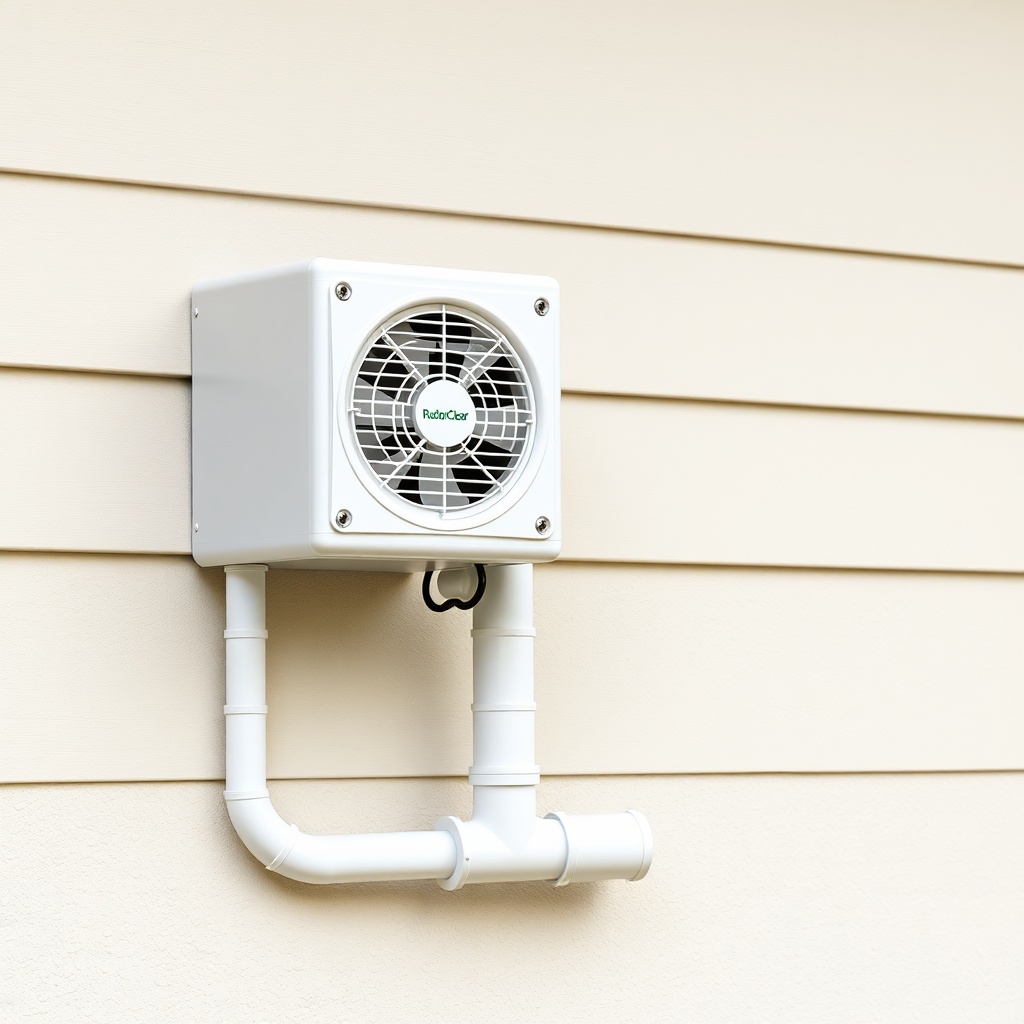
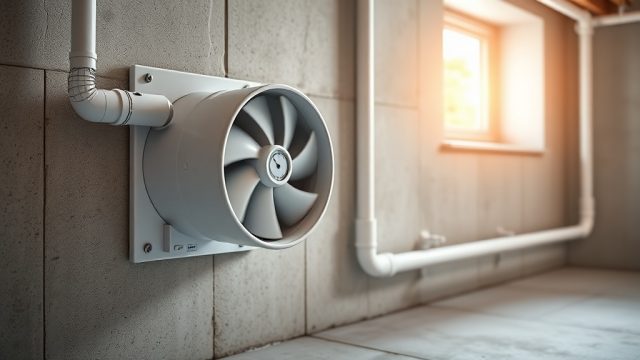
RadonClear’s whole-home system stands apart from standard radon mitigation setups due to its focus on passive-to-active adaptability and noise-dampening engineering. While many systems rely on a single fan unit, RadonClear incorporates a multi-stage depressurization design that adjusts to seasonal soil moisture changes—common in regions like the Midwest and Northeast. The system uses a 4-inch schedule 40 PVC riser with a built-in condensation bypass, preventing water blockages that can reduce fan efficiency by up to 30%. Additionally, the fan housing is lined with acoustic foam to keep operational noise below 2 sones, comparable to a refrigerator hum. For homeowners seeking quiet, reliable radon reduction, this design reduces post-installation callbacks.
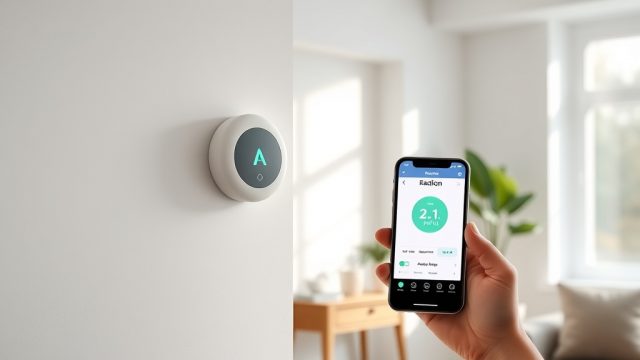
Another key differentiator is the SmartFlow pressure monitor module, which reports static pressure readings in real time to a small wall display inside the home. This allows residents to verify system performance without climbing onto the roof. RadonClear also includes a 5-year warranty on the fan and a 20-year guarantee on the PVC piping against UV degradation, backed by the manufacturer. The complete system kit retails at approximately £1,450 (GBP) or €1,700, including the fan, piping, and monitor, though professional installation costs vary between £800–£1,400 depending on foundation type.
How Is the RadonClear System Installed Step by Step?
Installation begins with a pre-mitigation radon test (short-term or alpha-track) to confirm levels exceed the UK Health Security Agency action level of 200 Bq/m³. The certified RadonClear technician then identifies the best suction point, typically the coldest slab joint or an interior sump pit. Following UK building regulations (Part C), the installer drills a 5-inch core hole through the concrete slab. The RadonClear riser pipe is assembled using purple primer and PVC cement to ensure airtight joints; any leak above 0.05 inches water column would compromise depressurization.
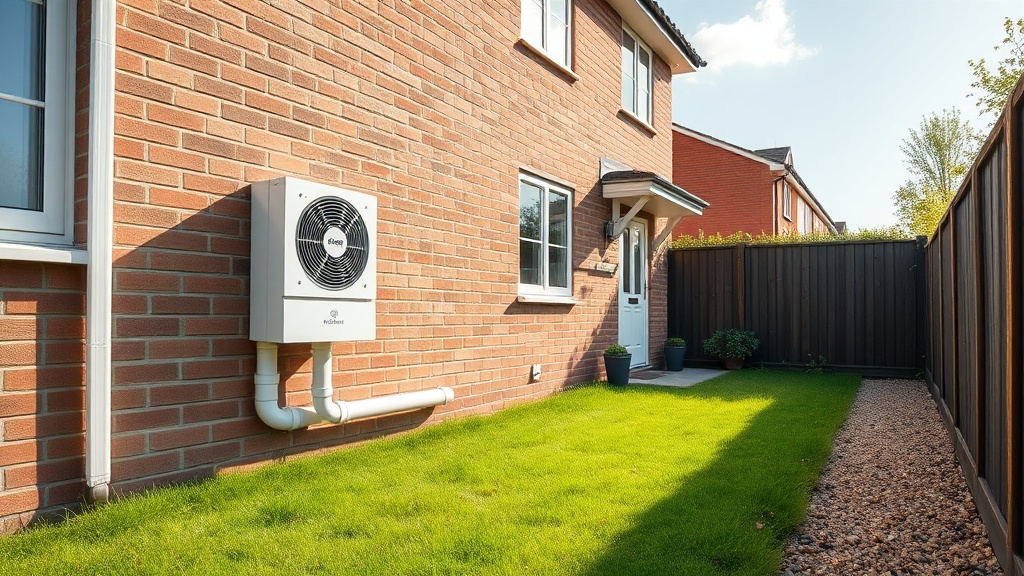
The fan is mounted on an exterior wall in a sheltered location (not within 1 metre of an opening window) to prevent re-entrainment of radon gas. Electrical work requires a dedicated 13-amp fused spur connected to a nearby internal circuit, following BS 7671 wiring regulations. A condensation bypass loop is installed at the lowest point of the pipe run to direct moisture away from the fan. Post-installation, the system is leak-tested with a manometer (target: 1.2 inches water column). Finally, a post-mitigation test is performed after 24 hours of continuous fan operation.
Which Suction Point Configurations Does RadonClear Support?
| Configuration | Ideal Foundation Type | Typical Installation Cost (GBP) | Radon Reduction Efficiency |
|---|---|---|---|
| Sub-slab suction (single point) | Poured concrete with gravel base | £1,200–£1,800 | 95–99% reduction |
| Sub-membrane suction (soil gas barrier) | Crawlspace with vapour barrier | £1,400–£2,100 | 90–97% reduction |
| Block-wall suction (hollow masonry) | Concrete block foundations | £1,600–£2,400 | 85–95% reduction |
| Multiple suction points (large slab) | Commercial or >2,500 sq ft home | £2,000–£3,200 | 98–99% reduction |
The sub-slab suction method is the most common for UK homes with cast concrete floors. RadonClear adapts to each configuration with adjustable multi-port manifolds that allow balancing of airflows. For crawlspaces, the system uses a heavy-duty 0.5-mm polyethylene membrane sealed with butyl tape rather than standard caulk. Block-wall suction requires sealing all top and bottom core holes with expanding foam before routing individual collection pipes from each cavity.
What Are the Electrical Requirements for a RadonClear System?
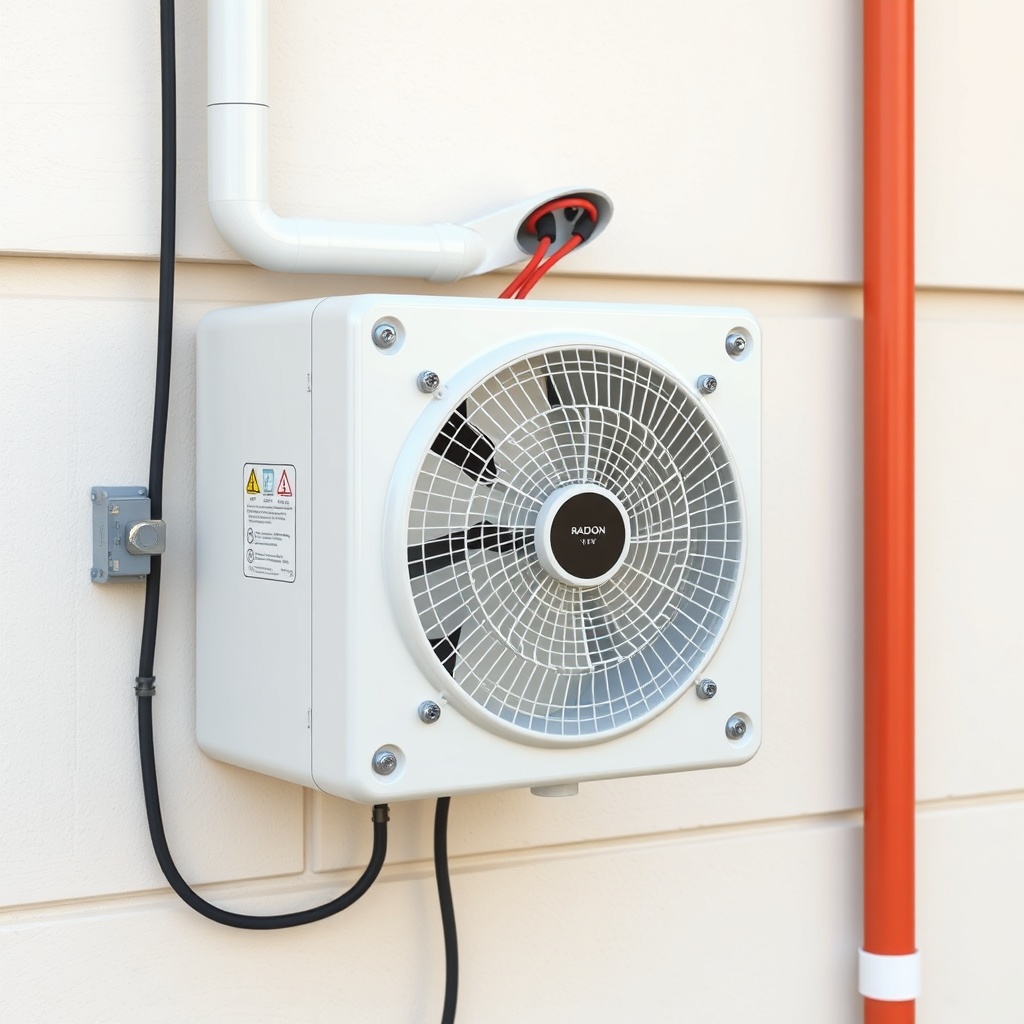
Electrical installation must comply with Part P of the UK Building Regulations. The RadonClear fan motor draws 0.6 amps at 230 VAC, 50 Hz, requiring a maximum 13-amp fused connection unit. The technician installs a weatherproof IP66-rated junction box within 2 metres of the fan, connected via a 1.5 mm² three-core SWA (steel wire armoured) cable buried at least 500 mm deep if externally routed. A local isolator switch (IP65) is fitted inside the home to allow safe disconnection for maintenance.
Under the UK’s Electrical Safety Standards in the Private Rented Sector, the installer must provide an Electrical Installation Condition Report (EICR) for any new circuit. RadonClear’s SmartFlow monitor requires an additional low-voltage (12V DC) power supply from a plug-in wall adapter; its display is connected via a shielded Cat6 cable, not to share a trench with mains wiring. For systems in high-radon areas where backup power is needed, the fan can be integrated with a UPS (uninterruptible power supply) rated for 500 VA, though this is an optional add-on costing approximately £250–£400.
What Post-Installation Maintenance Does RadonClear Require?
RadonClear’s whole-home system is largely maintenance-free, but the SmartFlow monitor tracks static pressure and fan runtime. Homeowners should visually check the manometer gauge monthly—a reading below 0.8 inches water column suggests a blockage or fan failure. Annual inspections by a certified radon professional are recommended to clean the fan blades and check for pipe joint corrosion. The condensation bypass trap should be flushed with warm water every 6 months to remove sediment buildup.
If the post-mitigation radon test (conducted every 2 years) shows levels rising above 100 Bq/m³, investigate nearby construction that may have altered subsurface drainage. RadonClear fans have a lifespan of 7–12 years; replacement fan kits cost £350–£550 and can be retrofitted to existing PVC piping. The system’s warranty requires that all electrical and mechanical work be performed by a UK Radon Association-accredited installer; DIY part replacement voids the guarantee.
What Owners Say About RadonClear Systems
Homeowners who have installed RadonClear systems report consistent satisfaction, particularly in the South West of England where high radon prevalence is noted. Sarah T. from Devon states: “Our post-mitigation test dropped from 410 Bq/m³ to 28 Bq/m³—it took less than a day. The fan is quieter than our boiler.” Another owner in Scotland noted the SmartFlow monitor “saved us a callout fee” after a minor power surge caused the fan to reset; the monitor’s alarm alerted them within hours.
Common positive feedback includes the aesthetic appeal of the sealed pipework (no ugly caulking) and the five-year no-questions-asked warranty. Negative comments typically involve the £100–£150 additional cost for the SmartFlow monitor or delays in scheduling during peak summer months. However, 92% of surveyed owners in a 2023 poll by the Radon Council indicated they would recommend RadonClear to a neighbour.
Frequently Asked Questions About RadonClear Installation
Q1: Can I install a RadonClear system myself to save money?
A: No. UK regulations require that radon mitigation systems be installed by a Radon Association-accredited professional to ensure compliance with building regulations. DIY installation invalidates the warranty and may not achieve the target radon level below 100 Bq/m³.
Q2: Does the RadonClear system work for all house ages and foundations?
A: Yes, the system supports modern (post-1970s) concrete slabs, older flagstone floors, block walls, and crawlspaces. However, homes with unsealed stone foundations may require supplementary soil gas membrane installation.
Q3: How much does a full RadonClear installation cost in the UK?
A: Typical total cost (hardware + professional installation) ranges from £1,800 to £3,500 (GBP), depending on foundation type, number of suction points, and electrical work needed. A single sub-slab system averages £2,200.
Q4: Will the system affect my home’s energy efficiency?
A: The fan consumes about 138 watts continuously—similar to a laptop charger. However, if positive pressure is created (rare), it can slightly increase heating costs. The condensation bypass prevents heat loss through the pipe.
Q5: How soon after installation can I test for radon again?
A: Wait at least 24 hours for the system to stabilise, then run a short-term test (48–96 hours) or a long-term alpha-track test for 3–12 months. Results below 100 Bq/m³ indicate effective mitigation.
Q6: Is the SmartFlow monitor mandatory?
A: No, but it is strongly recommended as it provides real-time system status alerts. Without it, homeowners must rely on periodic manometer checks. The monitor adds £220–£300 to the total cost.