Optimal Piping Setup for RadonAway RP145 Fan
Choosing the right venting and piping configuration for a RadonAway RP145 fan directly determines its long-term performance and your home’s radon reduction efficiency. This fan, rated for up to 145 CFM at 1.0″ WC, demands a precise balance between pipe diameter, run length, and number of elbows to maintain optimal static pressure. Below, we break down the specific piping options and setup guidelines that ensure the RP145 operates within its sweet spot, avoiding premature wear or insufficient vacuum.
What Pipe Diameter Should I Use with the RadonAway RP145?
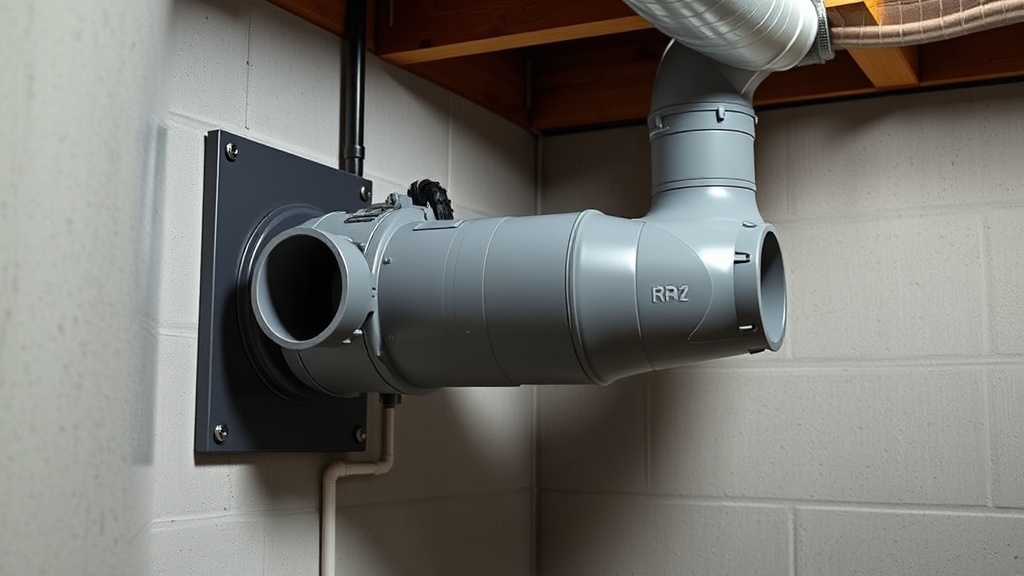
The RadonAway RP145 is engineered for 4-inch Schedule 40 or 20 PVC—this is the factory inlet and outlet size. While 3-inch piping can physically connect with a reducing coupling, it increases friction loss significantly. For runs under 30 feet with fewer than four 90-degree elbows, 4-inch remains ideal. If your home already has 3-inch stubs from an older system, you can adapt, but expect a 15–20% drop in flow rate at the same static pressure. Always step up to 4-inch as soon as possible for new installations.
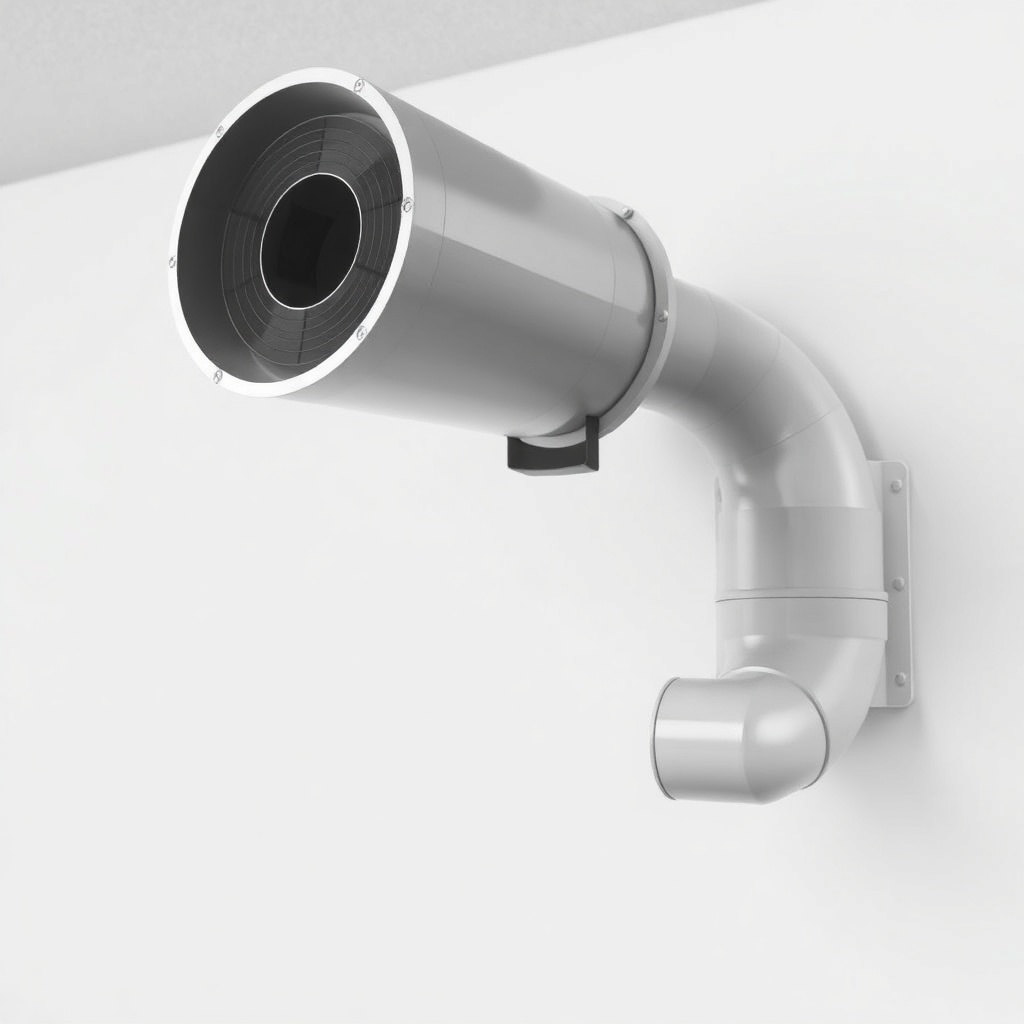
How Many Elbows Can the RP145 Tolerate Before Performance Drops?
Every 90-degree elbow in 4-inch PVC adds roughly 3–4 equivalent feet of straight pipe. The RP145 can handle up to six 90s in a 40-foot total developed length before the static pressure exceeds 1.2″ WC. For longer runs (50–70 feet), limit elbows to four. Use two 45-degree elbows instead of one 90 where possible—they cut friction by nearly half. Avoid street elbows inside walls; they create turbulence that the fan’s backward-curved impeller struggles to overcome.
Should I Vent the RP145 Through the Roof or Sidewall?
Roof venting is the traditional choice and works well when the attic space is unconditioned and the pipe can stay uninsulated. However, the RP145’s relatively low heat output (it runs cool) means condensation is minimal. Sidewall venting is increasingly preferred because it reduces the total pipe length by 10–20 feet and avoids roof penetrations. For sidewall exits, keep the termination at least 10 feet from any window, door, or air intake—local codes often require 12 inches above the roofline for roof vents, and 10 feet above grade for sidewall. The RP145’s sealed motor handles external mounting fine, but ensure the outlet hood faces downward to prevent debris ingress.
What Is the Maximum Vertical Rise for the RP145?
Vertical lift matters because the RP145 must overcome gravity and friction. For a standard 4-inch system, the fan can handle up to 25 feet of vertical rise with three elbows and a 50-foot total run. Beyond that, the vacuum at the suction point may fall below 0.5″ WC, reducing capture efficiency. If your sub-slab soil is tight (clay or sandy loam), keep the rise under 20 feet. For a two-story house with a basement, the RP145 is adequate; for multi-story with a crawlspace, consider a RadonAway RP145 vs RP260 comparison to see if the larger fan suits your stack height.
How Do I Properly Support the RP145 in a Piping System?
The RP145 weighs only about 12 pounds, but it vibrates slightly at 60 Hz. Use rubber isolation hangers or cushioned pipe clamps every 4 feet along the horizontal run and at least one support directly under the fan body. If the fan is mounted vertically, secure the pipe above and below with heavy-duty stainless steel straps rated for 50 pounds. Never let the fan hang solely from the PVC—thermal expansion and fan weight can crack a joint over time. A dedicated wall bracket (included with many kits) is the most reliable method.
Can I Use Flexible Ducting with the RadonAway RP145?
Flexible aluminum ducting is not recommended for the RP145. The corrugated interior creates turbulence and static pressure that can exceed 2.0″ WC, causing the fan to overheat and cycle off. Solid PVC is mandatory. If you must use a short flexible section for a tight connection (less than 2 feet), use smooth-wall flexible radon vent pipe, not dryer duct. Even then, expect a 10% efficiency loss. For long-term reliability, stick to rigid PVC with solvent-welded joints.
| Symptom | Urgency Level |
|---|---|
| Whistling noise at pipe joints | Needs attention soon – check seals immediately |
| Fan runs continuously but radon level unchanged | Needs attention soon – verify suction pit depth and piping |
| U‑tube manometer reads above 1.5″ WC | Usually not urgent if system is new, but monitor weekly |
| Intermittent cycling every 5–10 minutes | Needs attention soon – possible thermal overload from high static |
| Condensation pooling in pipe near fan inlet | Usually not urgent – add insulation on cold sections |
What Owners Say
“My RP145 was installed with 4-inch PVC through the roof. After adding two more elbows to avoid a joist, the digital manometer shows 1.1″ WC. It’s been running three years without a hiccup. The house went from 12 pCi/L to 2.1 pCi/L.” – Mike R., Ohio
“I originally used 3-inch pipe to save cost. The fan struggled and the motor temperature felt hot. Switching to 4-inch straight pipe dropped static pressure from 1.8″ WC to 0.9″ WC. The noise is much lower now.” – Linda S., Pennsylvania
“Installed the RP145 on a sidewall with 20 feet of vertical rise. My installer said the fan would handle it. It does, but I hear a slight hum near the termination. The radon level is stable at 1.5 pCi/L.” – Tom H., Colorado
For a deeper dive into the fan’s overall specs and install steps, see the RadonAway RP145 Fan Review: Performance, Noise, and Installation. Running costs matter too—check the RadonAway RP145 Energy Usage and Cost Analysis to see annual electricity bills.
Frequently Asked Questions
Question 1: What is the standard pipe size for the RP145?
The factory inlet and outlet are 4-inch diameter PVC. Use 4-inch pipe for the entire system for best performance.
Question 2: How many 90-degree elbows can I use with the RP145?
Maximum six 90s in a 40-foot total developed length. For runs longer than 50 feet, limit to four elbows to stay below 1.2″ WC static pressure.
Question 3: Can I vent the RP145 through a sidewall?
Yes, sidewall venting is acceptable and often preferred because it shortens the pipe run. Keep the termination at least 10 feet from any openings and at least 12 inches above grade.
Question 4: Does the RP145 need a condensate drain?
No, but in very cold climates, a short vertical drain leg with a tee and cap can be installed at the lowest point to allow periodic draining if condensation accumulates.
Question 5: Should I insulate the piping for the RP145?
Only insulate sections exposed to unconditioned spaces (attics or crawlspaces) to prevent condensation. Use closed-cell foam pipe insulation rated for outdoor use. Interior basement runs do not need insulation.
Question 6: What happens if I use too small piping?
Using 3-inch pipe or flexible ducting increases static pressure above 1.5″ WC. This causes the fan to overheat, cycle on and off, and reduce radon removal efficiency by up to 30%. Always use 4-inch rigid PVC.
For more on choosing the right fan size, read our comparison RadonAway RP145 vs RP260: Which Fan Suits Your Home?.