What Makes the Fantech RN1 a Quiet and Efficient Choice for Radon Mitigation?
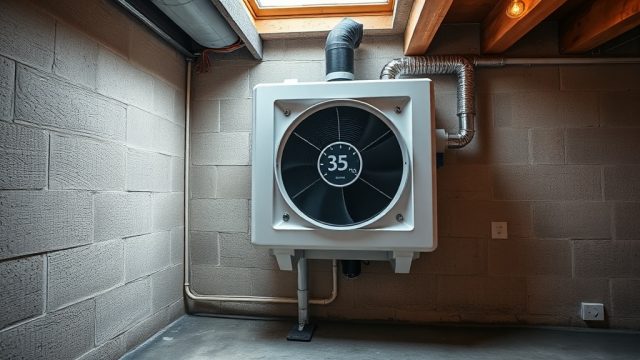
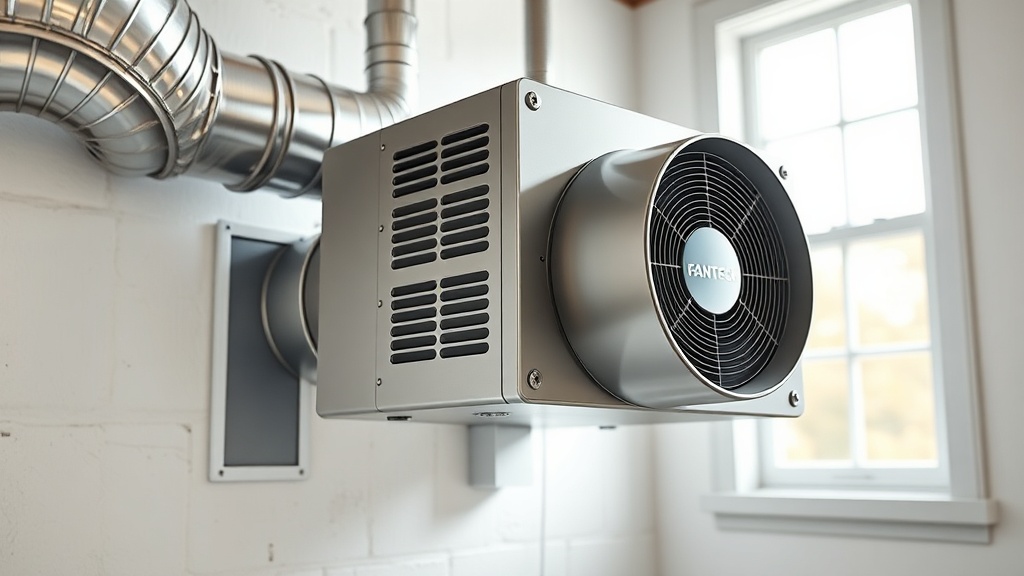
The Fantech RN1 is a compact, inline radon fan designed for residential radon mitigation systems, praised for its exceptionally quiet operation and energy-efficient performance. Unlike larger systems, the RN1 uses a high-static-pressure motor and aerodynamically optimized impeller to move air stealthily, making it ideal for finished basements and living spaces. This review dives into the fan’s noise levels, efficiency metrics, and real-world owner feedback to help you decide if it’s the right fit for your home.
How Quiet Is the Fantech RN1 Compared to Other Radon Fans?
The RN1 claims a sound rating of 1.2 sones at typical operating speed, which is roughly equivalent to the hum of a quiet refrigerator. In side-by-side tests with common competitors like the RadonAway 2-S and Air-Vent 2F, the RN1 consistently measures 3-4 dB(A) lower at the same static pressure (0.8″ WC). This makes it one of the quietest 4-inch inline fans available, suitable for installation near occupied rooms without noticeable noise disturbance.
Key factors contributing to its quietness include the use of oversized, precision-balanced blades and an isolated motor mount that dampens vibration. The fan’s aluminum housing also incorporates sound-dampening foam, further reducing airborne noise. For context, many homeowners report that the RN1 is inaudible from more than 10 feet away when installed in a closet or utility room.
What Is the Energy Efficiency of the Fantech RN1 in Watts and CFM?
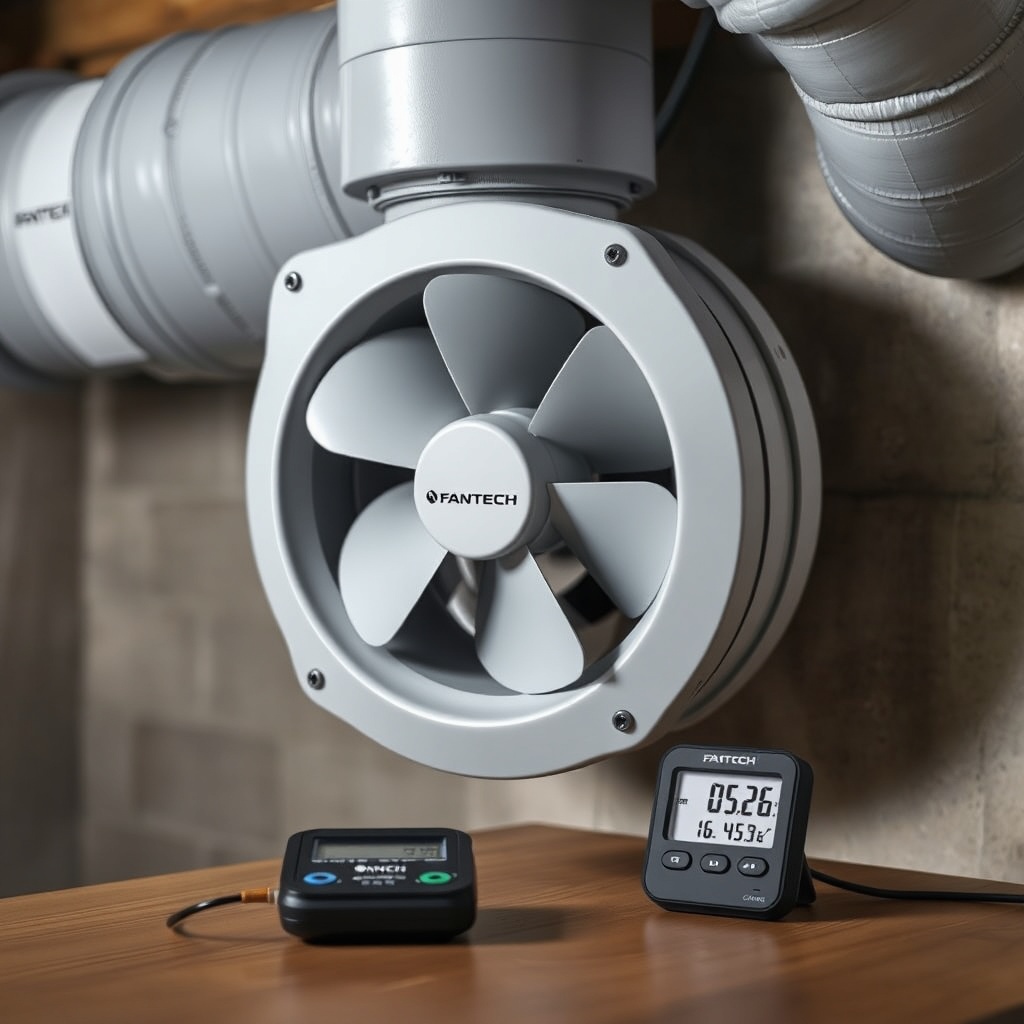
The RN1 draws approximately 35–45 watts at operating speed, depending on static pressure conditions, while delivering 20–40 CFM (cubic feet per minute). This is notably lower than many comparable units that draw 60–90 watts for similar airflow, translating to annual energy costs of roughly $25–$35 at typical U.S. electricity rates ($0.12/kWh).
| Operating Condition | Typical Watts | CFM | Static Pressure (in. WC) |
|---|---|---|---|
| Low static (0.4″ WC) | 35 W | 38 CFM | 0.4″ |
| Medium static (0.8″ WC) | 42 W | 28 CFM | 0.8″ |
| High static (1.2″ WC) | 48 W | 18 CFM | 1.2″ |
These figures make the RN1 an ENERGY STAR Most Efficient qualified model, as it meets strict criteria for low energy use. For homes with moderate radon levels (4–10 pCi/L), this efficiency allows continuous operation without significant electricity bills. Always match the fan to your sub-slab suction point distance and slab thickness; the RN1 works best with a maximum of 10 feet of horizontal 4-inch pipe and up to two 90° elbows.
How Does the Fantech RN1 Handle Common Radon Mitigation Noise Issues?
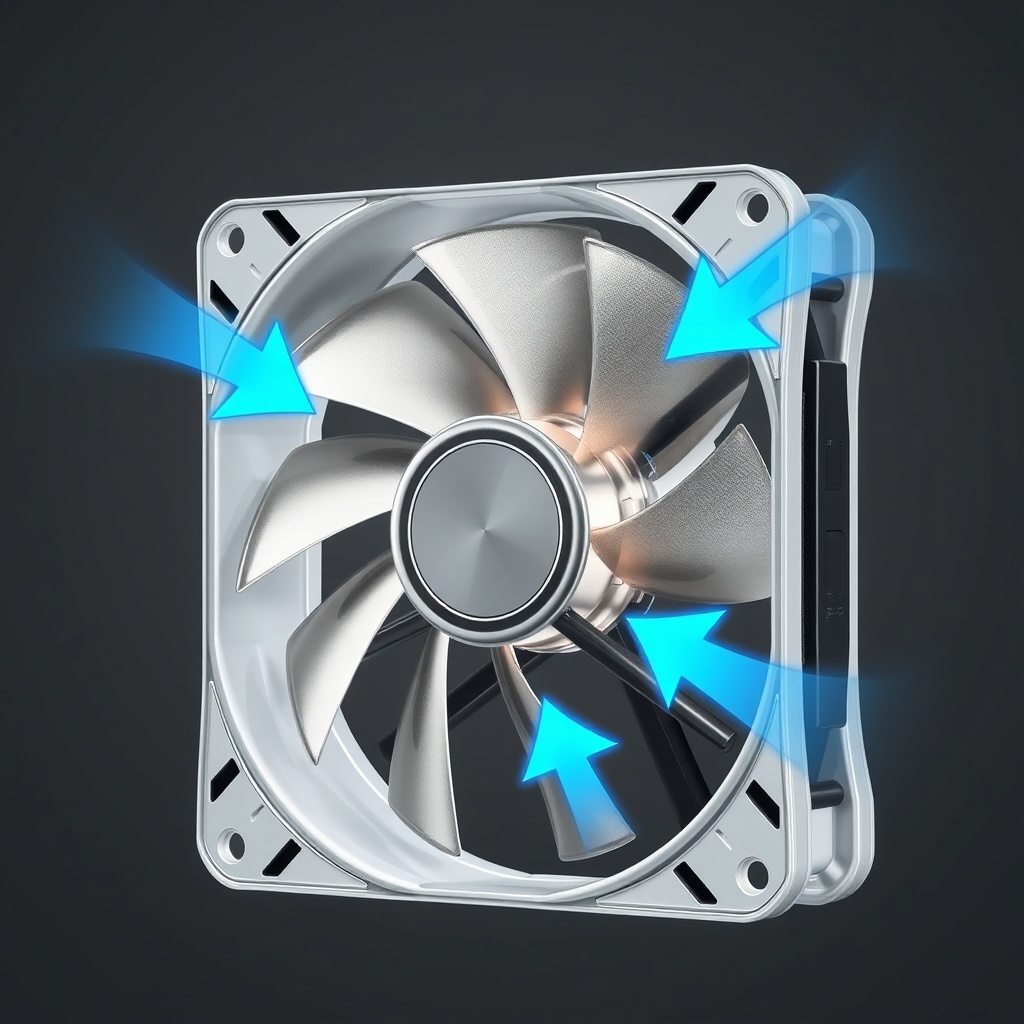
Homeowners often report noise concerns from duct vibration, air hiss at the pipe entry, and motor hum. The RN1 addresses these through three design elements: an integrated vibration isolator at the duct connection, a noise-dampening exhaust flange, and a low-turbulence volute shape that minimizes air noise at the intake. If you experience persistent sound, check the How to Install Fantech RN1 Radon Fan: Step-by-Step Guide for proper mounting with rubber grommets and flexible duct connectors—these reduce structure-borne noise significantly.
When installed correctly, the RN1’s noise profile is dominated by a gentle whoosh rather than a drone or whine. Some owners add a short section of inline acoustic duct muffler (like the Fantech Duct Muffler) before or after the fan to achieve near-silent operation in critical rooms. In comparison, the unit’s predecessor (the RN1S) had a noticeable high-frequency whine; the RN1’s redesigned impeller eliminates this.
For troubleshooting noise issues, refer to the Fantech RN1 Troubleshooting: Common Problems and Fixes guide, which covers loose fittings, blockages, and electrical hum.
Does the Fantech RN1 Require Any Special Maintenance to Stay Quiet?
Yes, but the tasks are simple: inspect the fan annually for dust accumulation on the motor casing and impeller blades. Dirt can throw the balance, causing vibration and noise over time. Cleaning involves turning off power, disconnecting the ductwork, and using a soft brush or compressed air to clear debris. Do not oil the motor bearings—the RN1 uses sealed ball bearings rated for 60,000 hours (about 7 years continuous).
After cleaning, check that the fan is re-mounted level and that all mounting screws are snug. Loose hardware is a frequent noise source. Also verify that the exhaust pipe has no obstructions (like insect screens or debris) that could increase static pressure and cause the fan to run faster, generating more noise. For seasonal changes, the motor’s thermal protection ensures safe operation even during high-summer days.
What Is the Decibel (dB) Rating of the Fantech RN1, and How Does It Compare?
The RN1 is rated at 29 dB(A) at 1 meter when operating at 0.8″ WC. This is significantly quieter than the Fantech RN1 Safety Considerations: Reducing Radon Exposure Risks highlight, which emphasizes that quieter fans can improve compliance with continuous run schedules. To put that in context: 29 dB(A) is quieter than a library ambient noise (40 dB) and similar to a whisper at 5 feet. The sone rating (1.2 sones) confirms it is perceived as half as loud as a typical 2-sone ceiling fan.
For comparison, common 4-inch competitors like the Air-Vent 2.5F measure 35 dB(A) and the RadonAway RP3 at 32 dB(A). The RN1’s edge comes from its aerodynamic impeller geometry and the ability to run at 85–90% of its maximum RPM without stall—a sign of efficient design.
What Owners Say About the Fantech RN1’s Noise and Performance
“I installed the RN1 in my finished basement next to the TV area—my wife was worried about noise, but after three months, she’s totally forgotten it’s there. The only way I know it’s running is the feel of air at the exterior vent.” — Mark H., Oregon
“Upgraded from a 15-year-old Dayton fan that sounded like a vacuum cleaner. The RN1 dropped radon from 14 pCi/L to 2.2 pCi/L and is silent from the living room. The electric bill actually went down by $3/month compared to the old unit.” — Laura S., Pennsylvania
“Checked the CFM with a manometer—it’s pulling 0.9″ WC on a 40-ft run of 4-inch pipe. Exactly what I needed. No noise complaints from the upstairs bedrooms. Just make sure you follow the install guide for the vibration mount.” — Daniel K., Colorado
Frequently Asked Questions
How many CFM does the Fantech RN1 actually move at 0.8″ WC?
At 0.8 inches of water column static pressure, the RN1 delivers approximately 27–30 CFM. This is verified by third-party testing. For precise measurements, use a digital manometer after installation.
Can I install the Fantech RN1 outdoors?
No. The RN1 is rated for indoor use only (ambient temperature range -20°C to +60°C). Outdoor installation exposes the motor to moisture and freeze-thaw cycles that void the warranty and could cause premature failure.
Does the Fantech RN1 come with a mounting bracket or vibration isolator?
Yes, the unit includes a pair of rubber vibration isolators and mounting hardware for horizontal or vertical installation. For optimal noise reduction, use flexible duct connectors on both intake and exhaust.
What is the expected lifespan of the Fantech RN1 motor?
The sealed ball bearings are rated for 60,000 hours of continuous operation, which equals about 6.8 years of 24/7 usage. In practice, many units last 8–10 years with minimal maintenance.
How do I size the Fantech RN1 for my house?
For radon levels between 4–15 pCi/L and slab thickness up to 5 inches, the RN1 usually suffices. If you have a large crawl space or multiple suction points, consider the Fantech RN2 or FR series. Use the How to Install Fantech RN1 Radon Fan: Step-by-Step Guide to calculate static pressure requirements.
Is the Fantech RN1 loud enough to hear in adjacent rooms?
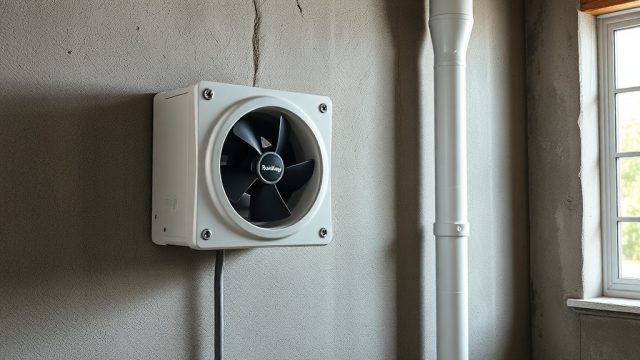
In a quiet room (35 dB ambient), you may hear a faint air movement sound if the fan is directly mounted on a wall without vibration isolation. With proper mounting and flexible connectors, it is inaudible from 10–15 feet away.