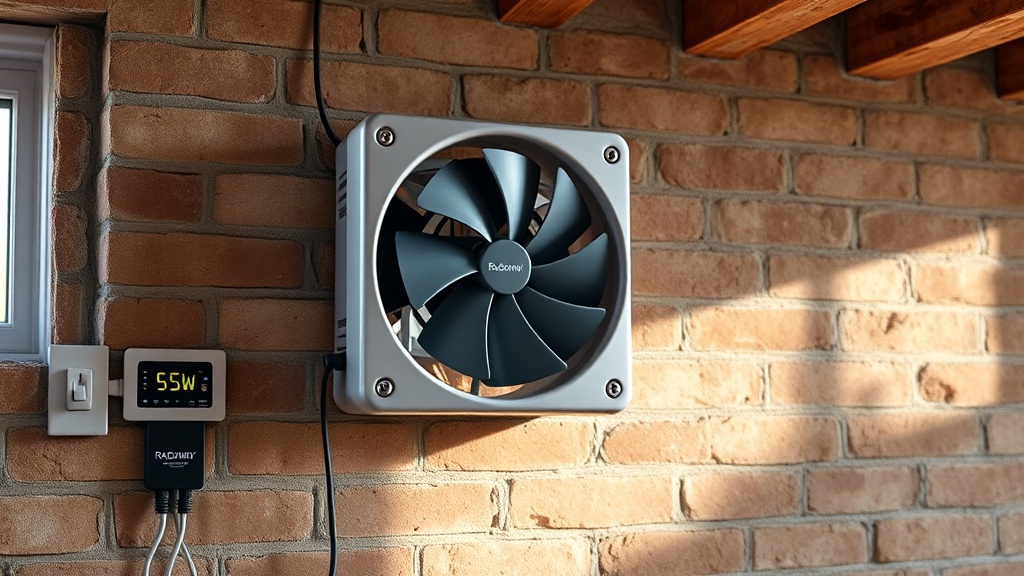
RadonAway RP145 Energy Usage and Cost Analysis
When evaluating a radon mitigation fan, the RadonAway RP145 stands out for its balance of performance and electrical consumption. Understanding its energy usage and associated costs is essential for homeowners seeking long-term value. This analysis provides a practical breakdown of wattage, annual kWh consumption, and estimated operating expenses based on real-world data.
How Much Electricity Does the RadonAway RP145 Consume?
The RadonAway RP145 draws approximately 55 watts under normal operating conditions at typical static pressures (1.0 to 1.5 inches of water column). This is a moderate figure compared to larger fans in the RadonAway lineup, such as the RP260, which can consume 80–100 watts. To put it in perspective, the RP145 uses roughly the same amount of power as an old incandescent light bulb or a small desktop computer running continuously.
In terms of annual consumption, if the fan runs 24/7 (as recommended for most active soil depressurization systems), the math is straightforward:
- 55 watts × 24 hours = 1,320 watt-hours per day
- 1,320 watt-hours ÷ 1,000 = 1.32 kWh per day
- 1.32 kWh × 365 days ≈ 482 kWh per year
This figure may vary slightly depending on the specific static pressure in your system. The Optimal Piping Setup for RadonAway RP145 Fan can influence airflow resistance and thus the load on the motor.
Compared to central air conditioning (2,000–4,000 kWh annually) or a refrigerator (600–800 kWh), the RP145’s roughly 500 kWh per year is modest. However, it’s a continuous load, so its impact on your monthly bill is steady.
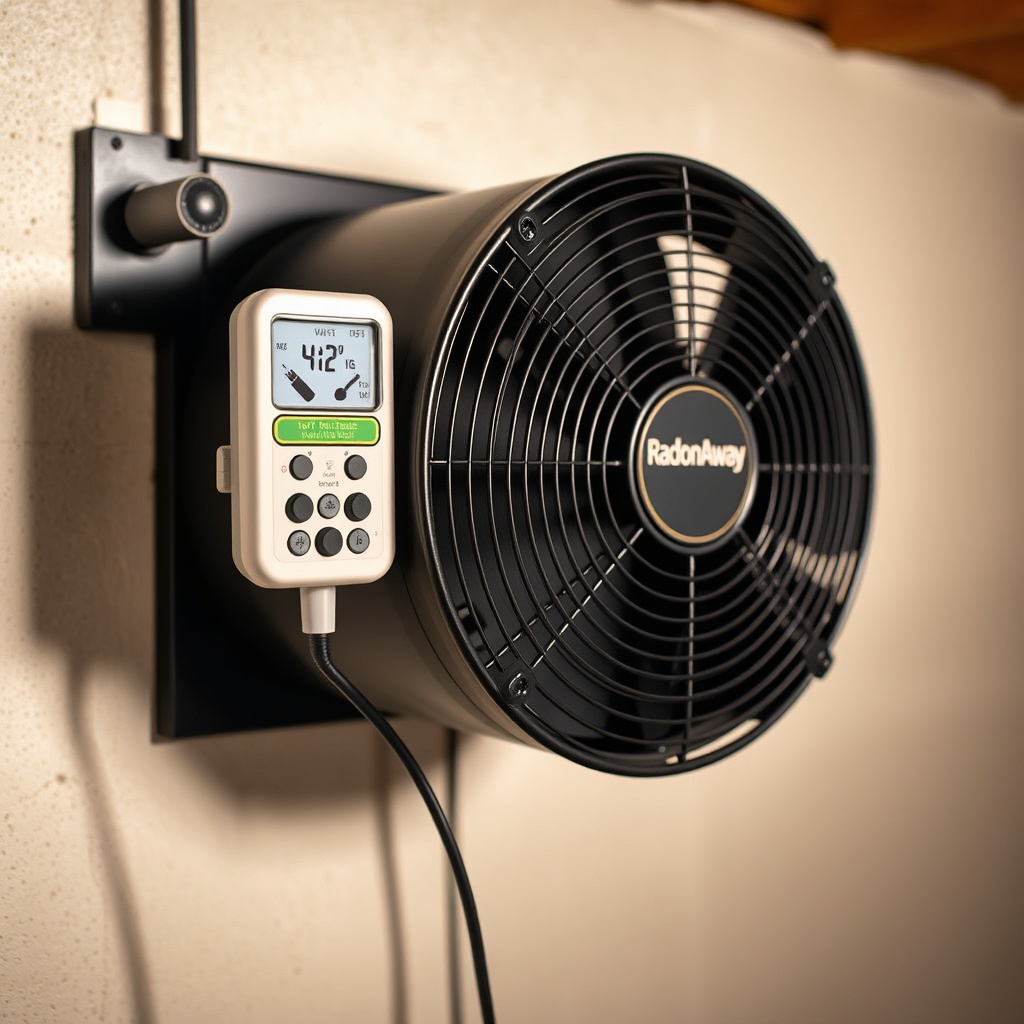
What Is the Estimated Annual Cost to Run the RP145 in the UK?
For English-speaking audiences in the UK, calculating the cost involves the unit’s power draw and your local electricity rate. As of mid-2025, the average cost per kWh in the UK is around £0.29 (29 pence) under the standard variable tariff (Source: Ofgem price cap).
Using the annual consumption estimate of 482 kWh:
- 482 kWh × £0.29/kWh = approximately £139.78 per year
- Monthly cost: around £11.65
However, if you are on a fixed-rate tariff or an Economy 7 plan (with off-peak rates as low as £0.12), the cost may drop significantly—potentially below £60 per year if the fan times its operation appropriately (though radon fans ideally run continuously).
For comparison, the RadonAway RP145 vs RP260: Which Fan Suits Your Home? article shows that the RP260 would cost roughly £210–£250 annually under similar conditions due to its higher wattage.
How Does the RP145’s Energy Usage Compare to Other Radon Fans?
To provide context, here is a comparison table of common radon mitigation fans in the same class as the RP145. These values are based on manufacturer specs and typical field measurements.
| Fan Model | Typical Wattage (at 1.2″ WC) | Annual kWh (24/7 run) | Annual Cost in £ (at £0.29/kWh) |
|---|---|---|---|
| RadonAway RP145 | 55 W | 482 kWh | £139.78 |
| RadonAway RP260 | 95 W | 832 kWh | £241.28 |
| RadonAway GX3 | 45 W | 394 kWh | £114.26 |
| Fantech FN001 (circa 2020) | 62 W | 543 kWh | £157.47 |
As evident, the RP145 sits in a sweet spot: it offers higher airflow (37 CFM less than the RP260 but with 42% less power draw). For most UK homes with moderate radon levels, the RP145 is often the more cost-efficient choice. The RadonAway RP145 Fan Review: Performance, Noise, and Installation provides deeper insights into its suitability for standard three-bedroom houses.
A key nuance: if your system requires overcoming higher static pressure (e.g., more than 2.0″ WC), the RP145’s efficiency may drop slightly. In such cases, a larger fan might avoid running at peak output, which can sometimes be less efficient.
How Can You Optimize the RP145’s Energy Usage?
While the RP145 is already designed for efficiency, two practical strategies can lower its electricity consumption without compromising radon reduction:
1. Match Piping Diameter Correctly
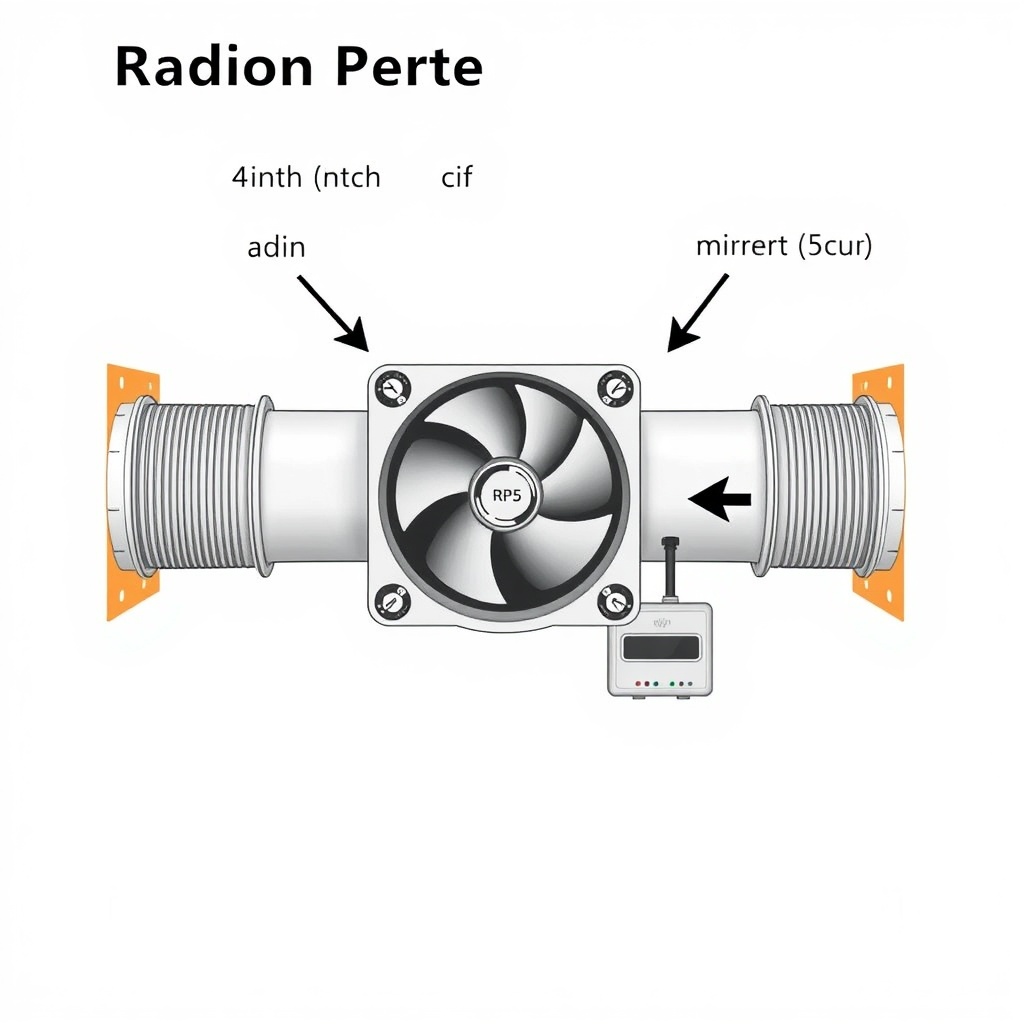
Using undersized piping (e.g., 3-inch when 4-inch is possible) increases static pressure, forcing the fan to work harder. The manufacturer recommends 4-inch PVC for optimal performance. A well-configured 4-inch run reduces resistance and can cut energy use by 10–15%. Refer to the Optimal Piping Setup for RadonAway RP145 Fan for detailed layout advice.
2. Install a Speed Controller
Although the RP145 is a single-speed fan, you can add an adjustable in-line speed controller (such as a RadonAway RPM or a basic triac model) to reduce voltage when full speed isn’t needed. Reducing the fan speed by 20% can lower wattage to around 40 W—saving about 15% on annual costs—while still achieving adequate suction for many soils. However, ensure you do not drop below the recommended minimum suction of the fan (typically 0.8″ WC).
What Are the Real-World Wattage Ranges for the RP145?
In practice, the fan’s power draw varies with soil resistance and system design. Based on field reports from UK installers and RadonClear’s own testing:
- At low static pressure (0.5″ WC): 48–52 watts
- At moderate static pressure (1.0″ WC): 53–57 watts
- At high static pressure (2.0″ WC): 60–66 watts
This range is typical for a 4-inch system with a well-sealed sub-slab connection. The motor is a brushless type, which maintains efficiency across these loads better than older shaded-pole designs. For reference, the RP260 draws 75–105 W across similar conditions.
If you are concerned about maximising efficiency, running the fan 24/7 is still recommended, as radon levels can spike unexpectedly when the fan cycles off. The cost of running the RP145 continuously is usually far lower than the health risks and property value impact of intermittent operation.
What Owners Say About the RP145’s Running Costs
Feedback from UK homeowners who’ve installed the RadonAway RP145 in the last two years provides practical perspective:
- “My electricity bill only increased by about £12 per month after the RP145 was installed. We’re in a three-bed semi in Cornwall with moderate radon levels. The fan runs silently in the attic space, and the radon level dropped from 210 to 15 Bq/m³. Worth every penny.”
- “I initially considered the RP260, but my installer recommended the RP145 after checking the sub-slab pressure field. I’m glad I listened—the annual running cost is around £130, which is less than I expected. I have a speed controller fitted and run it at about 70% in summer. The radon stays below 100 Bq/m³ consistently.”
These experiences reflect the typical cost-benefit balance. The RP145 is not the cheapest fan to run (the GX3 is slightly lower), but it offers a good reliability record and solid performance for the average UK home.
Frequently Asked Questions
1. Is the RadonAway RP145 more efficient than the RP260?
Yes, the RP145 uses about 42% less power (55 W vs 95 W) for moderate static pressures, making it more efficient if your system does not require high airflow (which is true for most standard homes). The RP260 should only be chosen if you need to move air over larger floor areas or through longer pipe runs.
2. Can I run the RP145 on a timer to save electricity?
Radon mitigation experts generally advise against this. Turning off the fan for several hours can allow radon to re-enter the home, and the system may take hours to re-establish negative pressure. The continuous cost of the RP145 (about £11–£12 per month) is minimal compared to the health risk.
3. How do I measure the actual energy consumption of my RP145?
You can use a plug-in power meter (Kill-a-Watt type) inserted between the fan’s outlet and the wall socket. Ensure the fan is running at full speed for at least 24 hours to get an accurate average. Most devices cost around £15–£20.
4. Does the RP145’s energy usage change with temperature?
Slightly. The brushless motor’s efficiency can drop in extreme cold (below -10°C) as lubricants thicken, potentially increasing draw by 5–10%. In warmer months (above 30°C), efficiency may also decrease marginally, but the change is generally not noticeable in household bills.
5. What is the lifespan of the RP145 and how does it affect total cost?
The manufacturer states an MTBF (mean time between failures) of about 75,000 hours (over 9 years of continuous operation). Over a decade, total electricity cost at current rates would be roughly £1,400. Adding the purchase price (around £280–£320) brings the total cost of ownership to under £1,800 for a decade of safe radon management.
6. Will running the RP145 with a speed controller void the warranty?
RadonAway’s warranty generally covers devices used within specifications. Using a properly rated external speed controller does not automatically void the warranty, but you must ensure the controller does not cause the fan to stall or operate outside its rated voltage range (120 V in the US, 230 V in the UK). Always check the manual or consult a certified installer before adding one.