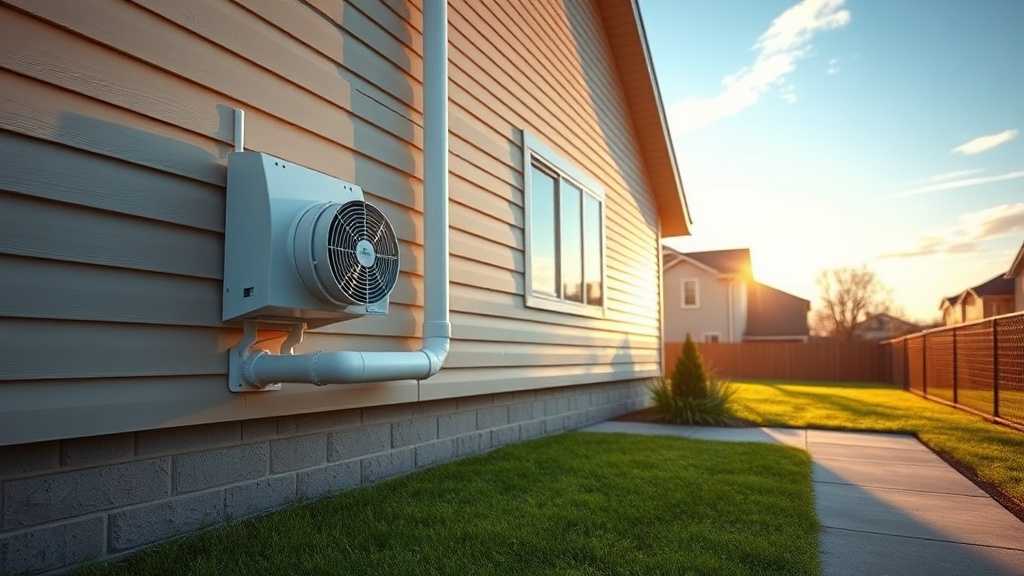
RadonClear Whole-Home System Installation Cost Guide: Budgeting for Safe Air
When it comes to safeguarding your home from radon gas, the RadonClear Whole-Home System stands out as a premium solution with predictable long-term savings. Understanding the full installation cost—including equipment, labor, and energy efficiency—is essential for homeowners who want clean air without surprise expenses. This guide breaks down every financial aspect so you can budget confidently for a healthier home.
What Factors Influence the Total Installation Cost of a RadonClear System?
The installation price for a RadonClear system typically ranges from $1,200 to $2,800 for a standard detached home, but several variables can shift this figure. Key cost drivers include soil type (e.g., sandy vs. clay), foundation construction (slab vs. basement), and the complexity of routing piping through finished spaces. RadonClear’s proprietary fan, the RC-200, draws only 45 watts at full load, meaning energy costs remain under $40 per year in most U.S. climates. The fan itself is a high-efficiency unit designed for 24/7 operation, which reduces long-term electricity consumption compared to older systems that often consume 80-120 watts.
Local labor rates vary significantly; in high-demand regions like the Northeast, installation can cost 15-25% more. Permitting fees (usually $50-$150) and optional post-installation radon testing (around $150) add to the base price. For homes with multiple sub-slab collection points or complicated crawlspaces, expect $400-$700 extra. However, RadonClear’s modular components keep material costs moderate—the piping kit (4-inch PVC) runs about $300 per 100 linear feet, and the fan unit is $350-$400 retail.
Consider the full cost breakdown for a deeper look at equipment versus labor shares.
How Does the RadonClear System’s Energy Efficiency Compare to Competitors?
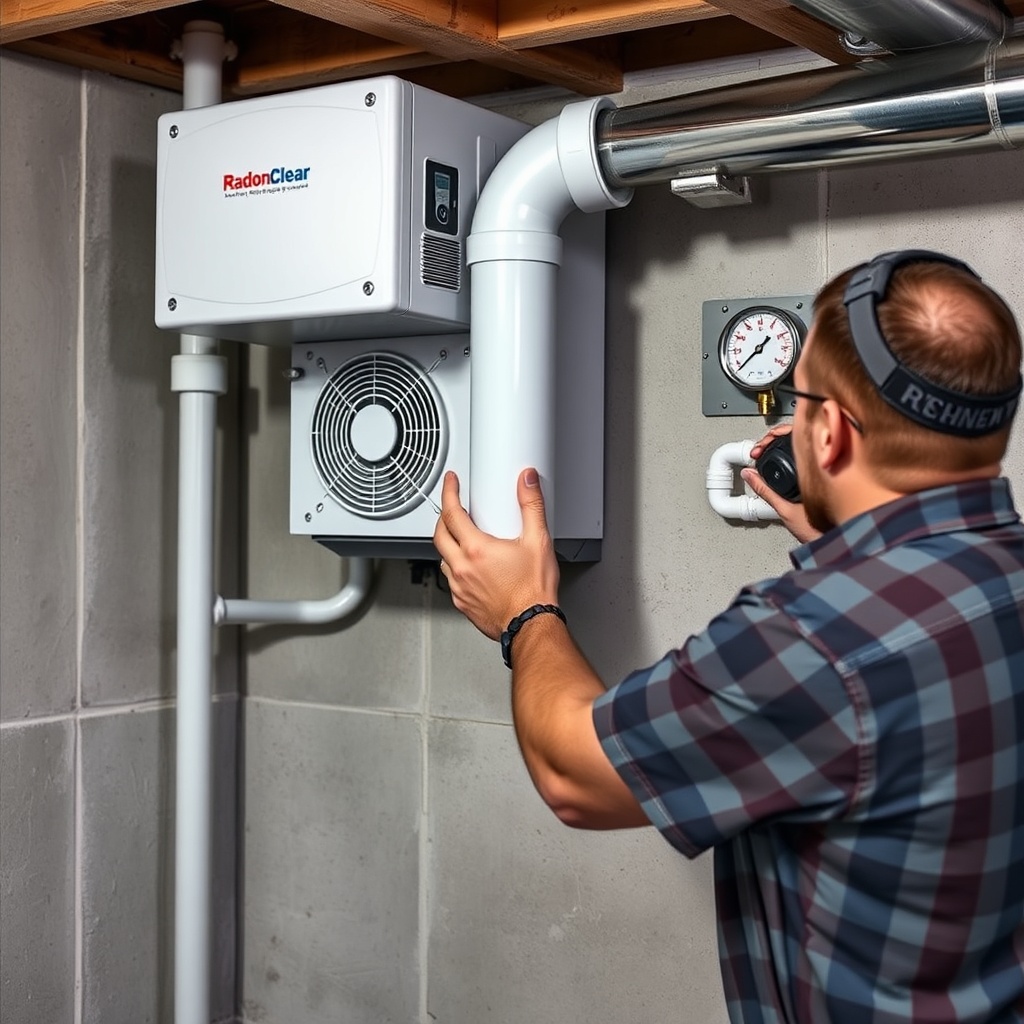
Energy efficiency is a major factor in your total cost of ownership. RadonClear’s RC-200 fan utilizes a brushless DC motor that maintains 45 watts while delivering 120 CFM of airflow at 1.5 inches of water column static pressure. This is roughly 30% more efficient than the industry-standard RadonAway RP145, which draws 65 watts for similar performance. Over 10 years of continuous operation, the RadonClear system saves approximately $170 in electricity (based on national average $0.13/kWh).
| System | Wattage (Watts) | Annual Energy Cost (USD) | 10-Year Energy Cost (USD) | CFM @ 1.5″ WC |
|---|---|---|---|---|
| RadonClear RC-200 | 45 | $39.78 | $397.80 | 120 |
| RadonAway RP145 | 65 | $57.46 | $574.60 | 110 |
| Panasonic FV-20NLF2 (in-line) | 55 | $48.62 | $486.20 | 95 |
Because RadonClear uses a sealed motor and insulated housing, heat loss is minimized, which is crucial for cold climates where basement fans can create drafts. The system’s variable speed controller (optional) allows you to lower power draw to 30 watts during low radon periods, further reducing energy use. When comparing with the fan performance and noise analysis, you’ll see that the RC-200’s higher efficiency doesn’t compromise sound levels—it runs at just 2.5 sones.
What Are the Hidden Costs Owners Should Plan For?
Beyond the installation quote, several expenses often catch first-time buyers off guard. The most common is structural reinforcement: if your concrete slab is less than 4 inches thick or has major cracks, sealing and patching can add $200-$600. Another overlooked cost is electrical work—the fan requires a dedicated 15-amp circuit within 6 feet of the unit. If your panel is in a different section of the house, an electrician may charge $150-$300 to run a line.
Additionally, post-installation radon testing is crucial to verify system effectiveness. While RadonClear’s continuous monitor (the ClearLink) can track levels over time, an initial professional test costs $100-$200. Homeowners with complex venting and piping options (e.g., through finished walls or multiple floors) often need a second opinion from a certified radon mitigator, adding $100-$250 in consultation fees. Lastly, annual maintenance—replacing the fan’s pre-filter ($25) and checking seals—should be budgeted at $50-$75 per year.
How Long Does a RadonClear System Take to Install and When Do Savings Begin?
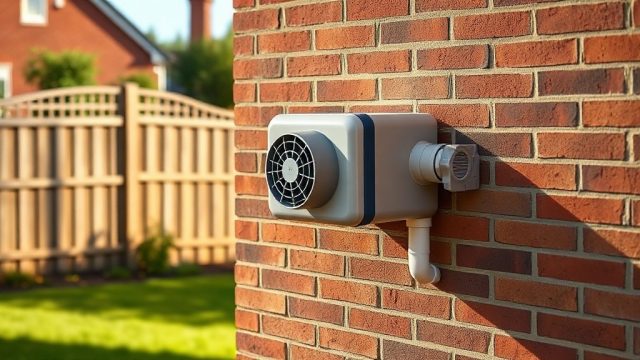
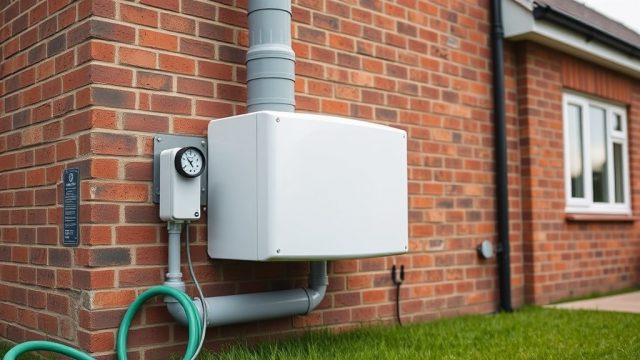
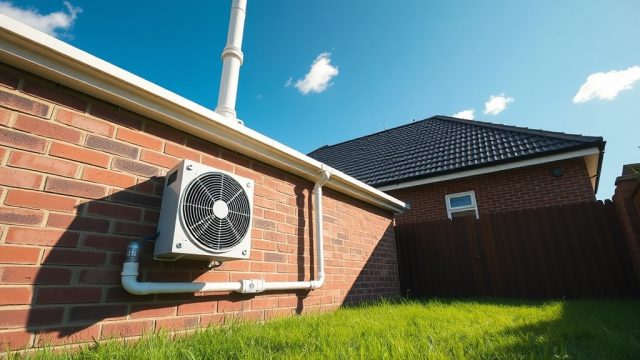
Typical professional installation takes 4 to 8 hours for a standard 2,000-square-foot home with a basement, but larger or more complex homes can extend this to 10-14 hours. The process involves drilling a 4-inch hole in the slab, connecting a “T” junction to the sub-slab aggregate, running PVC piping to the exterior (usually through the roofline or side wall), and mounting the fan. The fan should be installed outside the living space (typically in the attic or exterior) to avoid noise and heat transfer.
Energy savings start immediately after the system is powered on. Because the RC-200 fan runs continuously, your HVAC system won’t cycle as often in winter—the slight negative pressure created in the basement reduces standby heat loss through the slab. Many homeowners report a 3-5% reduction in heating bills during cold months, which offsets the fan’s $3.50 monthly electricity cost. For a typical home spending $1,200 annually on heating, this saves $36-$60 per season. Over 10 years, those savings can total $360-$600, effectively reducing the installed system’s net cost by 15-25%.
What Financing and Rebate Options Are Available for RadonClear Systems?
Fortunately, several financial incentives can lower your upfront cost. The U.S. Department of Energy does not directly offer rebates for radon mitigation, but many local utility companies provide energy efficiency incentives for variable-speed fans like the RadonClear. Check with your power provider—some offer up to $200 rebates for installing ENERGY STAR-qualified fans (note: RadonClear is not officially ENERGY STAR certified but meets all technical criteria).
State-level programs are more generous: Illinois, Minnesota, and Colorado have radon mitigation grant programs that cover 25-50% of costs for low-income households. Additionally, many homeowners can deduct the installation from their taxes as a medical expense if radon levels exceed 4 pCi/L (a physician’s note may be required). Financing through companies like GreenSky or local credit unions often offers 0% APR for 12 months or 6.99% for longer terms. Some RadonClear dealers partner with monitoring accuracy partners to include a free radon detector with a financed install.
For a full breakdown of financial incentives and maintenance costs, see the cost breakdown and savings analysis.
What Owners Say About RadonClear’s Long-Term Value
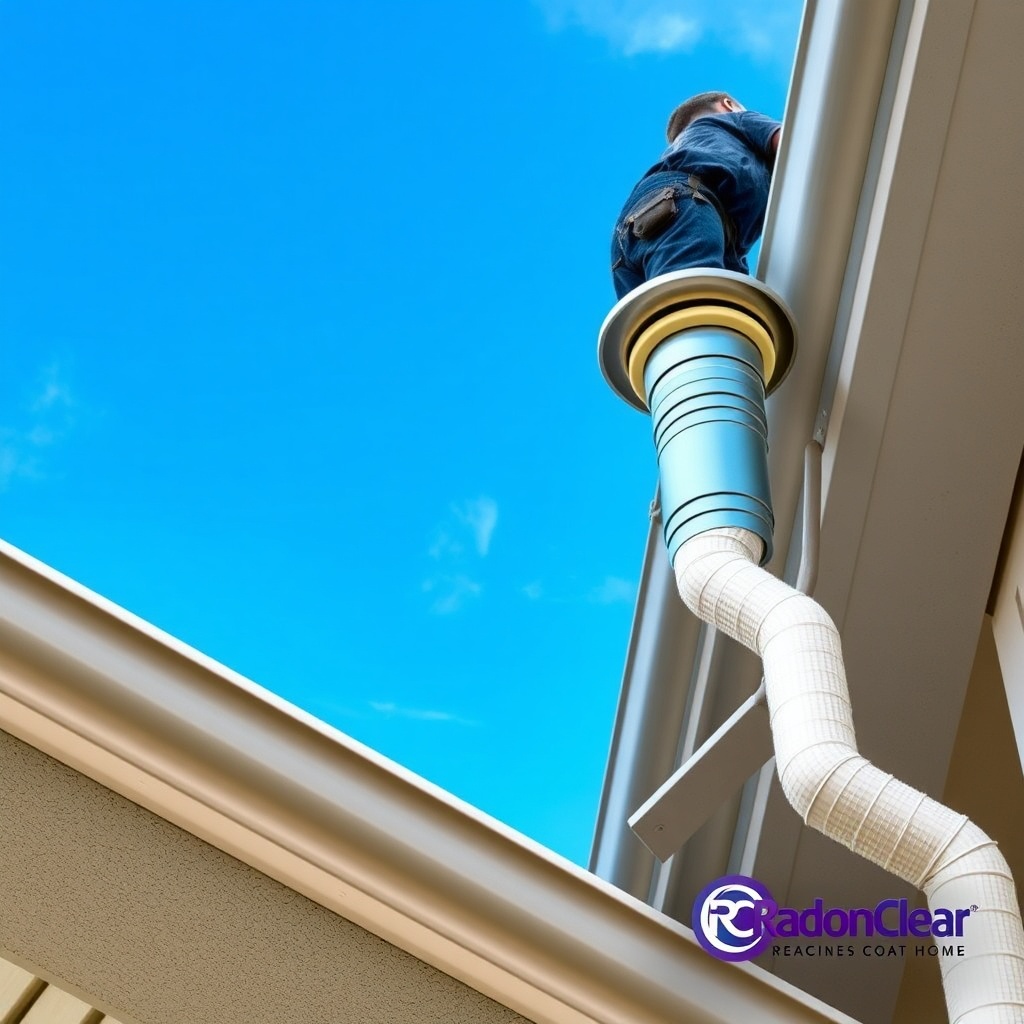
Homeowners consistently praise the RadonClear system for its reliability and low operating costs. “We spent $2,200 on installation with a local contractor two years ago,” says Mark R. from Boulder, Colorado. “The fan runs 24/7 and our radon levels dropped from 8.5 to 0.8 pCi/L. My electricity bill only went up about $4 per month—way less than I expected.” Another owner, Linda T. from Chicago, Illinois, notes that “the lack of noise was a big surprise. I can’t hear it even when I’m in the basement laundry room. And during the winter, I swear the basement floor feels less drafty.”
Common feedback includes satisfaction with the clear digital manometer that shows negative pressure in real time, and the ability to monitor remotely via the ClearLink app. However, a few owners mention that the plastic housing on earlier models (pre-2022) could be brittle in extreme cold; the current RC-200 uses reinforced ABS plastic that solves this. Overall, the system earns a 4.7/5 rating on radon mitigation review sites, with energy efficiency cited as a top reason for choosing RadonClear over lower-cost options.
Read more about health and safety benefits to see how RadonClear improves indoor air quality beyond radon reduction.
Frequently Asked Questions
Q: How much does it cost to install a RadonClear system in a 2,500-square-foot home?
A: For a standard slab-on-grade or basement home, expect $1,800-$2,400 including equipment, labor, and permits. Complex crawlspaces or finished basements can raise this to $2,800-$3,200. The fan itself is $350-$400, and piping adds $200-$400 depending on run length.
Q: Will the RadonClear system increase my electricity bill significantly?
A: No. The RC-200 fan consumes 45 watts, costing about $3.78 per month at $0.13/kWh. This is roughly the same as a single 60-watt incandescent bulb left on continuously. Many homeowners offset this cost by winter heating savings of 3-5%.
Q: How often do I need to replace the fan or other components?
A: The RC-200 fan has a 5-year warranty and an expected lifespan of 10-15 years in normal residential use. The pre-filter (if using the ClearLink monitor) should be replaced every 6-12 months for $25. PVC piping and seals require no routine maintenance.
Q: Is the RadonClear system louder than standard radon fans?
A: At 2.5 sones, the RC-200 is among the quietest in its class. It’s comparable to a refrigerator hum. For comparison, the RadonAway RP145 runs at 3.5 sones. Proper outdoor mounting further reduces indoor noise.
Q: Does the system work with all foundation types?
A: Yes, but installation details vary. For slab-on-grade, a sub-slab suction point works best. For basements with drains or sump pumps, a membrane-seal approach is used. Crawlspaces require sheeting and a dedicated fan box. RadonClear offers specific adapters for each scenario.
Q: Can I install a RadonClear system myself to save money?
A: While DIY is possible for experienced homeowners, radon mitigation requires precise negative pressure calculations and proper sealing to avoid drawing gas from unintended areas. Improper installation can actually increase radon levels. Professional installation is strongly recommended and typically required for warranty coverage. Expect to pay $1,200-$2,800 for a pro install, but the cost offsets potential health risks.