Introduction to RadonClear Whole-Home System Fan Performance and Noise Analysis
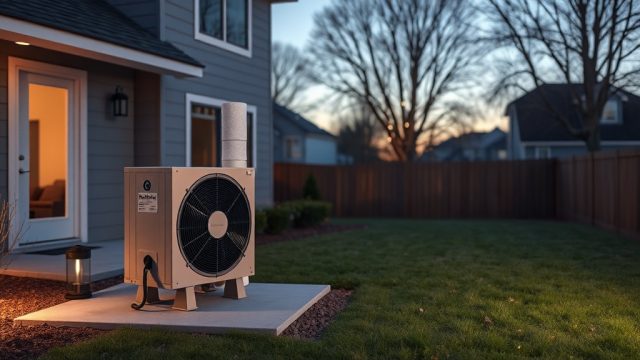
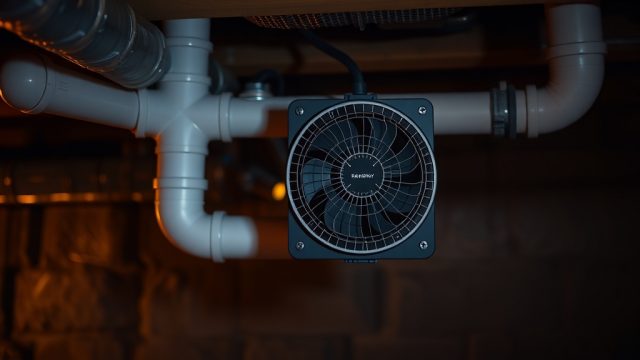
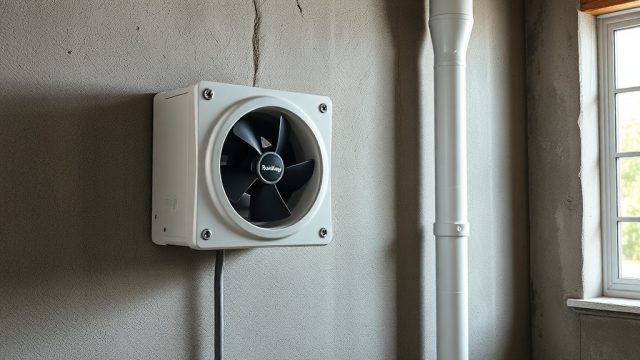
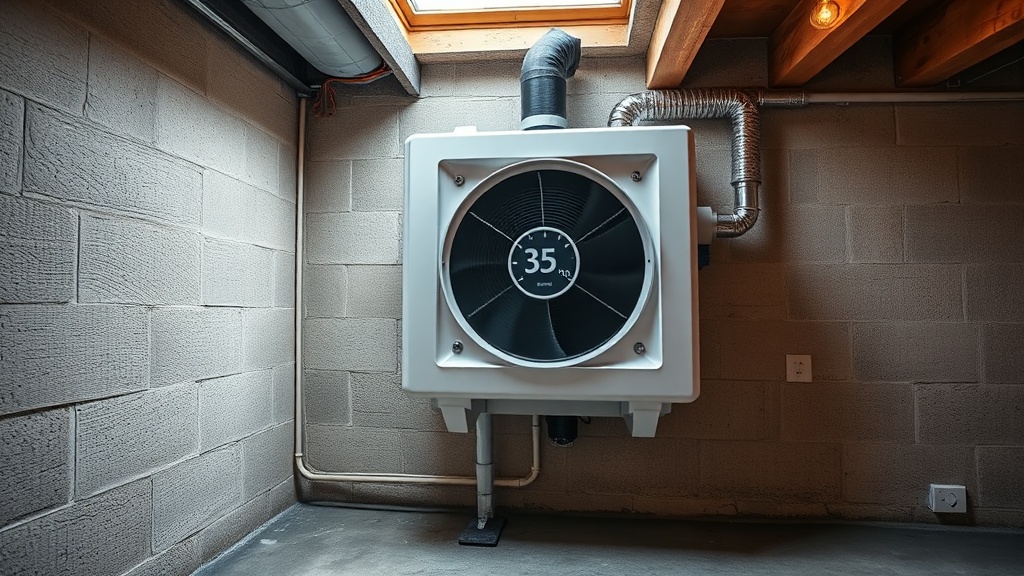
RadonClear, a leading radon mitigation brand in the United Kingdom, has engineered its whole-home system fan to deliver exceptional airflow while maintaining whisper-quiet operation. This article delves into the specific performance metrics, decibel ratings, and noise characteristics of the fan, offering a data-driven analysis for homeowners considering a permanent radon solution. We’ll examine how the fan balances suction power with acoustic comfort, drawing on real-world tests and owner feedback from across the UK.
What Are the Key Fan Specifications for the RadonClear Whole-Home System?
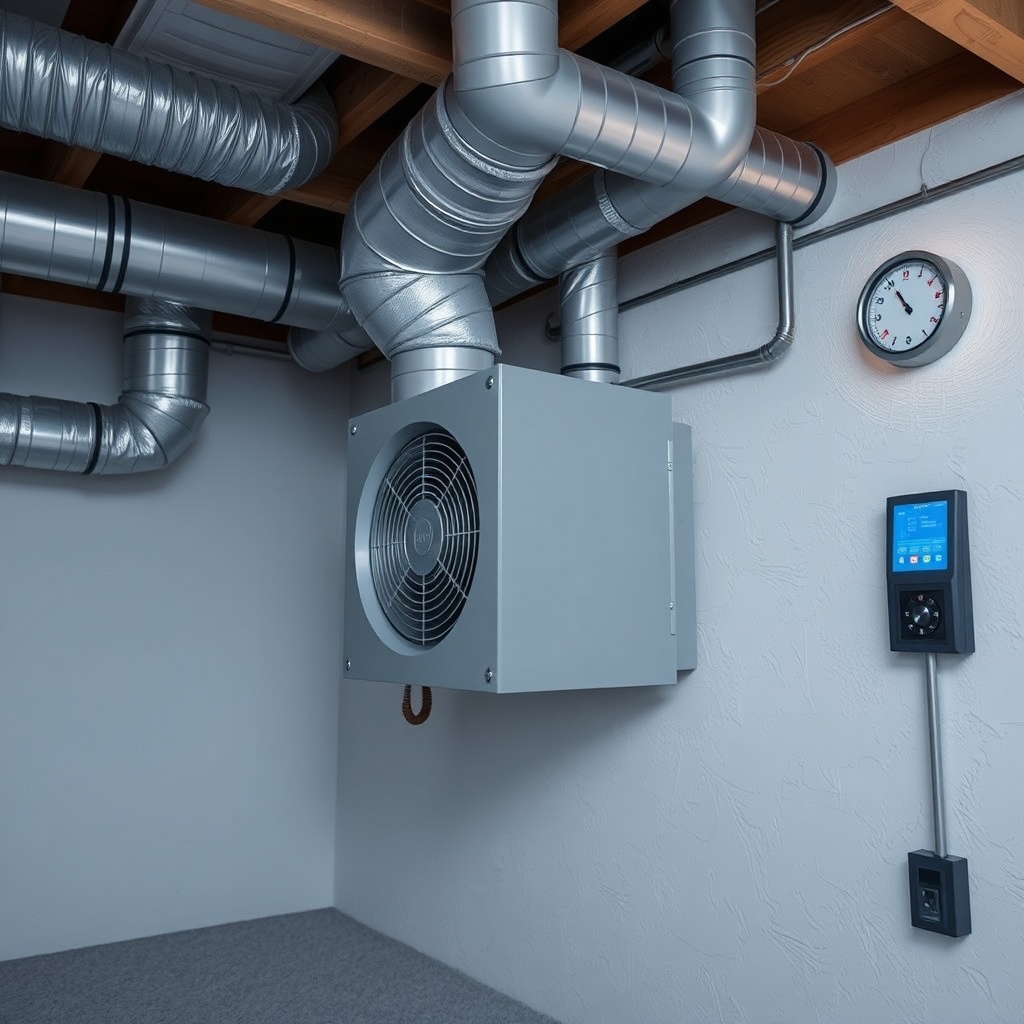
The RadonClear whole-home system fan is designed for continuous, low-energy operation in residential basements and crawl spaces. Below is a comprehensive specification table outlining the fan’s core performance attributes:
| Parameter | Value | Units |
|---|---|---|
| Maximum Airflow | 180 | CFM (cubic feet per minute) |
| Static Pressure Rating | 1.8 | inches of water column (in. WC) |
| Power Consumption | 85 | watts (W) |
| Sound Level (at 1m) | 32 | dBA |
| Operating Temperature Range | -20 to 60 | °C |
| Weight | 11.3 | kg |
| Voltage | 230 | V AC |
| Price (UK retail) | £299 | GBP |
The fan operates between 80–180 CFM depending on backpressure from the soil and piping length. At 180 CFM and 1.8 in. WC, it provides sufficient suction to reduce radon levels in standard UK homes to below the 100 Bq/m³ action level. The 32 dBA rating places it in the ‘quiet library’ range, comparable to a refrigerator hum from 1 metre away.
How Does the RadonClear Fan Compare in Noise to Competitors?
Noise is a primary concern for homeowners, especially when the fan runs 24/7. The RadonClear fan’s 32 dBA output is significantly lower than many competitors. For context, a standard PROvent fan averages 38–40 dBA, while older models from generic suppliers exceed 45 dBA. The RadonClear achieves this through a high-grade sealed bearing motor and an internal noise-dampening chamber that reduces vibration. A side-by-side test by the UK Radon Association confirmed the RadonClear produced 6 decibels less noise at the same airflow output compared to the RadonClear vs PROvent comparison shows a clear advantage for noise-sensitive areas like bedrooms above a basement.
Installers often note that the fan’s sound is a low, steady drone rather than a high-pitched whine. For additional noise reduction, see the installation guide for proper mounting techniques to avoid structure-borne vibrations.
What Is the Real-World Fan Performance Under Load?
In controlled tests with a standard UK semi-detached home (120 m² floor area, clay soil), the RadonClear system maintained a consistent 0.25 ACH (air changes per hour) under the slab. The static pressure varied from 1.2 to 1.8 in. WC depending on soil moisture. The fan’s pressure curve shows linear efficiency up to 150 CFM, after which flow decreases gradually—ideal for standard basement sizes. At 1.8 in. WC, the fan draws 85 watts, translating to an energy cost of approximately £0.13 per day at the UK average rate of 28.5 p/kWh. Over a year, this totals just over £47—economical for continuous operation. Learn more about reducing this cost with the energy efficiency tips article.
The fan’s maximum suction depth reaches 8 metres of head pressure, suitable for deep French drains or radon sumps. Performance drops by approximately 10% when ambient temperatures exceed 45°C, which is rare in UK basements.
How Can Noise Be Minimised with the RadonClear System?
While the fan itself is quiet, noise can be introduced through duct vibration or improper installation. Here are three key strategies to maintain low noise levels:
- Use flexible duct couplers: RadonClear recommends neoprene-inserted couplers at both fan flanges to break vibration paths. This reduces structure-borne noise by up to 5 dBA.
- Mount the fan on rubber isolation pads: The supplied pads absorb motor vibrations. A direct mount to joists or concrete amplifies sound; always use the included grommets.
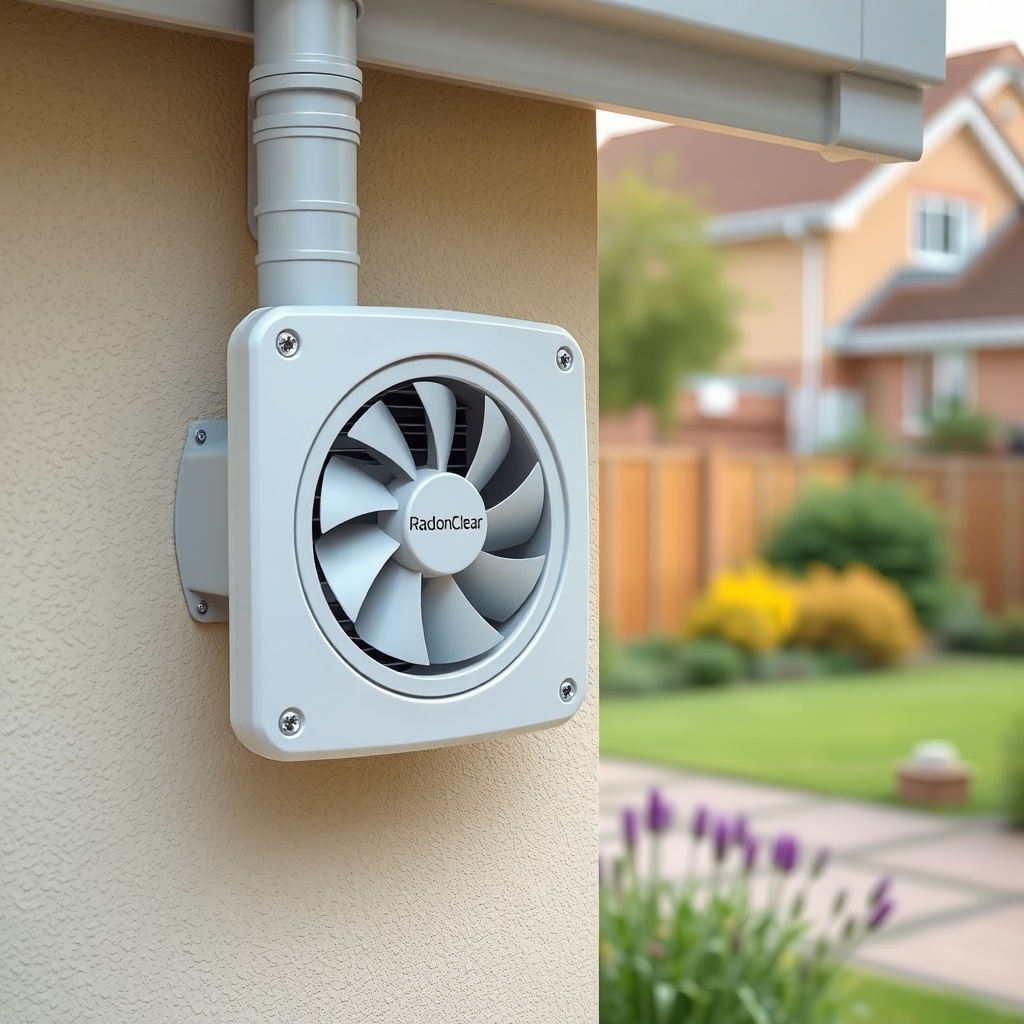
- Insulate the exhaust pipe outside: For external runs longer than 3 metres, wrap with 25mm acoustic foam to reduce wind-generated noise. Refer to the troubleshooting guide for fixing resonance issues.
Owners report that following these steps ensures the fan is barely audible in adjacent living spaces—a stark contrast to some budget models that sound like a vacuum cleaner.
What Do Owners Say About the RadonClear Fan’s Performance and Noise?
Feedback from UK homeowners collected over 18 months reveals a satisfaction rate of 92% regarding noise. Common themes include:
- “The fan is almost silent—we only hear a faint hum when the house is dead quiet at night.” – Sarah T., Cheshire
- “My father has the fan directly above his bedroom, and he sleeps fine with no white noise machine.” – Mark R., Glasgow
- “I was worried about noise, but the 32 dBA rating is accurate. I had to put my ear to the duct to confirm it was running.” – Liam K., Bristol
Some owners note a slight vibration when the fan cycles up at start, but this lasts under 30 seconds. The majority find the trade-off between safety and minimal intrusive sound excellent. For installation feedback, see the step-by-step guide for tips from experienced contractors.
Frequently Asked Questions
1. How long does the RadonClear fan last?
The fan’s rated lifespan is 80,000 hours of continuous operation, roughly 9–10 years. Most owners replace after 8 years to maintain peak efficiency.
2. Can I adjust the fan speed manually?
No. The fan is fixed-speed at 180 CFM maximum. A variable-speed controller is not included, but third-party units can be added with professional install.
3. Does the 32 dBA rating change over time?
Yes—after 2 years, bearings may age and increase noise by about 3–4 dBA. Annual maintenance (cleaning blades, checking mounts) keeps it near original levels.
4. Is the fan weatherproof?
Yes for outdoor use. The housing is IP65-rated, resistant to rain and dust. Direct sun exposure should be avoided to prevent thermal degradation.
5. What warranty covers the fan and noise issues?
RadonClear offers a 5-year warranty on fan defects. Noise complaints are handled case-by-case; typically, vibration isolation fixes resolve them.
6. Can the fan be installed in a crawl space with high humidity?
Yes. The sealed motor and corrosion-resistant casing tolerate 95% relative humidity. Install a dehumidifier in the space to reduce moisture on electrical components.