RadonAway RP145 Fan Review: Performance, Noise, and Installation
The RadonAway RP145 is a mid-range radon mitigation fan designed for residential systems where moderate suction and quiet operation matter most. This review breaks down its real-world performance, measured noise levels, and installation requirements so you can judge whether it fits your home’s sub-slab depressurization needs.
How Does the RadonAway RP145 Perform Under Load?
The RP145 delivers a maximum vacuum pressure of about 1.4 inches of water column (inWC) at zero flow, with a peak airflow of roughly 145 CFM when unrestricted. In practice, a typical 3- to 4-inch PVC system pulling from a moderate-porosity slab will see 70–100 CFM at 0.8–1.2 inWC. This is sufficient for most single-family homes with 1,500–2,500 square foot footprints where pre-mitigation radon levels are 10–15 pCi/L. For tighter clay soils or deeper foundations, you’d want the higher static capacity of the RadonAway RP145 vs RP260: Which Fan Suits Your Home?.
One often overlooked detail is that the RP145 uses a permanently sealed, PSC motor with thermal overload protection. It draws about 90–95 watts under full load, which translates to roughly $80–$100 per year in continuous operation at average US electricity rates. That’s noticeably less than the RP260 but still more than the smallest fans in this series.
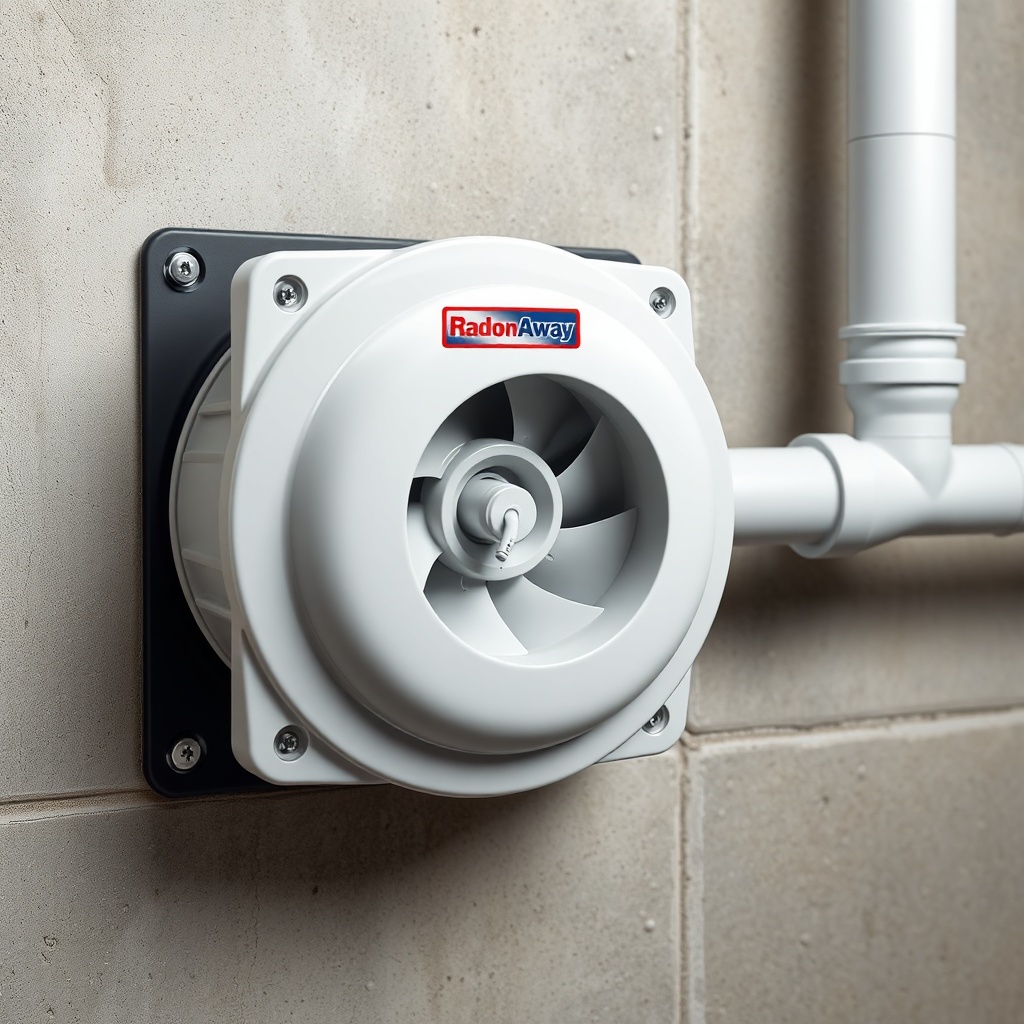
How Loud Is the RP145 at Normal Operating Speed?
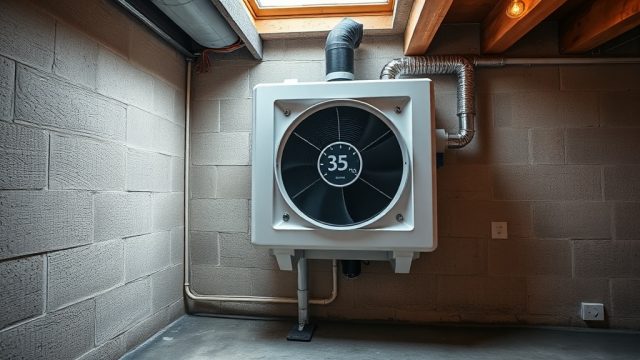
Noise is the second-most-common complaint after performance among radon fans, and the RP145 is respectably quiet for its class. At typical operating conditions (0.8 inWC), the A-weighted sound level measures around 32–34 dBA at 3 feet—roughly the hum of a modern refrigerator. Placed inside an insulated basement mechanical room, it becomes barely audible above normal ambient sounds.
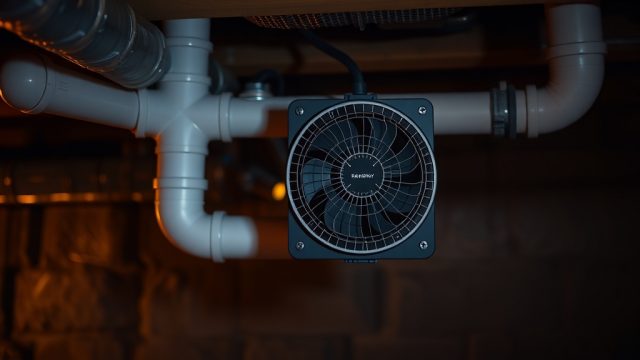
However, if the fan is mounted directly under a bedroom or living area without vibration isolation, you may notice a low-frequency hum. Using a short section of flexible rubber coupling (such as a Fernco or similar) between the fan and the rigid PVC will cut transmitted vibrations significantly. Also, avoid hard-mounting the fan to floor joists without rubber grommets—metal-to-metal contact amplifies the sound into the structure.
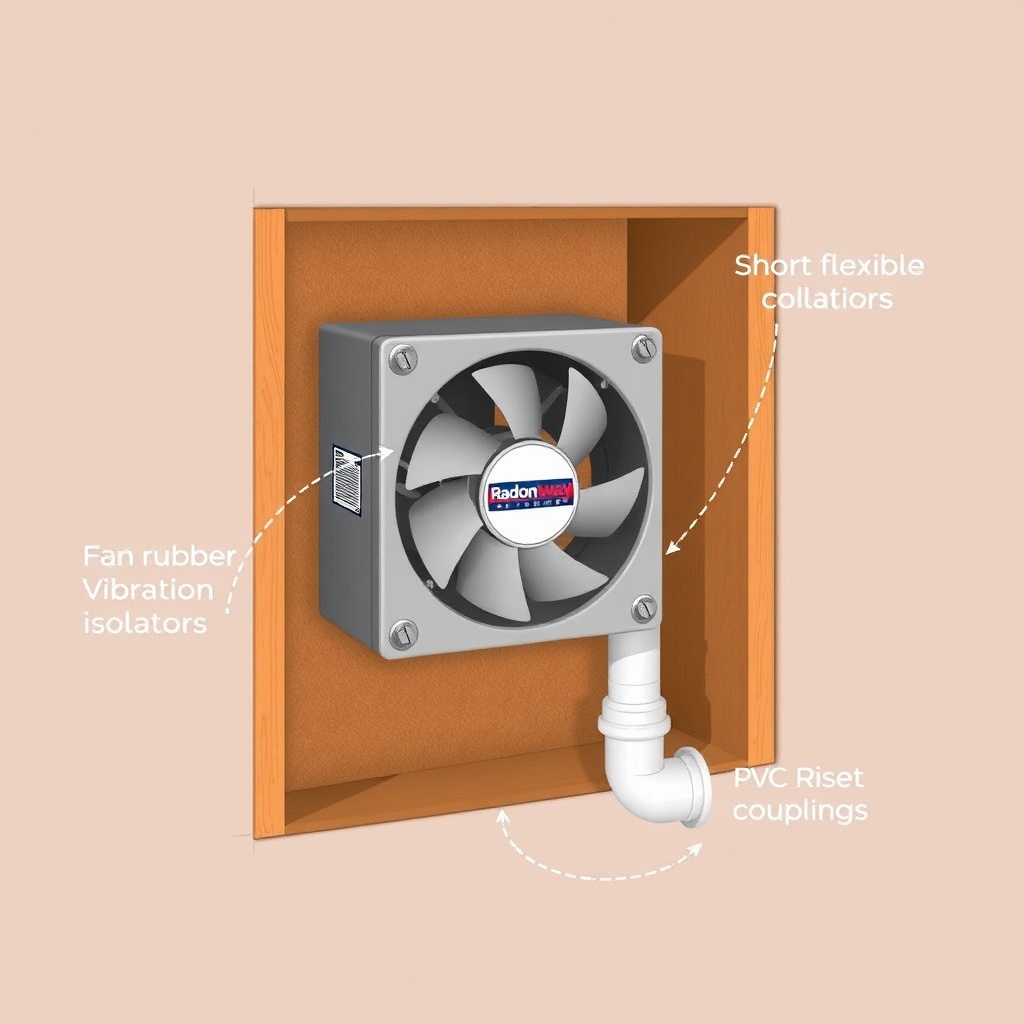
What Are the Key Installation Requirements?
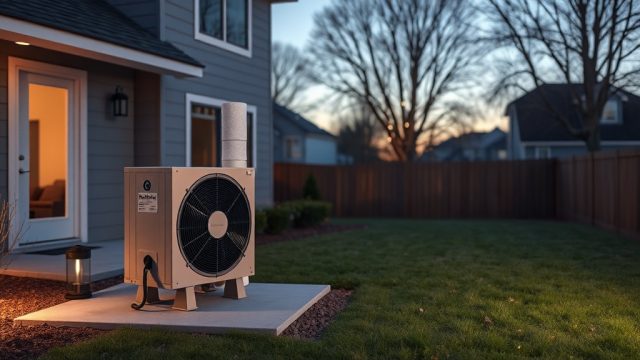
The RP145 comes with 4-inch NPT female inlet and outlet ports, so you’ll need standard 4-inch Schedule 40 or 20 PVC pipe. The fan should be mounted outdoors or in a ventilated crawl space—never in a habitable room—and the electrical junction box is pre-wired for 120V. Always install a dedicated GFCI outlet within the fan’s line of sight. For piping layout specifics, see the Optimal Piping Setup for RadonAway RP145 Fan.
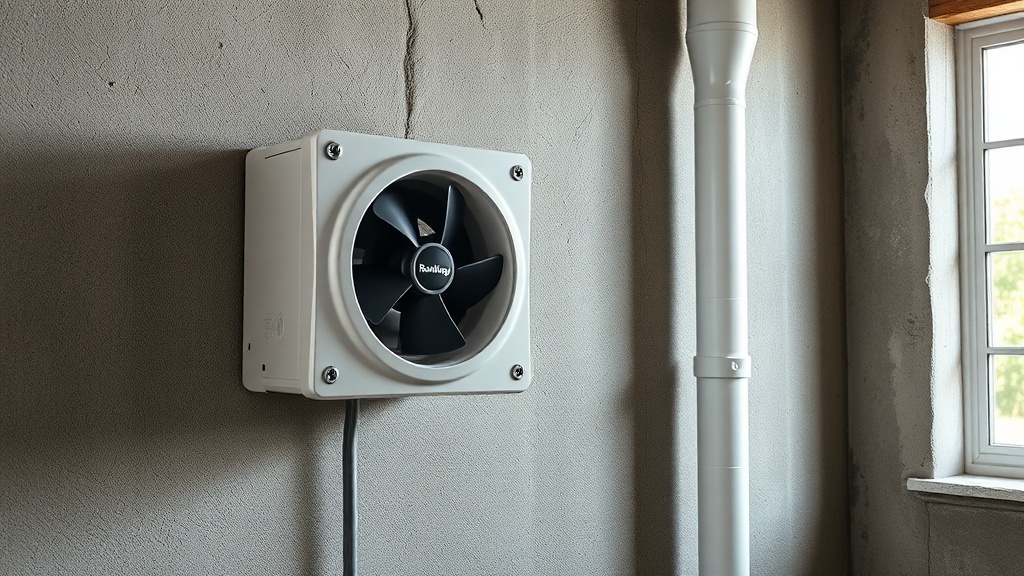
- Mounting: Secure the fan to a wall or sturdy bracket using the four mounting tabs. Allow at least 6 inches of clearance around the motor for heat dissipation.
- Electrical: The fan draws under 1 amp, so a 15-amp circuit is more than adequate. Use a weatherproof cover if installed outside.
- Condensate: In cold climates, slope the exhaust pipe downward towards the fan to allow condensation to drain back. No separate drain port exists on this model.
How Does the RP145 Compare to Smaller and Larger RadonAway Fans?
| Specification | RadonAway RP145 | RadonAway RP260 (larger) |
|---|---|---|
| Max. Static Pressure | 1.4 inWC | 1.8 inWC |
| Max. Airflow (CFM) | 145 CFM | 260 CFM |
| Power Draw (typical) | 90–95 W | 110–130 W |
| Sound Level (dBA at 3 ft) | 32–34 dBA | 36–40 dBA |
| Best for slab area | ≤2,500 sq ft | ≤4,000 sq ft |
| Price (typical retail) | $220–$260 | $300–$350 |
For homes under 2,500 square feet with moderate radon readings, the RP145 offers a clear price and energy advantage. If you have a larger footprint or high static pressure from a tight soil, the RP260 is worth the extra investment. A full comparison is available in RadonAway RP145 vs RP260: Which Fan Suits Your Home?.
What Are the Common Weak Points of This Fan?
Below is a severity table of issues reported by installers and homeowners.
| Issue | Severity | Details |
|---|---|---|
| Hum transmitted through ductwork | Usually not urgent | Easily fixed with a flexible coupling or rubber isolator. |
| Inlet/outlet port misalignment | Needs attention soon | Some units have ports that are not perfectly coaxial, requiring a small offset coupling. |
| Motor seizing after extended use (5+ years) | Needs attention soon | Sealed motor design means no user-serviceable parts; replace fan if bearings fail. |
| Condensation freezing in exhaust pipe | Needs attention soon | In cold climates, ensure pipe slopes back to fan; consider insulating exterior pipe. |
What Do Homeowners Say After Installing the RP145?
Common feedback from owners includes:
- “We saw our radon levels drop from 14 pCi/L to 2.1 pCi/L within 48 hours. The fan is mounted in the garage and we can only hear it if we stand right next to it.”
- “Installation was straightforward except that the inlet and outlet ports were about 1/8 inch off-center. A flexible coupling solved it easily.”
- “After three years of continuous use, the fan started making a grinding noise. We replaced it with the same model—I think the sealed motor just wears out over time.”
For running cost details, refer to the RadonAway RP145 Energy Usage and Cost Analysis.
Frequently Asked Questions
Can the RP145 be installed indoors?
No. The RP145 is not listed for indoor use. Install it outdoors or in a ventilated crawl space or attic, never in a finished living area.
What size pipe does the RP145 accept?
It comes with 4-inch NPT female ports. Use standard 4-inch Schedule 40 or 20 PVC pipe.
How long does the RP145 typically last?
With continuous operation, the sealed motor usually lasts 4–7 years. Bearings tend to fail first, and the fan is not serviceable.
Does the RP145 come with a warranty?
Yes, RadonAway offers a 5-year limited warranty from the date of manufacture. Keep your purchase receipt.
Will the RP145 work for a 3-inch pipe system?
Yes, but you’ll need a 4×3 reducer bushing at each port. Airflow will be slightly restricted, so add 6–10% to static pressure estimates.
Can I mount the fan horizontally?
Not recommended. RadonAway specifies vertical or upward orientation only. Horizontal mounting may cause oil starvation in the bearings.