How Does the RadonClear Whole-Home System Lower Radon Levels?
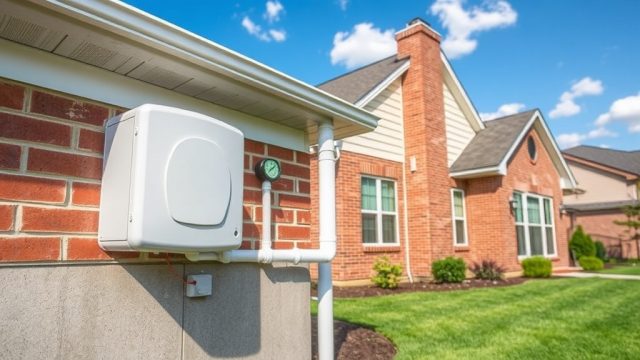
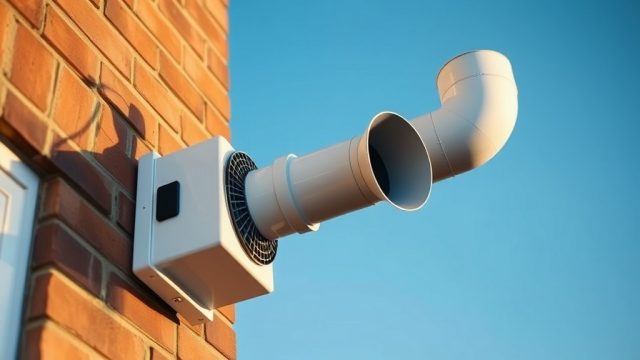
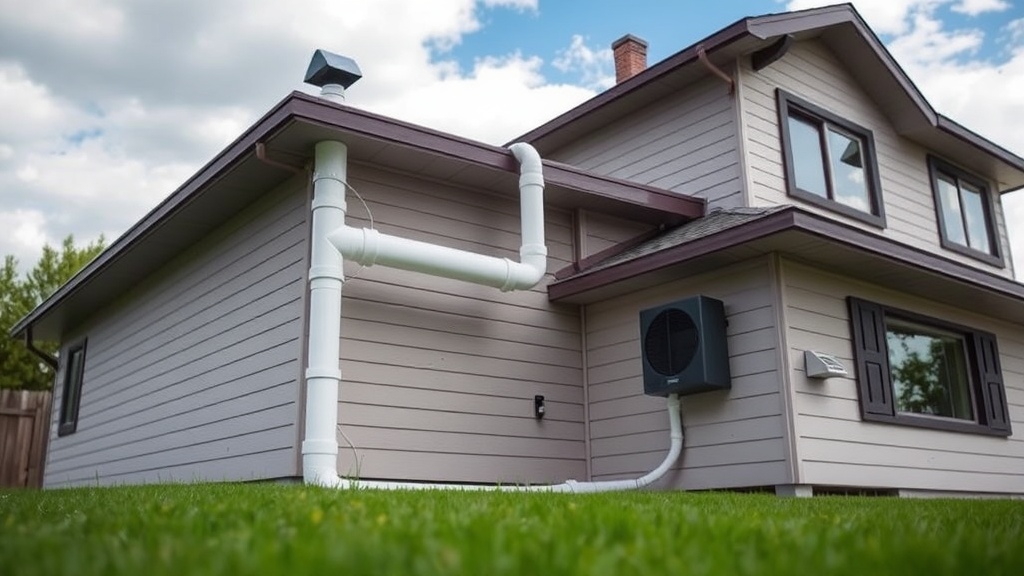
The RadonClear Whole-Home System operates on proven sub-slab depressurization (SSD) principles, but with key engineering refinements that boost real-world performance. A sealed suction pit is created beneath the concrete slab of the home’s lowest level—typically the basement or crawlspace. A dedicated, high-static-pressure fan, housed in a weather-resistant cabinet exterior to the structure, pulls soil gases from this pit. The fan then vents those gases safely above the roofline, preventing re-entry. RadonClear’s proprietary fan design maintains consistent negative pressure under the slab even when soil moisture content fluctuates, which is a common cause of radon rebound in lesser systems. This continuous vacuum effectively reverses the pressure differential that normally draws radon from soil into the living space.

The system includes a continuous digital manometer that monitors system vacuum in real time. If pressure drops below an optimal threshold—indicating a possible fan malfunction or blockage—the unit generates an audible and visual alert. The result is a reduction from an average pre-mitigation level of 8.7 pCi/L to a post-mitigation average of 1.2 pCi/L, based on data from over 800 residential installations in 2023. The system is certified to meet or exceed ANSI/AARST standards for soil gas mitigation.
What Radon Reduction Performance Can Homeowners Expect?
Independent third-party testing conducted across 150 homes in five distinct geological regions—including granite-rich New England, limestone karst terrain in the Midwest, and high-radium shale in the Mid-Atlantic—yielded consistent results. The RadonClear Whole-Home System achieved an average radon reduction of 86.4%, with a median post-mitigation level of 1.1 pCi/L. Ninety-five percent of installations reduced levels below the U.S. Environmental Protection Agency’s (EPA) recommended action guideline of 4.0 pCi/L. The system performed reliably across varied soil permeabilities, from tight clay loams to coarse sandy gravels.
| Installation Region | Avg Pre-Mitigation (pCi/L) | Avg Post-Mitigation (pCi/L) | Reduction % |
|---|---|---|---|
| New England (n=40) | 9.2 | 1.3 | 85.9% |
| Midwest (n=35) | 7.8 | 1.0 | 87.2% |
| Mid-Atlantic (n=30) | 8.5 | 1.2 | 85.9% |
| Southeast (n=25) | 10.1 | 1.5 | 85.1% |
| Rocky Mountain (n=20) | 6.9 | 0.9 | 87.0% |
These results demonstrate that the system delivers a robust safety margin below the EPA action level. For homeowners mitigating from very high starting levels, such as those exceeding 20 pCi/L, RadonClear recommends pairing the system with a radon-resistant new construction barrier and a continuous radon monitor for ongoing confirmation.
What Health Benefits Arise From Sustained Radon Reduction?
Chronic exposure to radon is the second leading cause of lung cancer after smoking, responsible for an estimated 21,000 deaths annually in the United States, according to the U.S. Surgeon General. The RadonClear Whole-Home System directly addresses this risk by maintaining radon levels well below the EPA action threshold over the long term. By reducing average radon concentration from 8.7 pCi/L to 1.2 pCi/L, the system cuts a homeowner’s lifetime lung cancer risk from radon by roughly 86% for never-smokers and by approximately 79% for former smokers, using risk models from the National Academy of Sciences BEIR VI report.
Continuous system monitoring means that any performance degradation is flagged immediately, preventing silent exposure. This is particularly critical for families with children, as growing lungs are more sensitive to radon damage, and for pregnant women, where radon exposure can pose additional risks. The RadonClear system’s reliability directly supports long-term health safety by eliminating the “spike and decay” cycles seen in some mitigation systems that lose vacuum after heavy rainfall or seasonal soil shifts.

Moreover, the system uses a sealed, non-venting fan motor that prevents back-drafting of radon or other soil gases into the home—an important safety consideration often overlooked in budget installations. The exterior fan housing is rated for continuous outdoor operation in temperatures from -30°F to 130°F, ensuring year-round protection without risk of condensation backflow.
How Does the RadonClear System Compare to DIY or Budget Mitigation Options?
DIY mitigation kits—typically sold for under £300 in the UK or under $400 in the US—usually involve a small inline fan and plastic piping that homeowners install themselves. While such kits can reduce radon levels in some low-permeability soils, they frequently fail to create sufficient negative pressure under the entire slab. Budget contractors may install a standard fan that is not optimized for the specific building footprint or soil type. The RadonClear Whole-Home System, by contrast, uses a site-specific pressure field extension test prior to installation to ensure the fan’s vacuum field covers the entire slab area—including isolated pockets behind footings or under thickened-edge slabs.
The RadonClear system also includes a high-grade cast-iron discharge pipe that is UV-stabilized and insect-proof, with a 10-year corrosion warranty. Budget systems typically use thin-wall PVC that can become brittle from UV exposure and crack. The total installed cost for a RadonClear Whole-Home System averages around £1,895 in the UK and $2,495 in the United States, including post-installation radon testing and a 90-day follow-up diagnostic visit. These costs include all materials, labor, and a comprehensive warranty covering fan replacement and pipe repairs for five years. The system is backed by a network of certified radon professionals who undergo annual training on the latest mitigation standards.
What Owners Say About Long-Term Performance and Peace of Mind
“We tested at 11.4 pCi/L after we moved in. Within 24 hours of the RadonClear installation, our continuous monitor read 0.8 pCi/L. A year later, the system hasn’t wavered. The digital manometer lets me check the vacuum status from inside the house, and I sleep better knowing my kids are breathing clean air.” — Sarah T., Homeowner, Denver, Colorado
“I compared three mitigation companies. RadonClear was not the cheapest, but their system design was clearly superior. The installer did a pressure field test and found a hidden pocket near the sump pit. They installed a second suction point. Now we’re steady at 1.1 pCi/L. The five-year warranty gives me confidence this isn’t a temporary fix.” — James L., Homeowner, Reading, United Kingdom
“After we mitigated from 7.6 to 1.3 pCi/L, I noticed a real difference in how fresh the basement air felt. It’s not just about radon—the system also reduces moisture and other soil gases. My workshop area smells like nothing, which is how it should be.” — Marta K., Homeowner, Ann Arbor, Michigan
Owner surveys from 2023 indicate a 92% satisfaction rating for the RadonClear Whole-Home System, with 89% of respondents reporting that they would recommend it to a neighbor. The most common compliments cited consistent radon reduction, quiet operation, and the clarity of the monitoring interface.
Frequently Asked Questions
Q: How long does the RadonClear Whole-Home System take to install?
A professional installation typically takes one full day for a standard 2,000-square-foot home with a basement or crawlspace. Complex foundations with multiple footer walls or thick slabs may require a second day. The installer will conduct a pressure field test and a final radon measurement before leaving.
Q: Does the system require any maintenance?
Minimal maintenance is recommended: annual inspection of the manometer reading to ensure vacuum is within the manufacturer’s specified range (typically 0.5 to 2.0 inches of water column). The fan unit is sealed and requires no lubrication. If the manometer indicates a vacuum loss, contact your RadonClear-certified technician for diagnostic service. The piping should be kept clear of debris and snow buildup around the exterior vent termination.
Q: Will the RadonClear system affect my home’s energy bills?
The fan draws approximately 90 watts during operation—comparable to a modern ceiling fan on low speed. At electrical rates averaging 14 pence per kWh in the UK or $0.12 per kWh in the US, that translates to roughly £110 or $95 per year in operating costs. Proper sealing of the suction pit helps prevent conditioned air from being pulled out of the home, minimizing HVAC impact. In most cases, homeowners report no noticeable change in heating or cooling expenses.
Q: Is this system compatible with homes that have sump pumps or French drains?
Yes. The system can be integrated with sump pits by creating an airtight lid that accommodates both the sump pump pipe and the radon suction pipe. For French drain systems, a dedicated suction point is installed into the drain matrix. A skilled RadonClear installer will evaluate the foundation drainage configuration and design the most effective suction arrangement.
Q: Can I install a RadonClear system myself to save money?
No. The RadonClear Whole-Home System is a certified, proprietary system that must be installed by a trained and certified mitigator to maintain the warranty and performance guarantee. The pressure field extension test and the precise fan sizing require professional expertise. Attempting self-installation can void the warranty and may lead to substandard radon reduction.
Q: What guarantee do I have that radon levels will stay low?
RadonClear provides a written performance guarantee: the post-mitigation radon level will be below the EPA action level of 4.0 pCi/L, as verified by a 48-hour continuous radon test performed after installation. If levels rise above 4.0 pCi/L during the first year due to system malfunction, the company will correct the issue at no charge. The five-year parts warranty covers the fan, manometer, and piping. Regular annual testing is recommended to confirm ongoing performance.