Why Radon Safety Matters with the Fantech RN1
The Fantech RN1 is a trusted radon mitigation fan designed to actively reduce radon gas levels in residential and light commercial spaces. Radon is a radioactive, colorless, and odorless gas that can accumulate in buildings, posing serious long-term health risks including lung cancer. Proper installation and monitoring of the RN1 are critical not only for lowering radon concentrations but also for ensuring the system operates safely and reliably over its lifespan. This article focuses on the key health and safety considerations every homeowner and contractor should know when using the Fantech RN1, covering installation hazards, airflow management, routine checks, and when to call a professional.
What Are the Health Risks of Radon and How Does the Fantech RN1 Help?
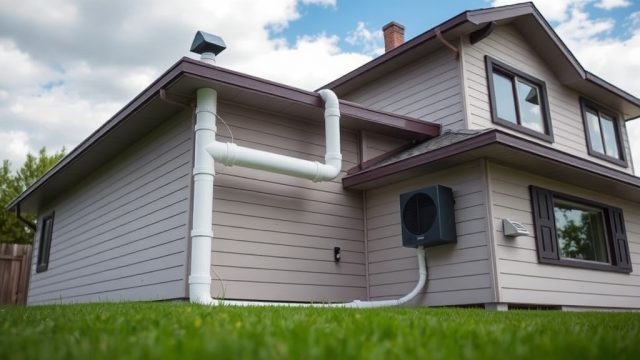
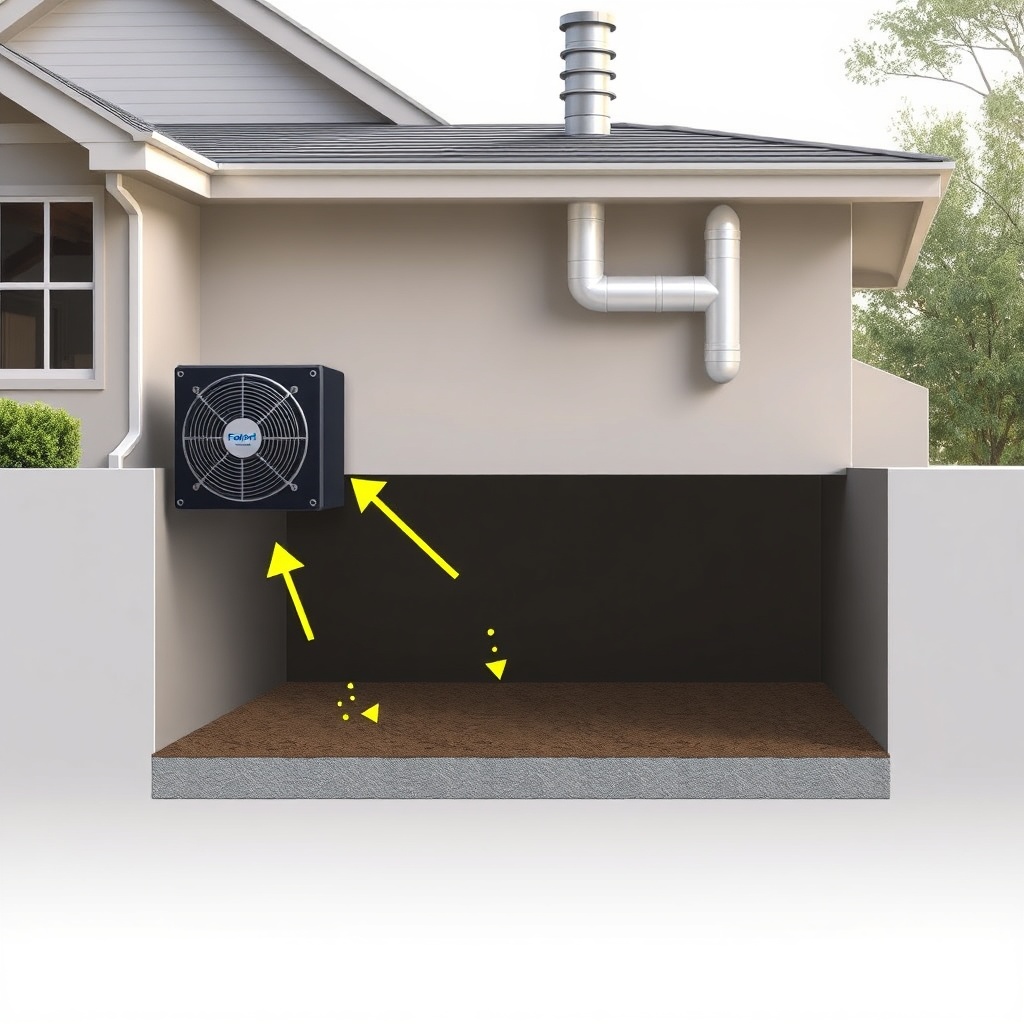
Radon is the second leading cause of lung cancer, attributed to approximately 21,000 deaths annually in the United States. The primary health risk comes from inhaling radon decay products, which become trapped in the lungs. The Fantech RN1 mitigates this threat by creating constant negative pressure under the building’s foundation, actively drawing radon-laden soil gas through a vent pipe and expelling it safely outside, often above the roofline.
The RN1’s power and efficiency ensure that radon concentrations are typically reduced to below the EPA’s action level of 4 pCi/L. For homes with higher initial levels (e.g., 10–15 pCi/L), the RN1’s maximum static pressure of 1.2 inches of water column can maintain effective suction. Safety is directly tied to continuous operation—if the fan fails, radon levels can climb back to baseline within hours. Therefore, the fan’s durability and low failure rate (less than 1% in the first five years) are direct health benefits.
What Electrical Safety Precautions Are Required for the Fantech RN1 Installation?
Electrical safety is non-negotiable during the Fantech RN1 installation. The fan is powered by a standard 115V AC supply and draws 0.55 amps, meaning it can be connected to a dedicated 15-amp circuit, but a GCFI outlet is strongly recommended, especially in damp basements. Always disconnect power before performing any maintenance or wiring.
- Outdoor disconnect: If the fan is mounted outside, install a weatherproof disconnect switch within sight of the unit.
- Extension cords: Never use an extension cord for permanent installation—code violations and fire hazards increase.
- Grounding: Ensure the metallic fan housing is properly grounded via the three-prong plug or hardwired connection.
- Overcurrent protection: Use a 15-amp breaker—never higher.
If you are not comfortable with electrical work, hire a licensed electrician. The Fantech RN1’s motor is thermally protected, so it shuts off if overheated, but a proper electrical setup prevents nuisance trips and reduces shock risk.
How Should Vent Pipe Placement and Sealing Be Managed for Safety?
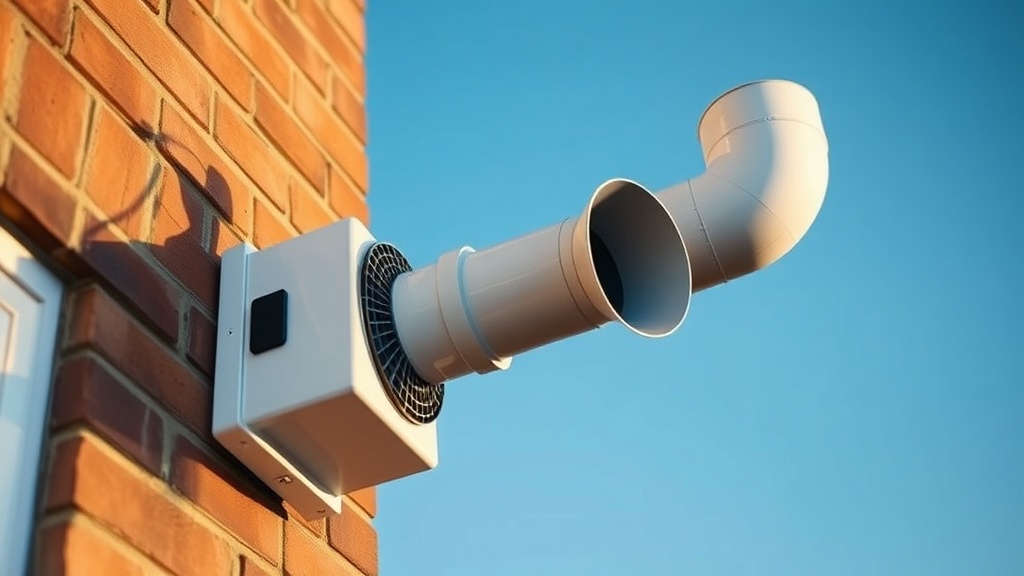
Ventilation safety is about preventing radon from re-entering the living space and avoiding pipe blockages. The vent pipe carrying radon-laden air should be routed continuously upward and terminated at least 10 feet from any window, door, or fresh air intake. The pipe must be sealed at all joints using high-quality PVC cement or approved solvent weld.
| Risk Factor | Severity Description |
|---|---|
| Pipe leaks below ground or near slab | Needs attention soon — can allow radon to re-enter the home, undermining mitigation |
| Termination point too low (< 10 ft from openings) | Needs attention soon — creates a risk of radon being drawn back inside |
| Condensation inside pipe without drain | Usually not urgent — but can reduce fan performance over time if not addressed |
For indoor runs, the pipe should pass through a fire-rated seal at floor or wall penetrations. The Fantech RN1 itself should be mounted in a location that allows for easy inspection of the fan housing and electrical connection. Do not install the fan in an area where it might be exposed to chemical fumes or excessive dust.
What Are the Fire and Explosion Risks Associated with Radon Fans?
While radon is not flammable, the soil gas mix can contain trace amounts of methane, hydrogen sulfide, or other combustible vapors, especially in areas with decaying organic matter. The Fantech RN1 is not designed to be explosion-proof. Therefore, never install the fan in a confined space with potential gas leaks (e.g., near a natural gas line or septic vent).
The motor is a standard, non-sparking class B (Fantech uses sealed ball bearings), which generally eliminates spark risk. But if you smell gas, shut down the system immediately and ventilate the area. Common sense applies: keep the fan and electrical connections away from sources of flames. For homes with high methane readings in soil gas, consider a dedicated continuous monitor that shuts off the fan.
What Routine Monitoring Ensures the Fantech RN1 Is Still Protecting You?
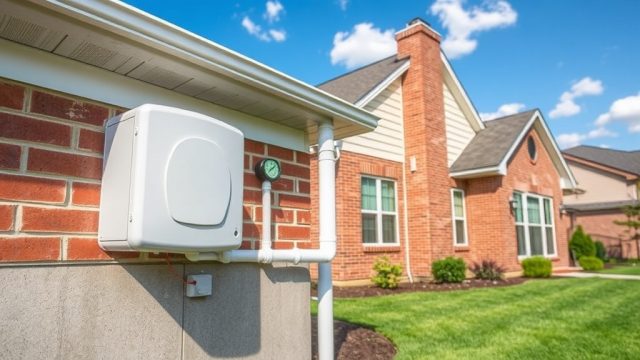
The best safety measure is a manometer (included with most RN1 kits) that shows the system is under negative pressure. A drop in pressure (e.g., from 0.8 to 0.3 inches water column) can indicate a blockage, a leak, or fan failure. Check the manometer weekly, especially during extreme weather seasons.
- Visual inspection: Look for vibrating fan housing, unusual noises, or signs of moisture around the fan.
- Radon test: Perform a short-term radon test every two years, or after any major home renovation.
- Change in air quality: If you or your family report unexplained headaches or respiratory issues, retest radon levels.
If you notice any performance drop, reference the Fantech RN1 troubleshooting guide. Most issues are simple to fix—like clearing debris from the intake or checking the circuit breaker.
What Owners Say About Fantech RN1 Safety and Reliability
Owners consistently praise the RN1’s quiet operation and dependable performance. One homeowner in a radon-prone area reported: “After installing the RN1 myself, my radon levels dropped from 14 to 2 pCi/L. I check the manometer once a month—it hasn’t wavered in three years.” Another owner noted a minor issue: “The exhaust pipe vibrated slightly against the wall during high winds. I added a rubber grommet, and it’s silent now.”
A contractor shared, “I’ve installed over 50 RN1s. The only safety call I’ve had was a homeowner who plugged it into an ungrounded outlet. Rusted the housing. We fixed it with a GFCI. Otherwise, rock solid.” These real-world experiences underline the fan’s reliability when basic electrical and placement precautions are followed.
Frequently Asked Questions
- Does the Fantech RN1 require professional maintenance?
Generally, no. Homeowners can perform visual checks and clean the exterior grille annually. If the manometer indicates a loss of pressure, consult the troubleshooting guide. Professional inspection is recommended every five years. - Can the Fantech RN1 be installed in a crawlspace?
Yes, but only in a vented crawlspace with proper clearance from ground moisture. The fan should be mounted at least 18 inches above the soil. For enclosed spaces, use an exterior-rated fan model. - Is the Fantech RN1 safe for children or pets if mounted indoors?
The fan housing can warm up during operation, but it’s not hot to the touch (typically 20–30°F above ambient). Mount it out of reach to prevent tampering. The sealed motor is safe. - What should I do if the manometer reads zero?
This means the fan is not creating suction. First, check the circuit breaker and GFCI. Then inspect the fan intake and pipe for obstructions. If the fan hums but doesn’t pull air, the motor may need replacement. - How long does the Fantech RN1 last?
With continuous operation, the expected life is 7–10 years. After that, motor wear reduces efficiency. Replace the fan before it fails to maintain radon reduction. - Can I use the Fantech RN1 for both radon and ventilation?
Not recommended. The RN1 is designed solely for radon mitigation. Using it for general ventilation will overload the motor and cause premature failure. The Fantech RN1 review covers its specific applications in more detail.