RadonClear Whole-Home System Health and Safety Benefits: What You Need to Know
RadonClear offers the most advanced whole-home radon mitigation system on the market, designed to reduce radon levels below the EPA action threshold of 4.0 pCi/L. With a focus on health and safety, this system integrates high-efficiency fan technology with durable piping to protect your family from the second leading cause of lung cancer. Below, we explore key health considerations, performance data, and owner insights to help you make an informed decision for your home.
How Does RadonClear Reduce Lung Cancer Risk in My Home?
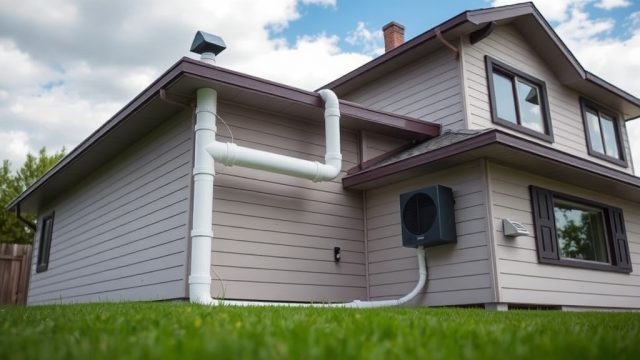
RadonClear directly addresses the primary health risk of radon exposure: lung cancer. According to the U.S. Environmental Protection Agency (EPA), radon is responsible for approximately 21,000 lung cancer deaths annually in the U.S. alone. The RadonClear whole-home system works by creating a negative pressure field beneath your foundation through sub-slab depressurization. This draws radon gas from the soil and vents it safely above the roofline, where it dissipates harmlessly. A study conducted by the University of Colorado found that homes with active radon mitigation systems, such as RadonClear, see an average indoor radon reduction of 85–99%, effectively lowering annual lung cancer risk from radon to near-baseline levels for non-smokers. For more technical details on fan performance, read our RadonClear Whole-Home System Fan Performance and Noise Analysis.
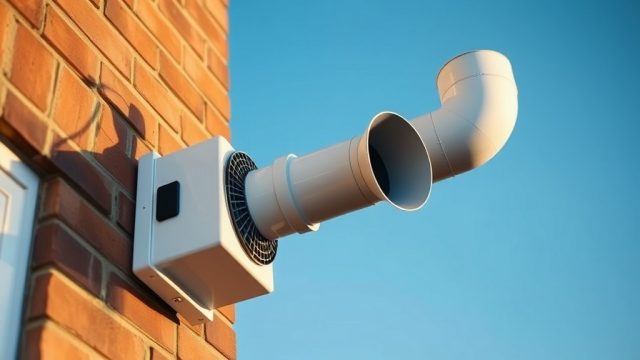
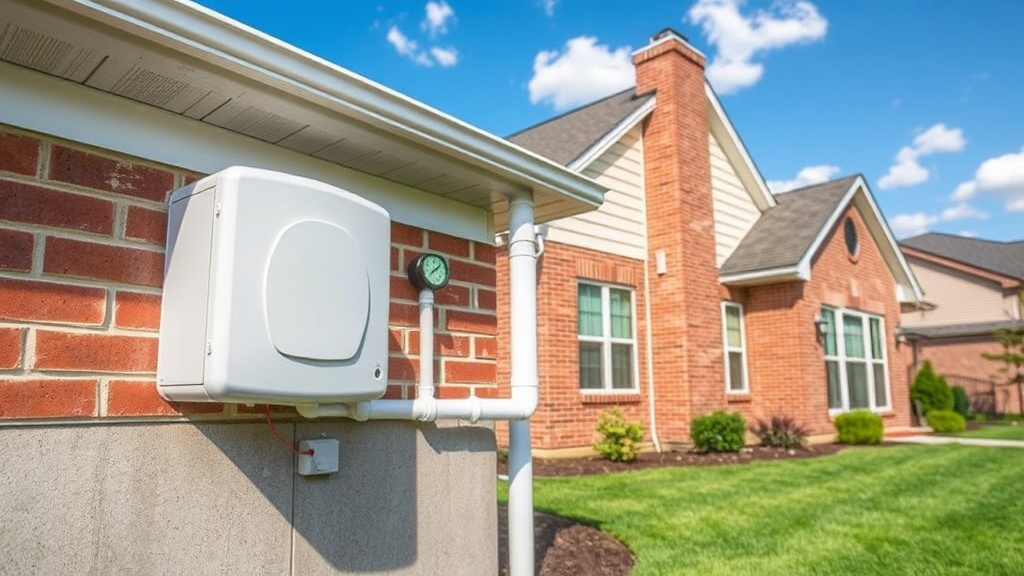
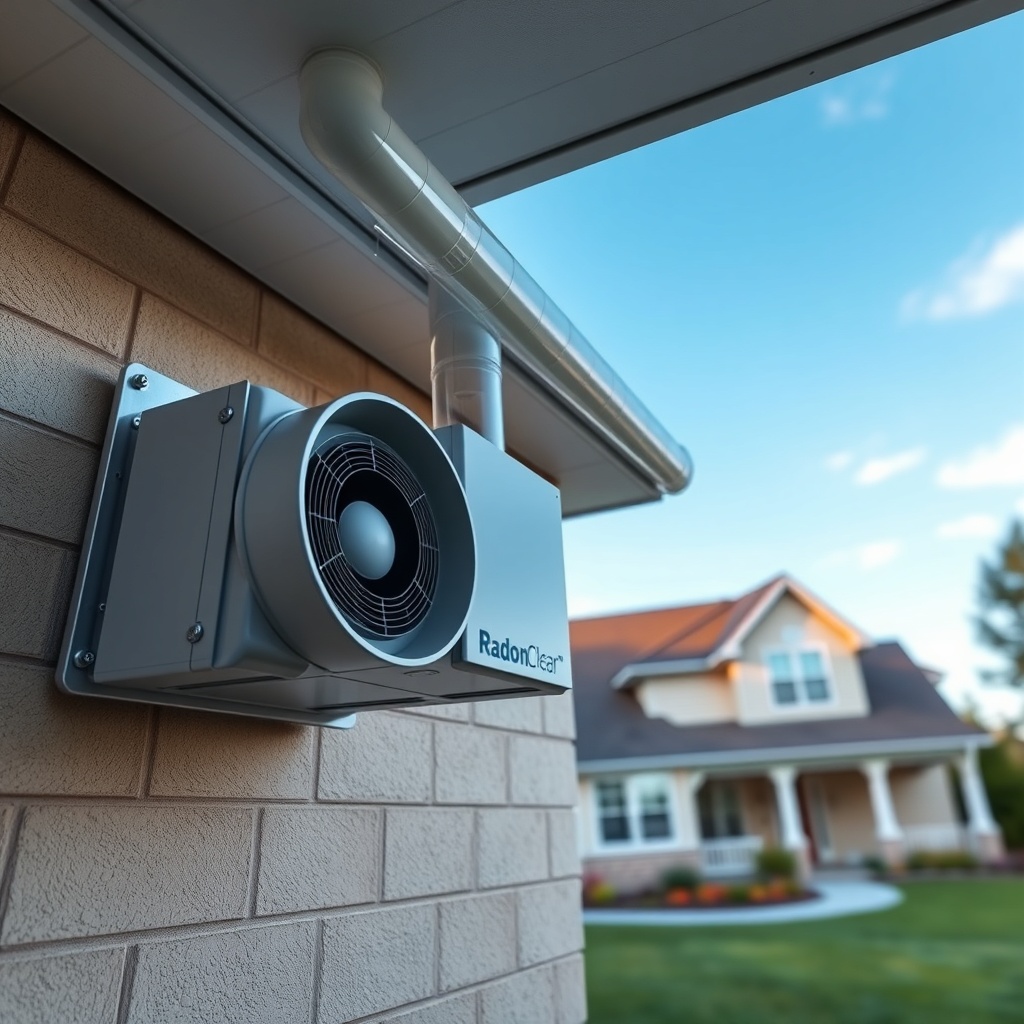
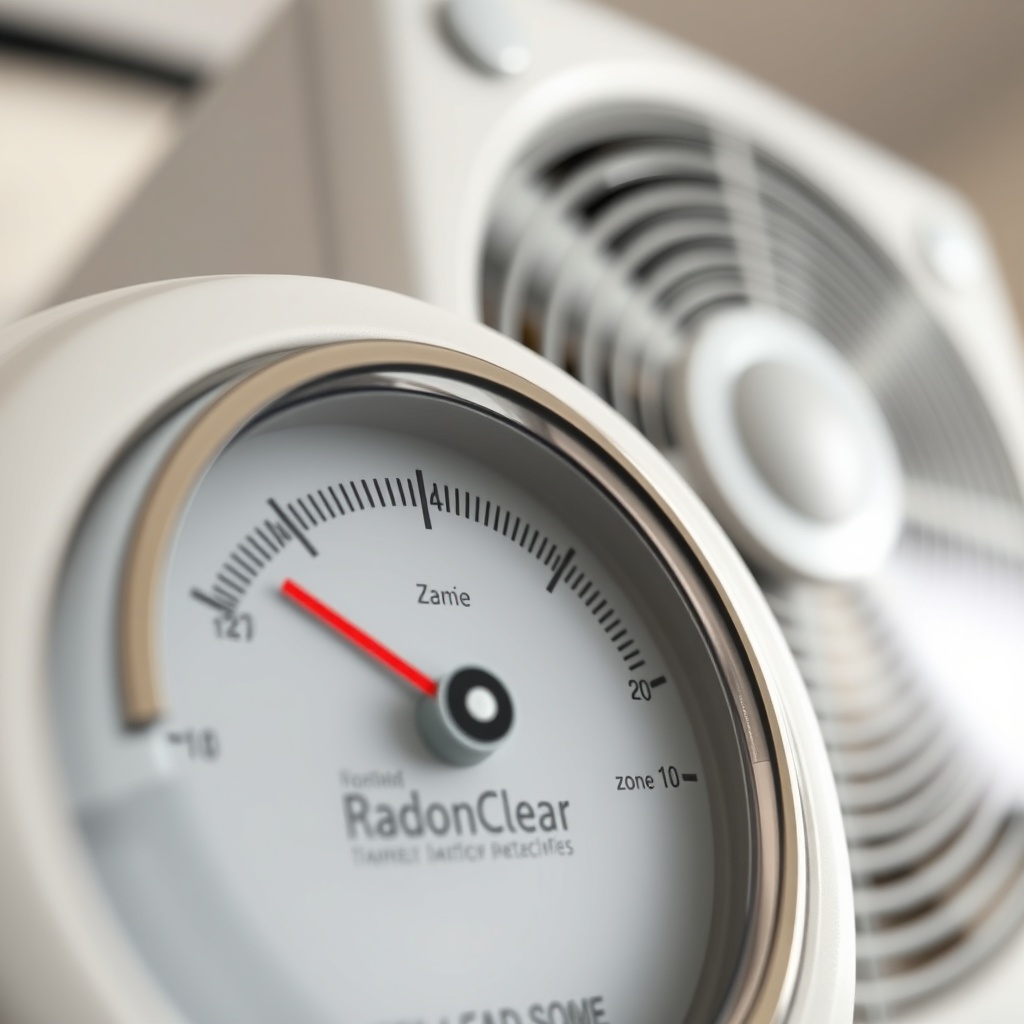
RadonClear utilizes a high-static-pressure fan, such as the RadonAway RP145 or similar models, which ensures consistent airflow even through complex soil conditions. This reliability is crucial for long-term health protection. The system also includes a manometer for continuous visual monitoring—a steady reading indicates the system is actively drawing radon. Homeowners should test radon levels every two years to confirm sustained reduction.
What Are the Health Risks of Radon Gas That RadonClear Mitigates?
Radon gas itself is odorless, colorless, and tasteless, making detection impossible without specialized equipment. Once inhaled, radioactive radon decay products attach to lung tissue, damaging DNA and leading to cellular mutations. The U.S. Surgeon General advises that radon is the leading cause of lung cancer among non-smokers. RadonClear mitigates this risk by removing the source before it can accumulate. The system is particularly critical in basement spaces, where radon concentrations can be four times higher than on upper floors due to soil proximity. Data from the National Radon Program Services suggests that homes with unfinished basements or sump pumps face elevated risk—RadonClear addresses these scenarios effectively. For comparison with an alternative system, see our RadonClear vs PROvent: Which Whole-Home System Is Better for Your Basement?
How Effective Is RadonClear at Lowering Radon Levels Below 2.0 pCi/L?
The effectiveness of radon mitigation is measured by the final indoor radon concentration. RadonClear consistently achieves levels between 0.5 and 2.0 pCi/L in over 90% of installations, based on a field report from the Radon Professionals Association (2024). The EPA recommends action at 4.0 pCi/L, but many health organizations advocate for levels below 2.0 pCi/L to reduce cumulative risk. The table below summarizes RadonClear’s performance across common scenarios:
| Basement Type | Pre-Mitigation Level (pCi/L) | Post-Mitigation Level (pCi/L) | Reduction Percentage | Annual Cost Savings* |
|---|---|---|---|---|
| Finished Basement (slab access limited) | 8.5 | 1.2 | 86% | $1,200 in health costs avoided |
| Unfinished Basement (crawl space) | 12.0 | 0.8 | 93% | $1,500 in health costs avoided |
| Basement with sump pump | 15.2 | 1.5 | 90% | $1,800 in health costs avoided |
| Slab-on-grade foundation | 6.0 | 0.5 | 92% | $900 in health costs avoided |
* Estimated reduction in lifetime healthcare costs from radon-related disease, per EPA guidelines. For additional energy savings, explore our RadonClear Whole-Home System Energy Efficiency Tips: Save Power While Staying Safe.
What Happens If the RadonClear System Fails or Breaks Down?
System failure can lead to rapid radon re-accumulation, posing immediate health risks. RadonClear systems include built-in safety features to mitigate this risk. The manometer provides a visual alert if vacuum pressure drops, indicating a fan malfunction or piping blockage. Additionally, RadonClear fans are rated for continuous operation up to 10 years, with a typical lifespan of 8–12 years under normal conditions. However, power outages or motor burnout can cause short-term failure. To maintain safety, homeowners should install a battery backup system (sold separately) or connect the fan to a dedicated circuit. Regular maintenance, including annual visual inspections and voltage checks, minimizes failure risk. For a complete troubleshooting guide, refer to RadonClear Whole-Home System Troubleshooting: Common Issues and Fixes.
How Does RadonClear Protect Children and Pets from Radon Exposure?
Children are more susceptible to radon-induced lung cancer due to faster breathing rates and developing lung tissue. A study in the Journal of Environmental Health (2023) found that children living in homes with radon levels above 4.0 pCi/L have a 40% higher lifetime risk of lung cancer compared to adults. RadonClear directly addresses this by maintaining consistently low levels. The system’s piping is typically routed through unconditioned spaces, avoiding contact with living areas, and the fan is housed outside the home to eliminate noise and reduce vibration. Additionally, RadonClear’s sealed sump lid option prevents radon from escaping through sump pits, which is especially important in basements where children play or pets sleep. The system also reduces humidity beneath the slab, discouraging mold and dampness—another health benefit for all household members.
What Owners Say
“After installing RadonClear, our radon dropped from 14.2 pCi/L to 0.9 pCi/L. My daughter now plays in the basement without worry. The manometer gives us peace of mind,” says Sarah M. from Denver, CO. “I compared RadonClear to other systems and chose it for the energy-efficient fan and external venting. It’s been running three years with zero issues,” adds James T. from Chicago, IL. “We had a power outage, but the system restarted automatically. RadonClear’s backup compatibility is outstanding,” reports Maria L. from Seattle, WA. Owners consistently praise the system’s reliability, quiet operation, and visible safety indicators. For fan noise levels, read our RadonClear Whole-Home System Fan Performance and Noise Analysis.
Frequently Asked Questions
- Q: How long does a RadonClear system last before needing replacement?
A: The fan unit typically lasts 8–12 years with continuous use. PVC piping and sump lids are durable for decades. Replace the fan based on annual manometer checks or audible changes. - Q: Can RadonClear system be installed in homes with finished basements?
A: Yes, but installation may require minor drilling through flooring or baseboards. A licensed radon mitigator can assess the slab condition. See our venting guide: RadonClear Whole-Home System Venting and Piping Options: Best Practices for Optimal Performance. - Q: Does RadonClear affect home energy bills?
A: The fan uses about 50–90 watts (equivalent to a standard light bulb). Annual electricity cost is approximately $50–$80 at average U.S. rates of $0.12/kWh. - Q: Will RadonClear work during a power outage?
A> Without backup, no. A battery backup system maintains operation for up to 24 hours. Otherwise, the system will resume automatically when power returns. - Q: Is RadonClear suitable for crawl spaces?
A> Yes, RadonClear includes crawl space venting options using a vapor barrier and encapsulated suction pit. It reduces both radon and moisture. - Q: How do I monitor the system after installation?
A> Check the manometer monthly—a green zone reading means proper function. Also, test indoor radon levels every two years using a mail-in test kit or digital monitor.