RadonClear Whole-Home System Long-Term Monitoring Strategies: Keep Your Radon Levels in Check
Maintaining safe radon levels after installing a RadonClear system requires consistent, long-term monitoring. Proactive owners use digital and passive devices to track fluctuations, detect fan irregularities, and confirm sub-slab depressurization remains effective. This guide covers proven strategies, equipment choices, and cost-effective maintenance plans to ensure your home stays protected year after year.
Why Is Continuous Monitoring Essential After Radon Mitigation?
Radon levels vary daily with weather, soil moisture, barometric pressure, and seasonal changes. A single short-term test after installation only captures a snapshot. Without ongoing monitoring, a failing fan or crack in the suction pit could allow levels to climb back above the 4.0 pCi/L action level without your knowledge. Studies show that homes with active radon systems experience level fluctuations of 30–50% over weeks. Long-term tracking is the only reliable way to verify your RadonClear system maintains performance.
What Equipment Should You Use for Long-Term Radon Monitoring?
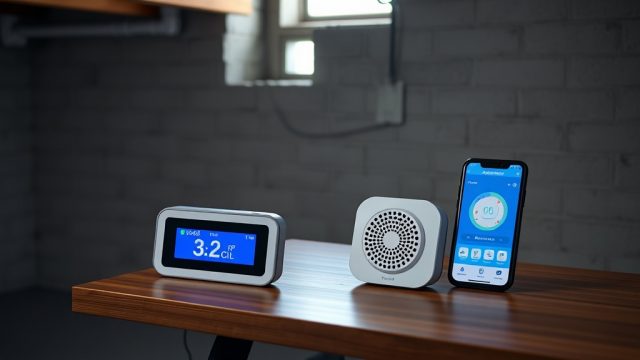
Choose between digital continuous radon monitors (CRMs) and passive alpha-track detectors placed alongside your RadonClear system. Each serves a distinct purpose in a comprehensive monitoring strategy.
| Device Type | Best Use | Data Output | Cost (EUR) | Battery Life |
|---|---|---|---|---|
| Continuous Radon Monitor (digital) | Hourly trend tracking, alarm alerts | Real-time pCi/L, daily/weekly averages | €180–€350 | 1–2 years |
| Alpha-Track Detector (passive) | Quarterly or annual verification | Average radon over 3–12 months | €15–€30 per test | N/A (disposable) |
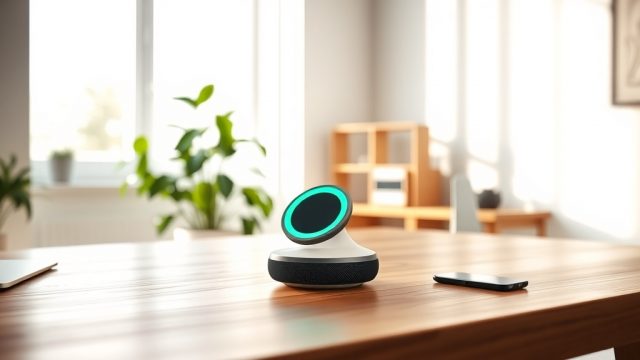
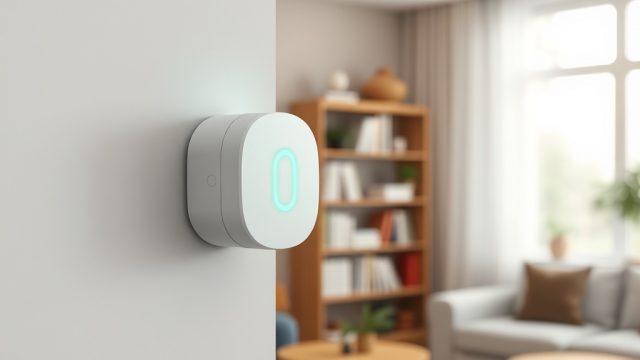
| Multi-sensor smart monitor (e.g., RadonClear compatible) | Integration with fan performance data | Radon + humidity + temperature + fan RPM | €280–€450 | 2–5 years (plug-in) |
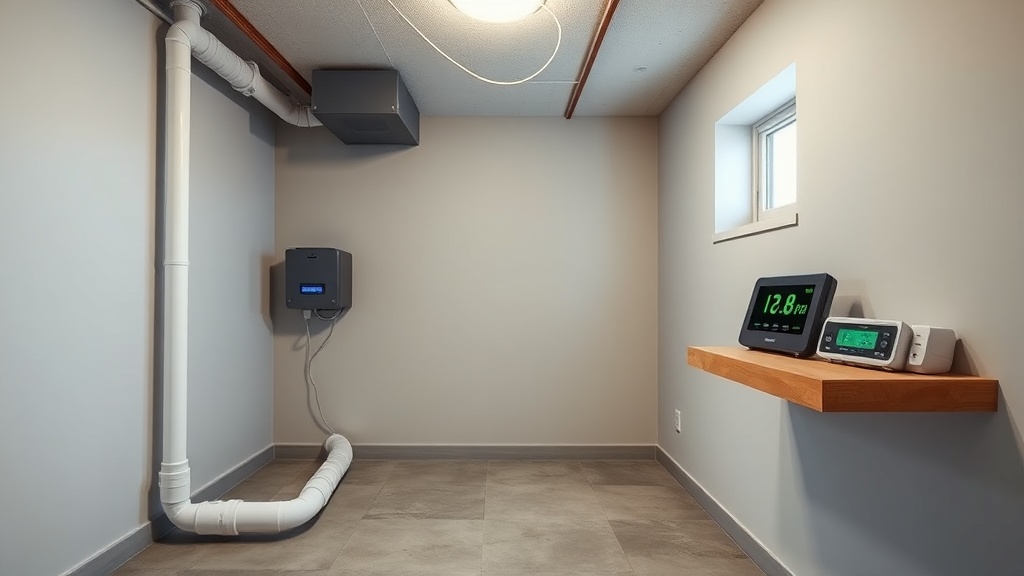
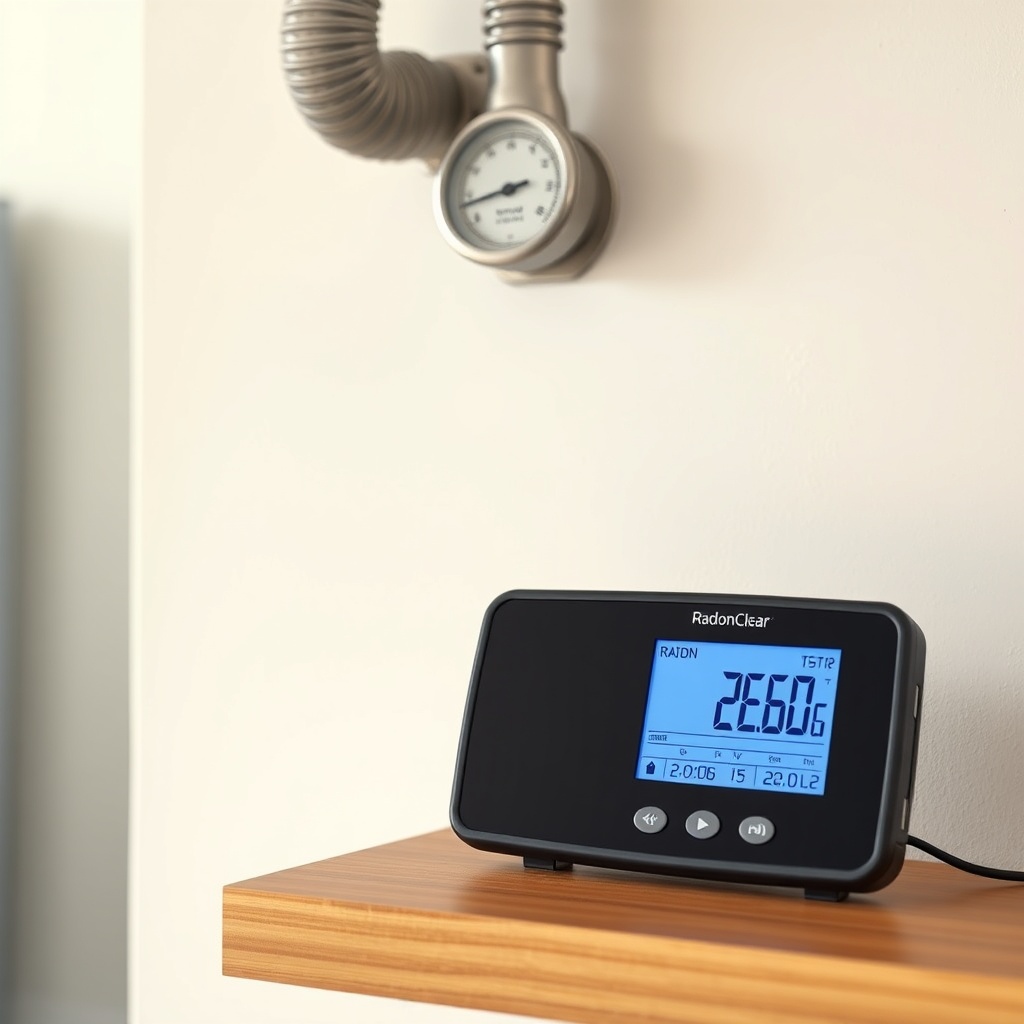
For most homes, using a CRM in the lowest lived-in level plus an annual alpha-track test provides the best balance of cost and confidence. The RadonClear system’s built-in manometer already shows suction pressure, but a CRM adds independent radon verification.
How Often Should You Replace Monitoring Equipment?
Digital monitors require sensor replacement every 2–4 years as the ion chamber degrades. Alpha-track detectors have a shelf life of 12–18 months after manufacturing. Always check the expiration date before use. Swap passive detectors every 12 months. For your RadonClear system, inspect the manometer fluid level quarterly—replace the tube annually if it becomes cloudy. Calibration checks for digital units should be performed according to the manufacturer’s schedule, typically every 2 years via a mail-in service costing €60–€100.
What Are the Best Practices for Placing Monitoring Devices?
Position your digital monitor in the lowest frequently occupied room—usually the basement or ground-floor bedroom. Keep it at least 50 cm from windows, doors, exterior walls, and HVAC vents to avoid airflow interference. Avoid areas with high humidity (>60%) or direct sunlight, which can skew readings. For RadonClear systems with multiple suction points, consider adding one monitor per zone or a unit that logs data from multiple manometers. Place passive detectors at the same location each time for consistent baseline comparisons.
Seasonal Adjustment Strategy
In cold months (November–March), radon levels often spike due to stack effect and frozen ground trapping soil gas. Increase monitoring frequency to weekly check-ins during these periods. If levels exceed 3.0 pCi/L, investigate fan performance and check noise or vibration changes that might indicate mechanical wear. Summer months may show lower levels, but do not rely on a single season’s data to declare safety.
How Do You Interpret Monitoring Data for Timely Action?
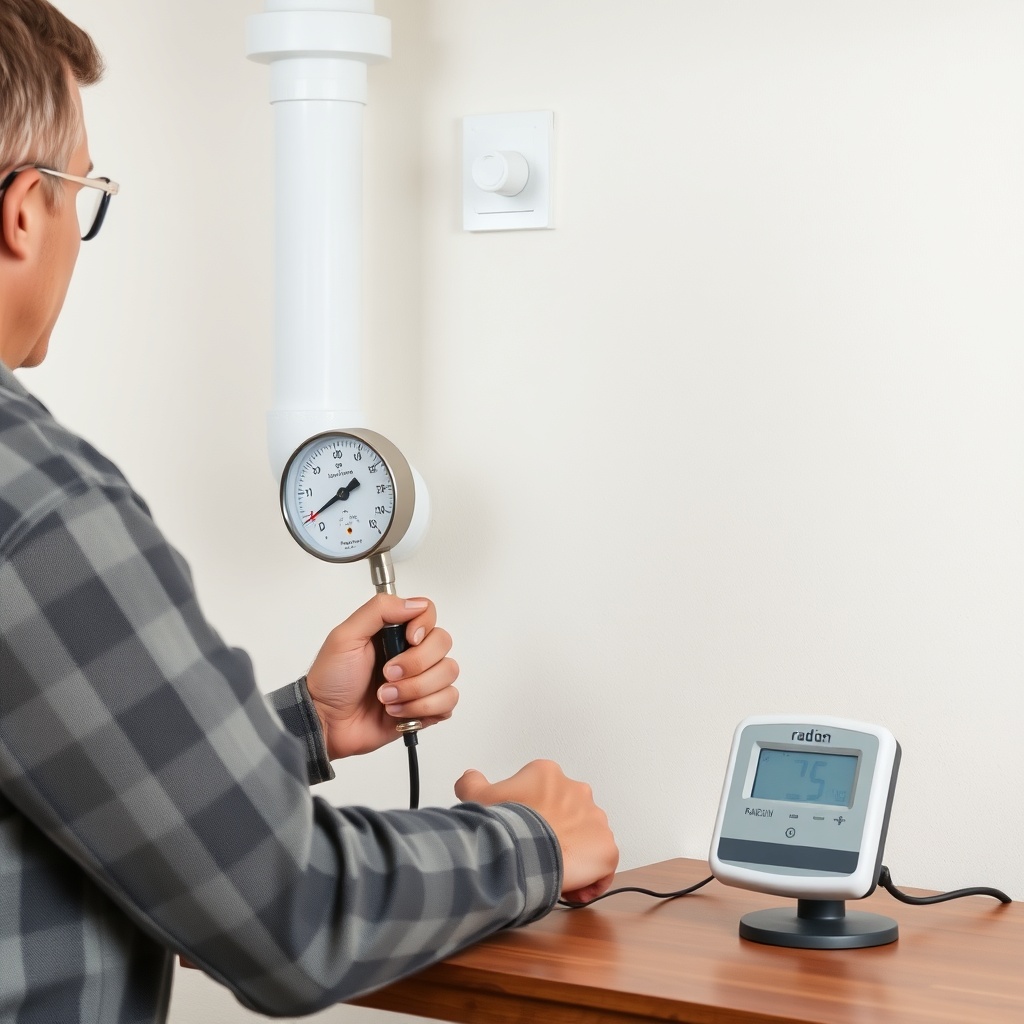
Log your weekly readings in a simple spreadsheet or use your monitor’s app. Look for three key patterns: sudden spikes (more than 50% higher than the 30-day average), gradual upward trends over weeks, or brief surges after heavy rain. For RadonClear systems, cross-reference radon levels with manometer pressure. If suction pressure drops below 0.5 inches of water column and radon rises, the fan or piping may be compromised. Read our detailed venting and piping best practices guide to troubleshoot common issues.
Action thresholds should be: below 2.0 pCi/L—continue monitoring; 2.0–3.9 pCi/L—inspect system and consider mitigation improvements; 4.0 pCi/L or higher—take immediate corrective steps, including contacting a certified radon professional. Over a full year, aim for an average below 2.0 pCi/L for the best health protection benefits.
What Do Owners Say About RadonClear Long-Term Monitoring?
“I use a digital monitor that syncs with my RadonClear fan’s controller. After a year, I noticed a slow upward trend from 1.2 to 2.8 pCi/L. I checked the manometer—it was at 0.4” WC, borderline low. After adjusting a vent valve, levels dropped back to 1.5 pCi/L. The monitoring saved me from a hidden problem,” says Erik B., homeowner in Uppsala. Another owner, Maria K., shares: “I run an alpha-track test every summer. Last year it came back 3.9 pCi/L, so I upgraded to a CRM. Within days I saw the fan was cycling off. RadonClear replaced the capacitor, and now I check weekly through the app.” Many owners emphasize pairing system logs with independent monitoring for peace of mind.
What Are the Costs of Long-Term Monitoring vs. Neglect?
A yearly monitoring budget of €50–€120 (including one CRM sensor replacement or three passive tests) is trivial compared to undetected elevated radon. Lung cancer risk from long-term exposure above 4.0 pCi/L is equivalent to smoking half a pack daily. The total system cost breakdown shows that monitoring adds only 3–5% annually to your overall mitigation investment. For online monitoring apps, subscription fees range from €0 (free basic) to €60/year for data storage and alerts. Compare that to the potential cost of medical care or home resale value loss if radon is discovered during a real estate transaction.
Frequently Asked Questions
1. How long does a digital radon monitor last?
Most continuous monitors have a lifespan of 3–5 years before sensor drift becomes significant. Replace every 4 years or follow manufacturer recalibration guidelines.
2. Can I use my smartphone as a radon monitor?
No. Smartphones lack internal radon detection sensors. Only devices with ion chambers or solid-state sensors can measure radon. Use a dedicated monitor that pairs with a phone for data display.
3. Will my RadonClear fan alert me if radon levels rise?
Only if your system includes an optional remote alarm module or if you integrate it with a smart monitor. Most standard fans include a manometer but no radon probe. Add a CRM for level alerts.
4. How often do I need to recalibrate a radon monitor?
Consumer-level digital monitors typically require recalibration every 2 years. Mail-in services cost €70–€110. Some brands offer calibration-free models for 5 years, but check the manual.
5. What’s the difference between short-term and long-term testing?
Short-term tests (2–7 days) give a quick reading, while long-term tests (90 days–1 year) average out seasonal swings. For verification after RadonClear installation, always use a long-term alpha-track test in addition to continuous monitoring.
6. Should I monitor in multiple rooms?
If your home has multiple levels with bedrooms or regularly used spaces, yes. Place at least one monitor per floor, or use one portable unit to rotate weekly among rooms. Radon levels can vary 200% between floors.
External Validation and Next Steps
For real-world accuracy comparisons, read our RadonClear vs Airthings Wave Plus accuracy analysis. If you are planning a new system, review the full installation cost guide. Monitoring is not a one-time task—it is the silent guardian of your indoor air quality. Start your tracking plan today, and keep those levels under control.