Introduction: Understanding the Role of Continuous Radon Monitoring
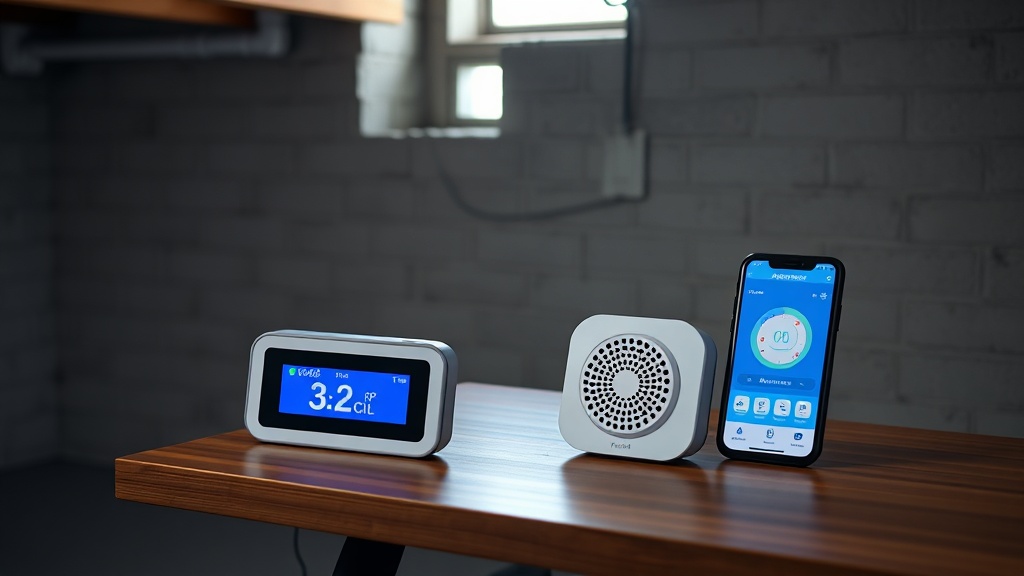
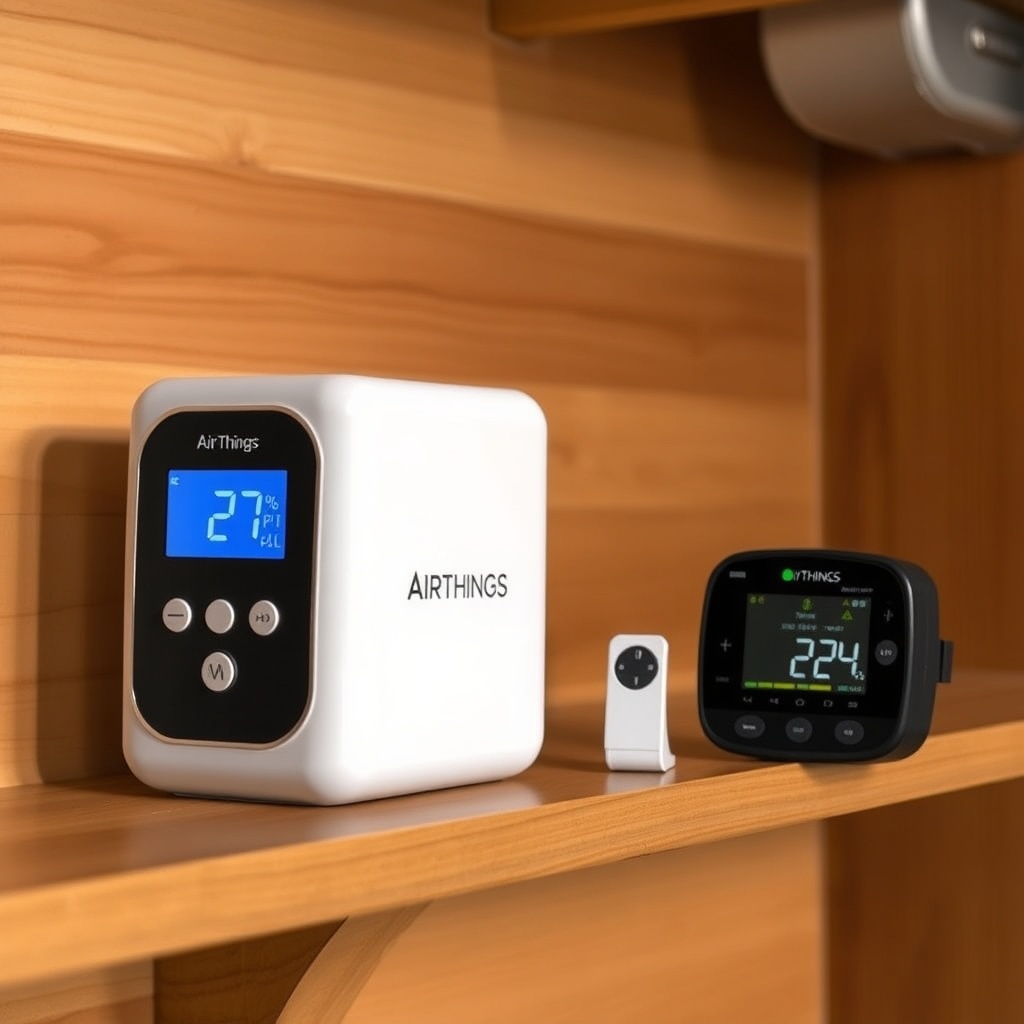
For homeowners concerned about indoor air quality, the AirThings Wave Plus stands out as a comprehensive device that measures radon, temperature, humidity, air pressure, and volatile organic compounds (VOCs). However, relying solely on a consumer-grade monitor for radon mitigation decisions requires careful consideration of accuracy, calibration, and data interpretation. This article provides a detailed comparison between DIY radon monitoring using the AirThings Wave Plus and professional radon testing services, helping you determine which approach best suits your needs for effective radon mitigation.
What Does the AirThings Wave Plus Actually Measure, and How Accurate Is It Compared to Professional Tests?
The AirThings Wave Plus uses a passive diffusion chamber coupled with an alpha particle detector to measure radon concentration in pCi/L. Professional radon testers typically use continuous radon monitors (CRMs) certified by the National Radon Proficiency Program (NRPP) or the National Radon Safety Board (NRSB). While the Wave Plus meets the requirements for long-term monitoring, its accuracy is specified at ±10% for radon levels above 4 pCi/L. Professional units, such as the Sun Nuclear 1028 or the Progeny PRC-100, maintain calibration to ±5% or better.
For short-term tests (2–7 days), the Wave Plus provides reliable trend data, but professional CRMs offer higher precision, especially at low radon concentrations (below 2 pCi/L). In real-world conditions, the Wave Plus may show temporary spikes due to rapid air pressure changes or high humidity, whereas professional units actively compensate for these variables. If you need a definitive measurement for a real estate transaction or to confirm whether mitigation is necessary, a professional test remains the gold standard. For ongoing awareness and trend analysis, the Wave Plus excels.
DIY Monitoring with the AirThings Wave Plus: What Are the Costs and Benefits?
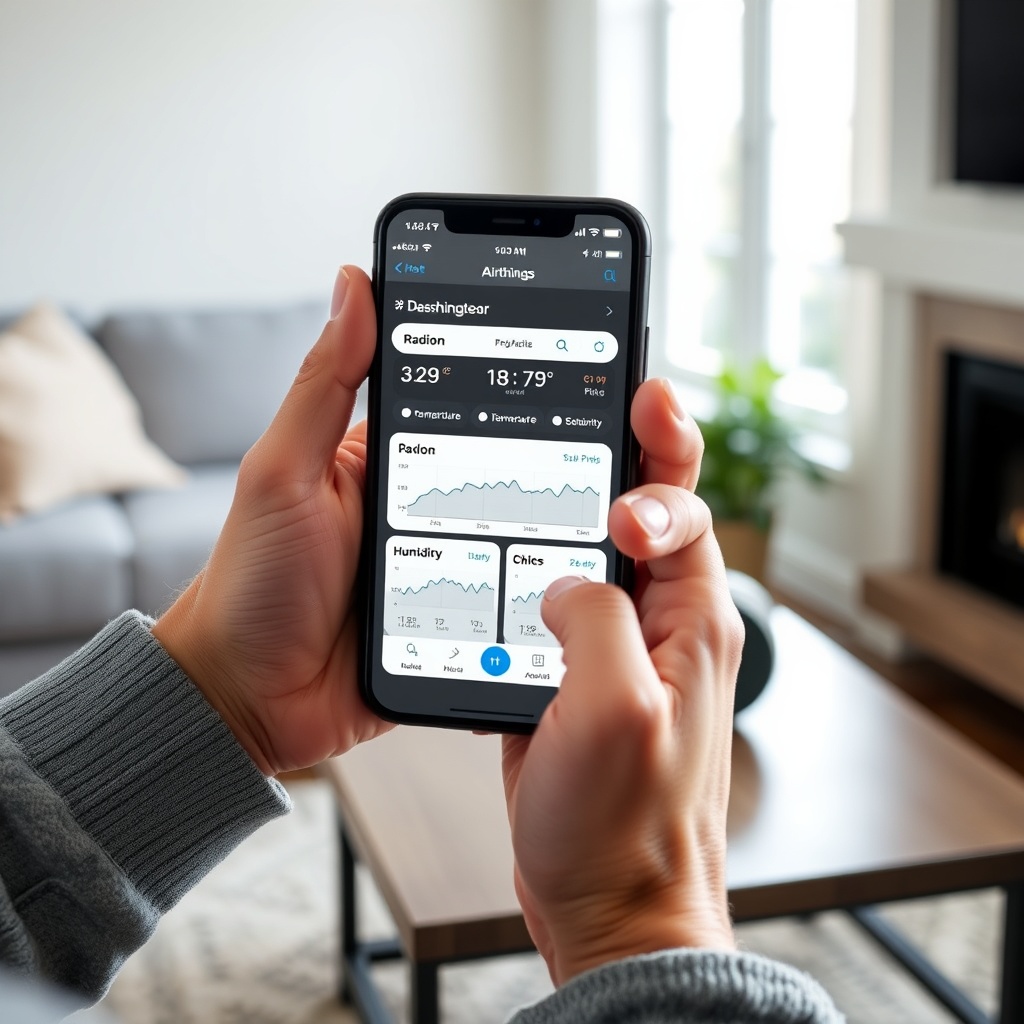
Purchasing an AirThings Wave Plus outright costs approximately €200 or £170. There are no recurring fees for data access via the Airthings mobile app or dashboard. The device offers battery life of up to 12–18 months with typical use, and replacement batteries cost less than €5. For DIY users, the main benefits include:
- Continuous, real-time data accessible via smartphone or web.
- Ability to track seasonal variations in radon levels.
- No scheduling or coordination with an external service.
- Integration with smart home systems (e.g., IFTTT, Google Assistant).
However, DIY monitoring has limitations. The device must be placed correctly—at least 20 inches from the floor and away from drafts and direct sunlight. Calibration drift over time can affect accuracy; Airthings recommends recalibration every 2–3 years, which costs approximately €70 for a factory service. Additionally, the Wave Plus does not provide instantaneous grab samples; it reports running averages over 1 hour, 24 hours, and long-term periods. If you suspect a sudden leak or need immediate data, a professional test is faster.
Professional Radon Testing Services: What Do They Offer and at What Price?
A professional radon test in the UK typically costs between £80 and £160 for a short-term (2–7 day) test, including equipment placement, retrieval, and a certified lab analysis. In the US, prices range from $125 to $250. Services usually include a detailed written report with recommendations. For long-term (90+ day) tests, costs are similar but sometimes include a monitoring device placed in the home for the duration.
Professional testers follow strict protocols: they seal windows and doors, ensure the HVAC system operates normally, and document the testing conditions. The result is a legally defensible measurement that meets EPA or HPA guidelines for real estate transactions or mitigation decision-making. Many professionals also offer post-mitigation verification testing to confirm that installed systems effectively reduce radon levels.
Compared to DIY, professional testing eliminates user error in placement and interpretation. For example, a misplaced Wave Plus might falsely suggest high levels due to proximity to a water pipe or an exterior wall, whereas a pro knows exactly where to position the device. The trade-off is cost and lack of continuous data—most professional tests are one-time events.
DIY vs Professional: Which Approach Is Best for Mitigation Decision-Making?
When deciding whether to install a radon mitigation system, the threshold action level in the UK is 100 Bq/m³ (approximately 2.7 pCi/L), while the US EPA recommends action at 4 pCi/L. The AirThings Wave Plus can provide early warnings and long-term averages, but to avoid overreacting to temporary fluctuations, follow this guidance:
- If the Wave Plus consistently reads above 7 pCi/L for more than two weeks, proceed with a professional confirmation test.
- If the reading is between 4 and 7 pCi/L, monitor for one season (3 months) and then consider a professional test if levels persist.
- For levels below 2 pCi/L, the Wave Plus is sufficient for peace of mind.
For homeowners who want comprehensive data before committing to choosing between monitors, the Wave Plus offers a cost-effective first step. However, if you need a definitive answer for a home sale or mortgage requirement, only a certified professional test is acceptable to most authorities.
Cost Comparison: Total Ownership Over 3 Years
The table below compares the total cost of DIY monitoring with the AirThings Wave Plus versus using a professional testing service three times (once as a baseline, once before mitigation, and once after).
| Expense Category | DIY with AirThings Wave Plus | Professional Service (3 Tests) |
|---|---|---|
| Initial purchase / first test | €200 (device) | €150 (first test) |
| Second test (year 2) | €0 (device continues) | €150 |
| Third test (year 3) | €70 (recalibration) | €150 |
| Batteries (3-year supply) | €10 | €0 |
| Total 3-year cost | €280 | €450 |
| Data availability | Continuous (real-time) | 3 discrete time points |
| Accuracy for mitigation decision | Good for trends; confirm with pro | High (certified) |
As the table shows, DIY monitoring is cost-effective for long-term tracking, but unless you invest in periodic professional verification, you risk acting on incomplete data. For detailed guidance on maximizing your device’s lifespan, see our battery life and maintenance tips.
What Owners Say: Real Experiences with the AirThings Wave Plus
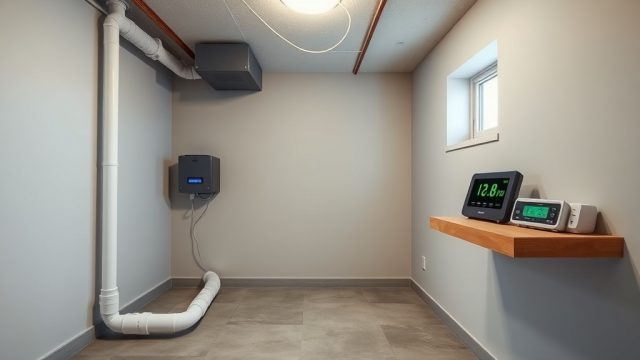
Homeowners who have used the AirThings Wave Plus for radon monitoring typically praise its ease of setup and the visual clarity of the dot-matrix display. “I placed it in my basement, and within 24 hours I could see a pattern: radon spikes every morning when the furnace runs,” says Mark T. from Manchester. “It helped me decide to install a mitigation system.” However, some users report that the device’s VOC sensor can be overly sensitive to cleaning products or cooking fumes, leading to false alarms about air quality. Sarah K. from Chicago notes: “The radon data seems accurate compared to a professional test I did later, but the VOC readings are useless for my home because they fluctuate with my cat’s litter box.”
Another common theme is the need for correct placement. As discussed in our installation guide, positioning the device near windows or vents can artificially lower radon readings. Owners who follow the guidelines generally report satisfaction. “I checked mine against a paid test two years later, and it was within 0.3 pCi/L—close enough for my needs,” says James L. from Birmingham. Overall, the sentiment is positive, but with the caveat that the device is best used for awareness, not medical or legal-grade data.
Frequently Asked Questions
Q1: Can the AirThings Wave Plus replace a professional radon test for home sale?
No. Most real estate transactions require a test conducted by a certified professional using NRPP-listed equipment. The Wave Plus is a consumer device and does not provide a certified result. However, you can use it to monitor trends before or after the official test.
Q2: How often should I calibrate my AirThings Wave Plus?
Manufacturer recommendations suggest recalibration every 2–3 years. You can ship it back to Airthings for a fee (approximately €70). Learn more in our calibration and accuracy tips.
Q3: What is the accuracy of the AirThings Wave Plus for radon?
The device specifies ±10% for radon levels above 4 pCi/L. At lower levels, accuracy can degrade to ±20% or more. For very low levels (below 2 pCi/L), the results should be considered indicative rather than precise.
Q4: Does the Wave Plus measure radon in water?
No. It only measures radon in air. If you suspect radon in well water, a separate water test kit (e.g., from a certified lab) is required. Elevated radon in water can contribute to indoor air radon, but the device cannot differentiate sources.
Q5: How long does it take for the Wave Plus to give accurate results after unboxing?
The radon sensor stabilizes within 24 hours, but for reliable long-term average data, wait one week. The initial readings may show a “break-in” period where the display fluctuates more than usual.
Q6: Should I hire a professional if my Wave Plus reads high?
Yes. A reading above the action level (4 pCi/L in the US, 2.7 pCi/L in the UK) warrants a confirmation test by a certified professional before proceeding with mitigation. The Wave Plus can guide your timeline, but only a professional test ensures accurate decision-making.