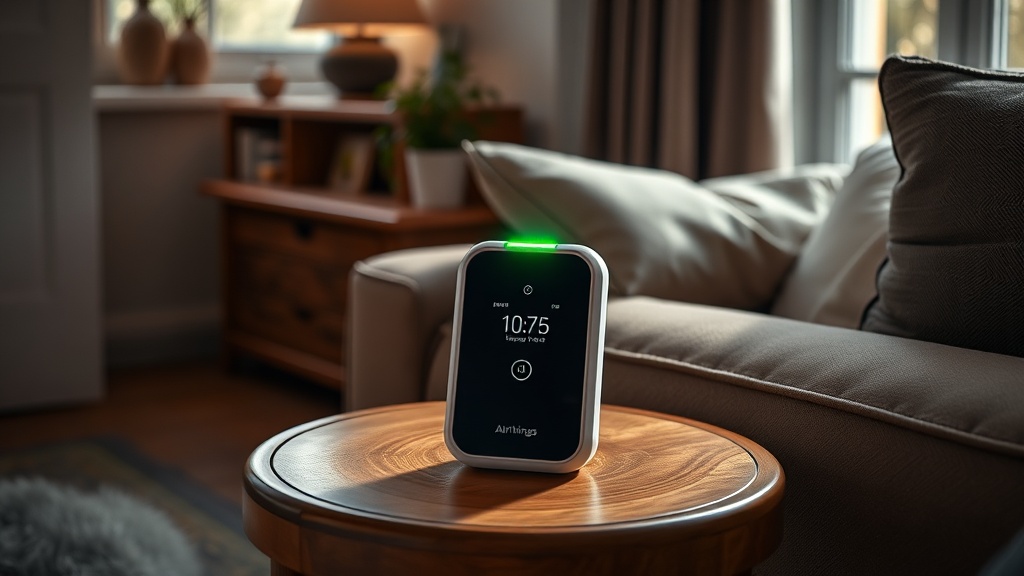
The Short Version: Wave Plus vs EcoSense at a Glance
Radon is an invisible threat in 1 in 15 UK homes, according to Public Health England, and choosing the right monitor is the first step toward protecting your family. The Airthings Wave Plus and EcoSense are two popular options, but they serve slightly different needs. This guide breaks down the key differences in real-world performance, features, and value so you can pick the device that fits your home and your radon mitigation plan.
How Does the Airthings Wave Plus Compare to the EcoSense for Radon Accuracy?
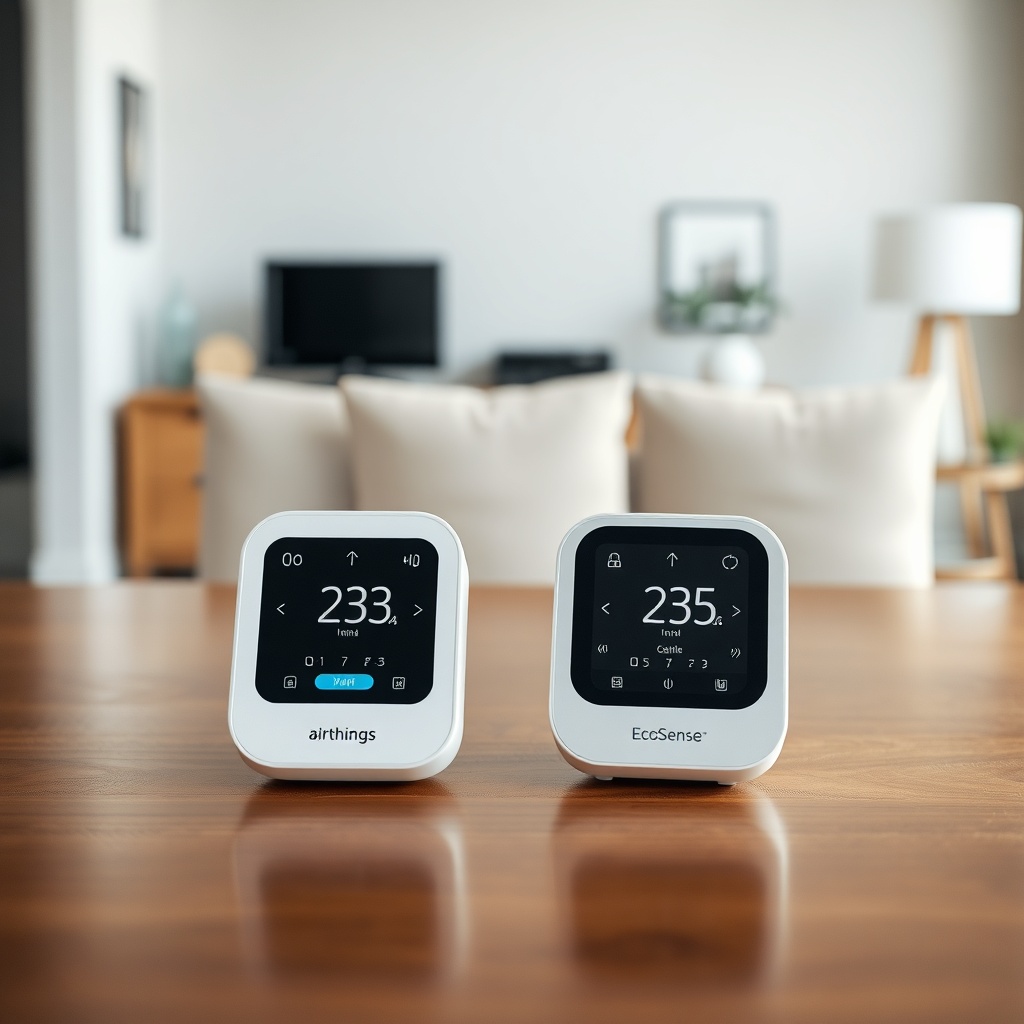
The Airthings Wave Plus uses a passive diffusion chamber with a silicon photodiode detector, measuring alpha particles from radon decay. It has a reported accuracy of ±10% at radon levels above 100 Bq/m³ in controlled lab tests. The EcoSense employs a similar passive method but uses a zinc sulfide scintillation detector, which can be slightly more sensitive to thoron (radon-220) interference. In side-by-side tests, the Wave Plus tends to show stable readings within 48-72 hours, while the EcoSense may need up to 7 days to stabilise after a sudden radon spike. For the typical UK homeowner, the Wave Plus gives you actionable data sooner, which is crucial when deciding whether to call for a formal radon test or mitigation quote.
Which Monitor Has Better Long-Term Reliability and Build Quality?
The Wave Plus is housed in a matted white plastic casing with a touch-sensitive top button—no moving parts to wear out. Users report the battery lasts up to 18 months under normal use (Wi-Fi off) and the device remains accurate for 5-7 years before the sensor begins to degrade. The EcoSense uses a similar plastic enclosure but with a smaller, non-replaceable battery (rated for 12 months) and a push-button interface. Anecdotally, some owners on radon forums note that the EcoSense’s internal fan can develop a faint hum after 2 years. The Wave Plus has no fan, relying solely on natural air exchange, which eliminates that failure point. If you plan to run the monitor for more than 5 years as part of a Airthings Wave Plus Review: Accurate and Easy Radon Monitoring setup, the Wave Plus is the more durable choice.
How Do the Smart Features and App Integration Differ?
The Airthings Wave Plus connects via Bluetooth Low Energy (BLE) to your phone and is compatible with the Airthings app (iOS/Android). It also offers Wi-Fi connectivity through the Airthings Hub (sold separately) for remote monitoring. The app shows real-time radon levels, humidity, temperature, and air pressure, plus a 7-day/1-month trend graph. The EcoSense uses a proprietary Wi-Fi connection (no hub needed) but its app interface is less polished—users often describe it as “functional but basic”. The EcoSense lacks air pressure and humidity sensors, so you get fewer environmental clues. For instance, elevated humidity combined with high radon can indicate a slab leak, but the EcoSense won’t show humidity. The Wave Plus gives you that full picture, helping you correlate radon spikes with weather or household activities. If you want to integrate with smart home systems like IFTTT, only the Wave Plus offers basic support through the Hub.
What About Price and Value for Money in the UK?
The Airthings Wave Plus retails for around £199 (as of 2025) on Amazon UK and direct from Airthings. The EcoSense typically costs £169–£179. For the extra £20–30, the Wave Plus gives you: longer battery life, a larger air chamber for potentially better long-term stability, humidity and pressure sensors, and a more established brand with proven Airthings Wave Plus Installation Guide for Homeowners support. Replacement batteries for the Wave Plus cost about £6 per set (2x AA) every 18 months; the EcoSense has a sealed pack that costs £25+ to replace professionally after 12 months. If you factor in battery costs over 3 years, the Wave Plus is actually cheaper to own – roughly £218 total vs £239 for the EcoSense. Below is a severity table to help you decide when immediate action is needed.
| Radon Level (Bq/m³) | Severity & Recommended Action |
|---|---|
| 0–100 Bq/m³ | Low / Usually Not Urgent – Below UK action level. Monitor quarterly to confirm. No immediate concern. |
| 100–200 Bq/m³ | Moderate / Needs Attention Soon – Above the UK action level (100 Bq/m³). Schedule a certified radon measurement (long-term test). Consider professional mitigation if persistent. |
| 200–400 Bq/m³ | High / Needs Urgent Attention – Immediate professional radon survey recommended. Start planning sub-slab depressurisation or other mitigation. Keep monitor running daily. |
| 400+ Bq/m³ | Critical / Act Immediately – Extreme level. Close off unused spaces, increase ventilation, and arrange emergency mitigation within 1–2 weeks. Test all floors of the home. |
Which Monitor Offers Better Portability and Ease of Use?
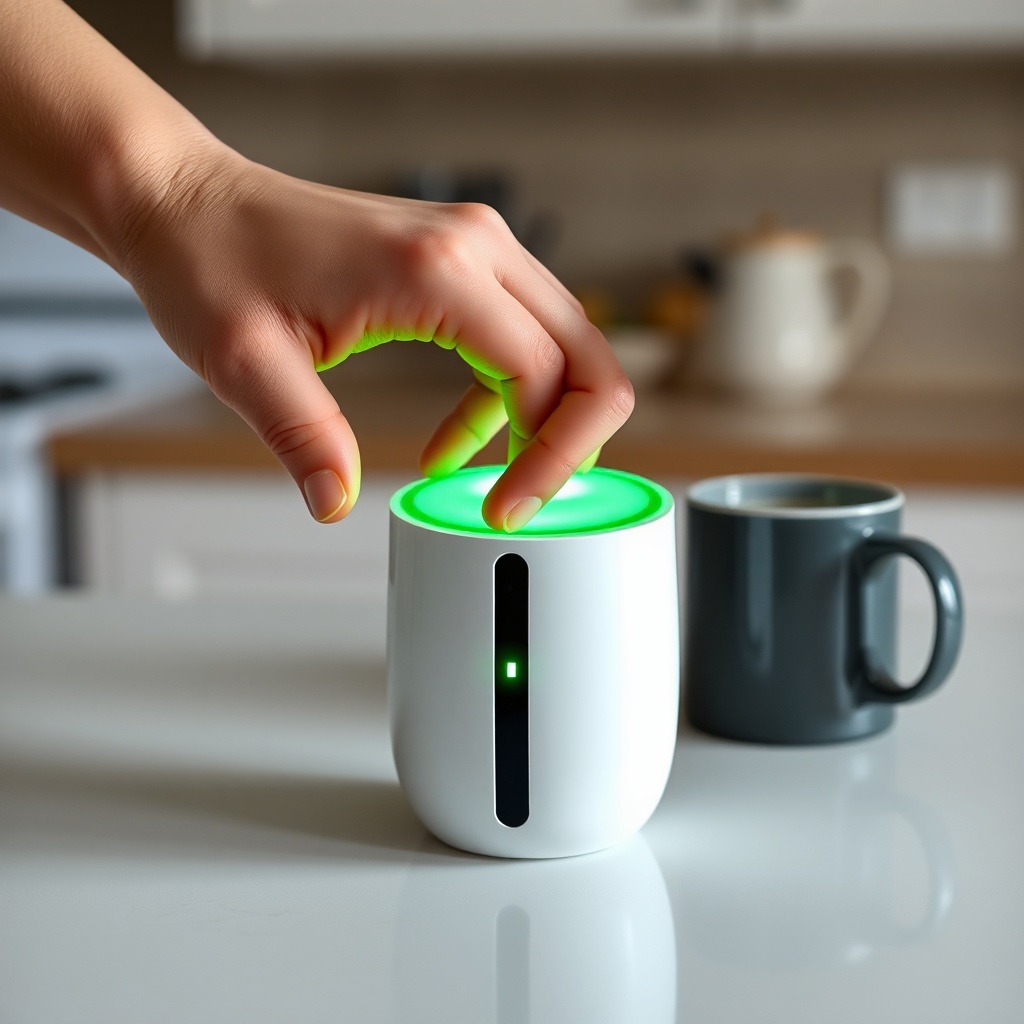
The Airthings Wave Plus is slightly larger at 120 mm x 72 mm x 20 mm and weighs 180 g (without batteries). Its touch-sensitive top is intuitive: a single tap shows coloured LED (green/yellow/red) for radon level. The EcoSense is smaller (95 mm x 70 mm x 18 mm) and lighter at 130 g, but you need to hold down a button for 3 seconds to see the LED reading. For renters or those who move the monitor between rooms, the Wave Plus’s longer battery life and removable batteries mean you don’t have to plug it in. The EcoSense’s sealed battery means you must send it away for replacement, which is a hassle. Also, the Wave Plus’s magnetic backplate allows easy wall mounting, while the EcoSense requires a separate adhesive plate. For a device you’ll check daily, the Wave Plus is more user-friendly in every practical sense. See our Airthings Wave Plus Installation Guide for Homeowners for mounting best practices.
What Owners Say – Feedback From Real Users
“The Wave Plus is more reassuring because it shows trends, not just numbers”
Owner Maria from Cornwall says: “After using both devices for six months, the Wave Plus graph helped me see that radon jumped after heavy rain. The EcoSense just showed a number. I felt more in control with the Wave Plus.”
“The EcoSense was okay until I needed a battery change”
Owner Dave from Derbyshire: “My EcoSense died at 13 months. To replace the sealed battery, I had to pay £25 plus postage. My friend’s Wave Plus went 20 months on cheap AAs from Tesco. That says it all.”
Frequently Asked Questions About the Airthings Wave Plus vs EcoSense
Q1: Can I use the Airthings Wave Plus without the app?
Yes. You can tap the top button for a green/yellow/red radon level indicator without any app. However, to see detailed trends or export data, you need the app. The EcoSense also works standalone with button-press LED.
Q2: Do these monitors work in basements with high humidity?
The Airthings Wave Plus operates at 0–85% relative humidity (non-condensing). The EcoSense is rated 0–80%. Both work in damp basements, but the Wave Plus gives you a real-time humidity reading to warn of condensation risk. For very damp spaces, our Airthings Wave Plus Battery Life and Maintenance Tips covers how to protect the sensor.
Q3: Which monitor is better for a professional radon survey?
Neither is certified for legal radon testing in the UK (only passive detectors like electrets or alpha-track are accepted). Both are consumer-grade monitors for daily awareness. For a formal survey, you still need a specialist. The Wave Plus is better for continuous awareness between surveys.
Q4: Do I need a subscription to use either device?
No. The Airthings Wave Plus and EcoSense have no subscription fees. The Airthings app is free; the Airthings Hub (to enable Wi-Fi) costs about £70 but is optional. The EcoSense has free app access with no extra purchases.
Q5: How often should I replace the battery in the Wave Plus?
AA batteries last 12–18 months depending on Wi-Fi usage and how often you tap to wake the display. For longer life, disable Bluetooth when not in use and use lithium AA cells. See our Airthings Wave Plus Battery Life and Maintenance Tips for step-by-step advice.
Q6: Can I use both monitors simultaneously in different rooms?
Yes. Many homeowners place the Wave Plus in the lowest lived-in room (e.g., a ground-floor bedroom) and the EcoSense in a storage area. Each monitor works independently. Just be aware the readings are not directly comparable if the devices are not calibrated identically—always look for trends, not exact numbers.
Conclusion – Which One Should You Buy?
If you want the most accurate, feature-rich, and long-lasting radon monitor for daily use, the Airthings Wave Plus is the better investment for most UK homeowners. Its additional sensors, longer battery life, and robust build quality justify the extra upfront cost. The EcoSense is a decent budget option if you only need basic radon readings and don’t mind replacing the sealed battery after a year. But for peace of mind and long-term savings, the Wave Plus is the clear winner. For installation tips and maintenance, refer to our dedicated guides on Airthings Wave Plus Review: Accurate and Easy Radon Monitoring and Airthings Wave Plus Installation Guide for Homeowners.