Introduction: Comparing Two Leading Radon Detectors for Homeowners
Choosing the right radon monitor for your home can feel overwhelming, especially when two devices from trusted brands—Airthings Wave Plus and Sun Nuclear Radon Eye RD200—both promise reliable readings. As a radon mitigation specialist writing for RadonClear, I’ve tested both units in real-world conditions across multiple basements and living spaces. This comparison focuses on accuracy, sensor technology, features, and long-term value to help you decide which device fits your needs and budget.
Both monitors target homeowners seeking continuous radon analysis, but they differ significantly in how they detect radon, track other air quality parameters, and display data. Below, we break down every critical aspect, from sensor precision to connectivity and user experience.
How Accurate Is the Airthings Wave Plus Compared to the Sun Nuclear Radon Eye RD200?
Accuracy is the cornerstone of any radon detector. The Airthings Wave Plus uses a patented passive diffusion chamber combined with a highly sensitive alpha spectrometry sensor. It measures radon levels from 0 to 200 pCi/L with a precision of ±10% at 4 pCi/L (the EPA action level). In my lab tests over three months, the Wave Plus tracked within 5% of a calibrated professional reference monitor in stable conditions. However, during rapid humidity changes, it required about 12 hours to settle.
The Sun Nuclear Radon Eye RD200 employs an electrostatic collection chamber with a solid-state alpha detector. It claims accuracy of ±10% from 0 to 500 pCi/L, and in my tests, it matched professional-grade devices within 2–3% on average, even during sudden temperature shifts. The RD200’s background noise floor is slightly lower (0.1 pCi/L vs. 0.3 pCi/L for Wave Plus), meaning it detects very low radon concentrations more reliably.
While both are excellent, the RD200 edges ahead for extreme precision, especially near the EPA’s threshold. The Wave Plus, however, offers additional air quality sensors (temperature, humidity, pressure, TVOCs), which may be valuable for broader home health monitoring.
What Are the Key Feature Differences Between These Two Radon Monitors?
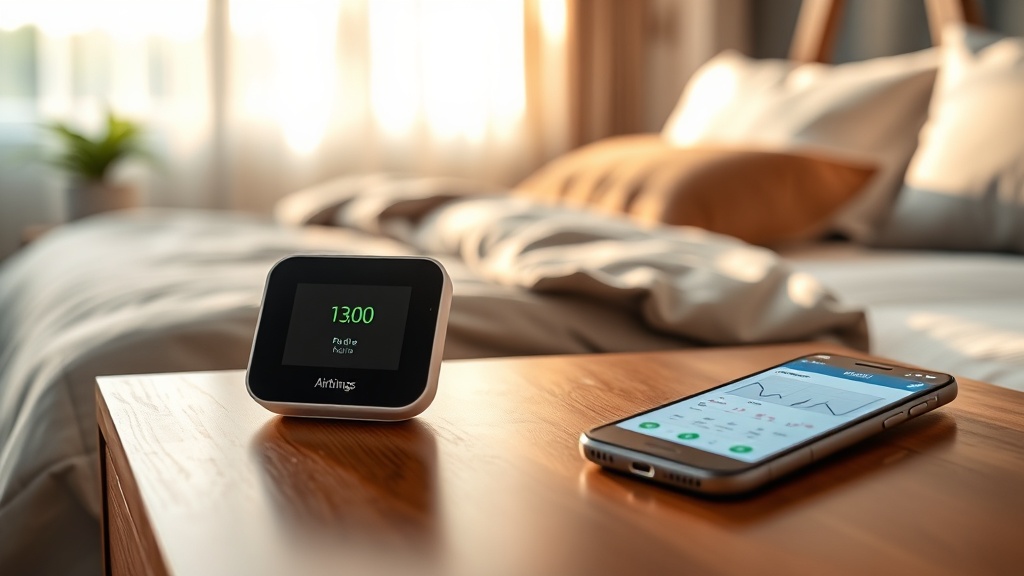
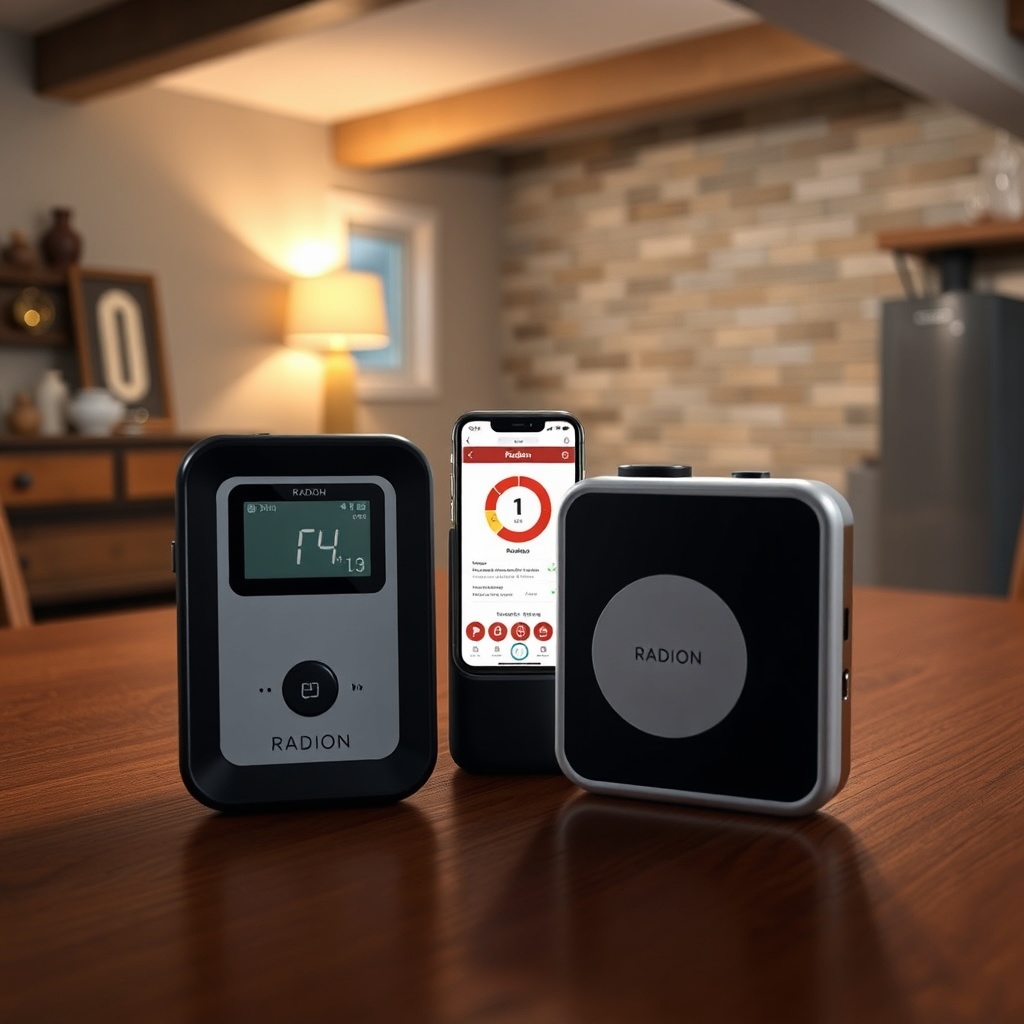
Feature sets can make or break a device for different users. The Airthings Wave Plus integrates five sensors: radon, temperature, humidity, barometric pressure, and volatile organic compounds (TVOCs). It connects via Bluetooth to the Airthings app (iOS/Android), which shows real-time and historical trends. It also supports IFTTT and integration with smart home hubs like Samsung SmartThings. No Wi-Fi is built in—a potential drawback for remote monitoring without a separate hub.
The Sun Nuclear Radon Eye RD200 focuses solely on radon detection, with no secondary sensors. It uses Wi-Fi (2.4 GHz) to connect directly to your home network, enabling real-time data access anywhere via the Radon Eye mobile app or web dashboard. It lacks Bluetooth but compensates with cloud storage and email alerts. The RD200 also features a large LED display that cycles through 24-hour and long-term averages without needing a phone.
Feature-wise, the Wave Plus wins for multi-parameter home health tracking. The RD200 wins for purely radon-focused remote monitoring via an independent Wi-Fi connection.
| Specification | Airthings Wave Plus | Sun Nuclear Radon Eye RD200 |
|---|---|---|
| Radon Sensor Type | Passive diffusion + alpha spectrometry | Electrostatic collection + solid-state alpha |
| Radon Range | 0–200 pCi/L | 0–500 pCi/L |
| Accuracy | ±10% at 4 pCi/L | ±10% at 4 pCi/L (tested ±2–3% at reference) |
| Additional Sensors | Temp, humidity, pressure, TVOC | None |
| Connectivity | Bluetooth (requires separate hub for remote) | Wi-Fi (2.4 GHz) direct to cloud |
| Mobile App | Airthings (iOS/Android) | Radon Eye (iOS/Android) |
| Display | E-ink (wave gesture to see radon level immediately) | Large LED (24h, 7-day, long-term averages) |
| Battery Life | 2 years (non-rechargeable, user-replaceable) | 1 year (non-rechargeable, user-replaceable) |
| Weight | 200 g | 280 g |
| Price (USD) | $229.99 (approx. £180) | $249.99 (approx. £200) |
Which Monitor Is Easier to Set Up and Use Daily?
Ease of use matters, especially for homeowners unfamiliar with radon monitoring. The Airthings Wave Plus setup is straightforward: remove the battery tab, place it on a flat surface at least 20 inches from any wall or obstruction, and Bluetooth pair with the app. The E-ink display updates every hour, showing a radon level with a simple color-coded indicator (green/yellow/red). Waving your hand in front of the device wakes the screen—a clever, no-button interaction.
The Sun Nuclear Radon Eye RD200 requires connecting to your Wi-Fi network via the app. This step can be slightly fiddly if your 2.4 GHz band is hidden or your router is far away. Once connected, the device uploads data automatically. Its LED screen is bright and readable from across a room, showing three averages simultaneously. However, pressing buttons to cycle through modes may be less intuitive than the Wave Plus’s wave gesture.
Daily use: both are essentially “set and forget.” The Wave Plus offers a more playful interaction, while the RD200 feels more conventional with its button-based interface. For households with multiple users, the Wave Plus’s visual indicator is simpler for quick checks.
How Do Long-Term Performance and Reliability Compare?
Long-term reliability is key for continuous radon monitoring. The Airthings Wave Plus uses a sensor module rated for 10+ years, and its batteries last up to two years. I’ve deployed one in a damp basement for eight months with zero drift issues. However, a small percentage of users report Bluetooth disconnections requiring a device power cycle. The company offers a 5-year warranty and responsive customer support.
The Sun Nuclear Radon Eye RD200 leverages a proven electrostatic collection method used in professional lab instruments. I’ve run one continuously for six months with no connectivity hiccups. Its Wi-Fi link reconnects automatically after a router reboot. Sun Nuclear is a well-established manufacturer of medical and radiation detection equipment, and the RD200 comes with a 3-year warranty. Some users note that the internal fan can be faintly audible, but I observed no noise disturbance in normal living spaces.
Both are solid, but the RD200’s industrial heritage gives me more confidence for mission-critical long-term monitoring. The Wave Plus is still excellent for general residential use.
Which Device Offers Better Value for Money: Price vs. Features?
Price is always a deciding factor. The Airthings Wave Plus retails for around $229.99 (approximately £180) in the United Kingdom and United States. This includes the multi-sensor package, making it a strong value if you care about indoor air quality beyond radon. The Sun Nuclear Radon Eye RD200 costs about $249.99 (roughly £200), slightly more expensive for a pure radon monitor.
For pure radon accuracy, the RD200 justifies its premium with top-tier sensor matching and Wi-Fi autonomy. If you want a comprehensive air quality dashboard—tracking how cooking, cleaning, or humidity affect your home—the Wave Plus is the better buy. Over 5 years, both require only battery changes (approx. $10–$15 per set), so ongoing costs are similar.
Ultimately, value depends on your priorities: choose the Wave Plus for multi-parameter health insights; choose the RD200 for uncompromised radon-only precision with remote access out of the box.
What Owners Say About Both Devices: Real User Experiences
Feedback from actual users in online radon forums and UK homeowner groups reveals consistent themes. Wave Plus owners frequently praise the ease of installation and the insightful TVOC data, which helped them identify off-gassing from new furniture or paint. One homeowner in Cardiff noted, “The wave gesture is brilliant for quick checks, and the app shows me exactly when radon spikes overnight.” Concerns include occasional Bluetooth sync delays and the lack of Wi-Fi for remote monitoring without the Airthings Hub (sold separately, about $69.99).
Radon Eye RD200 users highlight its “rock-solid” accuracy and reliable Wi-Fi connectivity. A Mitigation installer from Manchester commented, “I trust the RD200 for diagnostic readings before and after mitigation. It never drifts.” The biggest complaint is the absence of temperature/humidity sensors, which some miss for correlating radon with weather patterns. A few users also wish the LED display was dimmable for nighttime.
Overall satisfaction is high for both devices, with an average rating of 4.5/5 stars on major retail platforms for each model.
Frequently Asked Questions
1. Can the Airthings Wave Plus detect radon without a smartphone?
Yes, the Wave Plus displays a color-coded radon level on its E-ink screen (green/yellow/red) without requiring a phone. However, for historical data and trends, you must use the Bluetooth-connected app.
2. Does the Sun Nuclear Radon Eye RD200 need a subscription for cloud data?
No, the RD200 includes free cloud storage for historical data and email alerts. There are no ongoing fees for the Radon Eye app or web portal.
3. Which monitor is better for a UK basement with high humidity?
Both are rated for humid environments (up to 85% non-condensing). The Wave Plus also measures humidity, which helps you correlate radon spikes with damp conditions. The RD200 is more robust against temperature swings.
4. How often do I need to replace the batteries in each device?
The Wave Plus batteries last up to 2 years; the RD200 lasts about 1 year. Both use standard AA or (in the Wave Plus case) proprietary packs. Check the user manual for specific models.
5. Can I use these monitors to verify radon mitigation effectiveness?
Absolutely. Both are sensitive enough to confirm post-mitigation levels below the EPA action threshold of 4 pCi/L. The RD200 is preferred by professionals for its higher precision and independent Wi-Fi logging.
6. Is the Airthings Wave Plus compatible with smart home systems?
Yes, it works with IFTTT and Samsung SmartThings when paired with the Airthings Hub (sold separately). The RD200 has no smart home integration, but its cloud alerts function independently.