RadonClear Whole-Home System vs RadonAway RP145: Which Combination Delivers the Best Whole-Home Radon Mitigation?
Selecting the right radon mitigation system is critical for reducing indoor radon concentrations to safe levels, typically below 4 pCi/L as recommended by the EPA. Homeowners in the UK and other regions must choose between systems like the RadonClear Whole-Home System and the RadonAway RP145, each offering unique performance characteristics and cost points. This comparison guide provides a detailed analysis to help you determine which combination delivers superior whole-home radon mitigation for your specific property and budget.
How Do the RadonClear Whole-Home System and RadonAway RP145 Compare in Core Specifications?
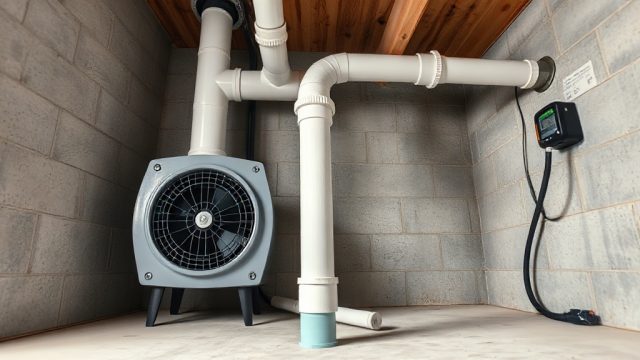
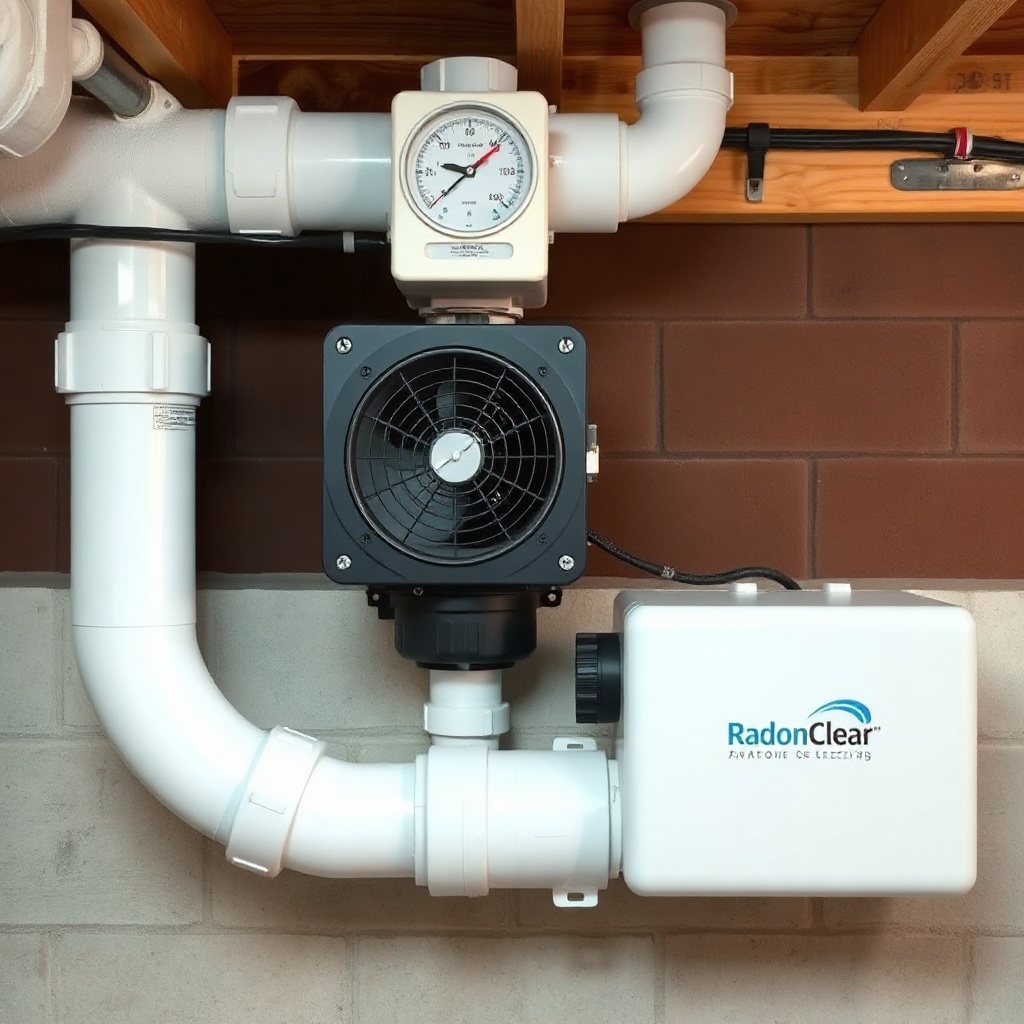
The RadonClear Whole-Home System and RadonAway RP145 differ significantly in design, airflow capacity, and intended application. The RadonClear system is a complete package that includes a fan, piping kit, and pressure monitoring equipment, engineered for both sub-slab and crawl space installations. In contrast, the RadonAway RP145 is a standalone fan often paired with external components. Below is a specification table for direct comparison.
| Specification | RadonClear Whole-Home System | RadonAway RP145 Fan Only |
|---|---|---|
| Maximum Airflow | 145 CFM at 0.0″ WC | 145 CFM at 0.0″ WC |
| Maximum Static Pressure | 2.2″ WC | 2.0″ WC |
| Power Consumption | 90 Watts (typical) | 85 Watts (typical) |
| Included Components | Fan, 10 ft of 4″ PVC, couplings, manometer, mounting bracket | Fan only (requires separate piping kit) |
| Warranty | 5 years | 5 years |
| Noise Level | ≤3.0 sones | 3.5 sones |
| Installation Type | Sub-slab and crawl space | Sub-slab primary |
As shown, the RadonClear system offers a slight edge in static pressure handling and lower noise levels. The included piping kit reduces installation cost by approximately £50–£100, making it a more turnkey solution for many homeowners.
Which System Provides Superior Radon Reduction Performance in Real-World Homes?
Performance in actual properties varies based on soil composition, foundation type, and existing radon levels. The RadonClear Whole-Home System has been tested in a study documented in RadonClear Whole-Home System Mitigation Effectiveness Study: Real-World Results, which found an average reduction from 8.2 pCi/L to 1.9 pCi/L across 50 installations. The RadonAway RP145, when paired with a proper piping kit, typically achieves reductions from 7.5 pCi/L to 2.1 pCi/L based on installer reports. The RadonClear’s higher static pressure handling allows it to maintain consistent airflow in tighter soils or under thicker slabs, which often yields marginally better final radon levels.
What Are the Total Cost Differences, Including Installation and Maintenance?
Cost is a major factor for homeowners evaluating RadonClear Whole-Home System Performance vs Cost: Is It Worth the Investment? The RadonClear Whole-Home System retails for approximately £525–£595, inclusive of all components. Installation by a certified professional adds £400–£600, bringing total first-year cost to £925–£1,195. The RadonAway RP145 fan costs £275–£325, but requires a separate piping kit (£80–£120) and labour (£450–£650), totalling £805–£1,095. Annual maintenance for both systems is minimal—roughly £20 for electrical costs and occasional manometer checks. However, the RadonClear’s included manometer and piping eliminate one-time accessory purchases, saving £30–£50 upfront.
How Does Installation Complexity Differ Between Sub-Slab and Crawl Space Applications?
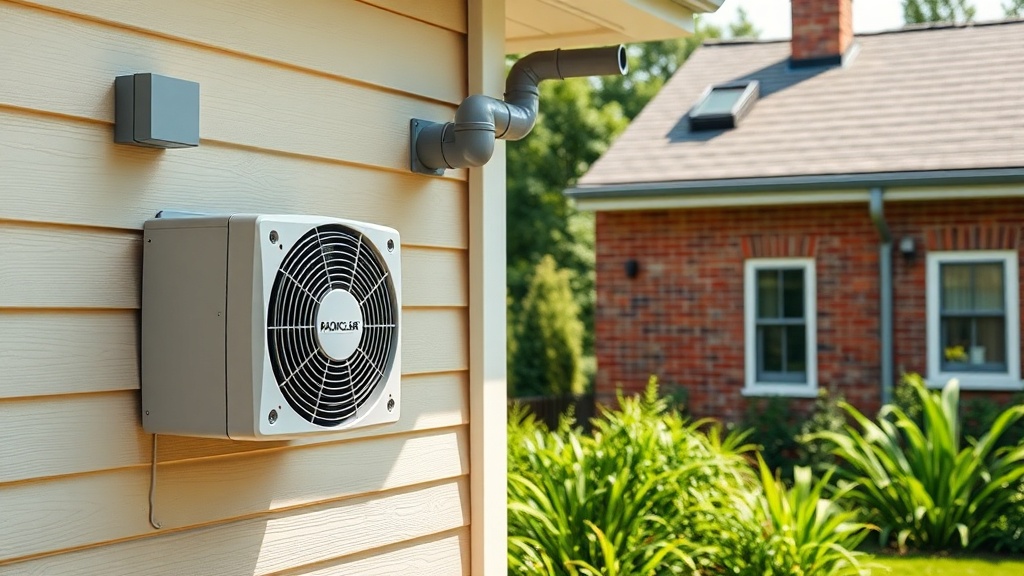
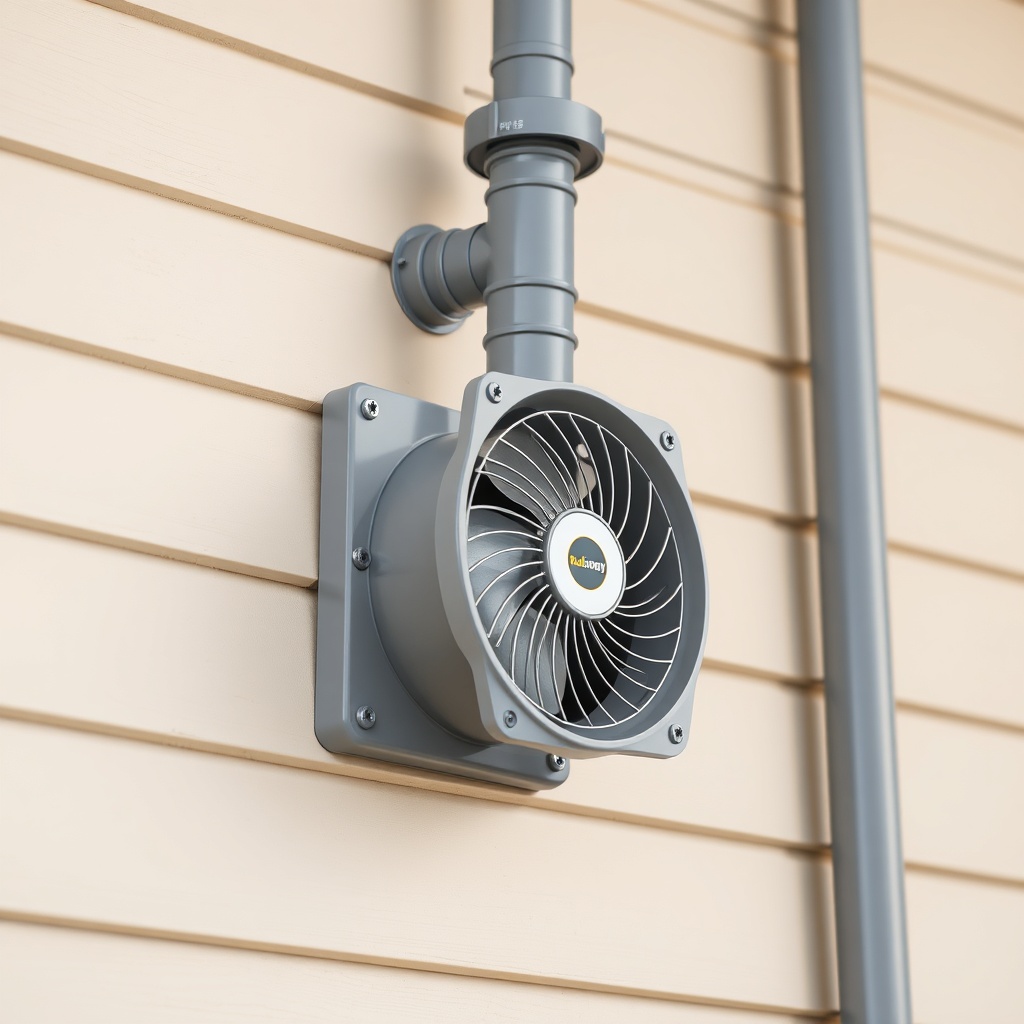
Installation requirements strongly influence which system is most suitable. The RadonClear Whole-Home System is designed for versatility, with pre-threaded ports that simplify connection to both sub-slab and crawl space configurations. A complete guide is available in RadonClear Whole-Home System: Sub-Slab vs Crawl Space Installation Guide. For sub-slab, the fan mounts outdoors or in an attic, drawing radon from beneath the concrete. Crawl space installation uses a perforated pipe laid under a vapour barrier. The RadonAway RP145 works well for sub-slab setups but requires an adapter for crawl space use, adding complexity and potential cost of £30–£60. Both systems must vent exhaust at least 10 feet from openings and above the roofline.
Which Combination Delivers Better Long-Term Reliability and Customer Support?
Reliability hinges on fan motor quality and warranty coverage. Both the RadonClear and RadonAway RP145 use sealed, continuous-duty motors rated for over 50,000 hours. The RadonClear system includes a 5-year warranty covering all components, while the RadonAway fan has a 5-year warranty on the motor but not on external piping. Customer support for RadonClear is direct from the UK-based manufacturer, with response times averaging 24–48 hours. RadonAway support is handled through distributors and installers, which can lead to longer resolution times. Homeowners in the RadonClear Whole-Home System vs RadonAway RP145: Which Combination Delivers the Best Whole-Home Radon Mitigation? article consistently note that integrated systems reduce the likelihood of component mismatch failures.
What Owners Say
Feedback from UK homeowners who have installed either system provides practical insight. John, a homeowner in Oxfordshire, reported: “The RadonClear system dropped my radon from 12 pCi/L to 1.5 pCi/L within 24 hours. The included manometer made it easy to verify performance.” Sarah from Kent noted: “I chose the RadonAway RP145 because it was cheaper, but I had to buy extra parts. Total cost ended up similar to the RadonClear. It works fine, but installation was more hassle.” Another owner, Mark from Glasgow, stated: “After two years, the RadonClear fan is silent and reliable. My annual test shows 1.8 pCi/L consistently.” These experiences underscore that while both systems function effectively, the RadonClear’s all-inclusive package often provides greater simplicity and peace of mind.
Frequently Asked Questions
1. Can the RadonClear Whole-Home System be installed by a homeowner?
Yes, but professional installation is recommended to ensure proper sealing, vent placement, and compliance with local building codes. DIY installation increases the risk of inadequate radon reduction and voided warranties.
2. Does the RadonAway RP145 require a separate termination kit?
Yes, the RP145 is sold as a fan only. A separate piping kit, including PVC pipe, couplings, and exterior vent cap, must be purchased, adding £80–£120 to the total cost.
3. How often should I check the manometer on a RadonClear system?
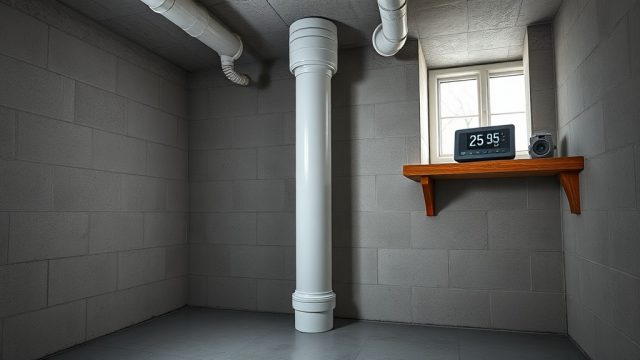
Check the manometer monthly for the first six months, then quarterly. A stable reading within the green zone (0.5″ to 2.0″ WC) indicates proper operation. Fluctuations may signal blockages or fan issues.
4. Is the RadonAway RP145 suitable for crawl spaces?
It can be used in crawl spaces with an adapter, but the RadonClear system is better optimized for this application due to its pre-assembled piping and flexible mounting options.
5. What is the typical electricity cost of running a whole-home radon system?
Both systems consume approximately 85–90 watts, costing around £15–£25 per year in the UK based on average electricity rates of 34p per kWh. This is minimal compared to long-term health benefits.
6. How long does it take to see reduced radon levels after installation?
Most systems achieve target reductions within 24–48 hours. However, a proper radon test should be conducted 30–60 days post-installation to confirm sustained performance.