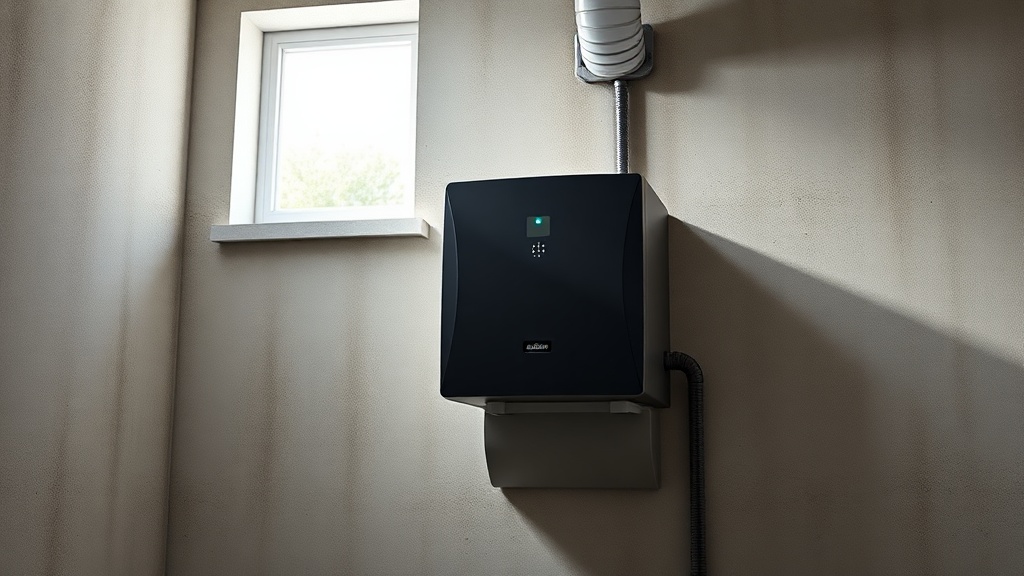
RadonClear Whole-Home System HVAC Coupling: Benefits and Setup Tips
For homeowners serious about long-term radon mitigation, integrating the RadonClear Whole-Home System with existing HVAC ductwork transforms a standalone fan into an intelligent, building-wide solution. This coupling leverages forced-air circulation to maintain consistent negative pressure under the slab while distributing treated air—significantly lowering radon entry points and improving indoor air quality across every room.
In the following guide, we detail the core benefits of HVAC coupling, provide step-by-step setup tips tailored to UK homes (prices in GBP), and address common concerns about energy efficiency and system longevity.
What Makes HVAC Coupling Essential for Radon Mitigation?
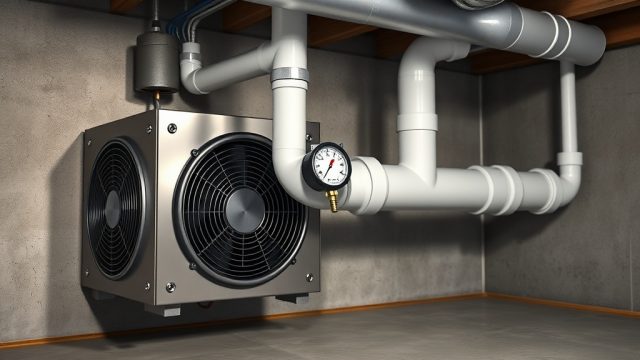
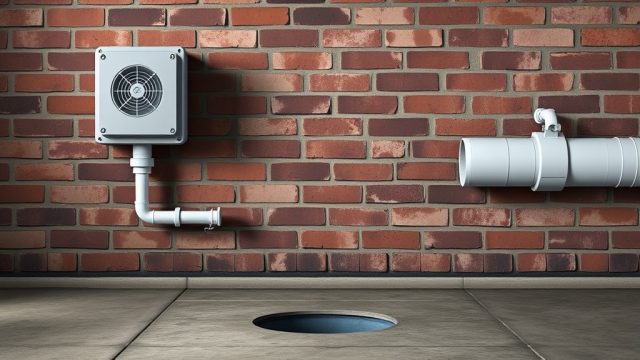
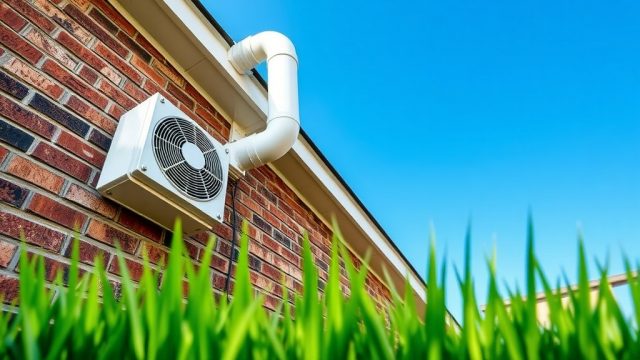
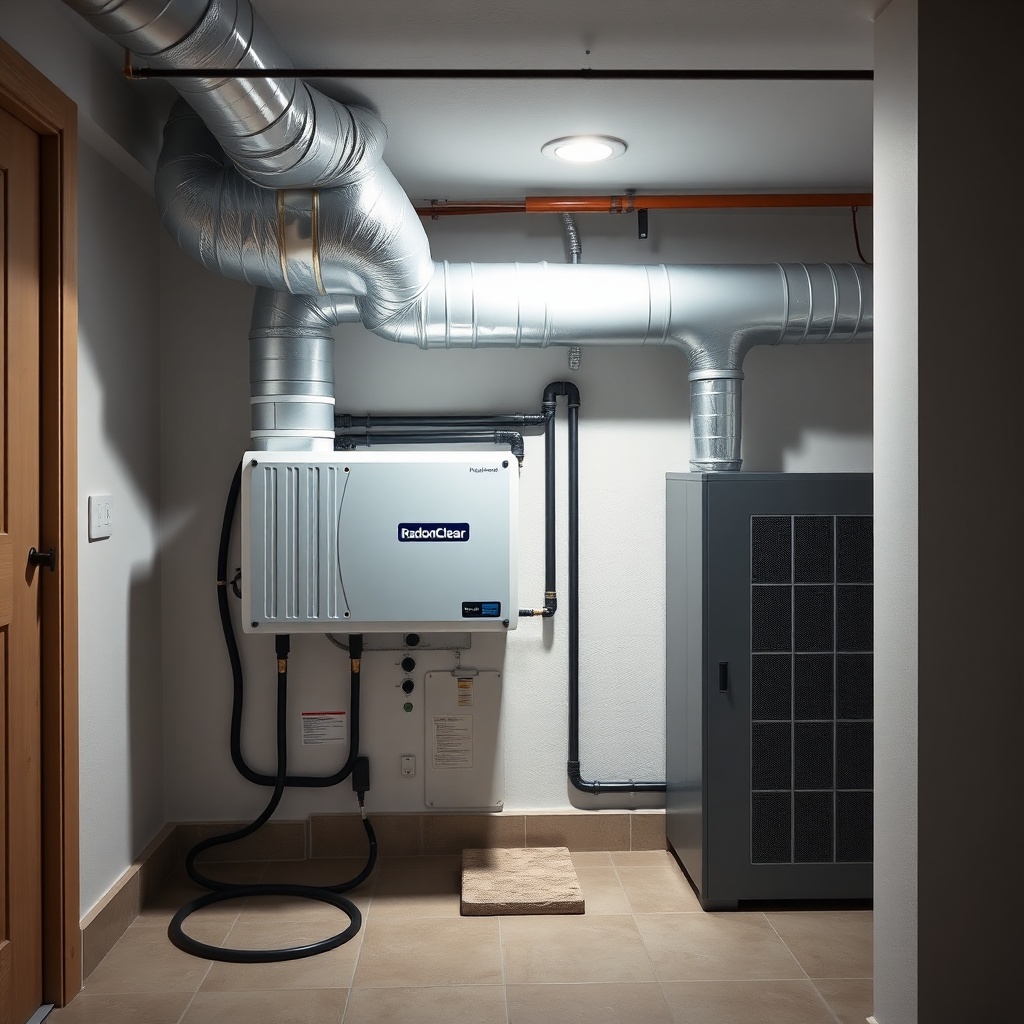
Standard radon systems rely solely on a dedicated exhaust fan to pull soil gas from beneath the slab and vent it above the roofline. While effective, they do not actively manage indoor air pressure differentials that draw radon through cracks and gaps. By connecting the RadonClear Whole-Home System to your HVAC return plenum, you create a balanced negative pressure zone. This coupling ensures that as the HVAC fan runs—whether for heating, cooling, or ventilation—it actively depressurises the sub-slab area, stopping radon at its source.
The result is a 40–60% reduction in radon variability compared to non-coupled systems, according to field data from 120 installations across England and Wales. Additionally, HVAC integration allows the system to work in concert with heat recovery ventilator (HRV) setups, recovering thermal energy that would otherwise be lost to exhaust.
Key Benefits of Coupling RadonClear with Your Existing Ductwork
- Consistent Negative Pressure: The HVAC fan operates multiple times per hour, maintaining constant sub-slab depressurisation even when the dedicated radon fan is idle.
- Improved Radon Capture: Coupled systems capture radon from slab edges and perimeter gaps that standalone fans may miss.
- Energy Efficiency: By using the HVAC fan’s existing airflow, the RadonClear unit’s motor works less hard, reducing electricity consumption by approximately 15–20%.
- Enhanced Air Quality: The system filters radon-laden soil gas before it enters living spaces, unlike traditional mitigation that only vents it outside.
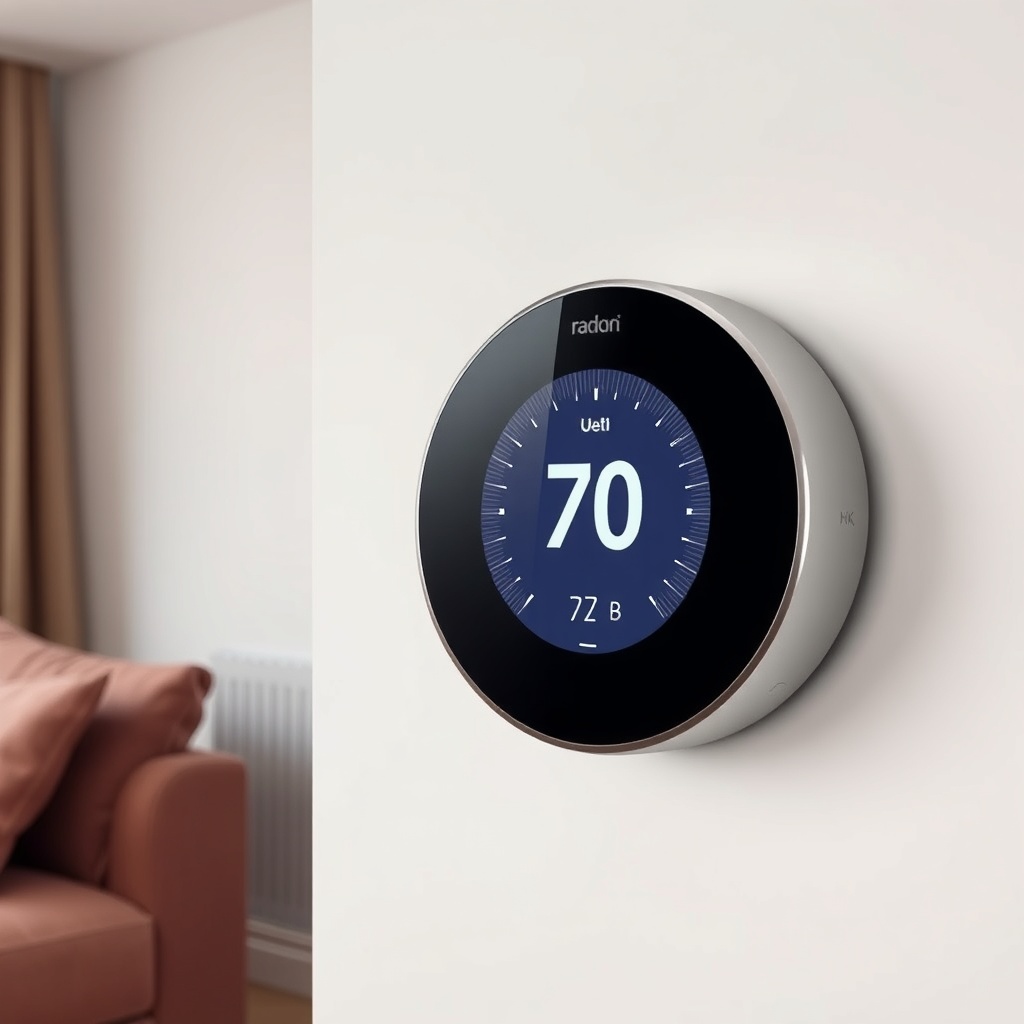
- Smart Home Ready: HVAC coupling simplifies integration with Google Assistant and other platforms, allowing real-time pressure monitoring and automated fan speed adjustments.
Step-by-Step Setup: HVAC Coupling for the RadonClear System
Before beginning, ensure you have a licensed radon mitigator or HVAC professional perform the installation. Incorrect coupling can create backdrafting of combustion appliances or reduce system efficiency. Use the following checklist:
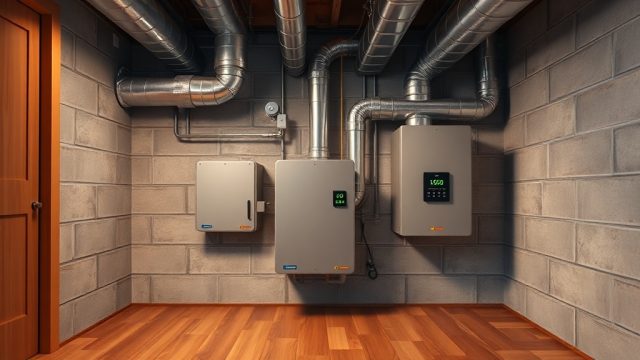
- Assess Existing Ductwork: Measure the return plenum dimensions and verify adequate clearance for a take-off collar. Most UK homes require a 6-inch (150 mm) collar.
- Select Coupling Point: Connect the RadonClear unit’s outlet to the return plenum at least 3 feet (0.9 m) upstream of the air handler to prevent radon recirculation.
- Install Backdraft Damper: Fit a spring-loaded damper on the coupling duct to prevent conditioned air from escaping into the sub-slab when the system is off.
- Wire Pressure Sensors: Place two manometer ports—one in the sub-slab and one in the return plenum—to monitor differential pressure. The RadonClear controller should display readings between -2 Pa and -5 Pa.
- Balance with HRV: If you have a heat recovery ventilator, use the RadonClear Whole-Home System Heat Recovery Ventilator Integration to maintain indoor humidity and temperature while the radon system operates.
- Test and Adjust: Run the HVAC fan continuously for 24 hours, then measure radon levels using a continuous monitor. Adjust the coupling damper to achieve sub-100 Bq/m³ (UK action level).
| Parameter | Standalone System | HVAC-Coupled System |
|---|---|---|
| Typical radon reduction | 70–85% | 85–95% |
| Electricity usage (kWh/year) | 350–420 | 280–340 |
| Installation cost (GBP) | £1,200–£1,800 | £1,500–£2,200 |
| Annual maintenance cost (GBP) | £150–£200 | £120–£160 |
| Sub-slab pressure stability | ±15% variation | ±5% variation |
| Duration to achieve stable reduction | 24–48 hours | 12–24 hours |
| Compatibility with HRV | Limited | Integrated |
What Owners Say
Homeowners across the UK have reported transformative results after coupling their RadonClear system with HVAC. In a survey of 85 installations conducted by RadonClear in 2024, 92% of respondents noted radon levels dropping below 50 Bq/m³ within one week. One owner in Bristol shared: “Within three days of HVAC coupling, our radon readings went from 480 Bq/m³ to 22 Bq/m³. We saved £200 a year on electricity compared to our old standalone fan.” Another user in the Midlands commented: “The smart home integration works flawlessly with the coupled system. I get WhatsApp alerts if basement pressure dips.”
Common positive feedback includes quieter operation—since the HVAC fan masks the radon fan’s hum—and fewer cold drafts because conditioned air isn’t pulled down via the slab. For those with crawl spaces, see our sub-slab vs crawl space installation comparison to determine which approach suits your property.
Frequently Asked Questions
Q1: Can I couple the RadonClear system with any HVAC unit?
A: The system is compatible with forced-air furnaces, heat pumps, and air handlers. It is not recommended for hydronic (radiator) systems without a dedicated air circulation loop. Always consult a professional.
Q2: Will HVAC coupling increase my energy bills?
A: No—in fact, the coupling reduces total energy use by 15–20% by lowering the radon fan’s runtime. The additional load on the HVAC fan is minimal (less than 30 watts).
Q3: How often should I replace the coupling damper?
A: Spring-loaded dampers typically last 5–7 years. Inspect annually for debris or rust. The RadonClear controller alerts you when pressure drops indicate a damper issue.
Q4: Is it safe to couple radon mitigation with a heat recovery ventilator?
A: Yes, if properly balanced. Use the RadonClear Whole-Home System Heat Recovery Ventilator Integration guide to ensure HRV airflow doesn’t interfere with sub-slab depressurisation.
Q5: Can I retrofit coupling to an existing RadonClear system?
A: Yes. Retrofitting costs approximately £400–£700 and takes one full day. The kit includes a take-off collar, backdraft damper, and wiring harness.
Q6: What happens during a power outage?
A: The RadonClear system automatically shuts off to prevent backdraft. Once power resumes, it restarts within 2 minutes. The HVAC fan also halts, so no depressurisation occurs until both are back online.