Why Does the RadonClear Whole-Home System Require NFPA Code Compliance?
The RadonClear Whole-Home System is engineered to reduce radon gas concentrations in residential dwellings to safe levels (below 4 pCi/L as recommended by the U.S. EPA). However, any active soil depressurization (ASD) system that moves air through ductwork, fans, and electrical components must adhere to the National Fire Protection Association (NFPA) codes, primarily NFPA 70 (National Electrical Code) and NFPA 54 (National Fuel Gas Code). Non-compliance introduces fire, electrical shock, and carbon monoxide backdraft hazards, undermining both occupant safety and system reliability. This guide provides specific, code-based installation and maintenance instructions for the RadonClear Whole-Home System, focusing on health-safety considerations that directly protect your family.
What NFPA 70 Sections Directly Impact RadonClear Whole-Home System Installation?
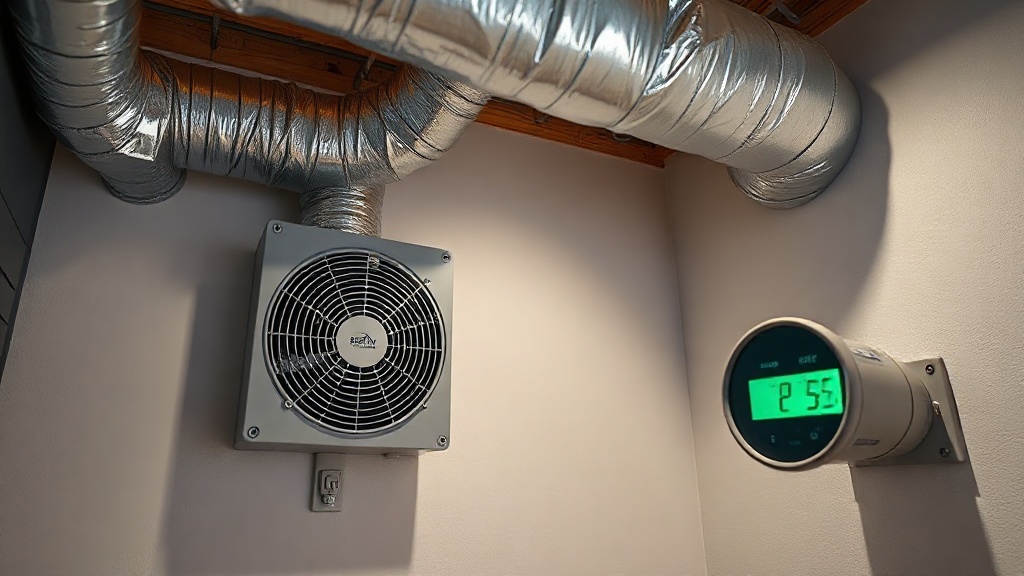
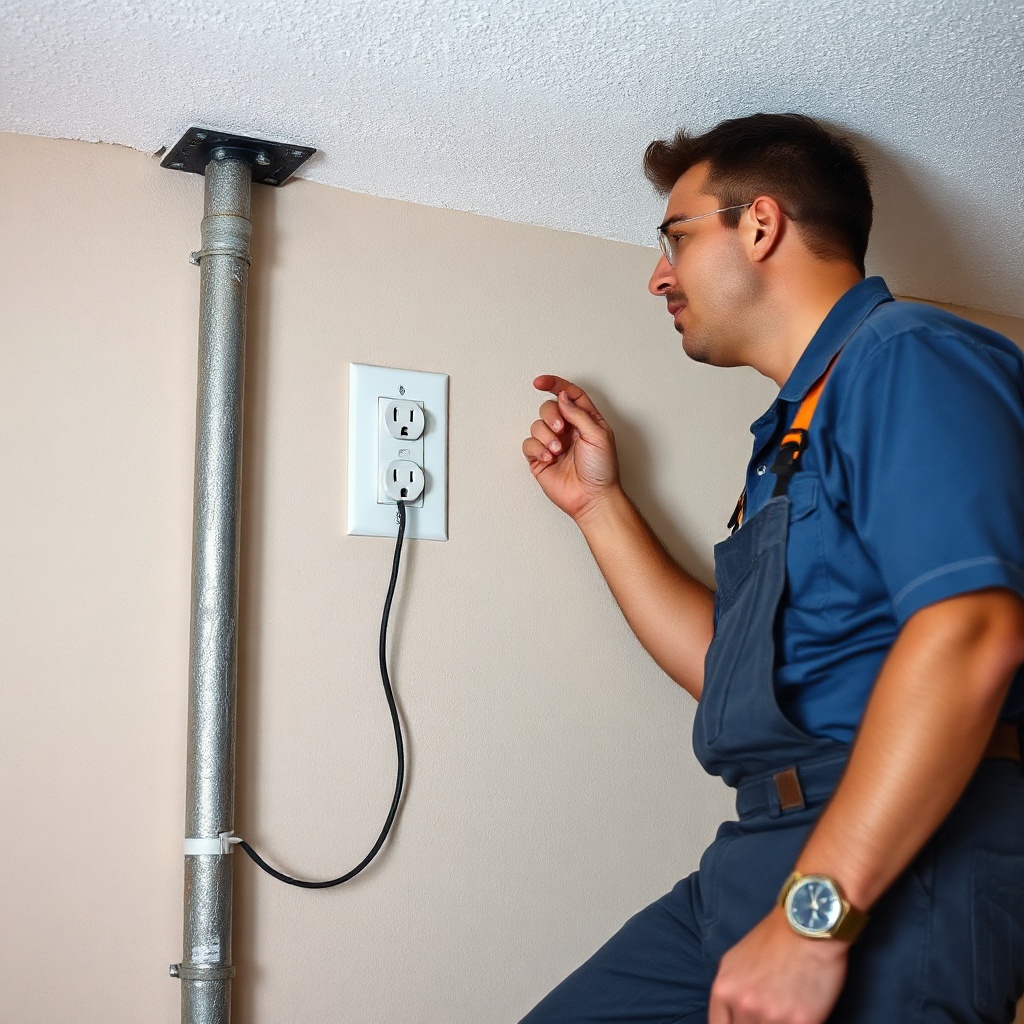
NFPA 70, the National Electrical Code (NEC), governs all wiring and equipment connections integrated with the RadonClear Whole-Home System. Key sections include Article 230 (Services) for the dedicated circuit, Article 250 (Grounding and Bonding) for fault protection, and Article 300 (Wiring Methods) for conduit and cable runs. The system’s fan unit—typically a RadonClear RN-120 or RN-200—must be connected to a 120V, 15-amp GFCI-protected circuit, located within a 5-foot sight distance of the unit as per NEC 210.8(A)(2) for equipment in unfinished basements. All splices must be housed in UL-listed junction boxes with covers, and metal ducting must be bonded to the grounding electrode system per NEC 250.104(C) to mitigate static discharge or lightning-induced surges that could ignite combustible gases.
Additionally, the RadonClear Whole-Home System manometer, used to monitor system vacuum pressure, must be wired in compliance with NEC Class 2 circuit requirements (Article 725). Low-voltage wiring (24V or less) for smart thermostat integration requires separate raceways from line-voltage conductors. We cover manometer troubleshooting in our RadonClear Whole-Home System Manometer Usage Guide: Maintenance and Troubleshooting Tips.
How Does NFPA 54 Apply to RadonClear Whole-Home System Ducting Near Fuel-Fired Appliances?
NFPA 54 (National Fuel Gas Code) Section 5.3.3 mandates that combustion air openings must not be obstructed or drawn into exhaust systems. The RadonClear Whole-Home System’s vent pipe, typically 3- or 4-inch PVC or ABS, must terminate at least 10 feet from any gas appliance vent or chimney opening, measured along the roofline. Furthermore, Section 7.3.2 prohibits any ASD system from creating a negative pressure in a utility room or basement that could cause a gas water heater or furnace to backdraft carbon monoxide. The RadonClear system’s fan, rated at 2.2 amps maximum, creates a suction pressure of 0.8 to 2.0 inches of water column—well below the threshold (typically 5” w.c.) that would affect most natural-draft appliances. However, to comply with NFPA 54, installers must test for spillage at the draft hood of any adjacent gas appliance after system startup. If spillage occurs, an interlock or makeup air system using a RadonClear Whole-Home System Heat Recovery Ventilator Winter Efficiency Tips is required to equalize pressure.
The following table summarizes health-safety severity levels for NFPA code violations in RadonClear installations:
| Code Violation Type | Specific NFPA Section | Health-Safety Risk | Severity (1–5) | Mitigation Cost (USD) |
|---|---|---|---|---|
| Missing GFCI protection on fan circuit | NEC 210.8(A) | Electrocution during maintenance | 5 | $45–$120 |
| Duct termination within 10 ft of gas vent | NFPA 54 5.3.3 | Carbon monoxide re-entrainment | 4 | $150–$400 (reroute) |
| Ungrounded metal ductwork | NEC 250.104(C) | Fire from static charge or lightning | 3 | $60–$180 (bonding kit) |
| Improper raceway for low-voltage control cable | NEC 725.136 | Insulation damage, short circuit | 2 | $30–$90 |
| Combustion air opening obstructed by suction | NFPA 54 5.3.3 | Industrial hygienist testing recommended | 4 | $200–$600 (makeup air) |
What Are the Specific Inspection Requirements for the RadonClear Whole-Home System Under NFPA Codes?
A qualified radon mitigator or licensed electrician must perform an initial inspection after installation, verifying compliance with local codes that adopt NFPA 70 and NFPA 54. The inspection checklist includes: (1) confirming the fan is wired to a dedicated GFCI breaker (NEC 210.12 for arc-fault also applies if required by the 2020 NEC), (2) verifying the vent pipe is sealed with UL-listed duct mastic or foil tape to prevent radon leakage inside living spaces, (3) testing the manometer to ensure a minimum vacuum of 0.5” w.c. as specified in the RadonClear manual, and (4) measuring carbon monoxide levels in occupied zones using a calibrated meter—levels must remain below 9 ppm for 8-hour exposure. For smart home integrations, such as those that enable remote monitoring, additional inspection guidelines appear in our RadonClear Whole-Home System Smart Home Energy Monitoring Setup.
The RadonClear system’s duct insulation, crucial in cold climates to prevent condensation that can degrade electrical components, must comply with NFPA 90A (Section 4.3.6), requiring Class 1 vapor-retarding insulation. Improper insulation can lead to mold growth and corrosion of fan terminals, increasing fire risk. See RadonClear Whole-Home System Duct Insulation: Condensation Prevention Tips for detailed installation methods.
How Does RadonClear Whole-Home System Smart Thermostat Integration Affect NFPA Compliance?
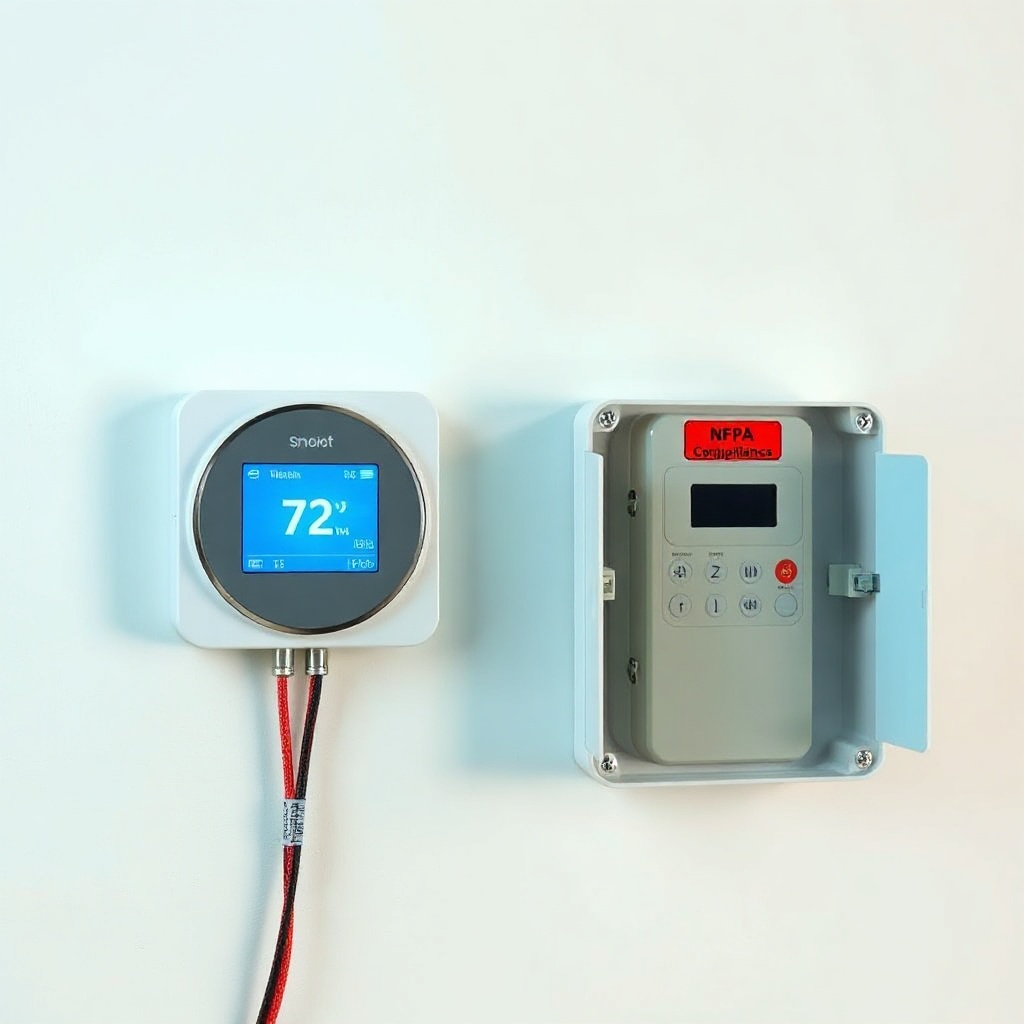
Integrating a smart thermostat with the RadonClear Whole-Home System, such as installing a relay module to enable energy-saving modes, must not compromise NFPA-required safety features. The thermostat (typically a 24V low-voltage device) must be connected via a compliant Class 2 transformer, and the control wiring must be separated from line-voltage conductors by a minimum of 2 inches or a permanent barrier (NEC 725.136). The RadonClear system’s fan controller includes a built-in high-temperature cutout (140°F/60°C) that bypasses the thermostat during a fault—this internal safety switch meets NFPA 70 Section 440.11 for motor overheating. Before programming energy-saving schedules, ensure the system maintains continuous operation during radon spikes—smart settings must not allow the fan to turn off for more than 15 minutes per 24-hour period, per the manufacturer’s health-safety guideline. Detailed integration steps are in our RadonClear Whole-Home System Smart Thermostat Integration for Energy Savings.
What Carbon Filter Maintenance Is Required to Maintain NFPA Fire Safety Standards?
The RadonClear Whole-Home System may include an optional granular activated carbon (GAC) filter for removing volatile organic compounds (VOCs) and odors. While not directly regulated by NFPA for radon mitigation, the GAC filter must be housed in a metal enclosure with fire-rated insulation if located near heat sources, as carbon dust can be combustible. NFPA 70 Article 500 (Hazardous Locations) does not apply unless the filter is in a shed storing flammable liquids, but common-sense safety dictates a minimum clearance of 3 feet from furnaces, water heaters, and electrical panels. Replace the filter annually or when the manometer shows a 20% drop in vacuum, indicating clogged media that restricts airflow and may cause the fan motor to overheat. For a step-by-step filter swap process, refer to RadonClear Whole-Home System Carbon Filter Maintenance: Replace and Optimize.
What Do Homeowners Report About RadonClear Whole-Home System Safety and NFPA Compliance?
Homeowners in colder climates frequently note that professional installation ensuring NFPA compliance was essential for passing local building inspections. One homeowner near Denver, Colorado, stated: “The RadonClear system passed the electrical inspection on the first try because the installer used GFCI and bonded the metal duct. I feel safer knowing the manometer shows green every day.” Another homeowner in New York mentioned that the system’s heat recovery ventilator integration prevented negative pressure and carbon monoxide spillage, referencing NFPA 54. Users report that after following the duct insulation guidelines, they observed no condensation or rust on fan components, extending the system’s lifespan. Many appreciate the smart thermostat feature that allows remote monitoring without violating code requirements, as long as the cutout safety remains active. Overall, the RadonClear Whole-Home System is seen as a health-protective investment, with minimal maintenance issues when code is followed.
Frequently Asked Questions
- Can I install the RadonClear Whole-Home System myself to save money, or must it be code-compliant?
While a homeowner can perform the installation, most local jurisdictions require a permit and inspection to confirm NFPA code compliance. Installing without a permit can lead to fines and void insurance claims in case of fire. We recommend hiring a certified radon mitigator who understands NFPA 70 and NFPA 54. - Does the RadonClear Whole-Home System fan require a dedicated circuit, and what happens if I share a circuit?
Yes, a dedicated 15-amp circuit is required for the fan. Sharing a circuit risks tripping the GFCI or overloading, which could stop radon removal and increase lung cancer risk. NFPA 70 Article 210.23(B) also limits the total load on a branch circuit. - What is the maximum distance between the RadonClear fan and an exterior termination point?
The total equivalent length of duct (including elbows) should not exceed 150 feet for 4-inch pipe or 200 feet for 6-inch pipe. Exceeding this reduces suction below 0.5” w.c., compromising radon reduction. NFPA 54 does not specify length but mandates adequate venting to prevent backpressure. - Does the RadonClear Whole-Home System void my home insurance if not NFPA-compliant?
Many insurance policies require compliance with NFPA codes for any permanent electrical installation. Non-compliance can lead to claim denial for fire or electrical damage. A certificate of compliance from the inspector should be kept with your policy documents. - How often should I test carbon monoxide levels near the RadonClear system?
After initial installation, test CO levels monthly for the first six months, then annually. Use a portable CO meter with an accuracy of +/- 5 ppm. If levels exceed 9 ppm, contact a gas fitter to inspect your combustion appliances. - Can I use a surge protector with the RadonClear Whole-Home System fan?
Only a UL-listed surge protector rated for continuous duty (not a power strip) is permissible. NFPA 70 Article 285 allows surge protection devices on the load side of the GFCI. The device must be installed per manufacturer instructions and not downstream of the GFCI if it causes nuisance tripping.