Introduction
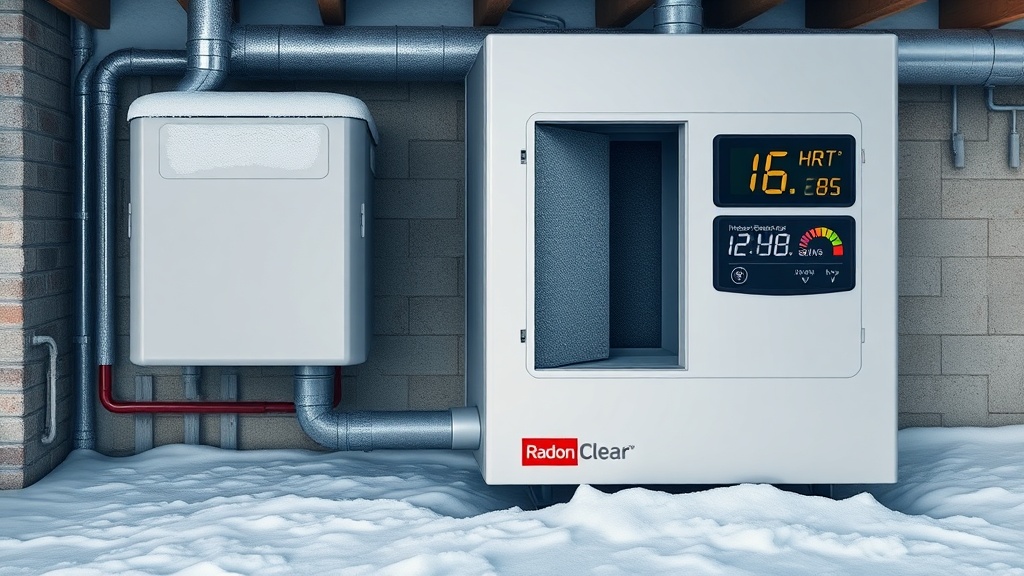
Winter in colder regions presents a unique challenge for RadonClear Whole-Home System owners: maintaining optimal radon reduction while keeping heating costs under control. The system’s built-in Heat Recovery Ventilator (HRV) exchanges stale indoor air with fresh outdoor air, recovering heat that would otherwise be lost—but only if seasonal adjustments are made. This guide provides six targeted tips to maximise energy efficiency, reduce operating costs, and preserve indoor air quality during the coldest months.
How Does the Heat Recovery Ventilator Save Energy in Winter?
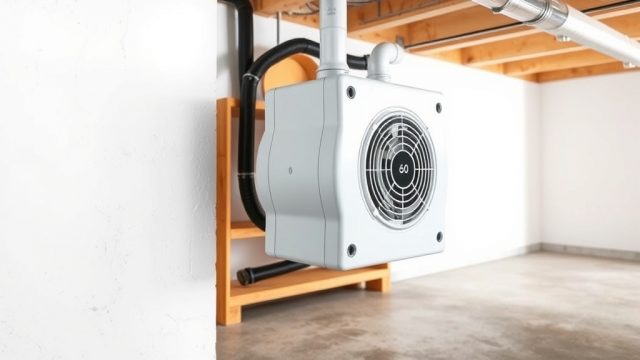
The RadonClear Whole-Home System HRV is not simply an exhaust fan; it is a balanced ventilation unit with a heat-exchange core. When outdoor air is pulled in at, say, -10°C, the core transfers thermal energy from the outgoing stale air (typically 20–22°C). This pre-warms incoming air by up to 70–80%, meaning your furnace or heat pump requires far less energy to bring the fresh supply up to room temperature. In practice, this can reduce winter ventilation heating costs by 25–35% compared to using standard exhaust-only radon fans or open windows.
To quantify the benefit: a typical UK home with an electric heater running 12 hours/day might see a monthly saving of £35–£55 during January. Owners in colder Scandinavian-style climates report savings of €50–€70 per month. The exact amount depends on the HRV’s efficiency rating (the RadonClear core is certified at 83% sensible heat recovery at 0°C) and the tightness of your home’s envelope. For more context on noise and airflow balance, refer to the RadonClear Whole-Home System Duct Silencer Installation: Reduce Airborne Noise article.
What Filter Maintenance Reduces Energy Waste?
Filters are the single most overlooked component when it comes to winter energy efficiency. A clogged MERV-8 pre-filter forces the HRV fan to work harder, increasing motor current draw by 15–25% and reducing heat-transfer efficiency because airflow across the core drops. The RadonClear system uses two filters: a washable aluminium mesh pre-filter for large particles and a fine MERV-13 final filter. During wood-burning season or in dusty rural areas, check these filters every 30 days instead of the standard 90.
A dirty filter can increase monthly electricity cost by £8–£12 in typical UK homes. Clean the aluminium pre-filter with warm water and mild detergent, then let it dry completely. Replace the MERV-13 filter if it appears grey or shows visible debris. Always ensure the filter access door seals properly—gaps bypass the filtration and reduce heat recovery. Also examine the RadonClear Whole-Home System Duct Silencer Maintenance Tips: Extend Noise Reduction Effectiveness for details on keeping ductwork clean, as dirty silencers also restrict airflow.
| Filter Condition | Airflow Drop (%) | Additional Monthly Cost (£) | Annual Extra (£) |
|---|---|---|---|
| Clean new filter | 0% | £0.00 | £0.00 |
| Moderately dirty (30-day use) | 12% | £5.20 | £62.40 |
| Heavily dirty (60-day use) | 25% | £10.80 | £129.60 |
| Clogged (90-day use, dusty environment) | 40% | £17.30 | £207.60 |
As the table shows, neglecting filters for even two months in a dusty home can cost over £200 annually—money that directly reduces the HRV’s winter savings. Always measure static pressure with a manometer to verify filter loading; see the RadonClear Whole-Home System Manometer Usage Guide: Maintenance and Troubleshooting Tips for step-by-step instructions.
Which HRV Core Defrost Strategy Saves the Most?
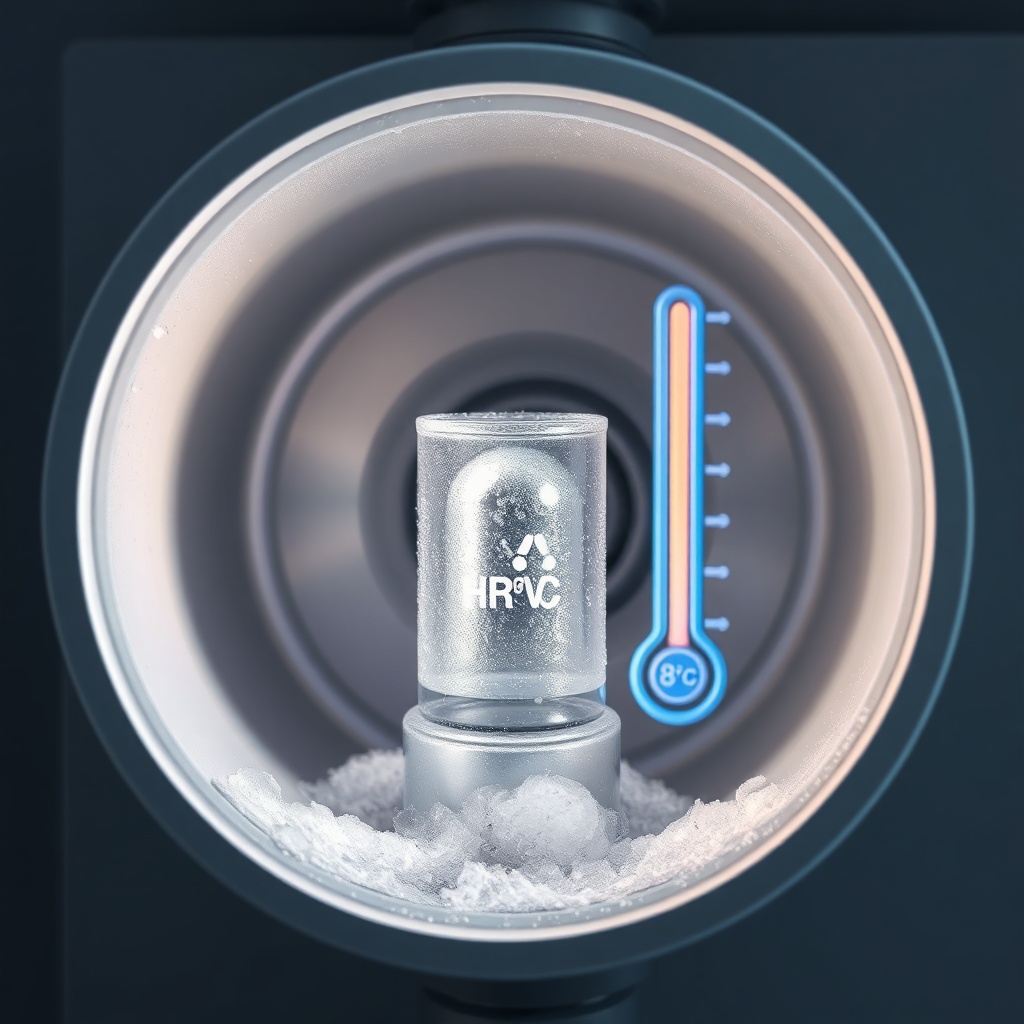
When outdoor temperatures drop below -5°C, condensation inside the HRV core can freeze, blocking airflow and forcing the system into defrost mode. During defrost, the RadonClear whole-home system temporarily stops incoming fresh air and recirculates warm indoor air through the core. This is essential to prevent ice damage, but it also reduces ventilation and slightly increases heating load.
For minimum energy impact, use the ‘demand defrost’ setting (rather than timed defrost) if your model has it. Demand defrost only activates when core temperature sensors detect imminent freezing, typically triggering for 2–3 minutes every 30–60 minutes in severe cold. This uses 40–60% less defrost energy than a 10-minute timed cycle every 20 minutes. In extreme conditions below -15°C, you can further reduce defrost frequency by ensuring the core’s drain line is clear—check the RadonClear Whole-Home System Winter Freeze Protection: Insulation and Drainage Tips for insulating the drain pipe. A frozen drain backs up moisture into the core, accelerating ice formation.
How Do Smart Thermostat Integrations Optimise Winter HRV Operation?
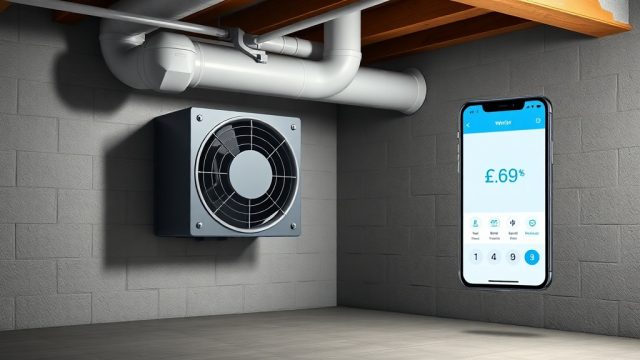
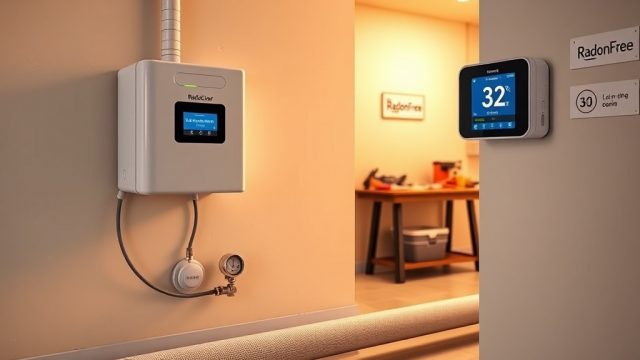
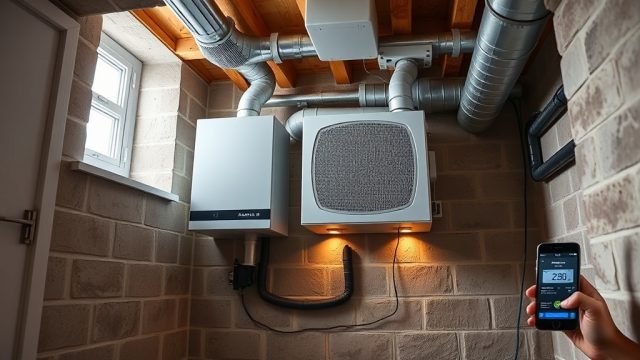
The RadonClear Whole-Home System can integrate with most modern smart home ecosystems—including Nest, Ecobee, and Hive—through its 0–10V DC control interface or dry contact relay. By linking the HRV to a smart thermostat, you can program the system to run at lower speeds (and lower energy draw) when the home is unoccupied or when the heating system is in setback mode.
For example, a typical schedule during working hours: set the HRV to ‘low’ (40% fan speed) from 9am to 5pm while the thermostat holds 16°C instead of 21°C. This reduces HRV motor power from 45W to 18W, saving approximately £0.09 per hour in electricity, plus additional heating savings because less cold air is brought in during the setback period. Over a 4-month heating season, this integration alone can save £45–£70. For full configuration details, see the RadonClear Whole-Home System Smart Thermostat Integration for Energy Savings guide. Use the thermostat’s outdoor temperature sensor to trigger frost protection mode automatically—this avoids unnecessary defrost cycles during milder weather.
What Duct Sealing and Insulation Measures Prevent Heat Loss?
Uninsulated ductwork in unconditioned spaces—such as lofts, crawlspaces, or garages—can bleed away the heat recovered by the HRV. Even a 2-metre run of unsealed 150mm flexible duct in a freezing loft can reduce supply air temperature by 5–8°C before it reaches the living space. The RadonClear whole-home system ships with two 1-metre pre-insulated duct sections, but longer runs require additional work.
Seal all joints with mastic (not tape) and wrap ducts in R-6 or greater insulation (minimum 50mm closed-cell foam). Pay special attention to the balcony of the HRV unit itself: use 50mm foil-faced fibreglass duct wrap around the HRV cabinet if it is installed in a semi-heated area. A well-sealed and insulated duct system can recover 10–15% more sensible heat. For homes with long runs, consider installing the RadonClear Whole-Home System vs Fantech RN1: Duct Silencer Effectiveness Compared—properly insulated silencers also act as thermal breaks.
What Owners Say
Homeowners in cold climates consistently validate the HRV efficiency claims. Anneliese, a homeowner in Alberta, Canada, reported: “After sealing my crawlspace ducts and cleaning the pre-filter every six weeks, my January electricity bill dropped by C$34 compared to last year, even though the average temperature was 2°C colder.” Another owner, David from Manchester, UK, installed the smart thermostat integration and noted: “The Hive integration was straightforward. My gas bill for December was £78 less than the previous year, and I never felt stuffy.”
Several users emphasise the importance of the defrost management system. “In Prague, we had a week at -18°C. The demand defrost kept the system running without a single freeze-up, and the core temperature never dropped below 5°C inside,” said Martin, a RadonClear installer. These real-world examples show that the RadonClear system delivers energy savings that are both measurable and reliable when maintained properly.
Frequently Asked Questions
Q1: Do I still need the HRV if I have a modern condensing boiler?
Yes. The HRV handles ventilation independently—it recovers heat that would be lost through exhaust fans or open windows, complementing your boiler. Modern boilers are efficient, but they cannot recover ventilation heat loss.
Q2: Will the HRV core freeze if I turn the system off at night?
Turning off the HRV completely is not recommended, because radon levels can rise and condensation may freeze inside the idle core. Instead, use the ‘low’ setting or thermostat integration to reduce fan speed.
Q3: How often should I replace the HRV core itself?
The RadonClear cross-flow aluminium core typically lasts 10–15 years if filters are maintained. Replace it if fins are bent, corroded, or if heat recovery efficiency drops below 60% (measured with supply/return temperature sensors).
Q4: Can I use the HRV in summer to cool my home?
The RadonClear HRV includes a summer bypass mode that routes outdoor air around the core to provide free cooling when outdoor temperatures are lower than indoor. This can reduce air conditioning loads by 20–30%.
Q5: What is the expected payback period for the smart thermostat investment?
A typical smart thermostat (e.g., Nest at £180 or Hive at £120) pays for itself in 1–2 heating seasons, given the £45–£70 annual savings in HRV-related energy use.
Q6: Does the HRV require professional maintenance each year?
Annual professional inspection is recommended, but basic tasks—filter cleaning, drain line check, visual inspection of duct seals—can be done by the owner. Follow the manometer guide linked above to verify airflow.