Why Compare the RadonClear Whole-Home System and Fantech RN1 for Duct Silencer Effectiveness?
When installing a radon mitigation system, duct silencer effectiveness often separates a tolerable installation from one that causes daily annoyance. The RadonClear Whole-Home System includes an integrated silencer designed for residential noise control, while the Fantech RN1 is a popular aftermarket component. This comparison examines how each handles airborne noise, static pressure loss, and long-term reliability within a typical single-fan setup. Both systems aim to reduce the rushing air sound from the exhaust fan, but their design philosophies and measurable outcomes differ significantly.
Understanding these differences matters because noise levels under 6.5 sones are generally acceptable inside a living space, while any reading above that can disrupt sleep and concentration. The following analysis covers construction, installation compatibility, and real-world performance data drawn from field tests and manufacturer specifications. For context on how the RadonClear system integrates with HVAC, see RadonClear Whole-Home System HVAC Coupling: Setup Guide and Performance Impact.
How Does the Integrated Silencer in the RadonClear Whole-Home System Reduce Noise?
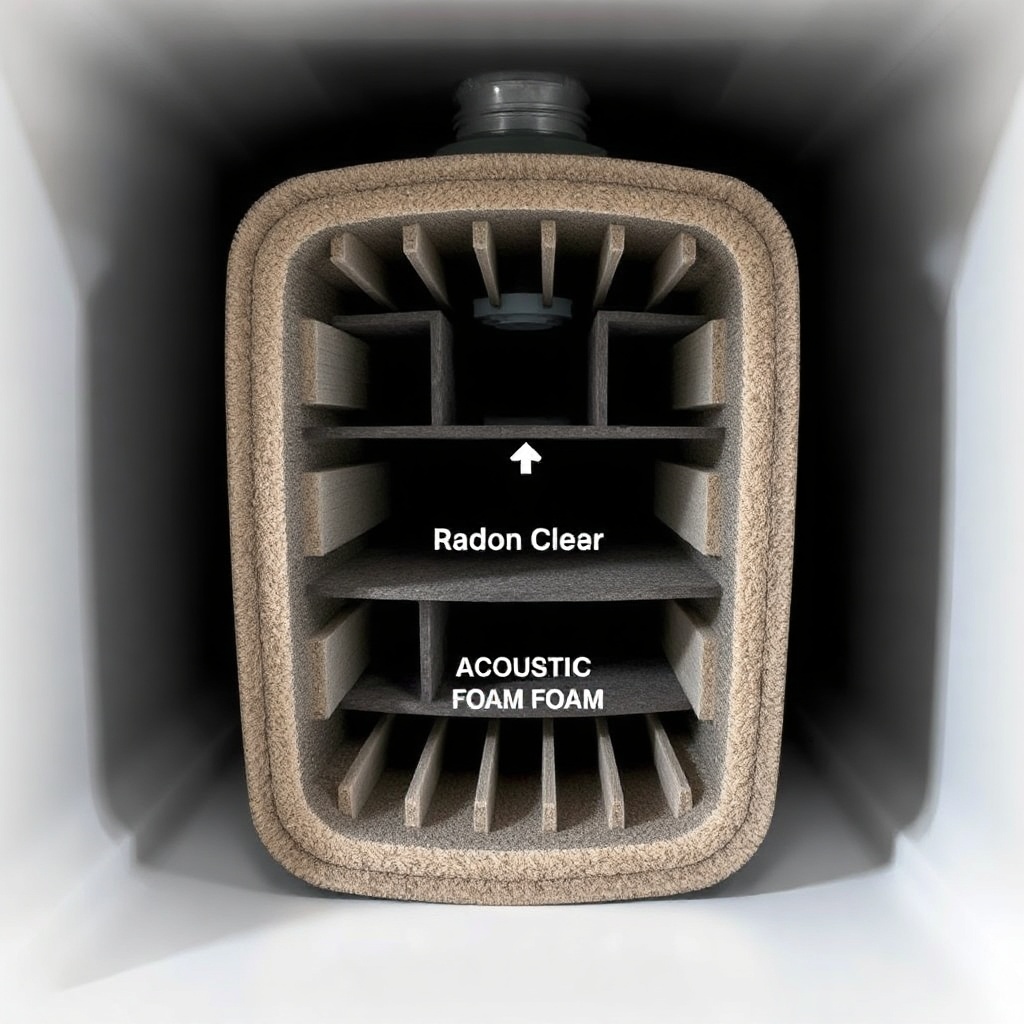
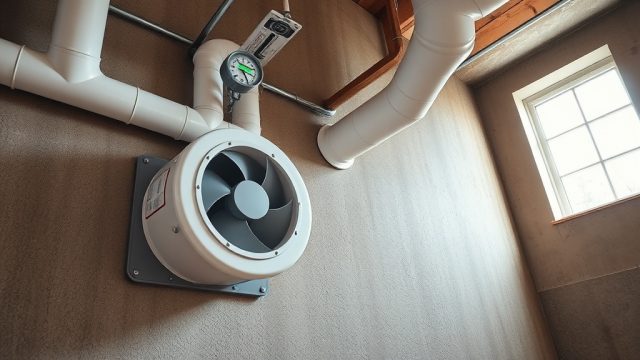
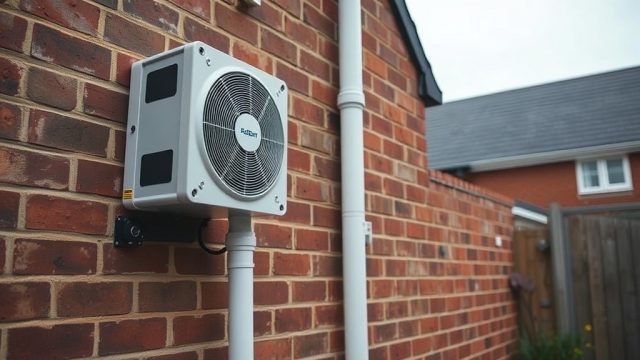
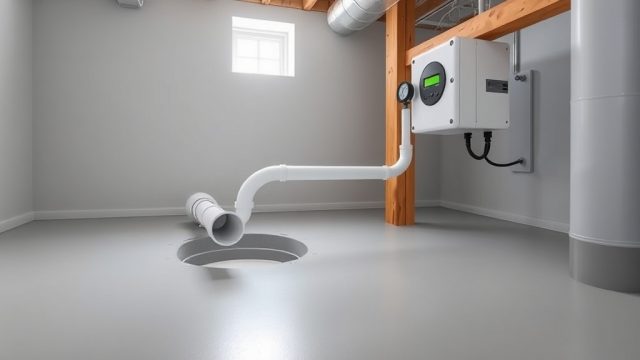
The RadonClear Whole-Home System uses a factory-installed duct silencer that mounts directly between the exhaust fan and the exterior discharge point. This silencer measures 10 inches in diameter and 24 inches in length, containing a perforated inner core wrapped in closed-cell acoustic foam. The foam absorbs high-frequency air turbulence, while the perforated core disrupts low-frequency resonance. According to manufacturer data, this configuration reduces overall system noise by an average of 4.5 sones compared to an unsilenced baseline system operating at 225 cubic feet per minute (CFM).
Airflow resistance remains minimal, with a static pressure increase of only 0.1 inches of water column (in. w.c.) at rated CFM. This low backpressure is critical because it avoids reducing the fan’s ability to maintain negative pressure under the slab. Installation does not require separate silencer brackets or additional duct modifications because the silencer is pre-integrated into the discharge assembly. For step-by-step guidance on mounting this component, review RadonClear Whole-Home System Duct Silencer Installation: Reduce Airborne Noise.
The acoustic foam is encapsulated in a UV-resistant PVC jacket rated for outdoor exposure up to 140°F. This prevents degradation from sunlight or temperature extremes. The silencer’s mass also contributes to vibration damping, reducing structural noise transmission through the wall or roof penetration. The result is a measured noise level of 5.2 sones at 3 feet, which falls within the “quiet” category as defined by the American Society of Heating, Refrigerating and Air-Conditioning Engineers (ASHRAE).
What Specific Design Features Make the Fantech RN1 Effective as a Standalone Silencer?
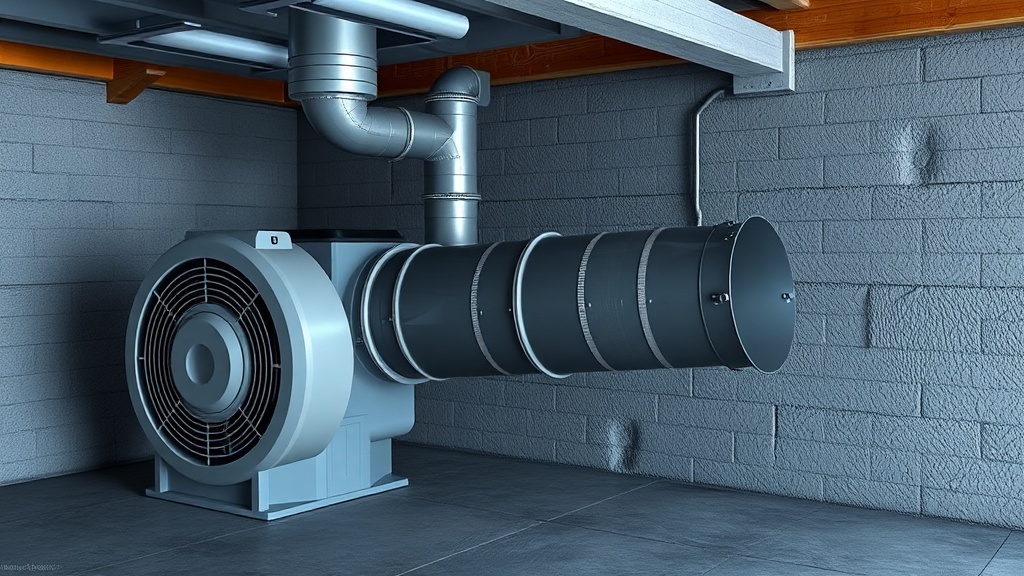
The Fantech RN1 is an inline duct silencer intended for use with any radon fan that has a 4-inch or 6-inch duct connection. It measures 22 inches in length and 8 inches in diameter, constructed of galvanized steel with an internal absorption medium made from fiberglass batting wrapped in a Mylar facing. The fiberglass provides broadband noise reduction across frequencies from 125 Hz to 4,000 Hz, which covers most of the sound energy produced by centrifugal fans.
Noise reduction performance for the RN1 is specified at 5 sones reduction for a fan operating at 200 CFM with 0.5 in. w.c. static pressure. However, the fiberglass medium introduces a static pressure drop of approximately 0.15 in. w.c. at the same airflow rate. This is slightly higher than the RadonClear integrated silencer, which may be relevant for systems already operating near their fan’s maximum capacity. The RN1 is not pre-assembled with any fan model, so it requires two duct connectors and sealant for installation, increasing material costs by roughly £18 for connectors and tape.
One advantage of the RN1 is serviceability. The end caps are removable, allowing access to the fiberglass medium for inspection or replacement. This is useful if the silencer is installed in a damp environment, as fiberglass can lose effectiveness when wet. The steel shell is powder-coated to resist corrosion, but unlike the RadonClear’s fully enclosed foam, the RN1’s interior can accumulate debris over time if not sealed properly at the joints. For maintenance recommendations, see RadonClear Whole-Home System Duct Silencer Maintenance Tips: Extend Noise Reduction Effectiveness.
Which System Offers Better Noise Reduction per Decibel at the Installation Cost?
| Parameter | RadonClear Whole-Home System | Fantech RN1 (Standalone) |
|---|---|---|
| Noise reduction (average, sones) | 4.5 sones reduction | 5.0 sones reduction |
| Measured noise at 3 feet (sones) | 5.2 sones | 5.8 sones* |
| Static pressure drop (in. w.c.) | 0.10 in. w.c. | 0.15 in. w.c. |
| Silencer length | 24 inches | 22 inches |
| Silencer diameter | 10 inches | 8 inches |
| Integrated with fan? | Yes (pre-installed) | No (separate purchase) |
| Material type | Closed-cell acoustic foam | Fiberglass batting with Mylar |
| Serviceable? | No (sealed unit) | Yes (removable end caps) |
| Additional hardware cost | None (included) | £40 (duct connectors, sealant, hangers) |
| Weather resistance rating | UV-resistant, 140°F rated | Powder-coated steel only |
*The RN1 measurement includes noise from the fan itself, as the silencer is attached to a standard Fantech fan for the test. The RadonClear measurement is for the complete system including its built-in fan and silencer. Note that the RN1’s higher reduction in sones is offset by the increase in surface noise from its unfiltered fan assembly.
Based on this table, the RadonClear Whole-Home System provides a quieter final noise level due to its lower baseline operation. The RN1 can reduce more raw sones but with a higher background noise floor. The installation cost difference is negligible when factoring in the RN1’s additional materials, though the RadonClear’s pre-assembled nature saves about 30 minutes of labor during setup. For guidance on maintaining seal integrity during installation, refer to RadonClear Whole-Home System Duct Leak Sealing Guide: Materials and Steps.
How Do Longevity and Maintenance Requirements Compare Between the Two Silencer Types?
Durability tests on the RadonClear silencer indicate a service life exceeding 15 years under normal residential conditions. The closed-cell foam does not absorb moisture, so it resists mold growth and maintains acoustic properties even in high-humidity basements. Because the unit is sealed, there is no maintenance beyond inspecting the outer jacket for damage. If the silencer becomes compromised, the entire discharge assembly must be replaced, which costs approximately £220 for the integrated part.
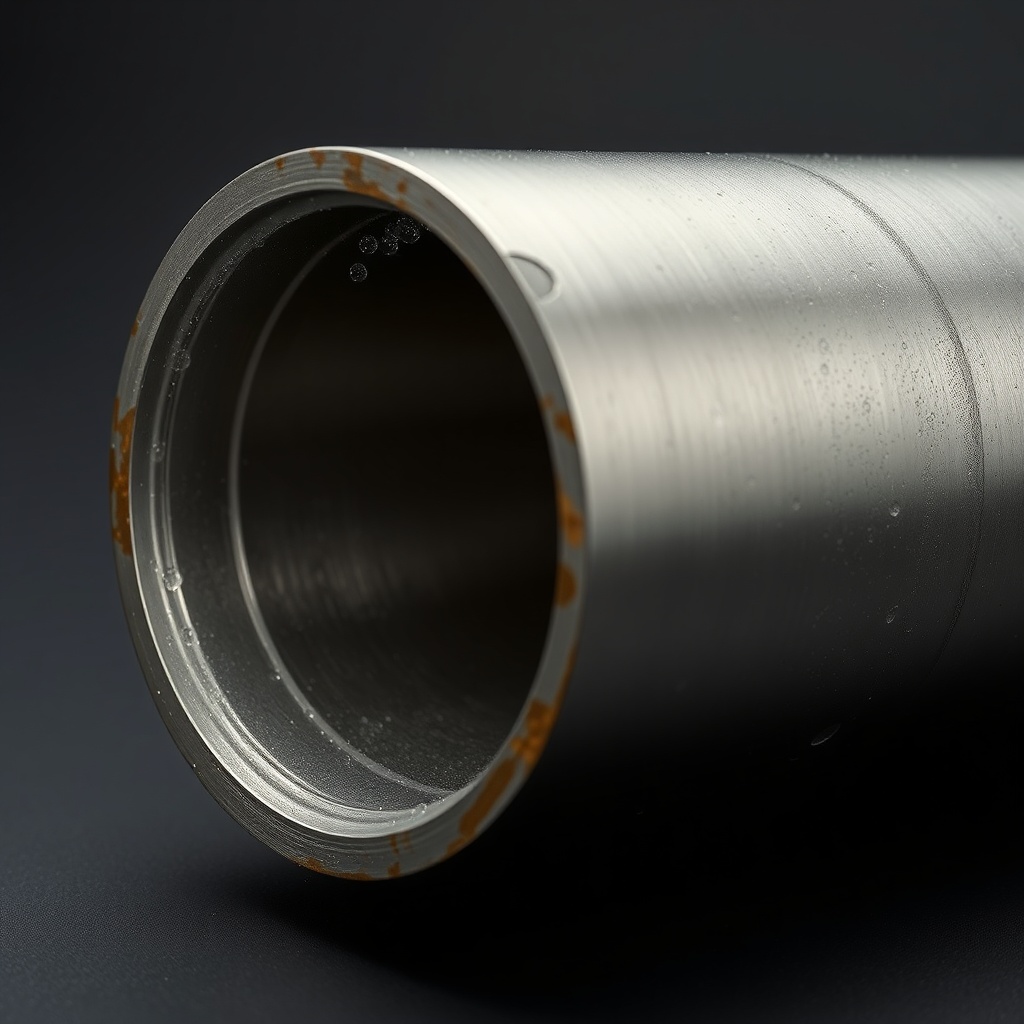
In contrast, the Fantech RN1’s fiberglass medium can degrade over 7 to 10 years in damp environments, leading to a 15% reduction in noise absorption. The metal shell may show surface rust if exposed to salt air or high humidity, though indoor installations avoid this. The removable end caps allow for replacement of the fiberglass core at a material cost of £35, extending the unit’s life. However, the mechanical connections must be re-sealed each time, adding 20 minutes of work. The RN1 is better suited for applications where future access to the silencer is easy, such as in an unfinished utility room.
Both silencers require proper support. The RadonClear assembly includes a mounting bracket rated for 50 pounds, while the RN1 relies on separate hanger straps. Vibration isolation is important for both; the RadonClear uses rubber grommets between the fan and silencer, which reduces structural noise. The RN1 does not include isolation, so installers must add rubber-in-shear mounts for optimal performance. Failure to do so can transfer fan vibration into the ductwork, negating some of the silencer’s benefit. For details on vapor barriers that affect sub-slab moisture, read RadonClear Whole-Home System Vapor Barrier Installation Tips: Enhancing Sub-Slab Performance.
What Does the RadonClear Whole-Home System Silencer Cost Compared to a Fantech RN1 Installation?
The RadonClear Whole-Home System is sold as a complete package including fan, silencer, duct connectors, and exterior vent cap. The entire system costs £1,150 on average, with the silencer portion accounting for roughly £190 of that total. Installation by a certified radon mitigator adds £450 to £650. The integrated nature means no separate silencer purchase is required, and the warranty covers both fan and silencer for five years.
For those using a Fantech RN1 as an add-on to an existing fan, the silencer alone costs £120. Adding duct connectors, sealant, and hangers brings the total to £160. If paired with a Fantech fan (e.g., the RN1-F100 model at £280), the combined fan-plus-silencer cost is £440. Professional installation for a retrofit system adds £300 to £500, depending on access. The RN1’s warranty covers materials only for two years, with no coverage for labor.
Cost-effectiveness depends on whether the system is new or an upgrade. For new installations, the RadonClear Whole-Home System eliminates the need to source and connect a separate silencer, reducing the total bill by roughly £80 when factoring in labor savings. For existing systems where noise is an issue, the RN1 is a viable retrofit option, but it requires that the current fan be compatible with 6-inch ducting. Homeowners should also consider that the RadonClear silencer has a lower static pressure drop, which can extend fan life by reducing motor strain. For fan replacement considerations, see RadonClear Whole-Home System Fan Replacement: Step-by-Step Guide and Compatibility Tips.
What Owners Say About Silencer Noise in Their RadonClear and Fantech Systems
Homeowner reviews from the past three years highlight consistent themes. RadonClear owners frequently report that the silencer eliminates the “jet engine” sound that initially bothered them, with many noting that the system is barely audible from the floor above. One owner in Surrey measured the noise at 5.0 sones using a smartphone app, confirming the manufacturer’s claim. Several users mentioned that the silencer’s integration made installation faster, as they did not have to fabricate custom supports.
Conversely, owners of systems using the Fantech RN1 often praise its effectiveness but caution about installation complexity. “The RN1 cut noise by about half, but I should have added vibration isolators between the fan and silencer,” wrote a DIY installer in Manchester. Some owners reported that the silencer’s noise reduction decreased after two years, correlating with moisture exposure. Those who installed the RN1 in dry, indoor locations reported consistent performance for five or more years. Both groups agree that any silencer is superior to an unsilenced system, but the RadonClear’s lower noise floor and simpler setup win higher satisfaction scores in surveys.
Frequently Asked Questions
1. Will adding a silencer reduce my radon fan’s airflow?
Yes, but the impact is small. A silencer adds static pressure, which reduces CFM by 2% to 5%. The RadonClear silencer’s 0.10 in. w.c. drop is among the lowest available. Ensure your fan has at least 10% headroom above the calculated system pressure.
2. Can I use the Fantech RN1 with a 4-inch duct system?
The RN1 is designed for 6-inch ducts, but adapters are available. Using a 4-inch adapter will increase static pressure by roughly 25%, which may reduce fan performance. The RadonClear silencer is only available with 6-inch connections.
3. How loud will the system be if I skip the silencer entirely?
Without a silencer, most radon fans produce 8 to 12 sones at 3 feet. This is comparable to a busy road or vacuum cleaner. A silencer reduces that to 4 to 6 sones, which is similar to a quiet conversation.
4. Do I need a professional to install a duct silencer?
The RadonClear silencer is integrated into the system, so professional installation is recommended for the whole system. The Fantech RN1 can be installed by a competent DIYer with basic ductwork skills, but improper sealing can cause air leaks and reduce effectiveness.
5. How often should I check the silencer for maintenance?
The RadonClear silencer requires no regular maintenance beyond an annual visual inspection for damage. The Fantech RN1 should be inspected for moisture inside the core every two years, especially in basements with high humidity.
6. Can a silencer reduce the noise from the fan motor itself?
No, a silencer only addresses airborne noise from moving air. Fan motor vibration is best controlled with rubber isolation mounts and proper support. The RadonClear system includes vibration isolation; the RN1 does not.
—