RadonClear Whole-Home System Duct Leak Sealing Guide: Materials and Steps
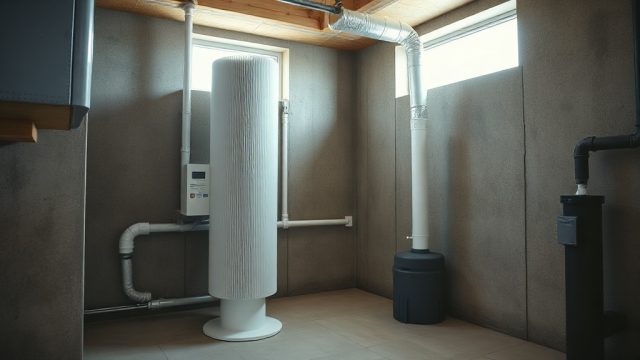
Your RadonClear Whole-Home System relies on a sealed network of ducts to maintain negative pressure beneath your slab. Even minor leaks can reduce system efficiency, increase energy costs, and allow radon to re-enter your living space. This guide details the specific materials and step-by-step procedures for identifying and sealing duct leaks, helping you maintain peak performance and protect your indoor air quality.
What are the most common locations for duct leaks in a RadonClear system?
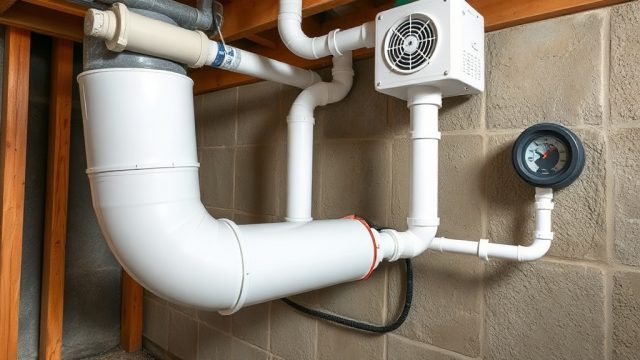
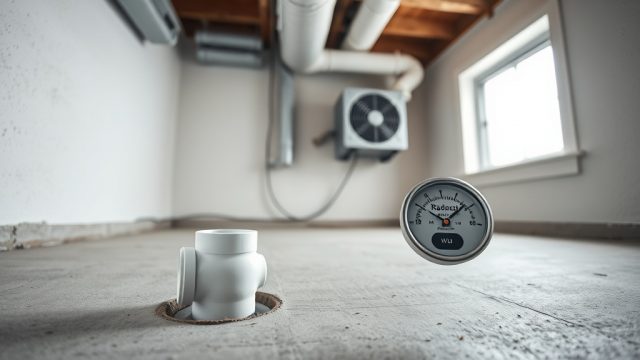
Leaks in a RadonClear Whole-Home System typically occur at joints, couplings, and points of connection. Frequent trouble spots include the junction between the suction pit and the main riser pipe, where PVC or ABS transitions to flexible or metal ducting, and at the fan housing seals. Over time, ground settlement or minor seismic activity can shift the sub-slab piping, causing separation at glued joints. Additionally, the HVAC coupling points—where the radon duct connects to the furnace return plenum—can develop gaps if the gasket or boot deteriorates.
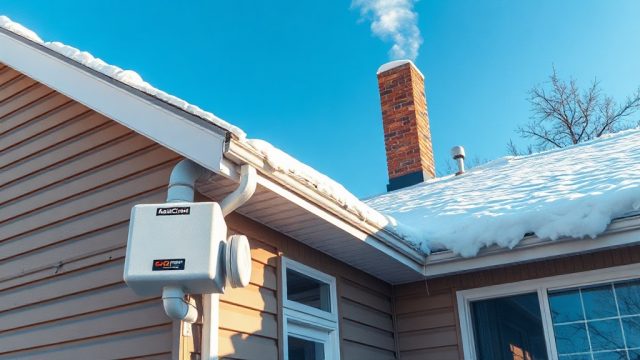
Outdoor sections of the vent pipe, especially where it exits the roof or sidewall, are vulnerable to UV degradation and weather-induced cracking. The cumulative effect of these leaks can drop the system vacuum by 10-25%, as measured at the manometer. Regular seasonal inspection of these high-risk areas is the first line of defense against performance loss.
What materials are recommended for sealing RadonClear system ducts?
Selecting the correct sealing materials is critical for durability and system integrity. For standard PVC or ABS pipes, use a high-rigidity PVC cement that meets ASTM D2564 (for PVC) or ASTM D2235 (for ABS). Never use general-purpose glue or household adhesives. For metal duct sections—typically 6-inch or 8-inch galvanized pipe—use UL-181-rated foil tape or a water-based mastic sealant designed for HVAC systems. Avoid standard duct tape, as it degrades quickly under the slight negative pressure and moisture conditions common in radon systems.
| Material | Application Area | Cost (USD per unit) | Cure/Set Time |
|---|---|---|---|
| PVC Cement (ASTM D2564) | Glued PVC joints (riser, main pipe) | $8.99–$14.99 per pint | 15 minutes set; 24 hours full cure |
| ABS Cement (ASTM D2235) | Glued ABS joints (sub-slab) | $7.99–$12.99 per pint | 10 minutes set; 24 hours full cure |
| UL-181 Foil Tape | Metal duct seams, fan housing gaskets | $6.50–$9.00 per 50-yd roll | Instant bond; immediate use |
| Water-Based Mastic Sealant | Irregular gaps, boot couplings, reducers | $12.00–$18.00 per quart | 1–2 hours tack; 8–12 hours full cure |
For corrosion-resistant venting systems that use stainless steel or aluminum, mastic is preferable over tape because it accommodates thermal expansion. Always check the manufacturer’s compatibility chart before applying any sealant to exotic metal alloys.
How do I perform a smoke test to locate duct leaks?
A smoke test is the most reliable method for pinpointing small leaks. You will need a non-toxic smoke pencil or a fog machine designed for HVAC use. Begin by turning off the RadonClear fan. Insert the smoke source near the fan inlet or at a test port on the riser pipe. While an assistant slowly restarts the fan, watch for smoke being pulled into any gaps—this indicates a leak path. Perform the test in a darkened area; use a flashlight to observe smoke movement at joints, couplings, and where the duct passes through walls or floors.
Document each leak location with masking tape flags. Common findings include cracks less than 1/16 inch at glued joints, gaps where the duct exits the slab, and seal failures at the fan mounting flange. For a thorough check, test each segment independently by isolating sections with temporary caps. A well-sealed system will show zero visible smoke ingress at all joints. After you identify leaks, refer to the fan replacement guide if the fan itself is damaged or loose.
What is the correct step-by-step procedure to seal a PVC or ABS joint leak?
Begin by shutting down the RadonClear system and allowing the pipes to return to room temperature. Clean the joint area with a dry cloth to remove dust and moisture. For a leaking glued joint, you have two options: re-glue if the joint is still movable, or apply a wet patch if the joint is fixed. To re-glue, separate the joint, apply primer (for PVC) followed by fresh cement, then re-assemble and hold for 30 seconds. For fixed joints, apply a layer of the appropriate cement around the perimeter of the leak, working the cement into the gap with a small brush or cotton swab.
Wait 24 hours for full cure before restarting the system. For ABS, use a specialized ABS-to-ABS cement that softens the plastic to form a molecular bond. Do not use PVC cement on ABS or vice versa. After curing, perform a second smoke test to confirm the seal. If the leak persists, the pipe section may require replacement—consult a professional if you are not comfortable cutting and re-gluing the line. The vapor barrier installation tips article offers advice on protecting exposed pipes from moisture that can degrade joints over time.
How do I seal metal duct leaks and fan housing gaps?
Metal duct sections in a RadonClear system—often used for transitions through wall cavities or exterior runs—require different techniques. For small pinhole leaks or seam separations, apply a 2-inch strip of UL-181 foil tape over the defect, pressing firmly to ensure adhesion. For larger gaps, use water-based mastic: apply a 1/8-inch bead along the joint and smooth it with a brush or your finger (wearing gloves). For fan housing gaps, inspect the gasket between the fan and the mounting bracket. If the gasket is compressed or cracked, remove the fan and replace the gasket with a new closed-cell foam strip (available from RadonClear parts).
Re-attach the fan using the original bolts, ensuring even torque to prevent future gaps. Seal around the fan housing flanges with mastic for added safety. After the sealant cures, run the system and check the manometer reading. A drop of 0.2 inches of water column or less indicates a good seal; larger changes demand re-inspection. Additional details on duct-to-fan connections are in the gravel bed vs. perforated pipe comparison, which discusses how sub-slab conditions affect overall system pressure.
What do owners say about the RadonClear duct sealing process?
Homeowners who regularly maintain their RadonClear system report significant performance improvements after sealing leaks. Peter M. from Des Moines, Iowa, noted: “After sealing three small leaks at the sub-slab exit point, my manometer reading increased from 1.0 to 1.6 inches, and my radon levels dropped from 4.2 to 1.8 pCi/L. The materials cost me under $20.” Many users emphasize the value of the smoke test—Jessica L. from Grand Rapids, Michigan, shared: “I was skeptical, but the smoke test revealed a tiny crack in the roof exit boot. A dab of mastic fixed it in minutes. The system runs quieter now.”
Some owners highlight the durability of mastic over tape in cold climates. Tom D. from Fargo, North Dakota, wrote: “I used foil tape initially, but it failed after two winters. Switched to mastic and it’s held for four years now—no issues.” The consensus is that investing an hour per year in sealing pays dividends in reduced radon entry and lower electric bills. For comprehensive cost comparisons, see the RadonClear Whole-Home System vs. Airthings Wave Plus: Long-Term Cost Analysis.
Frequently Asked Questions
1. How often should I inspect my RadonClear system ducts for leaks?
Inspect ducts at least twice per year—once in spring after freeze-thaw cycles and once in fall before heating season. Also check after any earthquake, major excavation near the house, or foundation repair.
2. Can I use silicone caulk to seal a duct leak?
Silicone caulk is not recommended for RadonClear ducts. It does not bond well to PVC or metal under negative pressure and degrades with UV exposure. Stick to PVC cement, ABS cement, UL-181 tape, or mastic as described in this guide.
3. Will duct sealing affect my RadonClear fan warranty?
Sealing ducts with approved materials (cement, mastic, or foil tape) does not void the fan warranty. However, using non-approved adhesives or altering the fan housing seal may void coverage. Check your specific warranty document for details.
4. What is the typical cost for professional duct leak sealing?
A professional service call to seal leaks on a RadonClear system averages $150–$300 USD in the continental U.S., including smoke testing and up to three minor leak repairs. Major pipe replacement costs extra.
5. How can I tell if a duct leak is causing high radon levels?
If your manometer shows a reading below 0.5 inches of water column (for most homes) or if the reading fluctuates wildly, leaks are likely. Cross-reference with a separate radon detector; a rise in pCi/L without system changes points to a leak.
6. Is it safe to smoke test near the RadonClear fan?
Yes, as long as you use non-toxic smoke pencils or HVAC foggers. Avoid open flame smoke sources. Always ensure the area is well-ventilated, and turn off any nearby smoke alarms temporarily to prevent false alerts.