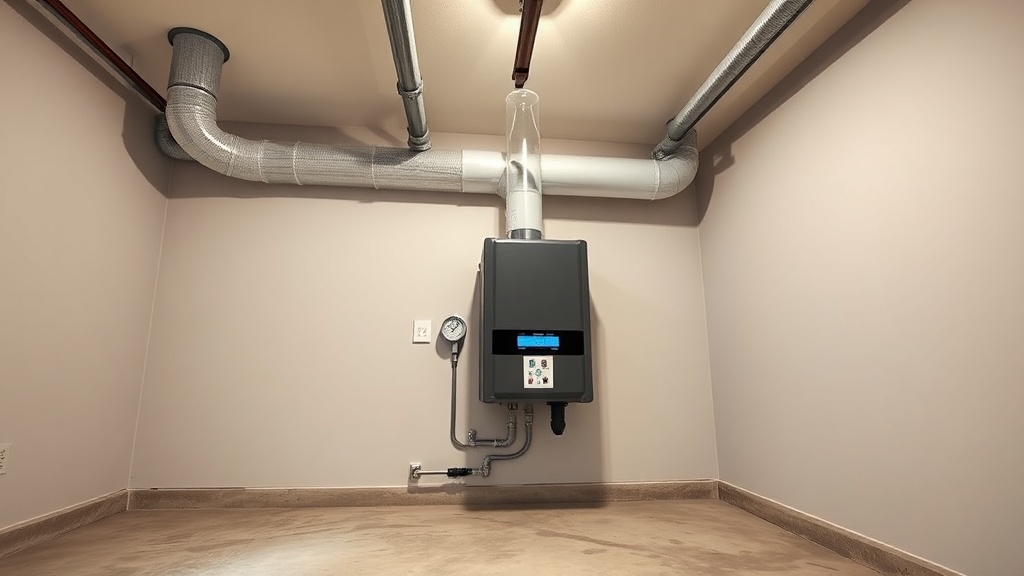
RadonClear Whole-Home System Corrosion Resistant Venting Material Options
When installing a RadonClear Whole-Home System, selecting the right venting piping is crucial for long-term performance and safety. Corrosion from soil gases, moisture, and acidic conditions can degrade standard PVC over time, leading to leaks and reduced radon removal efficiency. This article details the material choices available, comparing their corrosion resistance, cost, and durability to help homeowners and contractors make informed decisions.
The RadonClear system is designed for maximized energy efficiency and low maintenance, but even the best fan and manometer setup rely on intact venting to maintain suction. Improper piping can compromise the entire mitigation effort, especially in aggressive soil environments.
What Makes Venting Piping Susceptible to Corrosion?
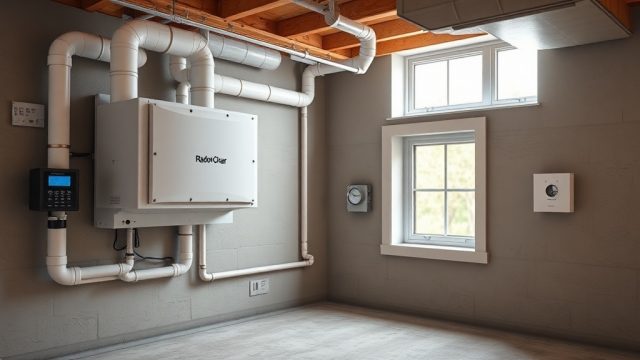
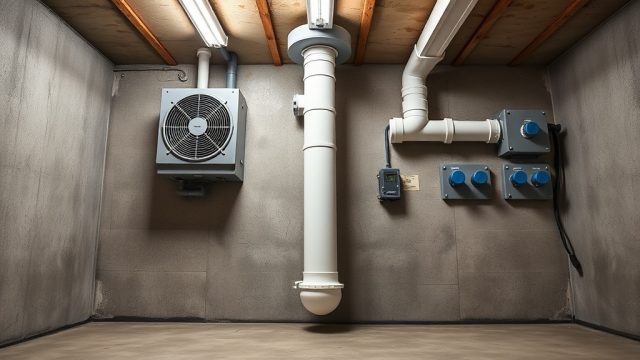
Radon mitigation venting carries a mix of radon gas, soil moisture, and sometimes hydrogen sulfide or other corrosive compounds. Over years of operation, condensation inside the pipe can create a slightly acidic or alkaline environment. For standard PVC, this typically manifests as minor surface etching, but in areas with high sulfur content or heavily fertilized soils, corrosion can accelerate. The RadonClear Whole-Home System’s piping run from the suction point under the slab to the exhaust above the roofline is constantly exposed to these conditions. Proper material choice prevents pinhole leaks, blockages from mineral deposits, and eventual system failure.
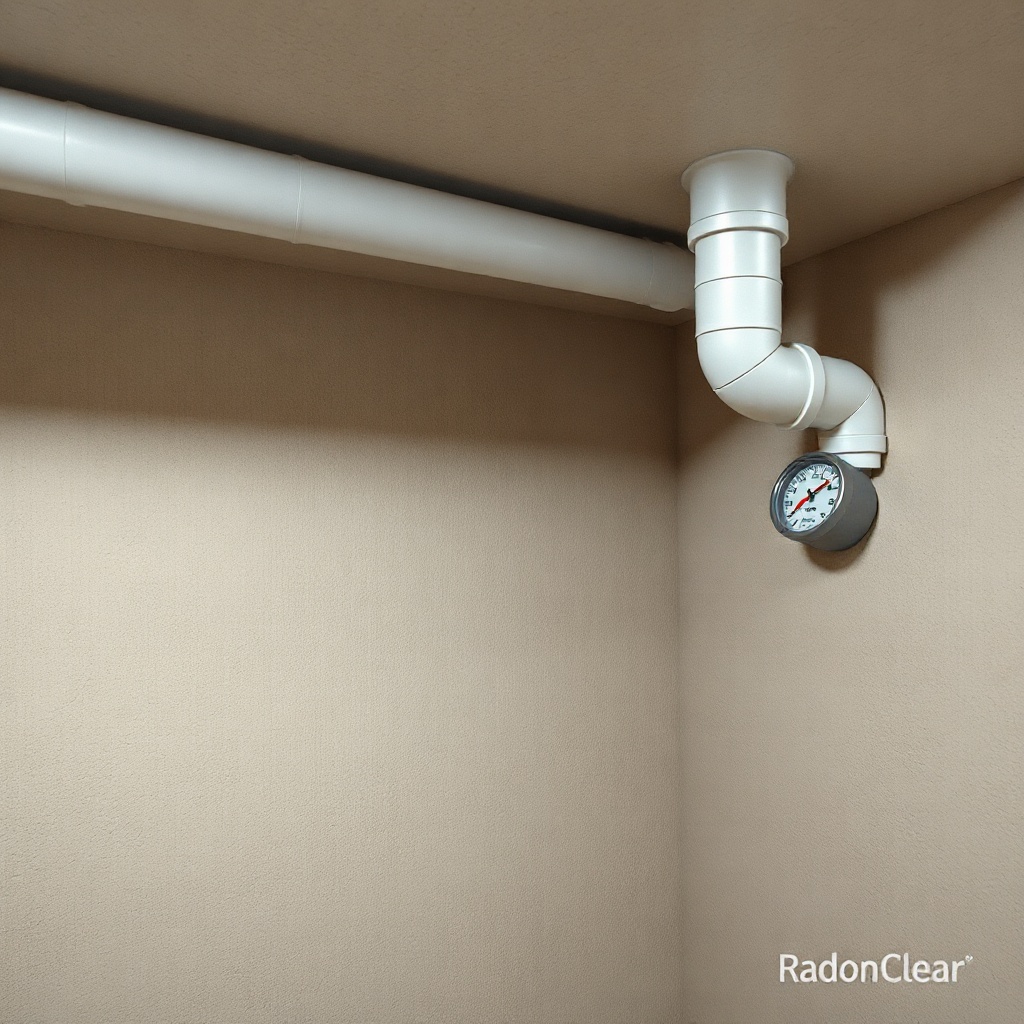
What Corrosion Resistant Materials Are Available for RadonClear Venting?
Schedule 40 PVC
The most common choice is standard Schedule 40 PVC, which is cost-effective and readily available. It resists most soil gases but can be vulnerable to long-term chemical exposure from certain soils. For typical residential installations, Schedule 40 PVC offers adequate corrosion resistance when sealed properly with primer and cement.
Schedule 80 PVC
Schedule 80 PVC has thicker walls and better impact resistance, but its chemical resistance is similar to Schedule 40. It is more expensive but provides added durability against physical damage. However, it does not improve corrosion resistance from acidic condensate.
Polypropylene (PP) Pipe
For high-corrosion environments, polypropylene pipe is the superior choice. It withstands acidic and alkaline chemicals far better than PVC and is often used in industrial applications. The RadonClear system can be adapted with transition couplings to use PP pipe, though it is less common and more expensive. PP pipe is also lighter than PVC and has low friction loss, which can slightly improve system airflow.
Stainless Steel
Stainless steel venting is available for extreme conditions but is rarely used in residential radon due to high cost and installation complexity. It is corrosion resistant but requires welding or specialized fittings, making it impractical for most RadonClear installations.
How Does Pipe Material Affect System Performance and Cost?
Choosing the right material impacts both upfront cost and long-term reliability. Below is a comparison table to help decide which venting option fits your needs when paired with the quieter operation of the RadonClear fan.
| Material | Corrosion Resistance | Cost per 10 ft (GBP) | Installation Difficulty | Best For |
|---|---|---|---|---|
| Schedule 40 PVC | Good | £8–£12 | Low | Standard soil conditions |
| Schedule 80 PVC | Good | £15–£22 | Low | High physical impact areas |
| Polypropylene (PP) | Excellent | £20–£30 | Moderate | Acidic or sulfurous soils |
| Stainless Steel | Excellent | £40–£60 | High | Extreme chemical exposure |
For most homeowners, Schedule 40 PVC offers the best balance of cost and performance. However, if soil tests indicate high acidity (pH below 5.5) or sulfur odors, investing in polypropylene pipe protects the system’s longevity. The RadonClear system’s fan pressure can be adjusted to compensate for slightly different pipe friction losses, so material changes do not require new fan sizing.
How to Install Corrosion Resistant Venting for the RadonClear System
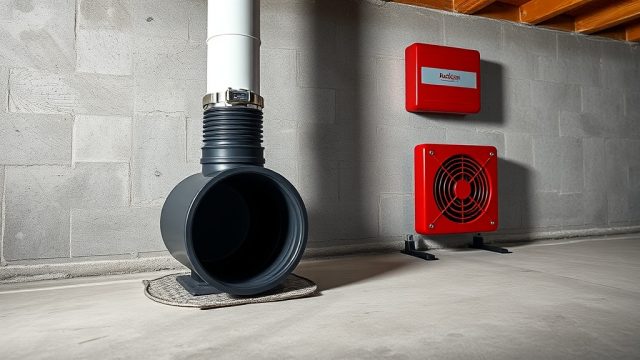
Installation begins with the suction pit under the slab. A 4-inch diameter pipe is typically used, though 3-inch is acceptable for shorter runs. For Schedule 40 or 80 PVC, standard solvent welding with primer and cement creates airtight, corrosion-resistant joints. Polypropylene requires special fusion welding or mechanical couplings with EPDM gaskets to maintain its chemical resistance. Always transition from the RadonClear fan outlet to the pipe material using a rubber coupling or Fernco fitting that is rated for the chosen pipe type. Ensure all joints are fully sealed to prevent condensation leakage, which can cause corrosion at the connection points. Regular manometer checks will reveal if any joint degradation is occurring.
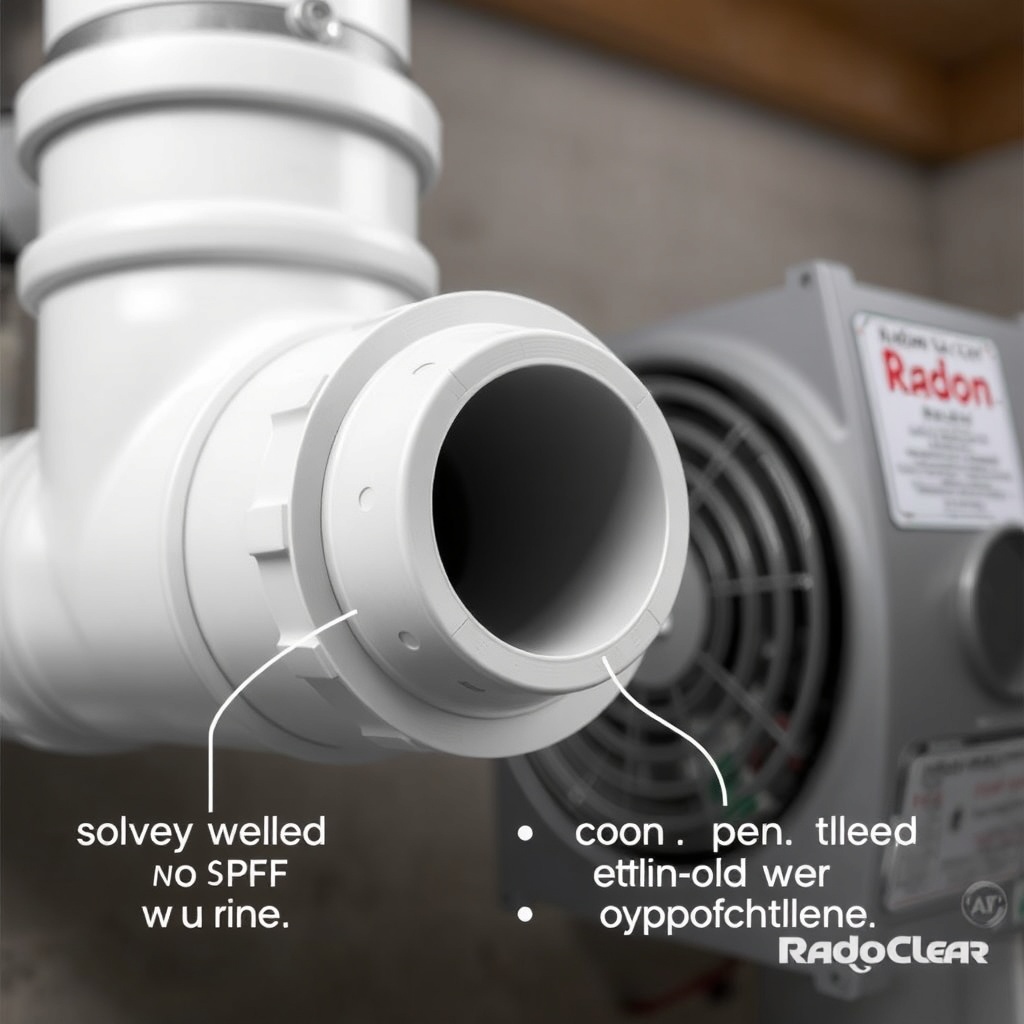
When Should You Upgrade from Standard PVC to Polypropylene?
Upgrading is recommended when the soil has high sulfur content (detectable by a rotten egg smell near basement drains), when the local water table is near the slab, or if previous mitigation systems have shown pitting or leaks in PVC. The RadonClear system is compatible with both materials, but polypropylene adds £10–£15 per 10 feet compared to Schedule 40 PVC. For a typical 20-foot run, that is an extra £20–£30. Given the system’s 20+ year design life, this cost is negligible compared to a failed repair. Additionally, polypropylene is UV resistant, which is beneficial if any venting run must be exposed outside (though outdoor pipe should still be painted or covered).
What Owners Say About Their RadonClear Venting Choices
Homeowners in regions with acidic soil frequently praise the polypropylene upgrade. One user from the Cotswolds noted, “After three years, my PVC pipe started showing white scale inside. Switching to polypropylene with the RadonClear fan fixed the issue, and the manometer reading hasn’t budged.” Another owner in a coastal area reported that their Schedule 40 system still looked new after five years, confirming that standard PVC works well in neutral soil. Many also appreciate that the energy efficiency of the RadonClear fan is unaffected by the pipe material, as long as it is properly sized.
Frequently Asked Questions
Can I use existing plumbing PVC for the RadonClear system?
No. Existing plumbing PVC may have different wall thicknesses and is not rated for radon mitigation. Always use new Schedule 40 or higher piping to ensure airtightness and corrosion resistance.
Does the pipe material affect the fan warranty?
The RadonClear fan warranty covers defects in the fan unit only. Pipe material choice does not void the warranty, but using incompatible materials that fail and cause fan damage may void coverage. Follow manufacturer recommendations.
How long does polypropylene pipe last compared to PVC?
Polypropylene is often rated for 50+ years in chemical exposure environments, while Schedule 40 PVC can last 20–30 years in most soils. In corrosive conditions, polypropylene significantly outlasts PVC.
Is there a colour difference between materials?
Schedule 40 and 80 PVC are typically white or grey. Polypropylene is often beige or light brown. The RadonClear system can use any colour, but outdoor sections should be UV-protected with paint if not using UV-stable pipe.
Can I install the venting myself?
Experienced DIYers can install the venting, but it must be airtight and properly sloped to drain condensation back to the suction pit. For polypropylene, professional installation is recommended due to fusion welding requirements. See the installation guide for sub-slab vs crawl space systems for specifics.
Does the pipe diameter matter for corrosion resistance?
Larger diameter pipes (4-inch) reduce gas velocity and condensation accumulation, which can slow corrosion. However, material quality is the primary factor. The RadonClear system is optimized for 4-inch piping to balance airflow and durability.