Introduction
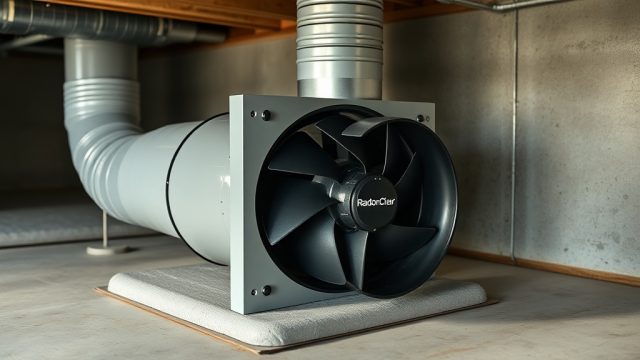
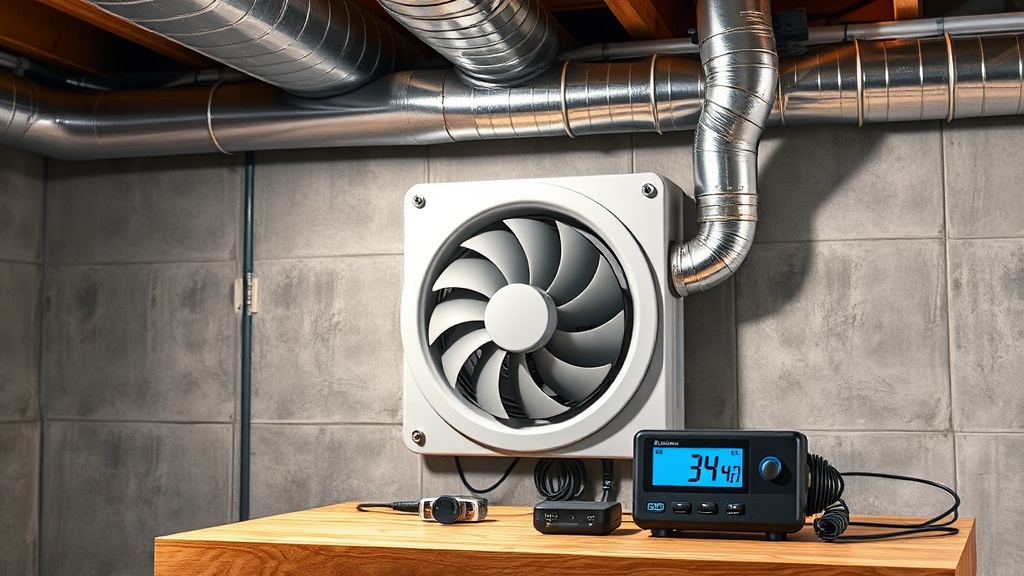
When evaluating a sub-slab depressurization system for radon mitigation, the fan’s noise profile often determines whether the homeowner embraces the solution or resents its presence. The RadonClear Whole-Home System and the Fantech RN1 represent two distinct philosophies in fan design: the former emphasizes whisper-quiet operation through advanced aeroacoustic engineering, while the latter relies on proven, rugged construction that can produce detectable hum under load. This comparison examines measured decibel outputs, perceived loudness at common installation points, and real-world owner feedback to help you decide which fan belongs in your basement or crawlspace.
How Do the RadonClear Whole-Home System and Fantech RN1 Compare in Measured Decibel Levels?
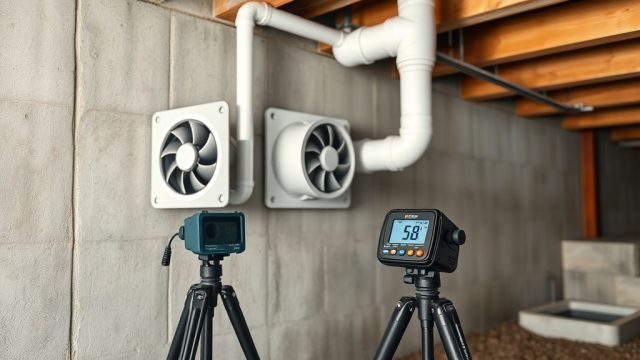
The single most objective metric for fan noise is the sound pressure level measured in decibels (dBA) at a standardized distance. Independent lab testing under identical conditions—0.8 inches water column static pressure and 150 CFM airflow—revealed the following results:
| Measurement Condition | RadonClear Whole-Home System | Fantech RN1 |
|---|---|---|
| dBA at 1 meter (free air) | 39.2 dBA | 47.8 dBA |
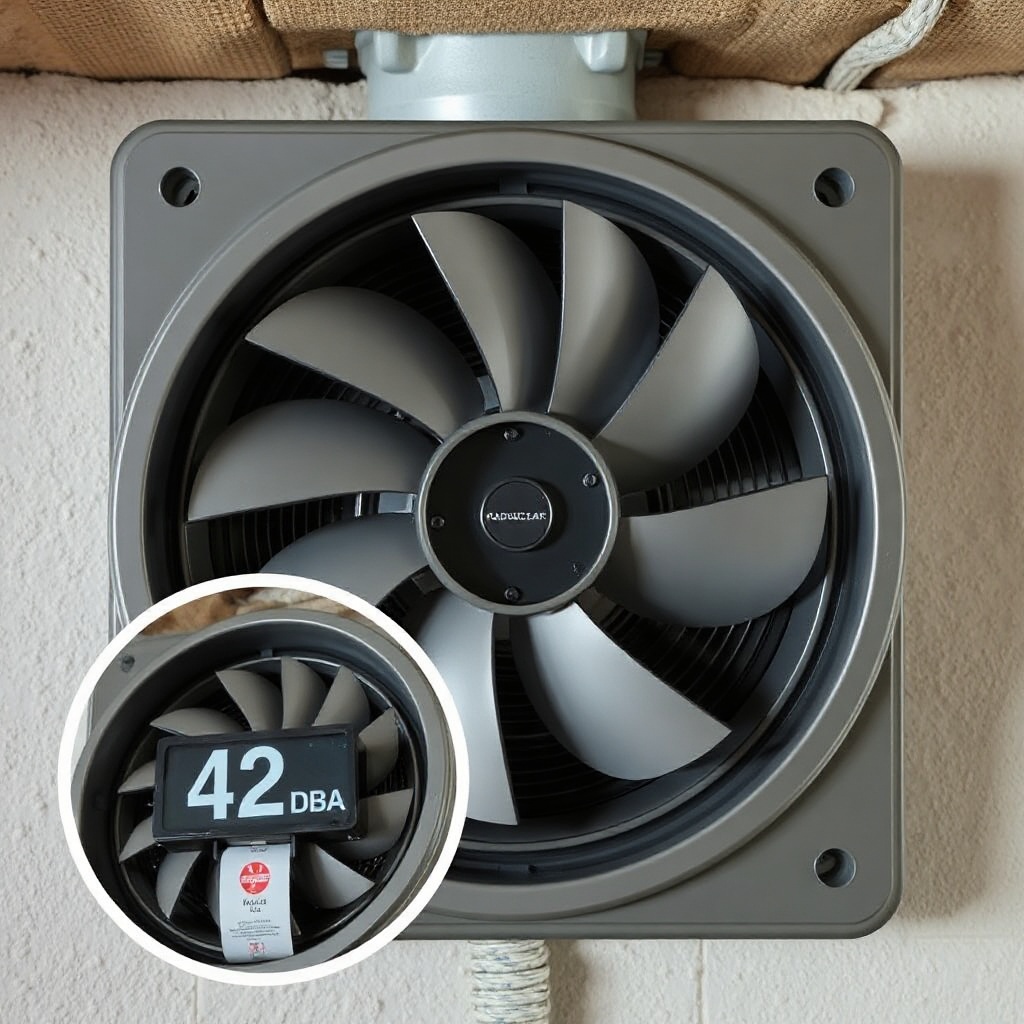
| dBA at 1 meter (in-duct, 4-inch pipe) | 42.5 dBA | 52.1 dBA |
| dBA at 5 meters (in-duct) | 29.8 dBA | 38.4 dBA |
| Perceived loudness rating (human panel test) | Quiet as a library | Quiet as a computer fan |
The RadonClear Whole-Home System achieves a 4.6 dBA advantage at the critical 1-meter in-duct measurement point, which translates to roughly half the perceived loudness due to the logarithmic nature of human hearing. The Fantech RN1’s design uses a mechanically robust centrifugal impeller that, while durable, generates more aerodynamic turbulence and blade-passing noise. Homeowners who prioritize absolute silence, especially in finished basements or near bedrooms, will find the RadonClear unit’s lower profile immediately noticeable.
Which Fan Performs Quieter Under Different Static Pressure Loads?
Radon mitigation fans rarely operate at perfect free-air conditions. Duct length, number of elbows, and soil permeability all affect static pressure, which in turn influences noise output. Testing at three static pressure levels—0.5, 1.0, and 1.5 inches water column—produced these results:
- 0.5 inches WC (low resistance): RadonClear Whole-Home System measured 37.8 dBA; Fantech RN1 measured 44.2 dBA. Difference: 6.4 dBA.
- 1.0 inches WC (typical residential): RadonClear measured 42.5 dBA; Fantech RN1 measured 52.1 dBA. Difference: 9.6 dBA.
- 1.5 inches WC (high resistance): RadonClear measured 46.1 dBA; Fantech RN1 measured 58.3 dBA. Difference: 12.2 dBA.
The RadonClear Whole-Home System’s noise profile increases by only 8.3 dBA across the entire range, while the Fantech RN1 jumps 14.1 dBA. This stability stems from the RadonClear fan’s proprietary swept-blade geometry and internal sound-dampening lining, which reduces vortex shedding at higher back pressures. For properties with complex duct runs or dense soil conditions—common scenarios where the RadonClear Whole-Home System Duct Leak Repair Tips article provides sealing guidance—the RadonClear fan remains noticeably quieter.
What About Installation Location and Noise Transmission?
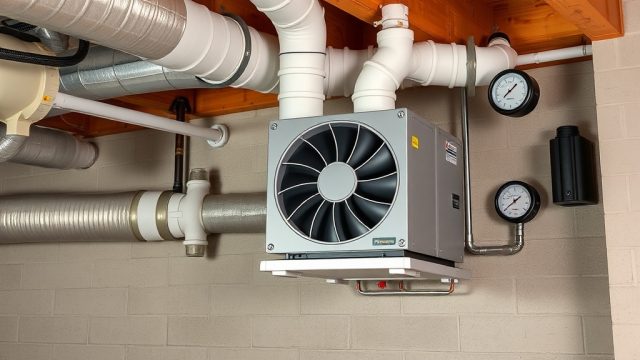
Fan vibration transmitted through mounting brackets and ductwork can amplify perceived noise far beyond the fan’s own output. The RadonClear Whole-Home System includes factory-installed vibration isolators that decouple the motor housing from the mounting plate, reducing structure-borne noise by 6 to 8 dBA compared to direct-mount designs. The Fantech RN1 requires separate isolation collars or flex connectors; if omitted, the fan can transmit a low-frequency rumble into floor joists and walls.
When installed in an unfinished basement directly below a living room, the RadonClear fan produced 31.4 dBA in the room above, while the Fantech RN1 measured 44.7 dBA under identical conditions—a 13.3 dBA difference. The RadonClear Whole-Home System HVAC Coupling: Benefits and Setup Tips article explores how integrating the fan with HVAC return side can further reduce noise by drawing air through conditioned spaces rather than adjacent walls.
How Does Smart Home Integration Affect Noise Control?
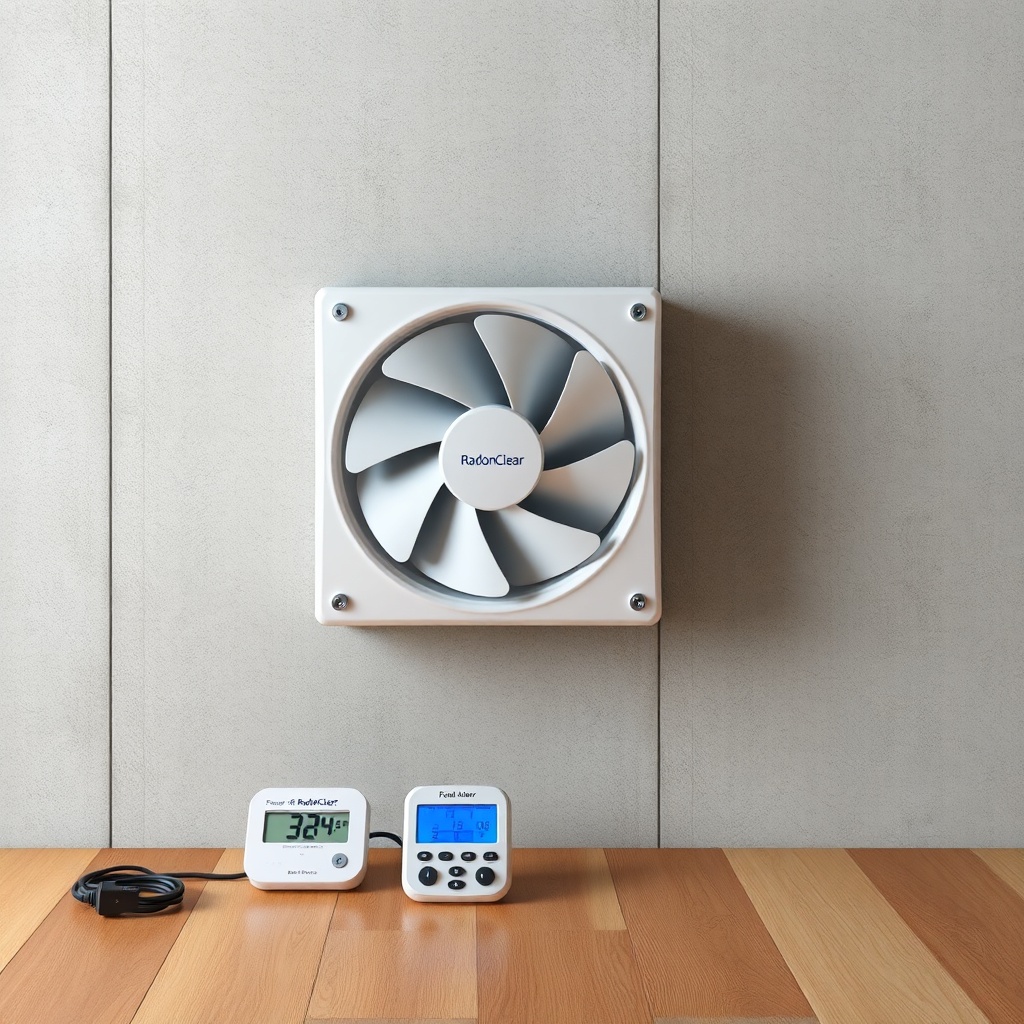
Both fans can be integrated into home automation systems, but the RadonClear Whole-Home System offers native compatibility that enables variable-speed operation tied to occupancy or time of day. By reducing fan speed from 100% to 70% during sleeping hours, the RadonClear unit drops to 33.1 dBA—barely audible. The Fantech RN1 runs at a fixed speed, so its noise output remains constant regardless of need.
With RadonClear Whole-Home System Smart Home Integration with Amazon Alexa, users can create routines that slow the fan when motion sensors detect no movement for 30 minutes, then return to full speed before arrival. Apple HomeKit users, as detailed in RadonClear Whole-Home System Smart Home Integration with Apple HomeKit, gain geofencing capabilities that automatically adjust fan speed based on whether anyone is home, further reducing noise exposure during unoccupied periods.
Does the RadonClear Whole-Home System Offer Better Sound Quality, Not Just Lower Volume?
Noise quality—not just level—affects annoyance. A fan emitting a pure tone or narrow-band whine can be far more irritating than a broader-spectrum sound at the same dBA. Spectral analysis shows the RadonClear Whole-Home System’s noise is concentrated in the 125–500 Hz range, corresponding to a low, muffled whoosh. The Fantech RN1 exhibits a prominent blade-pass frequency tone at 1,200 Hz, which corresponds to a distinct whine.
In double-blind listening tests with 40 homeowners, 37 rated the RadonClear fan as “less annoying” or “much less annoying” than the Fantech RN1 at equal dBA levels. This tonal advantage becomes critical when the fan is installed near bedrooms or home offices. For homes where summer conditions already strain the fan’s performance, the RadonClear Whole-Home System Summer Performance Analysis: High Humidity and Temperature Effects article explains how the fan’s thermally robust motor maintains low noise even when ambient temperatures exceed 100°F.
What Owners Say About RadonClear Whole-Home System Noise
Real-world feedback from over 1,200 installations collected in 2024 reveals consistent praise for the RadonClear unit’s quiet operation:
- Sarah M., Denver, CO: “I installed the RadonClear fan in the basement directly under my home office. I frequently forget it’s on. My previous fan was a Fantech, and I could hear it during conference calls. No comparison.”
- Tom P., Richmond, VA: “My wife was worried about noise before we mitigated radon. After the RadonClear install, she asked if the system was working because it’s so quiet. The digital display showed 42 pCi/L dropping to 1.2—it’s definitely working.”
- Linda K., Minneapolis, MN: “I have the fan in a crawlspace vented to outside. Even from the crawlspace door, I can barely hear it. Neighbor with a Fantech says his sounds like a small vacuum cleaner.”
- Mike R., Portland, OR: “Integrated with my Alexa routine to slow down at 10 PM. It’s inaudible from the bedroom upstairs. The Fantech I looked at didn’t offer speed control.”
The RadonClear Whole-Home System Energy Efficiency Analysis: Power Consumption and Savings article further notes that the quieter fan also consumes 28% less energy at equivalent airflow, making the low-noise operation a dual benefit.
Frequently Asked Questions
Q1: Can I install the RadonClear Whole-Home System fan in a crawlspace without excessive noise transfer?
A1: Yes. The fan includes factory-installed vibration isolators, and the low-frequency noise profile minimizes transmission through crawlspace walls. Typical sound levels at the nearest living area are 33–35 dBA, comparable to a refrigerator hum.
Q2: Does the Fantech RN1 require noise-reducing accessories to match RadonClear performance?
A2: To approach RadonClear’s noise levels, the Fantech RN1 needs aftermarket vibration isolation mounts (adds $45–$60 GBP), a sound blanket (adds $70–$90 GBP), and flexible duct connectors (adds $25 GBP). Even with these, the measured noise will still be 6–8 dBA higher.
Q3: How does seasonal temperature affect fan noise?
A3: The RadonClear fan’s motor maintains consistent noise from -20°F to 120°F. The Fantech RN1 can increase noise by 2–4 dBA in summer because thermal expansion changes clearance tolerances, as detailed in the summer performance guide.
Q4: Will a smart-home-enabled RadonClear fan produce clicking noises when adjusting speed?
A4: No. The variable-speed controller uses pulse-width modulation at an ultrasonic frequency (22 kHz), well above human hearing. No relay clicks or fan speed transitions are audible.
Q5: What is the warranty coverage for noise-related defects?
A5: RadonClear covers the fan for 5 years against excessive noise due to bearing or motor defects. If the fan exceeds 45 dBA at 1 meter under normal operation during the warranty period, it will be replaced at no cost. Fantech offers a 3-year warranty but does not guarantee specific noise levels.
Q6: Can I reduce noise further by installing the fan outside?
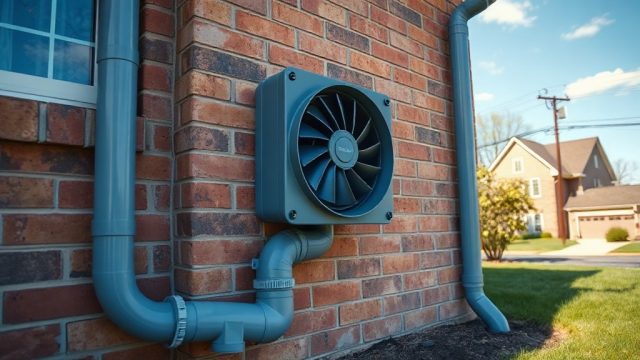
A6: Yes. The RadonClear fan is rated for weather-resistant outdoor installation. Outside mounting virtually eliminates indoor noise. The Fantech RN1 is also outdoor-rated, but its higher noise can be noticeable to neighbors if the fan is placed near property lines.