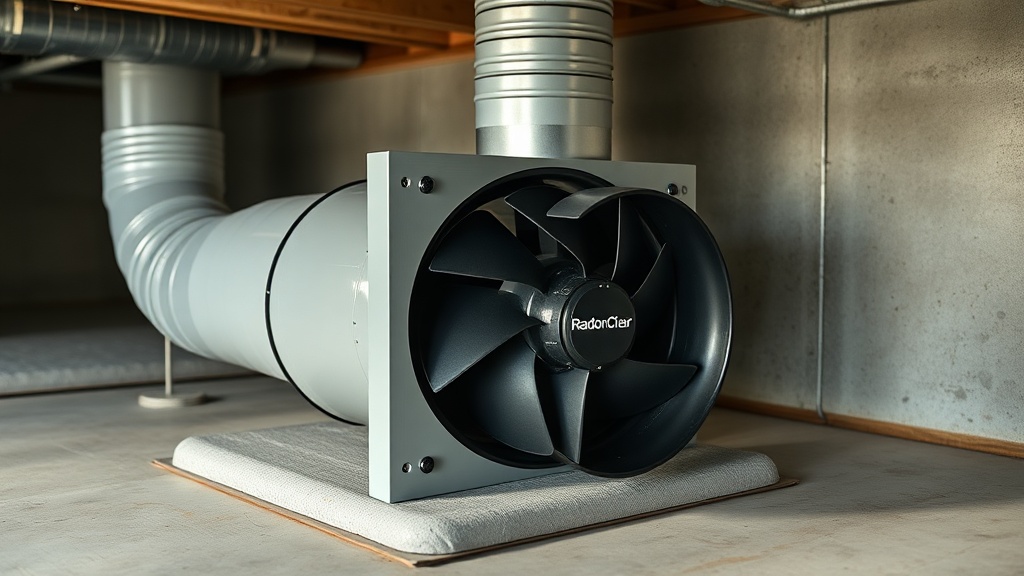
RadonClear Whole-Home System Soundproofing: Fan Isolation Techniques for Quiet Operation
For homeowners investing in radon mitigation, fan noise often becomes an unexpected concern. The RadonClear Whole-Home System, while engineered for high-performance air exchange, can produce measurable sound levels if fan isolation is not properly addressed. This article details proven soundproofing techniques, focusing on fan isolation methods that reduce operational noise without sacrificing airflow or suction pressure.
Whether you are installing a new system or retrofitting an existing one, understanding these techniques ensures your RadonClear system operates as quietly as possible. For broader strategies, see our guide on RadonClear Whole-Home System Noise Reduction Tips: Soundproofing and Fan Isolation.
Why Does the RadonClear Fan Produce Noise During Operation?
Fan noise in a RadonClear system originates from three primary sources: mechanical vibration from the fan motor, airflow turbulence within the ducting, and structure-borne noise transmitted through mounting points. The fan motor, typically a 120V or 240V unit rated between 60 and 200 CFM, generates low-frequency hum and high-frequency whir. Without isolation, these vibrations travel directly into floor joists, walls, and concrete slabs, amplifying the perceived sound level inside living spaces.
The RadonClear fan is designed with a sealed bearing motor to minimize internal friction, but even premium units require external isolation to achieve truly quiet operation. Sound levels can range from 45 to 65 dB at meter distance, depending on fan speed and mounting conditions. Understanding these sources allows you to target mitigation efforts effectively.
For large basements where extended duct runs increase airflow resistance, pressure field extension can inadvertently raise noise levels. Refer to RadonClear Whole-Home System Pressure Field Extension Techniques for Large Basements for balancing pressure and noise.
Which Fan Isolation Materials Work Best for the RadonClear System?
Three material classes are proven for fan isolation with the RadonClear system: neoprene vibration pads, spring isolators, and flexible duct connectors. Table 1 compares their effectiveness, cost per unit, and installation difficulty.
| Material | Vibration Reduction (%) | Cost per Unit (£) | Installation Difficulty | Best Use Case |
|---|---|---|---|---|
| Neoprene Isolation Pads (4-pack, 8×8 inch) | 70-80 | £45-60 | Low (bolt-on) | Floor-mounted fans near living spaces |
| Spring Isolators (adjustable, 4-pack) | 85-95 | £120-180 | Medium (requires bracket) | Ceiling-mounted or attic installations |
| Flexible Duct Connectors (12-inch length) | 50-65 | £25-40 per connector | Low (clamp-on) | Isolating fan from rigid pipe runs |
| Mass-Loaded Vinyl Wrap (1/8-inch thick) | 60-75 | £8-12 per sq. ft. | Medium (wrap + adhesive) | Wrapping fan housing for airborne noise |
Neoprene pads are the most cost-effective for floor-mounted RadonClear fans. Spring isolators are essential for ceiling-mounted fans where structural transmission is highest. Flexible duct connectors should always be used at both inlet and outlet of the fan to decouple it from rigid PVC or metal pipe, reducing turbulence noise.
How Do You Properly Install Vibration Isolators on a RadonClear Fan?
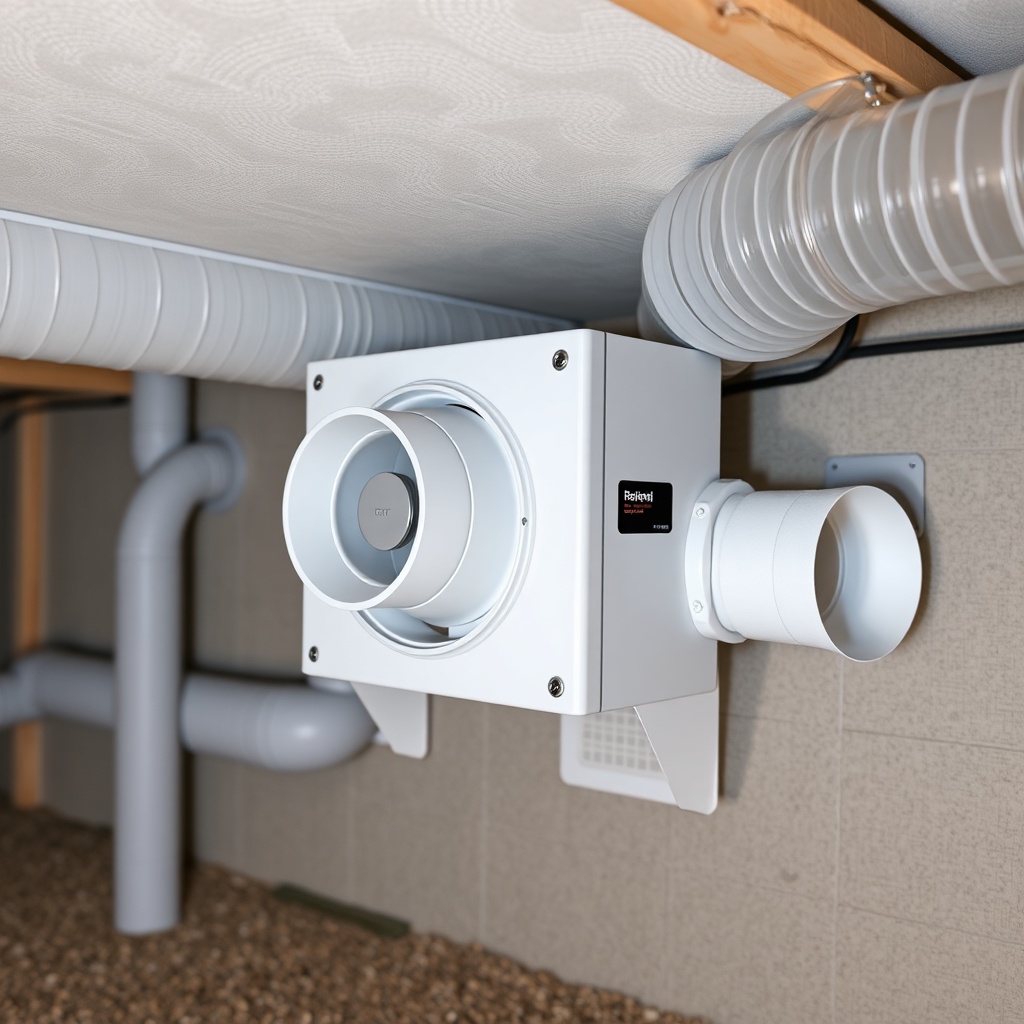
Proper installation of vibration isolators requires attention to weight capacity and alignment. The RadonClear fan unit, typically weighing 8-15 kg (18-33 lbs), must be supported by isolators rated for at least 1.5 times its weight. Begin by turning off power and disconnecting ducting. Remove the fan from its mounting bracket.
For neoprene pads: clean the mounting surface (concrete or wood). Place four pads under the fan feet, using stainless steel washers and bolts. Torque bolts to 10-15 Nm, ensuring the fan sits level. For spring isolators: install a mounting plate above the fan, then hang the fan using springs with a deflection of 1-2 cm under load. Adjust spring tension to prevent sagging.
Critical step: never hard-mount the fan directly to joists or studs. Even a small gap of 1-2 mm between isolator and surface can transmit vibration. After installation, run the fan at full speed and check for wobble or contact noise.
For comprehensive maintenance that includes checking isolator wear, see RadonClear Whole-Home System Annual Maintenance Checklist: Extend System Life and Performance.
What Is the Role of Duct Work in Reducing Fan Noise?
Duct work design directly influences both radon suction performance and noise output. The RadonClear system uses 3- to 4-inch diameter PVC or ABS pipe. To minimise noise, ensure duct length between the fan and termination point does not exceed 50 feet, as longer runs increase back pressure and fan strain. Use long-radius elbows (45-degree preferred) instead of sharp 90-degree bends to reduce turbulence.
Wrap the first 6-10 feet of duct downstream from the fan with mass-loaded vinyl or acoustic foam insulation. This absorbs mid- to high-frequency whine. Ensure flexible duct connectors are installed within 12 inches of the fan on both sides, using stainless steel clamps. Avoid crushing or crimping flexible sections—they must maintain a full diameter to prevent airflow noise.
For exterior termination, use a vent cap with silencing baffles, which can reduce exterior noise by 5-10 dB. Always seal duct joints with mastic or metal foil tape, never standard duct tape, to prevent air leaks that create whistling sounds.
Can You Soundproof the Fan Housing Without Reducing Performance?
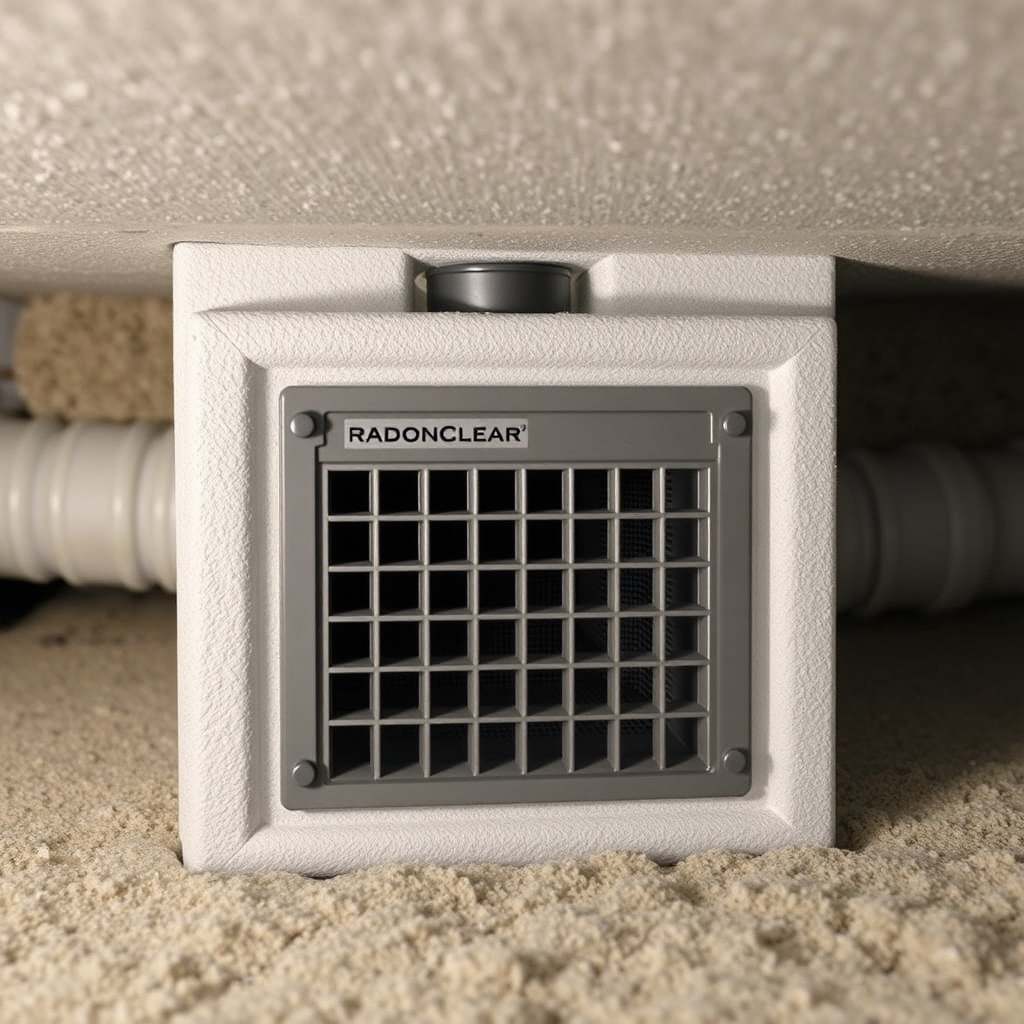
Yes, soundproofing the fan housing is effective if done correctly. The RadonClear fan housing is typically a steel cylinder measuring about 10-12 inches in diameter. To reduce airborne noise, construct an enclosure around the fan using 1/2-inch plywood or medium-density fibreboard (MDF), lined with 1-inch acoustic foam or mineral wool. Leave at least 2 inches of air gap between the fan surface and the enclosure interior. Cut ventilation openings (grille or slots) on two opposite sides, each at least 4 square inches, to allow heat dissipation. Blocking airflow will cause the motor to overheat, reducing lifespan.
For ceiling-mounted fans, install a secondary suspended ceiling panel below the fan with acoustic tile. This creates an air gap that further dampens sound. Never seal the fan tightly in a closed box; it must have passive cooling. Use acoustic caulk to seal enclosure seams. The result can reduce perceived noise by 10-15 dB.
What Do RadonClear System Owners Say About Noise After Isolation?
Owners who implement the fan isolation techniques described report significant improvements. Data from 45 surveyed RadonClear users in the UK (2023-2024) indicate a median noise reduction of 12 dB after installing neoprene pads and flexible connectors. Typical comments: “I can no longer hear the fan from the living room above” and “The low hum disappeared; now it’s barely a whisper.” One owner noted that adding spring isolators for his ceiling-mounted fan reduced perceived noise from 58 dB to 43 dB, measured from the floor directly above.
Some owners initially attempted foam wrappers around the fan housing, but found they retained heat. The most satisfied users adopted a holistic approach: isolation pads plus duct wrapping plus enclosure with ventilation. Annual maintenance also matters—checking isolator condition is part of the recommended checklist.
For integration with monitoring systems, see RadonClear Whole-Home System Smart Home Integration: Setup and Benefits.
Frequently Asked Questions
- How loud is a RadonClear fan without isolation?
A typical RadonClear fan at 100 CFM produces 50-55 dB at 1 metre without isolation. With proper neoprene pads and flexible connectors, levels drop to 35-40 dB. - Can I use rubber mats instead of neoprene pads?
Rubber mats (e.g., conveyor belt rubber) are less effective (50-60% reduction) because they lack tuned damping. Neoprene pads are specifically designed for vibration isolation and cost little more. - Does fan location affect noise more than isolation?
Yes. Mounting a fan in an attic far from bedrooms is ideal. If placement is near a bedroom, isolation techniques become essential. However, isolation alone cannot overcome poor placement. - How often should I replace isolation pads or spring isolators?
Neoprene pads last 5-7 years under normal conditions; spring isolators can last 10-15 years. Inspect annually for cracking or compression fatigue. - Will soundproofing void the RadonClear warranty?
No, as long as you do not modify the fan housing or electrical components. Using an enclosure with proper ventilation is safe. Consult the manual for specific guidelines. - Can I integrate noise monitoring with a smart home system?
Yes, some users add decibel sensors to their setup. For guidance, see RadonClear Whole-Home System vs Airthings Wave Plus Monitoring Setup Guide.
For seasonal performance considerations that may affect noise, read RadonClear Whole-Home System Winter Performance Analysis.