Why Does the RadonClear Whole-Home System Need a Dedicated Annual Maintenance Plan?
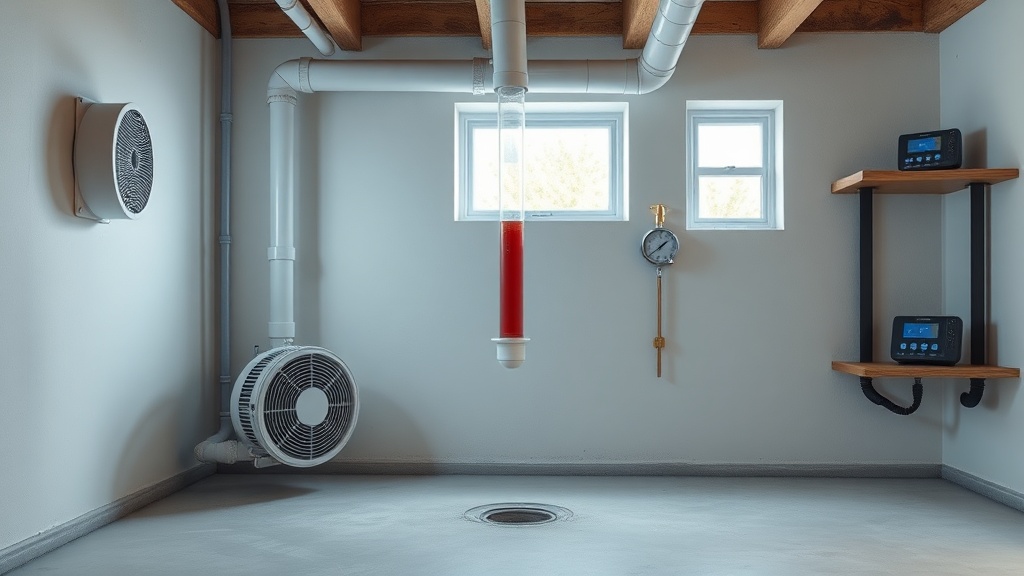
A RadonClear Whole-Home System is engineered for continuous radon mitigation, operating 24/7 to reduce indoor radon concentrations below the UK action level of 100 Bq/m³. Even the most robust systems accumulate particulate matter, moisture, and mechanical wear over time. Skipping annual maintenance can silently reduce airflow by 15–25%, increase energy consumption, and shorten the lifespan of the fan and monitor. This checklist provides a step-by-step guide to preserve £2,500–£4,000 of equipment and ensure your family’s radon protection remains uncompromised.
How Often Should I Inspect the Manometer and What Pressure Readings Are Normal?
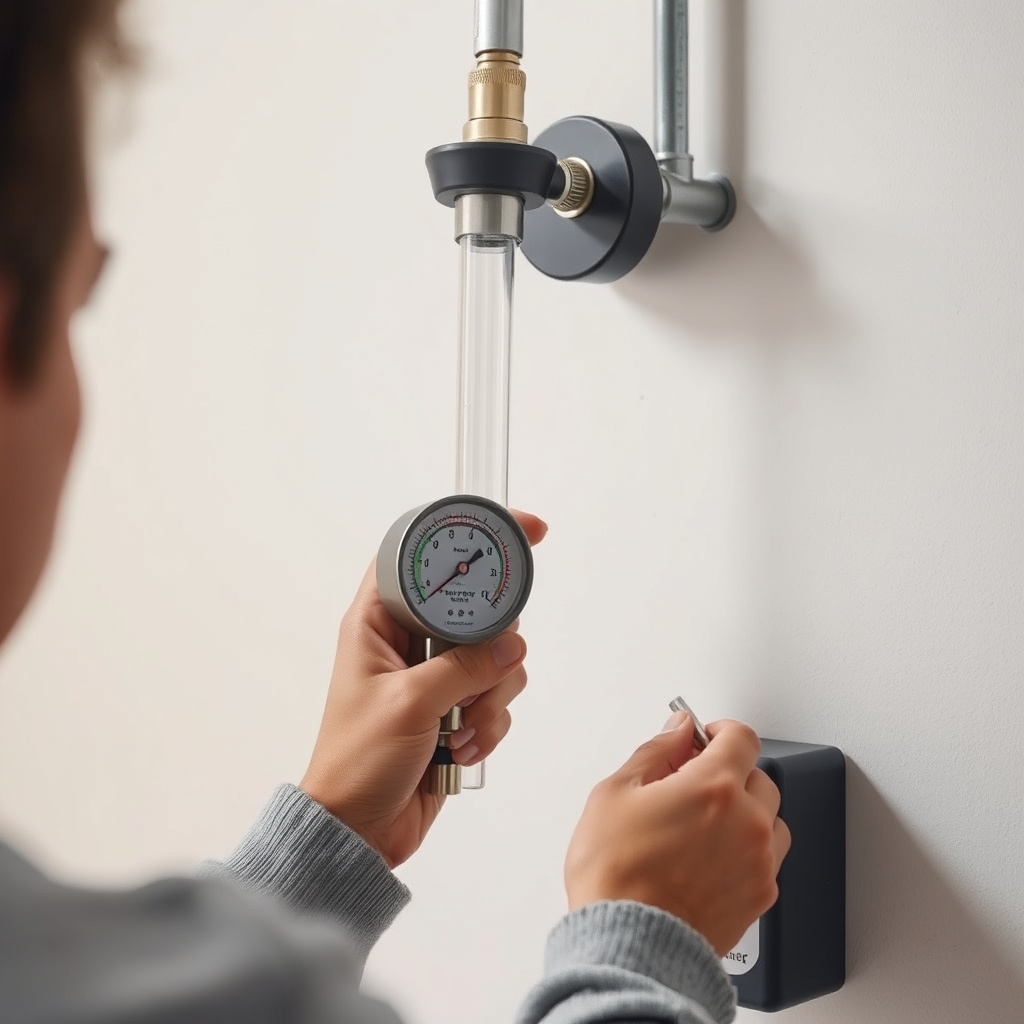
The U-tube manometer is the system’s primary health indicator. Examine it monthly during the first year to establish a baseline, then conduct a formal inspection during annual maintenance. A normal reading typically falls between 0.5 and 1.5 inches of water column (in. w.c.). If the fluid level drops below 0.3 in. w.c., the fan may be underperforming or the suction pit could be blocked. Conversely, readings above 2.0 in. w.c. suggest an obstruction in the discharge piping or a fan nearing failure. Record the reading in a logbook and compare it with the installation report. Any deviation greater than 0.3 in. w.c. from the baseline warrants a detailed check of the pressure field extension and vent stack.
Which Components of the RadonClear System Require Visual Inspection?
Annual visual inspection should cover five critical zones:
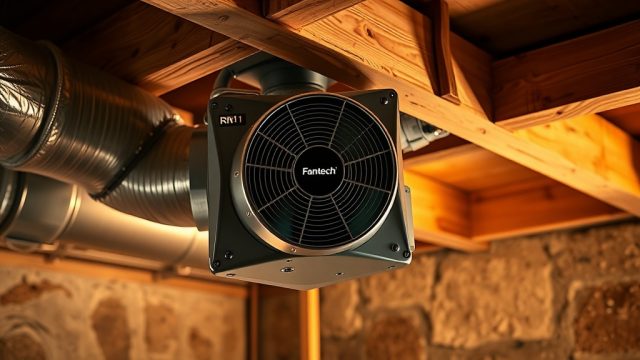
- Fan housing and electrical connections: Look for rust, condensation, or discoloured wiring. Ensure the fan’s IP55-rated junction box is sealed.
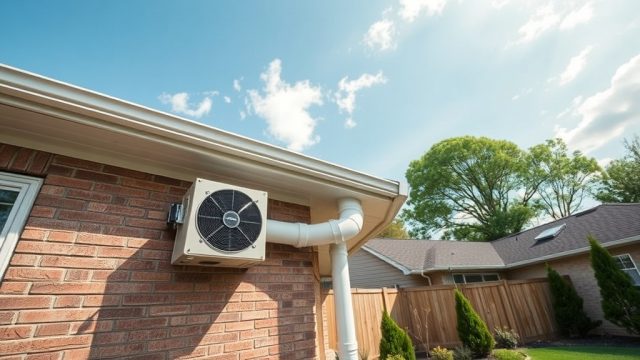
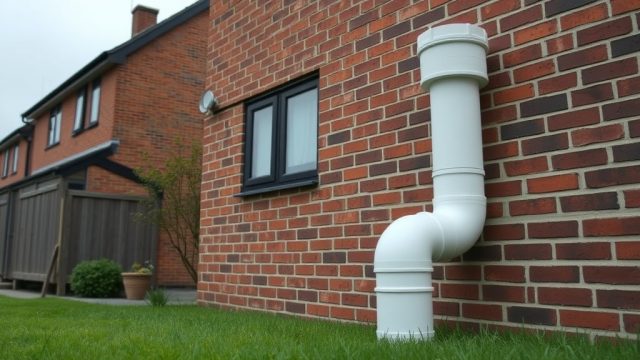
- Discharge piping (both sub-slab and vertical runs): Check for cracks, loose couplings, or separation at joints. Pay special attention to outdoor sections exposed to freeze-thaw cycles.
- Manometer and display unit: Confirm the reservoir fluid is clear and at the zero mark. Clean the tube interior if foggy.
- System alarm or monitor (if equipped): Test the audible alarm by pressing the test button; replace 9V battery if needed.
- Access points and floor penetration seals: Inspect caulking around the pipe entry at the slab. Gaps can reduce suction efficiency by 30%.
Use a torch and a small mirror to examine hidden sections under the floor. Document any corrosion or wear with photos for your service record. For detailed installation layout guidance, see the RadonClear Whole-Home System: Sub-Slab vs Crawl Space Installation Guide.
| Issue Found | Severity | Action Required | Estimated Cost (GBP) |
|---|---|---|---|
| Manometer reading below 0.3 in. w.c. | High | Check fan motor and suction pit clearance | £0–£150 |
| Minor condensation on fan housing | Medium | Wipe dry and insulate pipe above fan | £10–£30 |
| Cracked PVC joint | High | Replace coupling and re-seal with primer/cement | £15–£50 |
| Manometer fluid discoloured | Low | Drain and refill with clean manometer fluid | £8–£15 |
| Outdoor vent cap blocked by debris | Medium | Remove cap and clear with wire brush | £0–£5 |
| Alarm test fails | High | Replace monitor or battery | £25–£120 |
How Do I Clean and Replace the System’s Air Filters?
Most RadonClear Whole-Home Systems are configured with a pre-filter on the intake side, especially in installations with crawl spaces or high-dust basements. The pre-filter should be cleaned every 6 to 12 months. Remove it by unclipping the housing; rinse it with warm water and mild dish soap, then allow it to dry completely before reinstalling. If the filter shows visible tears or a greyish buildup that cannot be flushed out, replace it immediately. Replacement pre-filters cost approximately £18–£35 from the manufacturer. For systems equipped with an optional HEPA after-filter (typically for radon progeny reduction), annual replacement is mandatory—these units cost £65–£90. Always turn off the fan at the dedicated circuit before filter maintenance to prevent debris from being pulled into the impeller. After reassembling, run the fan for 10 minutes and recheck the manometer reading to confirm no airflow disruption has occurred.
What Are the Most Common Fan Failures and How Can I Prevent Them?
The in-line fan is the heart of the RadonClear system. The most frequent failure modes include:
- Bearing wear: Audible grinding or rumbling indicates the sealed bearings are failing. This usually occurs after 5–7 years in continuous operation.
- Motor overheating: Restricted exhaust, dirty impeller blades, or excessive back pressure from a blocked discharge pipe can cause thermal shutdown.
- Vibration-induced electrical disconnect: Loose wiring terminals inside the junction box can lead to intermittent operation.
Annual lubrication is not required (modern fans are sealed), but you should clean the impeller with a soft brush and ensure the fan’s external vents are unobstructed. Use a vibration-dampening coupler kit during installation to reduce stress on the motor mounts—this alone can extend fan life by 2–3 years. If the fan fails, expect replacement costs between £350–£600, including labour. For noise-related concerns that might precede failure, consult the noise reduction techniques guide.
Should I Test the Radon Level After Every Annual Service?
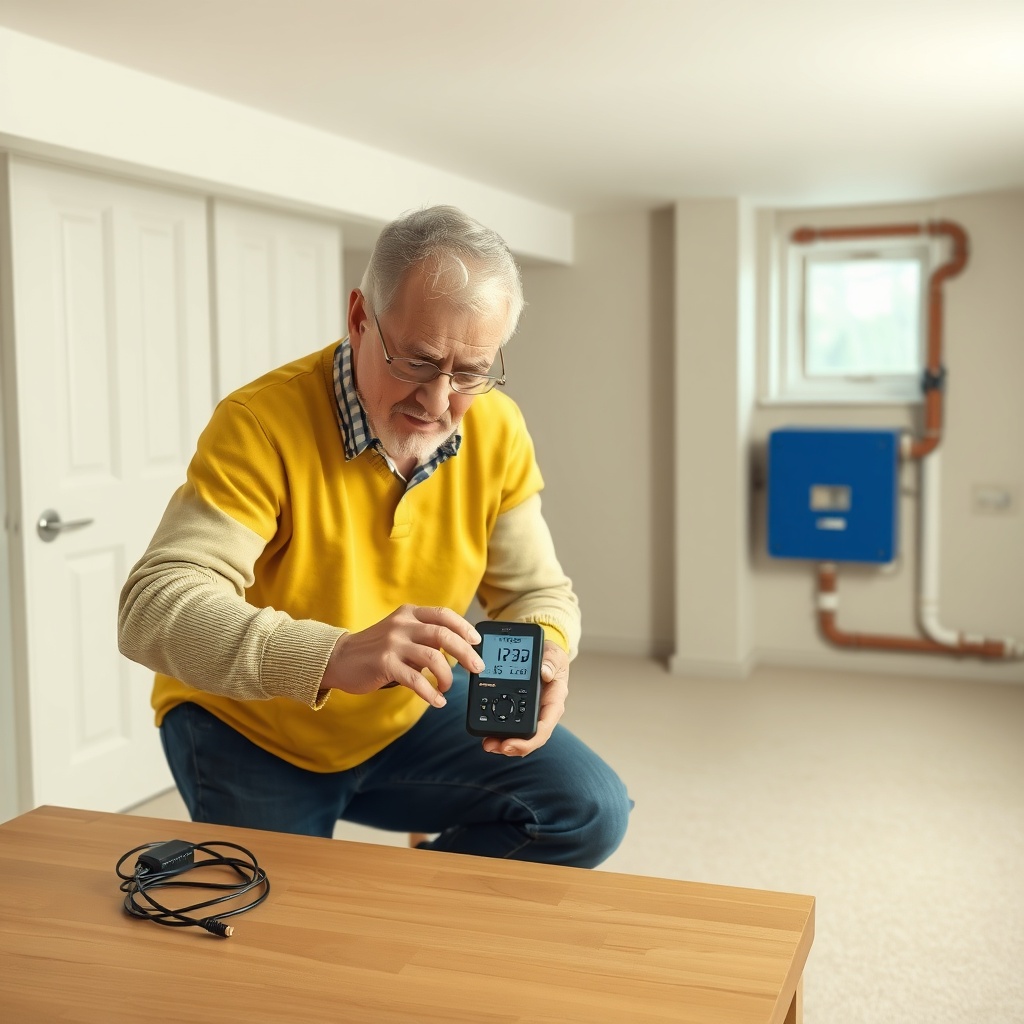
Absolutely. Annual performance validation is incomplete without a radon test. Conduct a short-term test (minimum 48 hours, preferably 7 days) within the first two weeks after the maintenance service. Use a continuous radon monitor (CRM) or a passive alpha-track detector priced around £40–£80. Place the detector in the lowest occupied living area—the same location used during the original post-installation test. The target should be below the UK action level of 100 Bq/m³, with an optimal level under 50 Bq/m³. If the reading exceeds 100 Bq/m³ after maintenance, inspect for incomplete duct sealing or a cracked slab. A performance comparison with other systems, such as the RadonClear Whole-Home System vs RadonAway RP145, may help identify potential system limitations.
What Do RadonClear Owners Say About Their Annual Maintenance Experience?
Homeowners consistently highlight three benefits after adopting this checklist. First, the manometer stability improves; one owner in Cumbria reported her reading remained within 0.1 in. w.c. for six consecutive years after yearly inspections. Second, electricity bills stabilise—clean fans use approximately 20% less energy than neglected units. Third, the system’s quiet operation persists when impellers are kept free of debris. A common observation is that booking a certified radon mitigator for the first annual check (typically £120–£200) is an excellent way to learn the process hands-on before performing subsequent maintenance independently. Many also mention that the integrated alarm provides peace of mind between inspections, especially when the system is in an outbuilding or utility room.
Frequently Asked Questions
Can I perform the annual maintenance myself or do I need a certified professional?
Most tasks—manometer check, filter cleaning, visual inspection, and seal inspection—can be performed by a competent homeowner. For fan replacement or electrical work, a certified radon mitigator (NRPP or UK Radon Association approved) should be consulted. The first service may be completed by a professional for assurance, costing £150–£250.
Is there a warranty that requires professional maintenance?
RadonClear’s standard warranty covers the fan and components for 5 years. Professional maintenance is not mandatory to maintain the warranty, but you must document all self-service steps with dates and photos. Failure to prove regular maintenance can void coverage for fan motor failure.
How long does the full annual maintenance take?
A thorough first-time inspection takes 60–90 minutes. Subsequent annual checks, once you are familiar with the system, average 30–45 minutes. The radon test adds 48 hours to 7 days but runs independently.
What should I do if the manometer reading is zero after maintenance?
Stop the fan immediately. A zero reading indicates a complete loss of vacuum. Check for a disconnected pipe, open access port, or that the fan circuit breaker has not tripped. If the fan is running but manometer shows zero, there may be a blockage between the suction pit and the manometer tap. Contact your installer if the cause is not obvious.
Can weather affect my system’s annual performance?
Yes. Heavy rain can saturate the soil under the slab, temporarily raising the water table and reducing suction efficiency. Extreme cold may cause frost to form inside the discharge pipe within the first 1.5 metres above ground. Check the outdoor vent cap for ice dams during winter maintenance. The system is designed to operate between -20°C and 50°C, but seasonal checks are recommended.
Is there a specific time of year that is best for annual maintenance?
Early autumn is ideal because the radon test results will reflect typical indoor conditions before winter sealing increases radon concentration. Performing maintenance in September or October also avoids the summer humidity that can affect manometer fluid evaporation and the winter cold that complicates outdoor pipe inspections.