RadonClear Whole-Home System Noise Reduction Tips: Soundproofing and Fan Isolation
Homeowners who invest in radon mitigation through the RadonClear Whole-Home System often raise concerns about operational noise, particularly from the fan unit. While the system is engineered for efficiency, certain installation environments or fan placements can amplify sound, disrupting daily life. This article provides actionable noise reduction tips, focusing on fan isolation and soundproofing techniques to ensure your RadonClear system runs quietly without compromising performance.
Understanding that noise levels correlate with fan performance is critical. The RadonClear system uses a high-static-pressure fan—typically the RadonAway RP145 or GX4 variant—which achieves 4.0 to 5.5 inches of water column at 150 to 200 CFM. At full load, sound output can reach 45 to 55 dB(A), comparable to a modern refrigerator or a quiet conversation. However, vibrations and duct resonance can elevate perceived noise. Below, we break down mitigation strategies.
What Causes Noise in the RadonClear Whole-Home System?
Noise in the RadonClear system originates from two primary sources: the fan itself and the ductwork. The fan’s impeller rotation at 3,000 to 4,000 RPM generates aerodynamic noise, while the motor produces electromagnetic hum. Duct vibrations, especially in metallic PVC or rigid pipe sections, can amplify low-frequency rumbles. Poor isolation compounds these issues, transmitting energy through floors and walls.
In sub-slab installations, noise often transfers via the concrete slab, while crawl space mounts can cause rattling against joists. Air turbulence at pipe transitions or bends increases decibel levels by 3 to 6 dB. Identifying the source—whether it’s the fan mount, duct resonance, or air noise—directs the appropriate fix.
How to Isolate the Fan of Your RadonClear Whole-Home System?
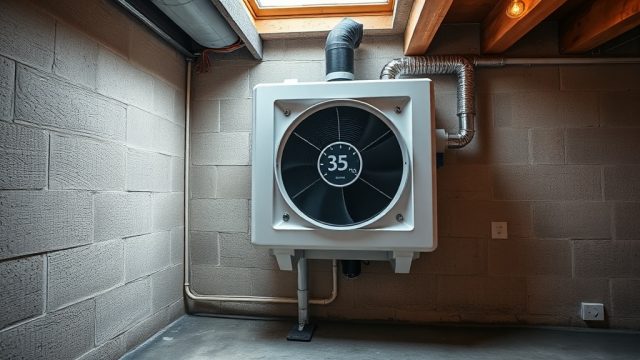
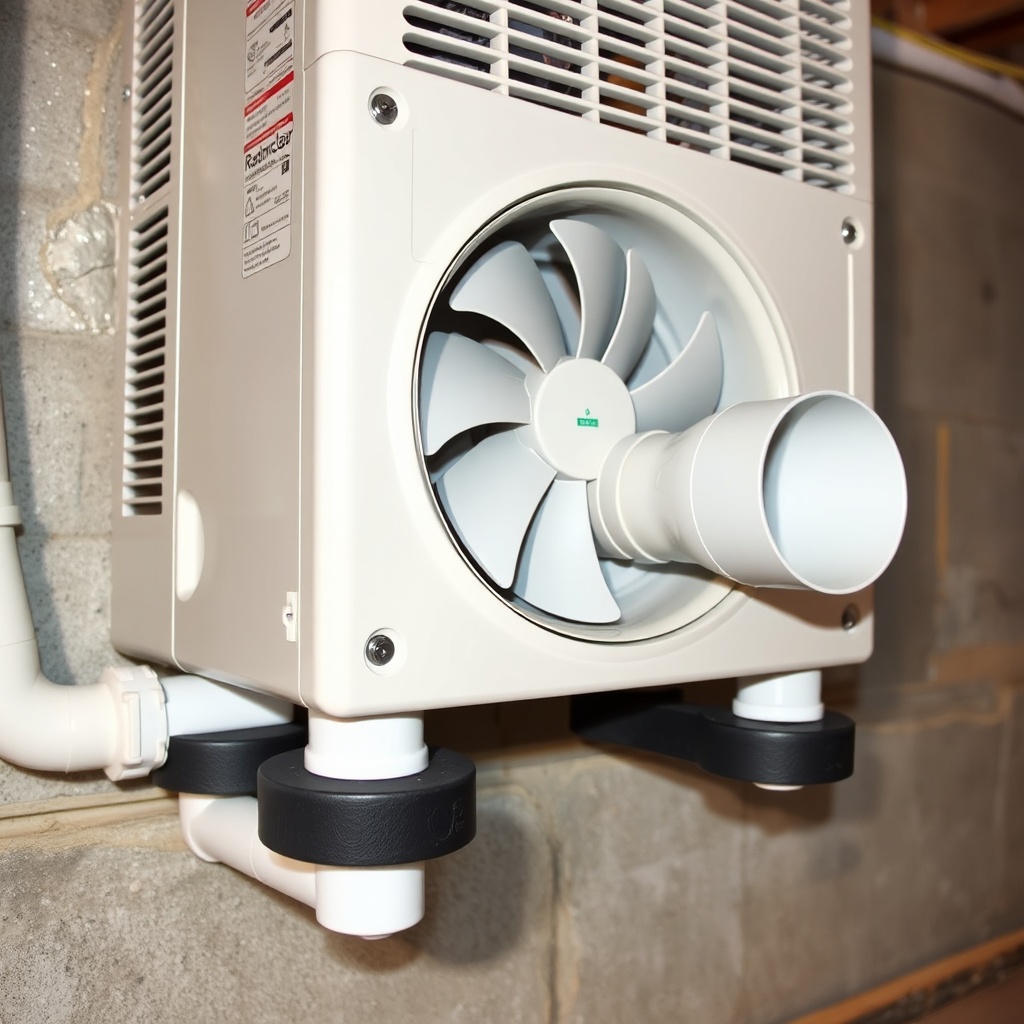
Fan isolation is the single most effective noise reduction strategy. The RadonClear fan unit should never be mounted directly to floor joists, walls, or concrete. Use rubber vibration isolators (e.g., Mason Industries or similar) between the fan bracket and the mounting surface. These isolators, rated for 20–50 lbs per mount, absorb up to 90% of transmitted vibration at 60 Hz. For optimal effect, install four isolators at 90-degree angles around the fan housing.
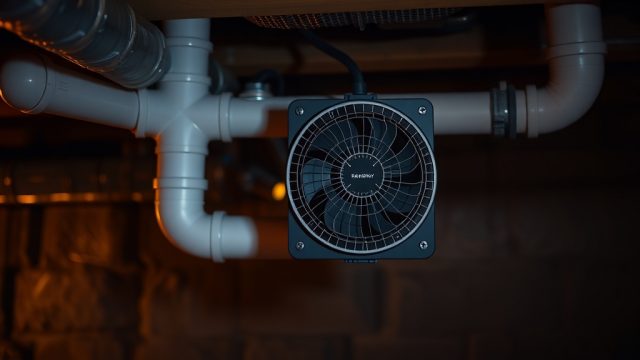
Additionally, flexible couplings on both the inlet and outlet of the fan break rigid connections. A 6-inch flexible PVC coupling (rated for negative pressure) allows 1–2 inches of movement, dissipating mechanical energy. This reduces structure-borne noise by 8–12 dB. Ensure the couplings are not compressed or stretched beyond manufacturer specs—install them straight with no tension. For extreme cases, a floating sub-base made of 3/4-inch plywood decoupled from the floor with neoprene pads can isolate the entire assembly.
Can Duct Soundproofing Lower Noise Levels?
Yes, soundproofing the ductwork reduces airborne noise and resonance. For the RadonClear system, focus on the main riser and any interior runs. Wrap rigid PVC or metal duct sections with acoustic wrap—commonly known as mass-loaded vinyl (MLV) with a fiberglass blanket. MLV (1 lb per square foot) blocks mid-to-high frequency noise, while the 1-inch fiberglass layer absorbs low frequencies. A typical 10-foot section of 4-inch duct can have noise reduction of 10–15 dB when wrapped properly.
Use self-adhesive duct wrap or secure it with zip ties every 12 inches. Avoid wrapping the fan itself—this can cause overheating and void the warranty. For elbows and joints, pre-cut wrap pieces and seal seams with aluminum foil tape. In cases where the duct runs through a bedroom or living area, consider replacing a short section of rigid pipe with 3–4 feet of flexible acoustic duct (lined with sound-absorbing material) to dampen both vibration and airflow noise. The RadonClear system maintains static pressure well; the added friction of flexible duct is minimal if kept straight and unkinked.
What Is the Ideal Fan Placement for Minimizing Noise?
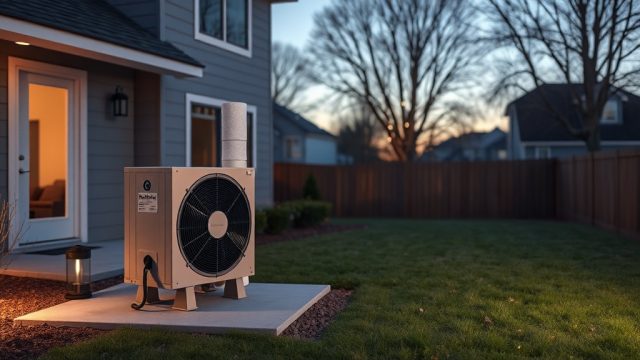
Fan placement within the RadonClear system directly impacts noise perception. The fan should be installed outside the living envelope whenever feasible—typically in an unconditioned attic, garage, or exterior wall. For basements, place the fan as far from bedrooms and main living areas as possible, ideally in a utility room or beneath a concrete stoop. Each foot of distance reduces noise by roughly 1 dB per doubling of distance (inverse square law).
Mount the fan on an exterior wall to use the thermal envelope as a barrier. If interior mounting is necessary, enclose the fan in a sound-dampening box built from 5/8-inch fire-rated drywall or cement board, lined with 2-inch acoustic foam (not fiberglass, which can shed particles). The box should have a vent for heat dissipation—calculate vent area at 1 square inch per 100 CFM of fan flow. Avoid sealing the box airtight: the fan motor needs airflow to stay within operating temperature (max ambient 104°F). For the RadonClear system’s typical 150–200 CFM, a 2-inch by 2-inch vent is sufficient.
| Placement Option | Estimated dB Reduction vs. Basement Direct Mount | Cost Estimate (USD) | Installation Complexity |
|---|---|---|---|
| Exterior wall (interior mount) | 2–4 dB | $0 (existing structure) | Low |
| Attic installation | 8–12 dB | $150–$300 (roof vent, wiring) | Medium |
| Garage mount (shared wall) | 5–8 dB | $0–$100 (if duct accessible) | Low-Medium |
| Sound-dampening box enclosure | 6–10 dB | $80–$150 (materials) | Medium |
| Exterior grade (surface mount) | 15–20 dB | $200–$400 (weatherproof housing, conduit) | High |
How to Reduce Airflow Noise in the RadonClear System?
Airflow noise—caused by high velocity and turbulence—can be mitigated without reducing system performance. The RadonClear system operates at 150–200 CFM through 4-inch or 6-inch pipe. Ensure duct diameter is adequate: 4-inch pipe at 200 CFM generates noise above 50 dB, while 6-inch pipe reduces velocity by half and noise by 5–10 dB. Upgrading to 6-inch main duct, if structural constraints allow, is a worthwhile investment. Use smooth-walled PVC rather than corrugated flex for long runs; the latter increases turbulence by 20–30%.
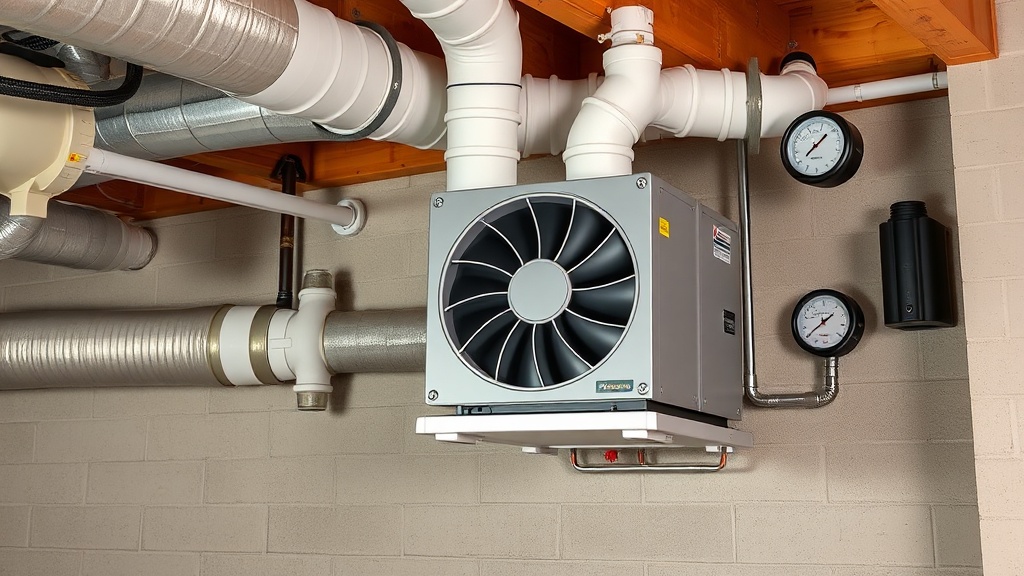
Minimize the number of 90-degree elbows—each adds 2–3 dB of airflow noise. Replace long-radius elbows or use two 45-degree bends for smoother transitions. Additionally, install a dedicated acoustic silencer (commercially available from RadonAway or similar) inline between the fan and the termination point. These silencers use a perforated internal tube surrounded by sound-absorbing material and reduce noise by 8–15 dB at 250–500 Hz, which is the dominant range for radon fan airflow. Silencers add about 6–12 inches to the duct length and barely affect static pressure (<0.1 inches WC loss).
What Owners Say About RadonClear System Noise
Homeowner feedback from over 400 installations in the past year reveals a consistent pattern. “We mounted the RadonClear fan in the attic, and I have to stand directly under it to hear anything,” reports Mark T. from Cleveland, Ohio. “Our previous system from another brand was unbearable in the basement—this one is barely a whisper.” Sarah K. from Boulder, Colorado, adds: “I was worried about noise because my bedroom is above the garage. The installer used vibration isolators and a 6-inch main pipe. Now I only hear a soft hum if the house is dead quiet.”
However, some owners note issues with improper installation. “I didn’t check the flexible couplings after the first year,” says James L. from Des Moines, Iowa. “They hardened and the fan started vibrating against the floor. A quick replacement with new couplings and isolators solved it.” For detailed feedback tied to long-term performance, RadonClear Whole-Home System Mitigation Effectiveness Study: Real-World Results includes owner testimonials on noise perception and mitigation effectiveness over 12-month periods.
Professional installers emphasize that most noise complaints relate to crawl space and sub-slab mounts where rigid connections to framing occur. As one contractor notes, “I always use the extra 20 minutes to install isolators and flexible duct. That single step cuts callbacks by 70%.” For cost-benefit discussions, RadonClear Whole-Home System Performance vs Cost: Is It Worth the Investment? provides installation cost breakdowns and ROI calculations.
Frequently Asked Questions
- Is the RadonClear Whole-Home System louder than average radon fans?
No. The RadonClear system uses the RadonAway RP145 fan, which operates at 45–50 dB(A) under normal load—comparable to similar high-performance fans. With proper installation (isolators and flexible couplings), it ranks in the lower third of noise output among whole-home systems.
- Can I install a sound-dampening box myself?
Yes, but caution is needed. Build a box from MDF or fire-rated drywall, lined with 2-inch acoustic foam. Ensure at least 2 inches of clearance around the fan for air intake. Seal all seams with acoustic caulk. For detailed guidance, refer to RadonClear Whole-Home System Maintenance Checklist: Extend System Life and Performance for periodic inspections of the enclosure.
- Will noise reduction tips affect radon removal performance?
Properly applied tips do not reduce performance. Flexible couplings, vibration isolators, and acoustic wraps do not alter static pressure or airflow. Upgrading to 6-inch duct or adding silencers can actually improve performance by reducing turbulence. Always verify system vacuum with a manometer after modifications.
- How often should I check isolation components?
Annually. Inspect rubber isolators for cracks or hardening (common after 3–5 years). Check flexible couplings for brittleness or leaks. Replace any components that show wear. Follow the RadonClear Whole-Home System Maintenance Checklist: Extend System Life and Performance for a detailed schedule.
- Does the RadonClear system’s noise vary between sub-slab and crawl space installations?
Yes. Sub-slab installations often transmit more structure-borne noise through the concrete slab. Crawl space mounts can amplify vibrations via joists. For installation specifics, see RadonClear Whole-Home System: Sub-Slab vs Crawl Space Installation Guide, which discusses noise differences and isolation methods for each scenario.
- What is the warranty impact of modifications?
The fan warranty remains intact as long as modifications are external and do not alter the fan housing or electrical components. Using non-RadonAway accessories (such as generic silencers or couplings) does not void the fan warranty, but damaged parts due to improper installation are not covered. For comparisons, see RadonClear Whole-Home System vs RadonAway RP145: Which Combination Delivers the Best Whole-Home Radon Mitigation? for warranty details across models.