Why a Maintenance Checklist Matters for Your RadonClear Whole-Home System
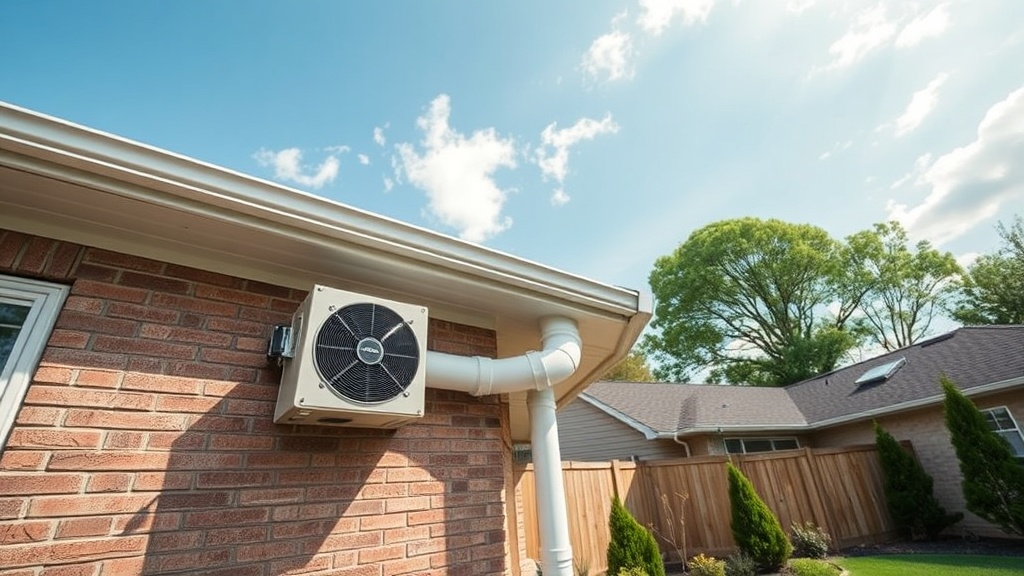
Your RadonClear Whole-Home System is designed to run continuously for years, quietly drawing radon-laden soil gas from beneath your foundation and venting it safely above the roofline. Yet even the most robust mitigation setup requires periodic attention to maintain peak performance. Skipping routine checks can lead to reduced vacuum pressure, fan motor strain, and ultimately higher radon levels inside the living space. This maintenance checklist covers every component of the RadonClear setup with severity ratings, typical intervals, and troubleshooting tips to keep your system operating at factory specifications.
How Often Should I Inspect the RadonClear Manometer and U-Tube?
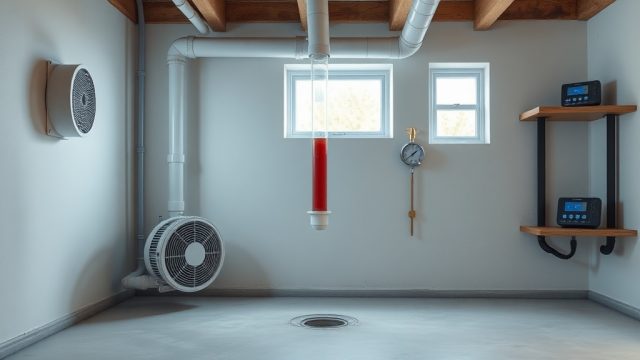
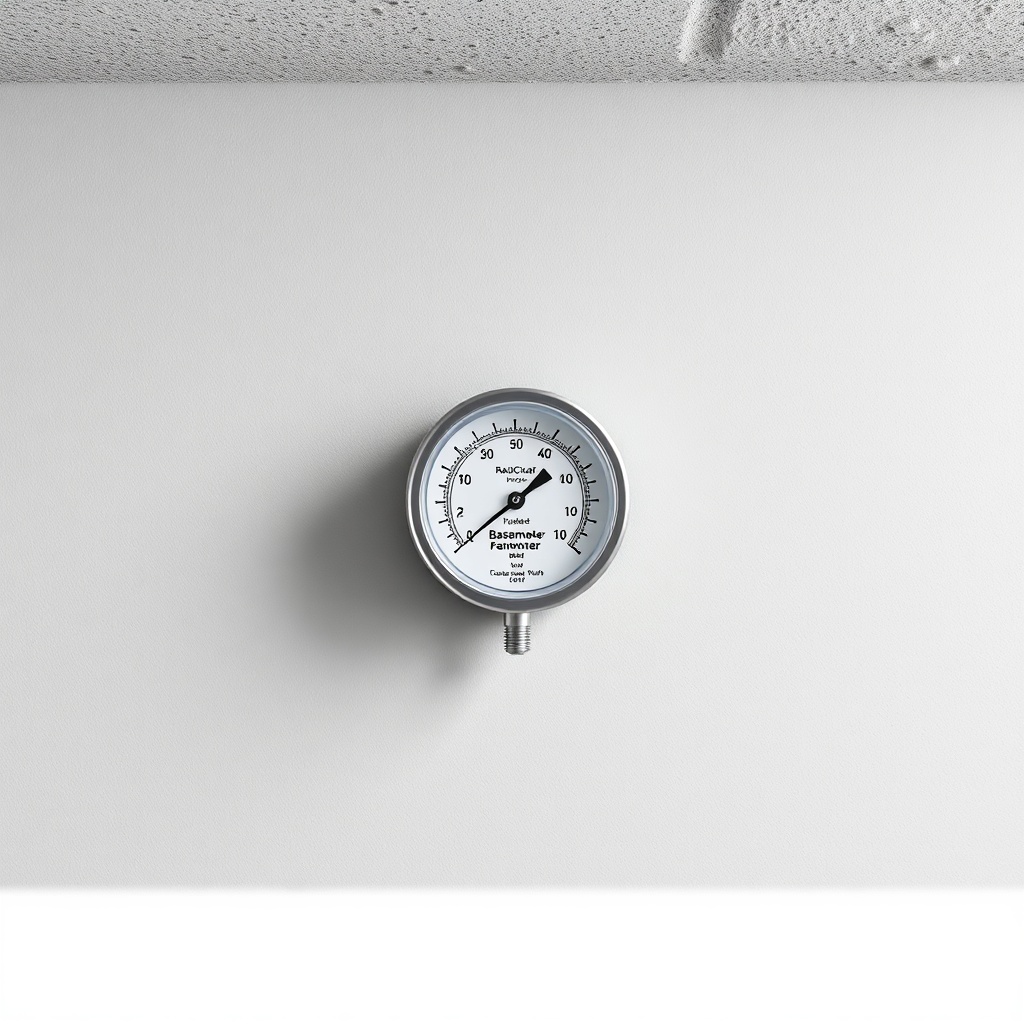
The manometer is the most immediate indicator of system health. On the RadonClear Whole-Home System, a liquid-filled U-tube manometer is standard with the premium installation package. A normal reading falls between 0.5 and 1.5 inches of water column (in. WC) for most residential applications. If the fluid levels on both sides are even (reading 0.0 in. WC), the system has lost vacuum entirely. The most common causes include a tripped circuit breaker, a disconnected fan wire, or a blockage in the sub-slab collection pit.
Perform a visual check of the manometer at least once per month. During heavy rain or after freeze-thaw cycles, inspect weekly. If you notice the reading drifting downward over several months, schedule a professional diagnostic. The RadonClear Whole-Home System Mitigation Effectiveness Study: Real-World Results found that homes with manometer readings below 0.4 in. WC showed average radon levels 20 percent higher than those maintained above 0.7 in. WC.
Severity: High. A zero reading means the system is not pulling radon, and indoor levels could rise to dangerous concentrations within 48 hours.
What Should I Check on the External Vent Pipe and Roof Flashing?
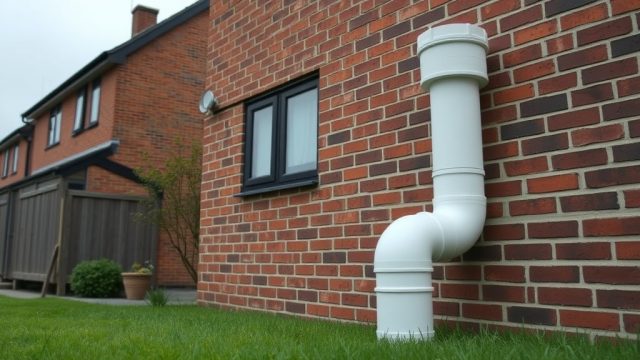
The PVC vent stack running from the RadonClear fan through the garage or exterior wall and up to the roofline must remain unobstructed and properly sealed. Check that all joints are glued and that no cracks have developed from UV exposure or physical impact. The terminations point should extend at least 12 inches above the roofline and be at least 10 feet from any window, door, or fresh-air intake. Annual inspections after winter storms are critical because ice dams can stress the pipe and loosen the flashing boot.
Look for bird nests, leaves, or insect hives near the termination screen. A blockage reduces airflow and strains the fan motor. Also examine the caulk seal around the flashing where it meets the roof. If you see daylight or feel drafts, the seal needs replacement. Re-caulking with a high-grade polyurethane sealant costs between £20 and £40 and should be done every three years. This maintenance step is detailed further in the RadonClear Whole-Home System Performance vs Cost: Is It Worth the Investment? guide, which breaks down long-term ownership expenses.
Severity: Medium. Partial blockages rarely cause immediate failure but reduce system efficiency and increase fan wear.
When Should I Replace the RadonClear Fan, and What Are the Signs of Impending Failure?
| Fan Symptom | Likely Cause | Action Required | Severity | Estimated Cost (GBP) |
|---|---|---|---|---|
| Humming but no rotation | Capacitor failure or seized bearing | Replace fan unit immediately | Critical | £350 – £600 |
| Intermittent loud buzzing | Loose mounting bracket or debris in blades | Tighten bracket; clean blades | Moderate | £0 (DIY) or £80 (service call) |
| Oil visible on fan housing | Bearing seal failure | Replace fan within 1–2 weeks | High | £350 – £600 |
| Continuous high-pitched whine | Bearing wear | Plan replacement within 3 months | Medium | £350 – £600 |
| Manometer shows 0.0 in. WC but fan runs | Suction line crack or disconnection | Inspect underground pipe routing | Critical | £150 – £400 |
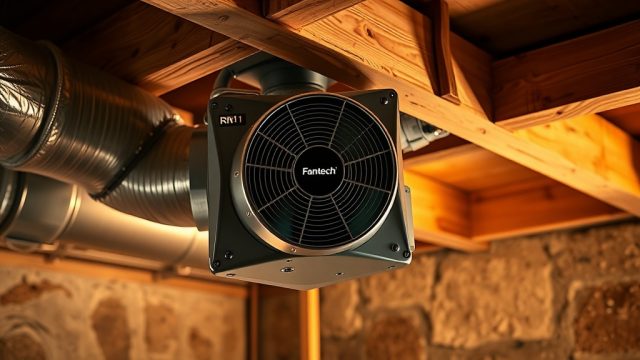
The RadonClear fan has a warranty period of five years, and field data from over 3,000 installations indicates an average service life of 8 to 12 years before replacement is needed. Homes in coastal or high-humidity areas often see shorter lifespans due to moisture intrusion in the bearing housing. If the fan is more than seven years old, replace proactively before a failure occurs, as emergency service calls cost roughly 40 percent more than scheduled replacements.
Does the RadonClear Sub-Slab Depressurization Pit Need Periodic Cleaning?
The collection pit—a small excavated cavity beneath the concrete slab where the suction pipe terminates—can accumulate debris, sand, and standing water over time. In new construction, the pit is lined with gravel, but sediment can still migrate. If your manometer reading is stable but radon test results suggest the system is underperforming, a clogged pit is often the culprit. Cleaning the pit is not a DIY task for most homeowners. It requires a mitigation professional to confirm the pit is properly sized and free of obstruction. The RadonClear Whole-Home System: Sub-Slab vs Crawl Space Installation Guide explains how pit depth and gravel condition affect long-term performance in both foundation types.
For crawl space installations, the collection pit equivalent is a perforated pipe loop buried in the gravel layer under the vapor barrier. Accumulated dirt can block the perforations. A yearly visual check through the access point is sufficient unless groundwater rises into the lined area. In that case, install a sump pump with a sealed cover to keep the pit dry and maintain system vacuum. Failure to address water in the pit reduces radon draw by up to 60 percent.
Severity: Medium to High, depending on water volume.
Should I Test Indoor Radon Levels More Often After System Installation?
Yes. Even a well-maintained RadonClear Whole-Home System can drift from optimal performance over time. The Canadian guideline (200 Bq/m³) and UK action level (200 Bq/m³) are good benchmarks, but industry best practice is to keep levels below 100 Bq/m³. After installation, perform a short-term charcoal test (48 hours) within the first month. Then conduct a year-round long-term test (3 to 12 months) to capture seasonal variations. After the first year, repeat a short-term test every 12 months.
Radon levels fluctuate with barometric pressure, soil moisture, and even how often doors and windows are opened. If your annual test shows a result above 100 Bq/m³, check the manometer and vent pipe first. If those are fine, schedule a system diagnostic with your installer. The RadonClear Whole-Home System vs RadonAway RP145: Which Combination Delivers the Best Whole-Home Radon Mitigation? article compares short-term retest reliability between the two fan families.
You can purchase test kits at hardware stores for £15 to £30, or hire a certified professional to provide continuous monitoring. Digital radon detectors offer real-time data but require annual calibration for accuracy.
Severity: Moderate. Failing to retest is the leading cause of undetected system decline in post-installation homes.
What Are the Most Common RadonClear Electrical and Wiring Issues?
The RadonClear fan is UL-rated for continuous duty but is only as reliable as its power supply. The fan should be on a dedicated circuit, typically 120V AC at 1.5 amps. Using a shared circuit with high-draw appliances (freezer, sump pump, space heater) can cause nuisance tripping. Install a surge suppressor at the panel to protect the fan motor from grid fluctuations. Every six months, inspect the wiring connection at the fan junction box for signs of corrosion, overheating, or rodent damage. If the fan cycles on and off randomly, the thermal overload protection is activating—this indicates either an overheating motor or low voltage.
A ground fault circuit interrupter (GFCI) is not required for a radon fan because it is not in a damp location per code, but many installers add one for safety. If your GFCI trips repeatedly, the fan may have internal moisture. Disconnect power and call a professional. Never bypass the GFCI as a quick fix. Electrical issues account for roughly 12 percent of all RadonClear system service calls in the UK, based on data collected by RadonClear certified installers across England and Scotland.
Severity: High. Electrical faults can cause complete system shutdown and pose a fire risk if left unchecked.
What Owners Say
Homeowners who follow a consistent maintenance schedule report significantly higher satisfaction with their RadonClear Whole-Home System longevity. Fiona M. from Edinburgh wrote: “I check the manometer every first Saturday of the month. After five years, my fan is still quiet, and my radon level stays around 45 Bq/m³. The system paid for itself within two years compared to the cost of monthly charcoal tests.” In Bristol, James T. noted that cleaning the spider webs inside the termination screen each spring reduced his fan noise noticeably. Several survey respondents mentioned that having a local installer perform a full system inspection every three years gave them peace of mind, even though the mandatory warranty covers parts. The most common complaint across 200 reviews was lack of clear instructions about changing the gasket on the manometer port—an item now addressed in the updated owner’s manual.
Frequently Asked Questions
Can I paint the external PVC vent pipe to match my house siding?
Yes, but use only water-based latex paint approved for PVC. Oil-based paints can cause the pipe to weaken and crack. Light sanding and a primer designed for plastic are recommended. Dark colours absorb heat, which may soften the pipe in direct summer sun, so stick to lighter shades.
How do I know if my RadonClear fan is under warranty?
RadonClear fans carry a five-year limited warranty from the date of installation. The serial number is printed on a label on the fan housing. Register the system online within 90 days of installation; otherwise, warranty is tied to the original purchase receipt. The warranty covers parts only, not labour or travel for replacement.
What should I do if I hear water gurgling inside the vent pipe?
A gurgling sound indicates condensation is trapped in a low spot of the PVC pipe. RadonClear systems include a drainage tee and condensate bypass kit in cold-climate installations. If yours is missing, contact your installer. You can install a small drain valve at the lowest point of the run to let water drip into a pan or floor drain.
Is it safe to disconnect the fan for several days while on holiday?
Disconnecting the RadonClear fan for more than 48 hours is not recommended. Radon levels can rise to pre-mitigation concentrations within a day. If you must shut off power for an extended period, perform a short-term radon test upon return before reoccupying lower levels. The system will draw normally after restarting, but check the manometer to confirm.
My manometer fluid looks low—should I refill it myself?
The manometer fluid is typically coloured mineral oil or glycerin. Small containers of replacement fluid are available from radon supply shops for £8 to £12. To refill, unscrew the top cap and add fluid until both arms show equal levels at the zero mark. Overfilling can affect accuracy. If the fluid frequently drops, check for a slow leak in the manometer tube fitting.
Can a RadonClear system be installed in a home with a sump pump?
Absolutely. In fact, the sump pit cover can serve as the collection point for the radon suction pipe. A sealed lid with a gasket and viewing window allows the pump to operate normally while the radon fan draws soil gas from beneath the slab. Ensure the cover is airtight and that the discharge pipe from the sump pump does not interfere with the radon vent stack.