RadonClear Whole-Home System Winter Performance Analysis
Winter months present unique challenges for radon mitigation systems, particularly for the RadonClear Whole-Home System, as snow, ice, and temperature extremes can compromise performance. This analysis covers critical maintenance and troubleshooting steps to ensure the system operates effectively through freezing conditions, with practical advice for homeowners across Canada and the United States.
The RadonClear Whole-Home System, known for its robust pressure field extension capabilities, relies on consistent airflow and vacuum pressure to keep radon levels below the Health Canada guideline of 200 Bq/m³ and the EPA action level of 4 pCi/L. Winter neglect can lead to system inefficiency, increased energy costs, and potential radon re-entry into the living space.
Why does my RadonClear system lose suction during subzero temperatures?
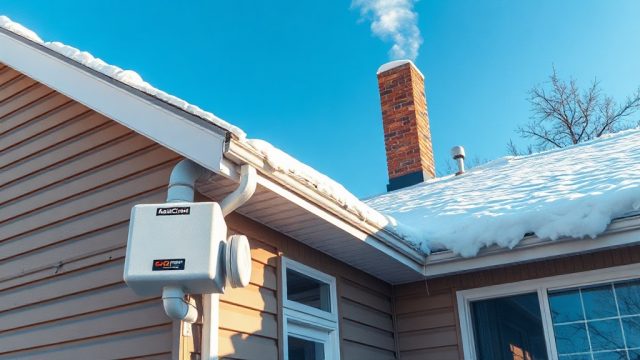
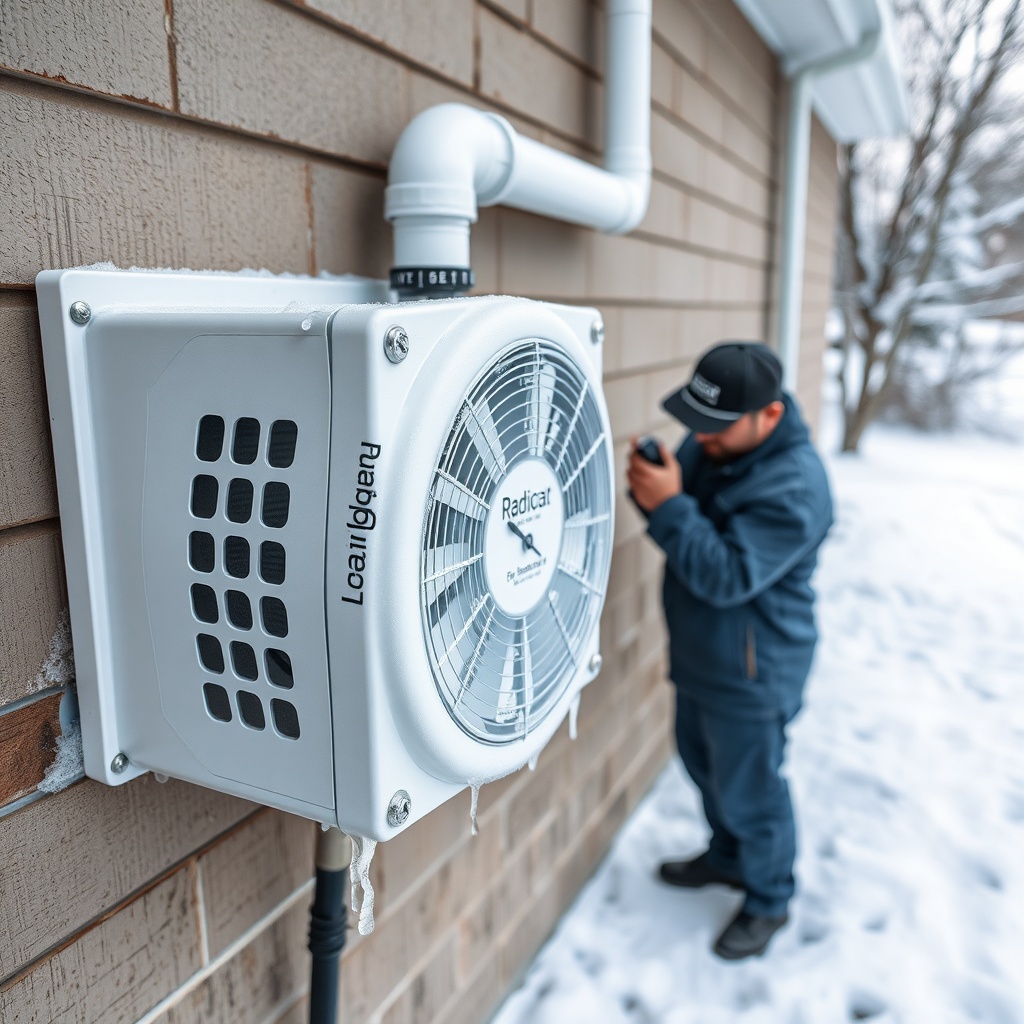
A drop in suction pressure during extreme cold often points to ice formation in the vent pipe or exhaust outlet. The RadonClear fan unit, whether mounted in the attic or exterior wall, can experience condensation buildup as warm, moist air rises from the sub-slab and meets cold pipe surfaces. This moisture freezes, creating a partial or complete blockage that reduces airflow and vacuum pressure.
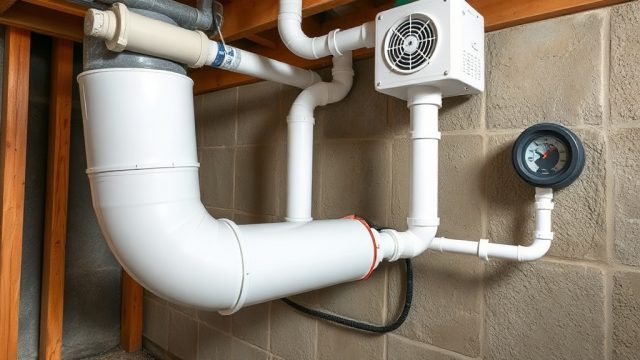
To diagnose, check the U-tube manometer or pressure gauge installed on the system. A normal reading for most RadonClear installations ranges between 0.5 and 2.0 inches of water column (in. WC). If the reading drops below 0.3 in. WC, suspect ice obstruction. Additionally, listen for unusual fan sounds—a struggling fan indicates blocked airflow.
Troubleshooting steps:
- Inspect the exhaust pipe outlet above the roofline for ice buildup. Clear any snow or ice manually with a soft brush—never use salt or chemicals that can corrode PVC.
- Install a condensation drain in the pipe run, ideally in an unheated basement or crawlspace, to allow water to drain before it reaches the cold pipe sections. A standard tee with a drain valve costs approximately $15 to $25 CAD or $12 to $20 USD.
- Consider insulating the exposed pipe sections with closed-cell foam insulation rated for outdoor use. This reduces temperature differential and minimizes condensation.
Can heavy snow block my RadonClear exhaust outlet?
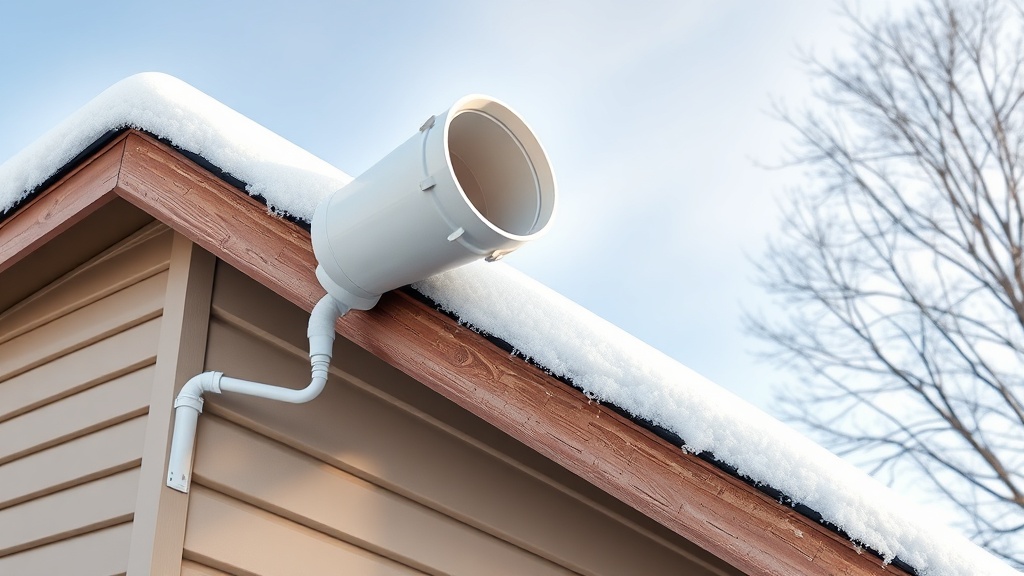
Yes, snow accumulation is a common winter issue for systems with roof-mounted exhaust outlets. The RadonClear Whole-Home System typically vents radon gas above the roofline, but drifting snow or ice dams can cover the outlet, preventing proper exhaust and causing back-pressure that reduces system efficiency.
To prevent blockage, ensure the exhaust termination is at least 12 inches above the anticipated snow line. In areas with high snowfall, such as parts of Ontario, Quebec, or the northern U.S., extensions are often necessary. A standard 3-inch PVC extension costs about $8 to $12 CAD or $6 to $10 USD and can be added with a coupling and PVC cement.
Monthly inspections during winter are crucial. Use a telescoping pole or go onto the roof (with safety harness) to clear snow around the outlet. Never place the exhaust near areas where snow accumulates from roof slides, such as valleys or dormer intersections.
Severity assessment table:
| Condition | Symptom | Action Required |
|---|---|---|
| Snow covers outlet < 50% | Minor suction drop (0.2–0.5 in. WC) | Clear snow manually; monitor gauge |
| Snow covers outlet 50–75% | Moderate suction drop (0.5–1.0 in. WC); fan noise increases | Clear snow, check for ice inside pipe |
| Snow covers outlet > 75% | Critical suction drop ( >1.0 in. WC); system may alarm | Clear snow, inspect for blockages, consider outlet relocation |
| Ice dam at outlet | Fluctuating suction; intermittent operation | Thaw with warm water, install insulation and condensation drain |
How do I check if the RadonClear fan is working in winter?
Visual and audible checks are essential. The RadonClear fan, typically models like the RadonClear RC140 or RC150, should produce a consistent hum. During winter, listen for rattling, grinding, or intermittent sounds that suggest ice in the fan blades or a frozen bearing.
Quick diagnostic steps:
- Verify the manometer shows a stable reading within the normal range. If the reading oscillates, ice may be partially blocking the pipe.
- Feel the fan housing—if it’s vibrating excessively, ice buildup could be unbalancing the rotor.
- Check the fan’s power supply. In freezing conditions, outdoor GFCI outlets can trip due to moisture. Reset the outlet and inspect for damage.
- For interior-mounted fans (e.g., in an attic), ensure insulation isn’t blocking ventilation slots. Overheating can occur even in winter if airflow is restricted.
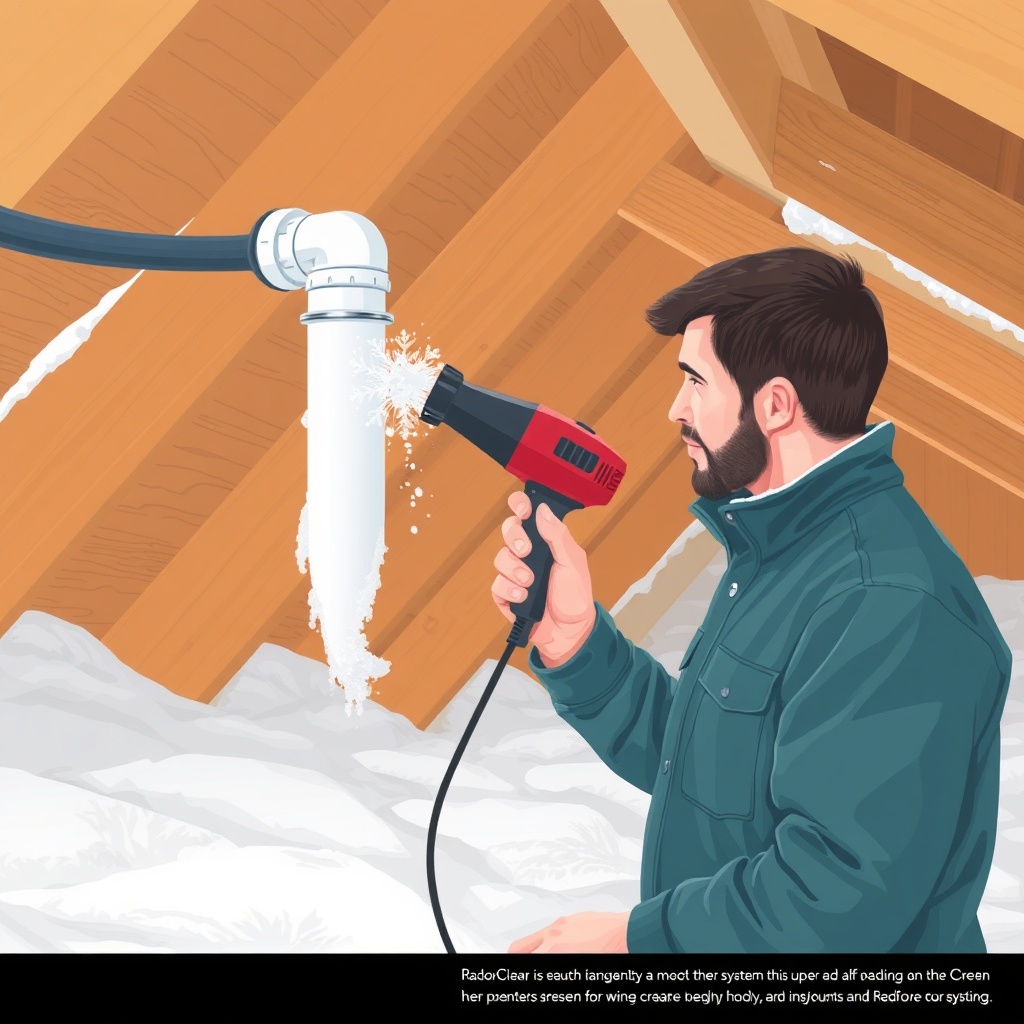
If the fan stops completely, turn off the system at the breaker immediately to prevent motor damage. Then, inspect for ice in the pipe near the fan. Thaw with a hairdryer on low heat—never use open flames. Many homeowners benefit from integrating the system with smart home monitoring to receive remote alerts for pressure changes.
Will using a radon fan in winter increase my heating bill?
This is a common concern. The RadonClear Whole-Home System does remove a small amount of conditioned indoor air, as it draws air from below the slab and exhausts it outside. In winter, this can result in slightly higher heating costs. However, the impact is minimal—typically less than 1–2% of total energy consumption, or about $20–$30 CAD ($15–$25 USD) per month in a typical 2,000 sq ft home.
To mitigate air loss, ensure the sub-slab sealing is intact. Cracks or gaps in the slab allow the system to pull more warm air from the house, increasing energy loss. Seal visible cracks with hydraulic cement or polyurethane caulk (cost: $10–$20 CAD per tube). Also, verify that the fan is properly sized for the home’s footprint—oversized fans pull more air and increase energy use. The RadonClear system’s fan selection guide recommends matching the fan to slab permeability and square footage.
For those already following annual maintenance practices, winter energy costs remain predictable. Regular checks of pipe connections and seals help maintain efficiency.
What routine winter maintenance does the RadonClear system need?
Winter-specific maintenance extends system life and prevents emergency repairs. Follow this checklist monthly from November through March:
- Inspect the manometer for proper reading. Note any fluctuations.
- Clear snow and ice from the exhaust outlet and all pipe joints within reach.
- Check pipe supports and brackets for loosening due to freeze-thaw cycles. Retighten as needed.
- Examine the fan housing for cracks or condensation that could freeze inside.
- Listen for unusual fan sounds. If noise increases, consult noise reduction strategies to avoid winter-related vibration issues.
- Ensure the pipe insulation is intact and not damaged by rodents or weather.
- Test the system’s performance with a short-term radon test kit (available for $20–$30 CAD) to confirm levels remain below action thresholds.
For a complete seasonal guide, refer to the RadonClear Whole-Home System Maintenance Checklist, which includes year-round tasks tailored to climate zones.
How do I restore performance if my system froze completely?
When the RadonClear system has been frozen for more than 24 hours, follow a systematic thawing protocol to avoid pipe damage. Never apply direct flame or excessive heat—PVC pipes can warp or crack above 140°F (60°C).
Step-by-step restoration:
- Turn off the system at the breaker. Do not operate a frozen fan—it can burn out the motor.
- Identify the frozen section. Common spots: horizontal pipe runs in unheated attics, exterior walls, and the outlet termination.
- Apply gentle heat using a hairdryer set to low or medium, moving back and forth along the pipe. For large sections, use a heat lamp placed 12–18 inches away, or wrap the pipe with electric heat tape (available at hardware stores for $15–$25 CAD).
- Once ice melts, check for leaks by running the system briefly. Listen for hissing air at joints.
- After thawing, install a condensation drain if the system lacks one. A simple tee-and-valve setup costs about $15 CAD and prevents future freezing.
- Monitor the manometer for 24 hours to confirm stable pressure.
If the fan itself is frozen or damaged, replacement fans for the RadonClear system range from $200 to $400 CAD ($150–$300 USD). Always use the exact model specified for your system to maintain warranty compliance.
What Owners Say
Homeowners in colder regions report that the RadonClear Whole-Home System performs reliably through most winters, provided they stay proactive. James T. from Saskatoon, Saskatchewan, notes: “The system kept radon levels under 150 Bq/m³ all last winter, even during a -40°C snap. I only had to clear snow from the outlet twice. The condensation drain I added after reading online tips made a huge difference.”
Susan L. from Burlington, Vermont, shares: “My first winter with the system was a learning curve. The manometer dropped suddenly in February. I found ice in the horizontal pipe—a quick thaw and insulation fixed it. Now I check it monthly. The $25 insulation paid for itself.”
Mark R. from Thunder Bay, Ontario, recommends: “Do the annual maintenance in the fall. Check your seals and pipe supports. I had a bracket come loose during a thaw and the pipe sagged—it caused a partial blockage. Easy fix, but annoying. The system’s pressure field extension works great, but winter demands attention.” For tips on enhancing system reach in large spaces, see the detailed comparison with alternative systems.
Frequently Asked Questions
Q: What is the ideal manometer reading for my RadonClear system in winter?
A: The acceptable range remains 0.5 to 2.0 in. WC, same as summer. Lower readings may indicate ice blockage or snow obstruction. If readings drop below 0.3 in. WC, investigate immediately.
Q: Can I use a space heater to thaw my radon pipe?
A: No. Space heaters pose a fire risk and may overheat PVC. Use only a hairdryer on low heat or electric heat tape designed for pipes.
Q: Should I turn off my RadonClear system during extreme cold?
A: No, unless the fan is frozen or blocked. The system must run continuously to maintain negative pressure. Shutting it off allows radon to accumulate. If you suspect ice, power down only to thaw safely.
Q: How often should I inspect the exhaust outlet in winter?
A: After every significant snowfall (over 10 cm or 4 inches) and at minimum once per month. Use a telescoping pole or binoculars to check from ground level.
Q: Does snow on the ground affect the system’s performance?
A: Not directly, as the system pulls air from below the slab. However, deep snow can cover basement windows or vents, reducing ventilation in the crawlspace, which may indirectly affect radon levels.
Q: What is the warranty coverage for winter damage?
A: The RadonClear fan carries a 5-year limited warranty, but damage from ice or improper installation (like missing condensation drains) may void coverage. Check your warranty document or consult a certified radon professional for claims.