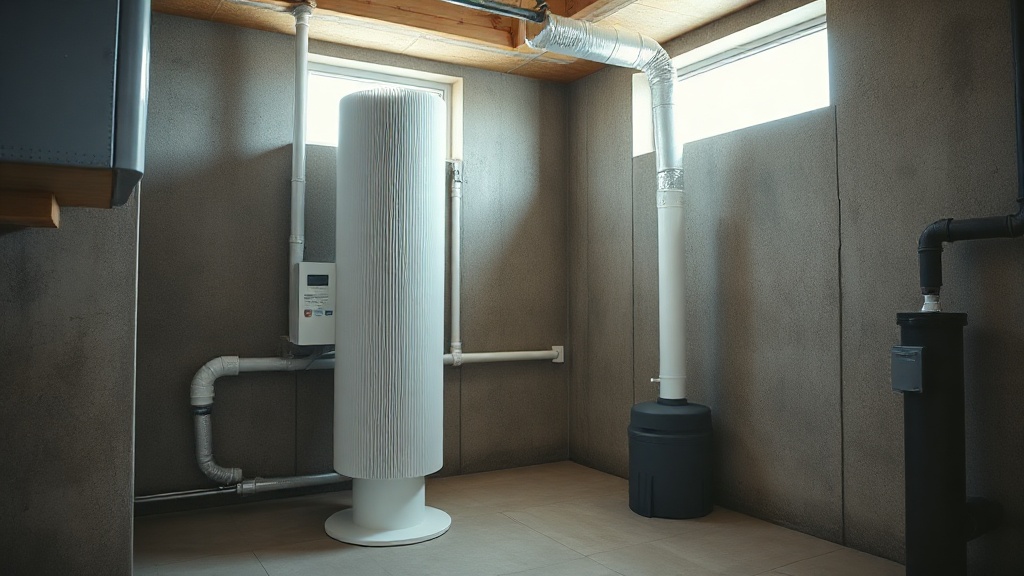
Every RadonClear Whole-Home System relies on its carbon filter to capture airborne radon decay products and volatile organic compounds. Over time, the carbon media becomes saturated and loses efficiency, making regular maintenance the difference between clean indoor air and a compromised setup. This article walks homeowners through the exact steps for carbon filter replacement, optimization tips, and common pitfalls—ensuring your system performs at peak for years.
Why Does the Carbon Filter Need Replacing on a RadonClear Whole-Home System?
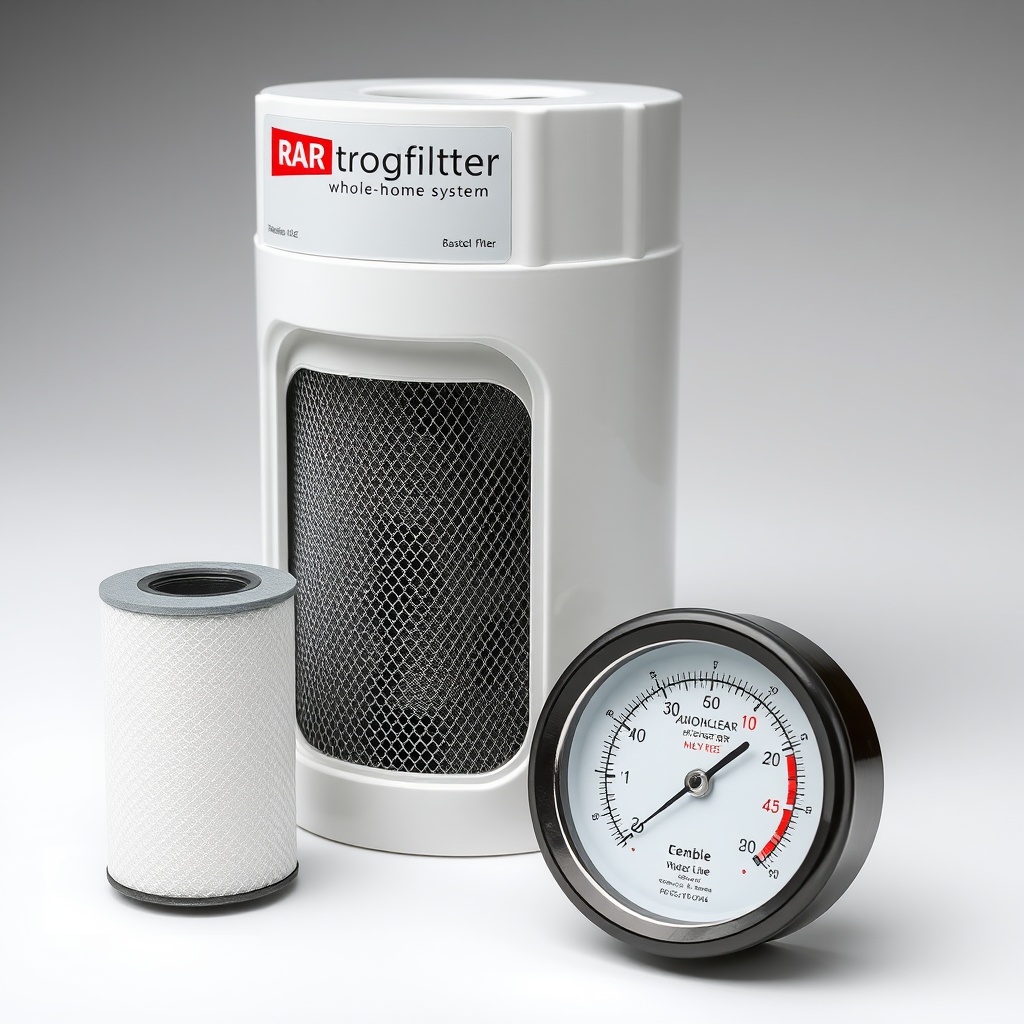
The carbon filter in a RadonClear Whole-Home System isn’t a “set-and-forget” component. As radon gas decays, its progeny attach to dust and moisture, which the carbon media adsorbs. Over three to six months of continuous operation, the carbon pores fill, reducing the filter’s ability to trap new particles. If left unchanged, the system’s fan works harder, static pressure rises, and radon levels can creep upward. Worse, a saturated carbon filter can become a breeding ground for mold when humidity is high. Regular replacement—typically every six months for average radon levels above 4 pCi/L—keeps your manometer readings stable and your whole-home protection active.
How Often Should I Replace the Carbon Filter in My RadonClear Whole-Home System?
Manufacturer guidelines recommend replacing the carbon filter every six months under normal conditions. However, several factors can shorten that interval:
- High radon levels (above 10 pCi/L) may demand replacement every three to four months.
- Excessive humidity (basement relative humidity consistently above 60%) accelerates media saturation.
- Smoking or heavy cooking adds extra VOCs that clog the carbon faster.
- Pets and dust in the living space increase particulate load.
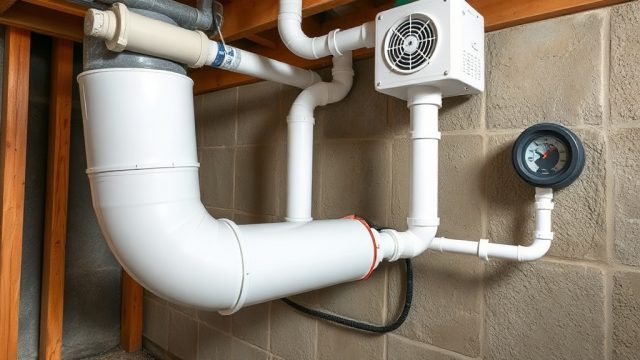
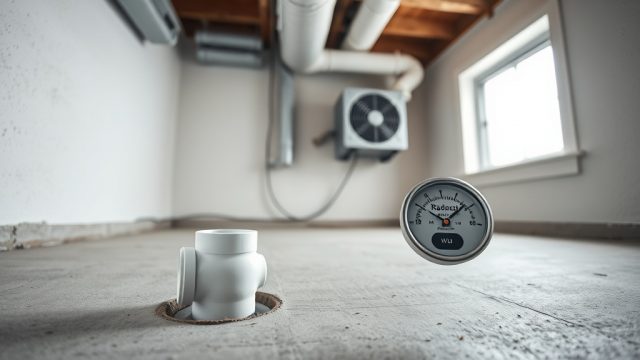
Monitor your manometer monthly. If the pressure reading on the u-tube rises more than 0.5 inches of water column compared to when the filter was fresh, replacement is overdue. Check our winter freeze protection guide to ensure cold weather doesn’t accelerate filter degradation.
What Are the Steps to Replace the RadonClear Carbon Filter Safely?
Replacing the carbon filter is a straightforward DIY task, but safety comes first. Follow this step-by-step process:
- Power down the system at the circuit breaker to avoid fan kick-on during work.
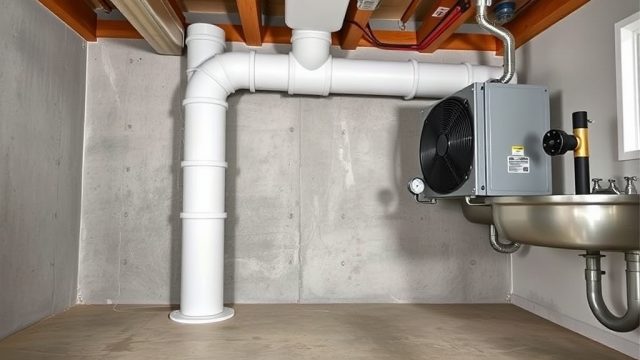
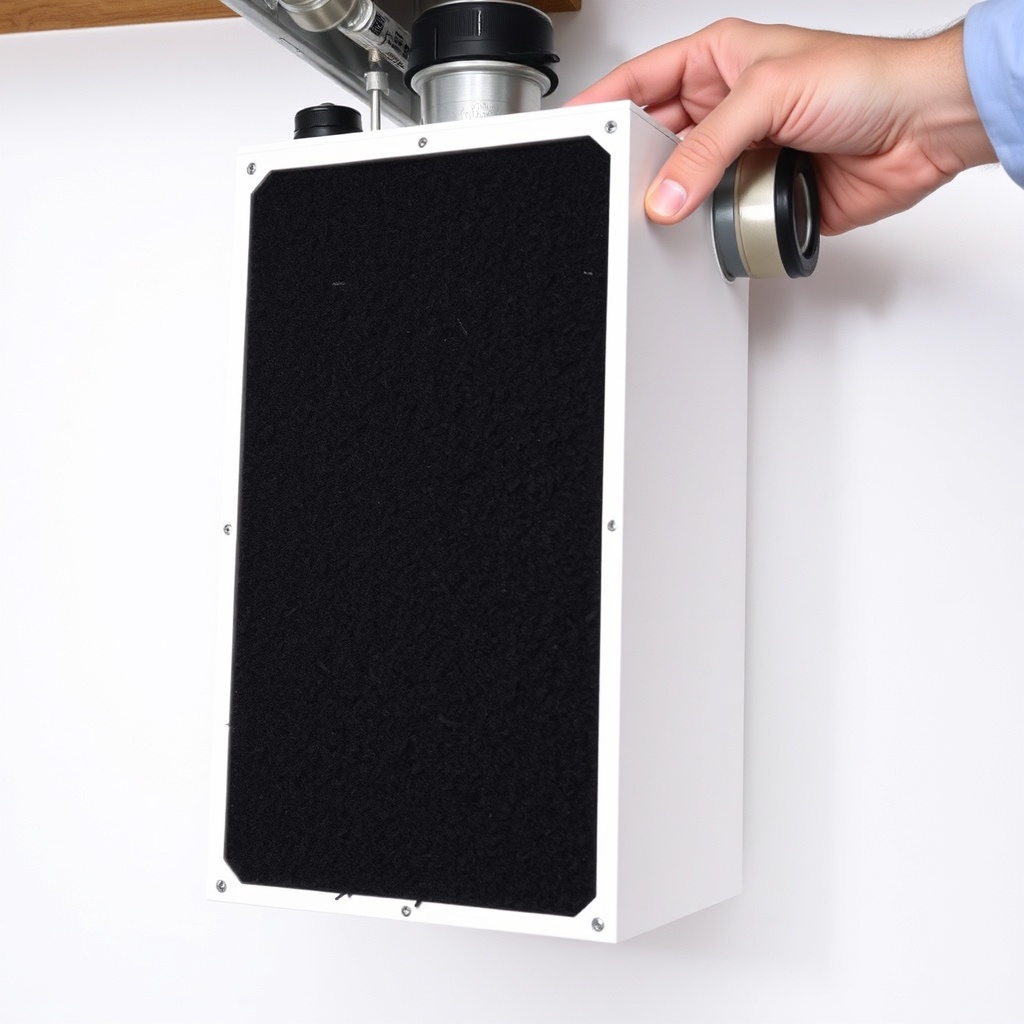
- Open the filter housing using the latch or screws. Most RadonClear units use twist-lock clamps.
- Remove the old carbon cartridge carefully—wear gloves and a dust mask to avoid inhaling captured particles.
- Inspect the housing for cracks, moisture, or mold. Wipe down interior surfaces with a damp cloth if needed.
- Insert the new RadonClear carbon filter (model RC-CF-6 or RC-CF-12 depending on system size) ensuring directional arrows align with airflow.
- Seal the housing and restore power. Run the system for ten minutes, then check the manometer for the correct baseline pressure.
- Log the replacement date on the sticker inside the housing cover for next maintenance.
If the new filter introduces a pressure drop outside the manufacturer’s spec, verify the fan speed using our smart thermostat integration tips to optimize energy use.
What Does a RadonClear Carbon Filter Cost, and Where Do I Buy Legitimate Replacements?
Genuine RadonClear replacement carbon filters cost between £45 and £85 depending on the model (RC-CF-6 standard at £45, RC-CF-12 high-capacity at £85). Avoid third-party knockoffs—they often use lower-grade carbon that saturates faster, increasing your replacement frequency and risk of system damage. Buy directly from RadonClear’s website or authorized HVAC distributors. A quick comparison table helps you choose:
| Filter Model | Price (GBP) | Capacity (sq. ft.) | Replacement Interval |
|---|---|---|---|
| RC-CF-6 | £45 | Up to 2,000 | 6 months |
| RC-CF-12 | £85 | Up to 4,500 | 6–9 months |
For larger homes or higher radon levels, the RC-CF-12 pays off in longer replacement windows. Regardless, always verify the filter’s manufacture date—older stock may have reduced adsorption due to storage humidity.
How Can I Optimize the RadonClear Carbon Filter’s Lifespan and Performance?
Beyond timely replacement, simple habits extend filter life and improve air quality:
- Control humidity by running a dehumidifier in the basement. Keeping relative humidity below 55% reduces moisture load on the carbon.
- Replace pre-filters if your system includes a coarse particulate screen—clean or swap it monthly to prevent large debris from reaching the carbon.
- Avoid strong chemicals near the intake—paint fumes, cleaning agents, and air fresheners saturate carbon quickly.
- Maintain the fan by cleaning the fan blades annually. A dirty fan creates turbulence that forces air unevenly through the carbon.
- Integrate a smart energy monitor to track fan run time and energy consumption. Our home energy monitoring setup guide shows how to correlate filter changes with power usage trends.
Also, check the duct insulation and condensation prevention guide to ensure warm, humid air isn’t condensing inside the filter housing, which can ruin a fresh filter in weeks.
What Do Owners Say About RadonClear Carbon Filter Maintenance?
Homeowners who follow the six-month schedule consistently report stable radon levels below 2 pCi/L. One owner from Leeds noted, “After I swapped the filter myself, the manometer dropped back to the green zone. Radon test results went from 4.5 to 1.2 in one month.” Others emphasize the importance of logging changes—a simple sticker on the housing prevents forgotten deadlines. A few caution against using non-genuine filters: “I tried a cheap brand from Amazon. It lasted only three months and then the pressure spiked. Sticking with RadonClear now.” Overall, the consensus is clear: the system works perfectly when the carbon filter is kept fresh, and neglect is the primary cause of performance complaints.
Frequently Asked Questions
Q: Can I wash and reuse the RadonClear carbon filter?
A: No. Carbon filters are single-use. Washing destroys the porous structure and releases trapped contaminants. Always replace with a genuine cartridge.
Q: How do I know if the carbon filter is completely saturated?
A: Signs include a rising manometer reading (over 1 inch water column above baseline), a musty smell from the vents, or increased radon test results. A visual check reveals a darker, wet-looking media.
Q: What happens if I skip a replacement for a year?
A: The filter becomes a bacterial and mold growth site, potentially blowing spores into your home. Radon levels can return to pre-mitigation values, and fan motor stress may cause premature failure.
Q: Does the RadonClear system have a filter-change indicator?
A: Older models lack this; newer units have a pressure switch that lights an LED. For any system, monthly manometer checks remain the most reliable indicator.
Q: Can I shorten the replacement interval to every four months for better protection?
A: No harm, but it increases cost. Only do this if radon levels exceed 10 pCi/L or humidity is high. Otherwise, the six-month schedule suffices.
Q: Will the warranty void if I use a third-party carbon filter?
A: Yes. RadonClear’s warranty explicitly requires genuine RC-CF series filters. Using non-approved filters can also cause fan damage from improper airflow resistance.