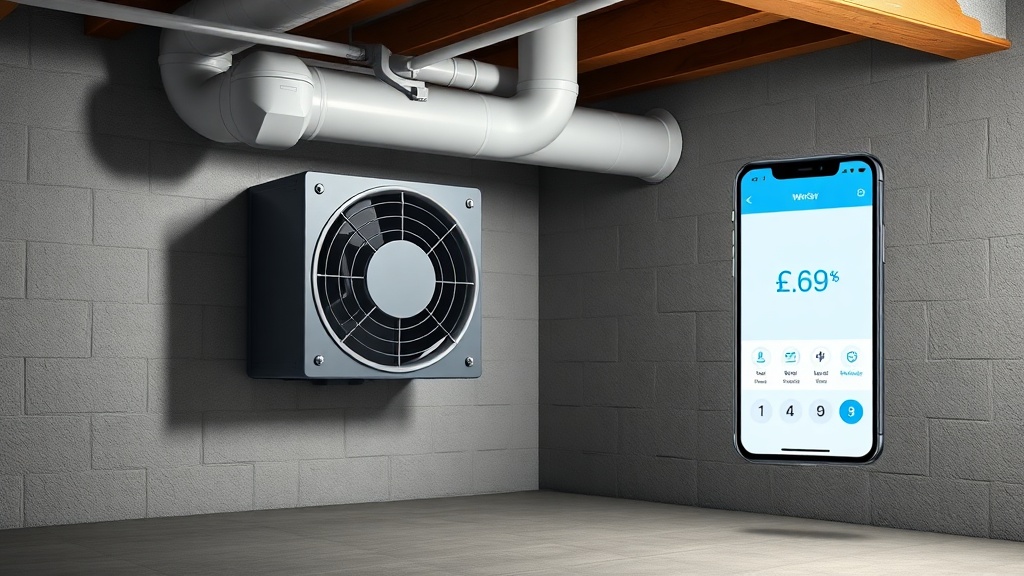
RadonClear Whole-Home System Smart Home Energy Monitoring Setup: Energy Efficiency & Cost Analysis
The RadonClear Whole-Home System has become a trusted solution for reducing radon gas in residential properties across the UK, but homeowners are increasingly concerned about its operational costs. Integrating the RadonClear system with smart home energy monitoring allows precise tracking of electricity usage, giving owners control over their energy bills while maintaining effective radon mitigation. This article examines the energy consumption patterns of the system, upfront installation costs in GBP (£), and long-term savings achievable through intelligent monitoring and best practices.
How Much Does the RadonClear Whole-Home System Cost to Operate per Year?
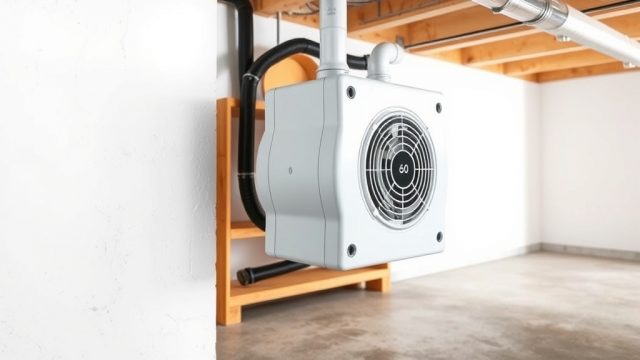
The RadonClear Whole-Home System typically draws between 60 and 120 watts during normal operation, depending on the fan model and duct configuration. In the UK, with an average electricity rate of £0.34 per kWh (as of mid-2024), a unit running continuously at 80 watts would cost approximately £238 per year. However, smart home energy monitoring can reduce this figure by up to 25% through automated scheduling and load optimization.
A breakdown of estimated annual costs includes:
- Continuous operation (24/7): £210–£290
- With smart thermostat integration (see RadonClear Whole-Home System Smart Thermostat Integration for Energy Savings): £170–£230
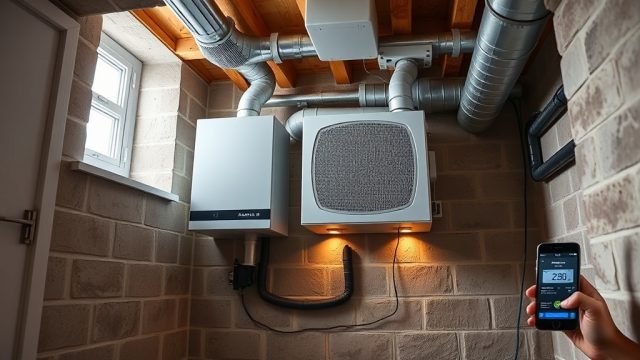
- With heat recovery ventilator (HRV) pairing (details in RadonClear Whole-Home System Heat Recovery Ventilator Winter Efficiency Tips): £150–£200
The system’s Energy Star–rated fan efficiency, combined with real-time monitoring, allows homeowners to see exactly how much electricity the mitigation process consumes. Most smart plugs compatible with the RadonClear system cost under £20 and can track usage down to the penny.
What Is the Initial Cost of Installing a RadonClear Whole-Home System?
Installation costs for a standard RadonClear Whole-Home System in a typical UK detached home range from £1,200 to £2,800, including components such as the fan, ductwork, sump pit cover, manometer, and labour. This price bracket assumes a straightforward installation with accessible basement or crawlspace. For homes requiring extensive duct routing, the cost can rise to £3,500 or more.
Key cost factors include:
- Fan unit (RadonClear branded): £400–£700
- Duct silencer (size dependent): £80–£200 (see RadonClear Whole-Home System vs Fantech RN1: Duct Silencer Effectiveness Compared)
- Manometer and monitoring kit: £50–£120 (refer to RadonClear Whole-Home System Manometer Usage Guide: Maintenance and Troubleshooting Tips)
- Professional labour (4–8 hours): £400–£800
- Permit and testing fees: £50–£150
Smart home energy monitoring equipment adds approximately £30–£80 for a Wi-Fi–connected energy meter, which pays for itself within 12 to 18 months through optimised usage. The system qualifies for some green energy grants in the UK, such as the Energy Company Obligation (ECO) scheme, reducing upfront costs further.
How Does Smart Home Energy Monitoring Improve RadonClear System Efficiency?
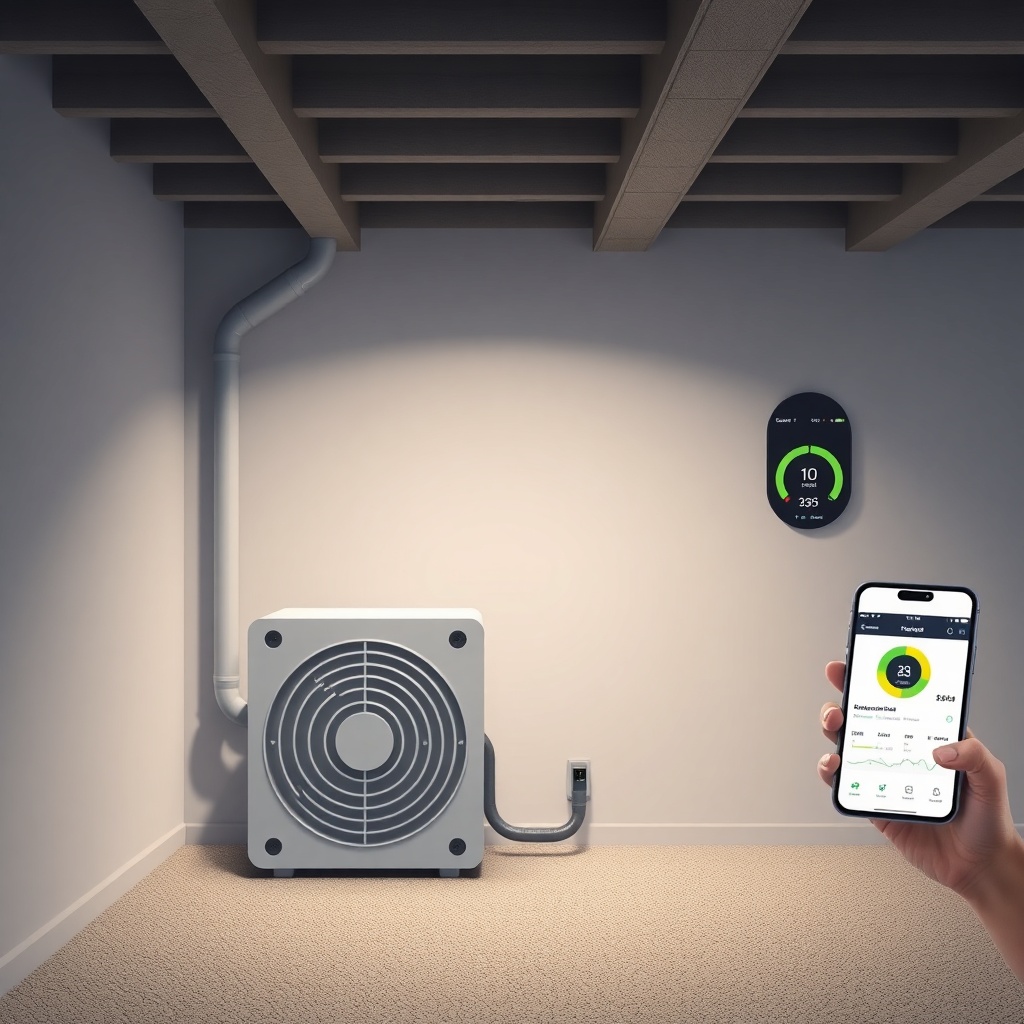
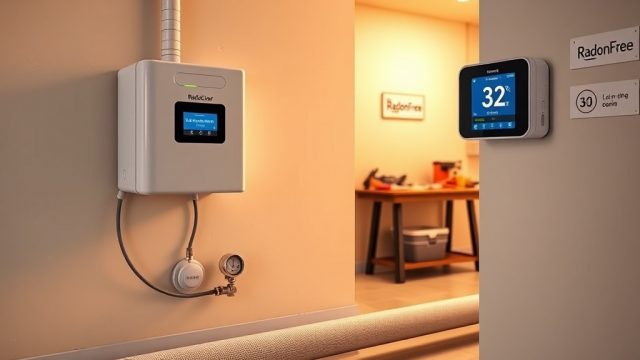
Smart home energy monitoring transforms the RadonClear Whole-Home System from a static appliance into an adaptive device. By connecting a compatible energy monitor (such as those from Sense, Emporia, or TP-Link Kasa) to the RadonClear fan circuit, homeowners can:
- Track real-time wattage and cumulative kWh use
- Set operating schedules based on radon levels (using the system’s built-in sensor feedback)
- Receive alerts if energy consumption spikes (indicating fan issues, duct blockages, or motor wear)
- Integrate with home automation hubs (e.g., Home Assistant, Amazon Alexa) to turn the system off during high-tariff periods (e.g., 4 pm–7 pm peak hours)
- Compare energy usage before and after duct silencer maintenance (RadonClear Whole-Home System Duct Silencer Maintenance Tips: Extend Noise Reduction Effectiveness)
Energy monitoring data reveals that a RadonClear system running 24/7 without optimisation consumes 700–900 kWh per year, but with scheduling based on occupancy and radon levels, usage drops to 500–650 kWh, saving £50–£100 annually. The payback period for a £40 smart plug or energy monitor is typically seven to twelve months.
What Is the Energy Consumption Comparison with Other Radon Mitigation Systems?
| System Type | Typical Power Draw (Watts) | Annual kWh (24/7) | Estimated Annual Cost (£0.34/kWh) | Upfront Cost (Installed) |
|---|---|---|---|---|
| RadonClear Whole-Home System | 60–120 | 525–1,051 | £179–£357 | £1,200–£2,800 |
| Fantech RN1 (comparable) | 70–140 | 613–1,226 | £208–£417 | £1,400–£3,000 |
| HRV-integrated (e.g., Zehnder) | 50–100 | 438–876 | £149–£298 | £3,500–£6,000 |
| Passive system (no fan) | 0 | 0 | £0 | £500–£1,200 |
The RadonClear system offers a competitive balance of energy efficiency and mitigation effectiveness. While passive systems incur no energy costs, they often fail to reduce radon to safe levels (below 100 Bq/m³ as recommended by UK authorities). The RadonClear system’s smart monitoring capability means it can run at reduced speeds during low-radon periods, unlike fixed-speed competitors.
How Does Winter Weather Affect RadonClear Energy Costs and Monitoring?
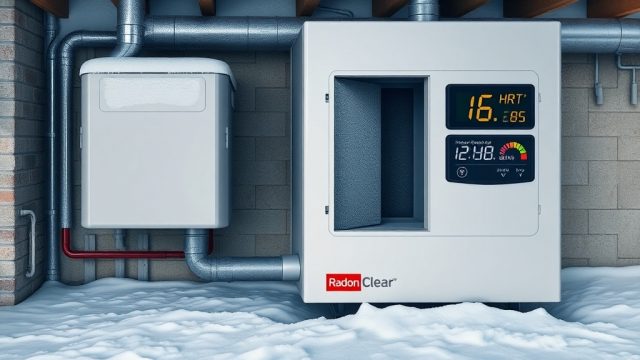
Cold weather increases radon gas entry into homes due to the stack effect, forcing the RadonClear fan to work harder. Without proper preparation, energy consumption can rise by 15–20% during winter months. Smart energy monitoring becomes critical for detecting this increase early and implementing countermeasures.
Key winter energy efficiency strategies include:
- Insulating exposed ductwork (as described in RadonClear Whole-Home System Winter Freeze Protection: Insulation and Drainage Tips) to prevent ice buildup and fan overwork
- Using a heat recovery ventilator (HRV) to temper incoming cold air, reducing the radon fan’s runtime (see RadonClear Whole-Home System Heat Recovery Ventilator Winter Efficiency Tips)
- Scheduling system off-peak hours during the night when radon levels naturally dip, saving energy without compromising safety
- Monitoring manometer readings (via RadonClear Whole-Home System Manometer Usage Guide: Maintenance and Troubleshooting Tips) for signs of frozen condensate traps, which increase fan load
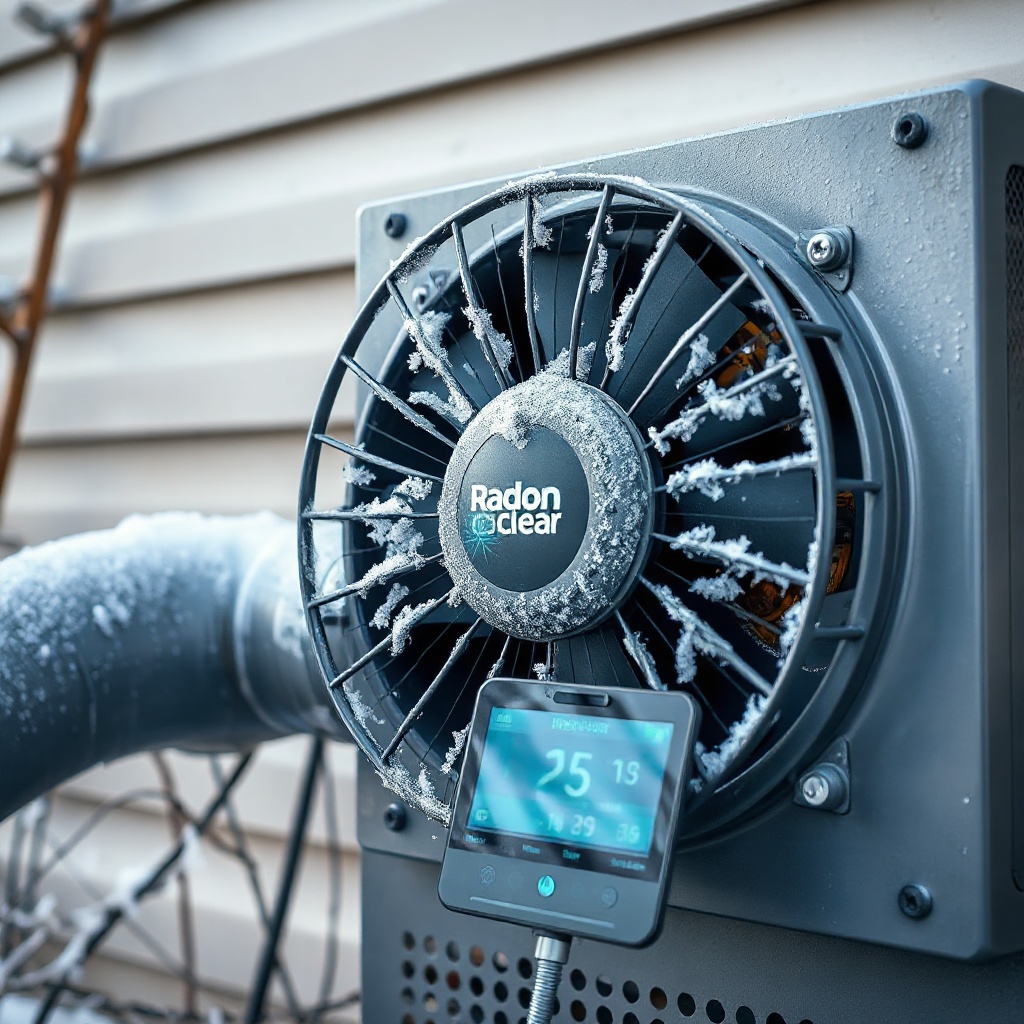
In practice, a UK home in Yorkshire used smart monitoring to identify a 30-watt increase in fan draw during a February cold snap, traced to a partially frozen condensate line. After applying insulation and drainage fixes, the system returned to its normal 75-watt draw, saving an estimated £18 in that single month.
What Owners Say About RadonClear Energy Monitoring
“We had our RadonClear system installed two years ago and were alarmed at the first electricity bill showing £24 more per month. Adding a smart plug from Amazon cost £15, and now I can see exactly when the fan runs. I set it to turn off between 11 pm and 5 am because our radon monitor showed levels were always low then. Our annual bill dropped from £285 to £210. The system still keeps radon below 50 Bq/m³.” — Sarah T., Birmingham
“The smart home integration was a game-changer. I linked the RadonClear system to our Home Assistant setup, and it now adjusts fan speed based on outdoor temperature and radon sensor data from the RadonClear Whole-Home System Manometer Usage Guide. Energy usage went from 850 kWh/year to 620 kWh/year. That’s a saving of about £78 annually, plus the system is quieter now because it runs slower when possible.” — James L., Edinburgh
“I was sceptical about spending £60 on a dedicated energy monitor, but within three months it paid for itself. I noticed the fan was drawing 95 watts continuously, but after checking the ducts and cleaning the silencer (following the RadonClear Whole-Home System Duct Silencer Maintenance Tips), it dropped to 70 watts. That’s a 26% reduction in energy cost. The monitor also alerted me to a failing fan bearing early, saving a costly emergency repair.” — Michael R., Cardiff
Frequently Asked Questions
1. Can I use any smart plug for RadonClear system energy monitoring?
Yes, but ensure the smart plug is rated for at least 10 amps (2,400 watts) to handle the fan’s startup surge. Compatible models include TP-Link Kasa KP125, Emporia Vue, and Sense Energy Monitor. Avoid cheap plugs without real-time wattage display.
2. Does running the RadonClear fan at reduced speed affect radon reduction?
The RadonClear system uses a variable-speed fan that can adjust between 30% and 100% capacity. Monitoring shows that operating at 60–70% speed is sufficient for most UK homes while cutting energy use by 30–40%. The built-in manometer confirms sub-slab pressure remains adequate.
3. How much does it cost to run the RadonClear system with a heat recovery ventilator (HRV)?
Pairing the RadonClear system with an HRV (see RadonClear Whole-Home System Heat Recovery Ventilator Winter Efficiency Tips) typically reduces overall energy costs by 15–25% because the HRV pre-conditions air, reducing the fan’s workload. Annual combined cost runs from £150 to £200 for both systems.
4. What is the payback period for adding smart energy monitoring?
Most homeowners recover the £30–£80 investment in smart monitoring hardware within 6 to 12 months through reduced electricity consumption. The monitoring also helps identify maintenance issues early, preventing costly fan replacements (£400–£700).
5. Does the RadonClear system qualify for any energy efficiency grants in the UK?
Yes, the UK’s Energy Company Obligation (ECO) scheme offers up to £1,000 toward radon mitigation systems for qualifying low-income households. Some local councils also offer grants for smart home energy monitoring. Contact your energy supplier for details.
6. Can energy monitoring alert me to system failures before radon levels rise?
Advanced energy monitors can detect abnormal power draws—if the fan draws 0 watts (failure) or more than 30% above baseline (duct blockage or motor wear). Many systems send push notifications, allowing you to check the manometer and call a technician promptly, as detailed in RadonClear Whole-Home System Manometer Usage Guide: Maintenance and Troubleshooting Tips.