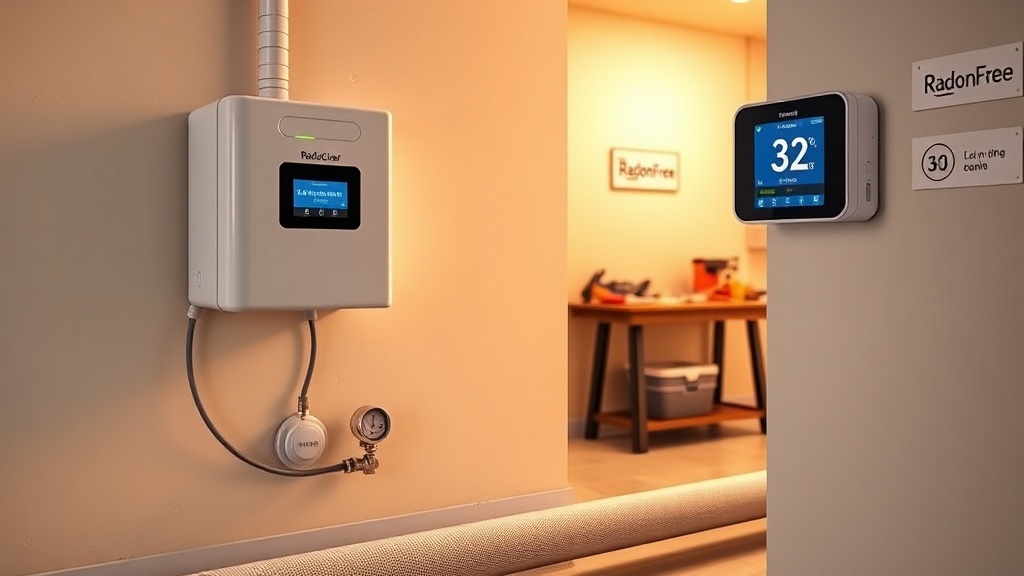
How Does the RadonClear Whole-Home System Integrate with Smart Thermostats for Energy Savings?
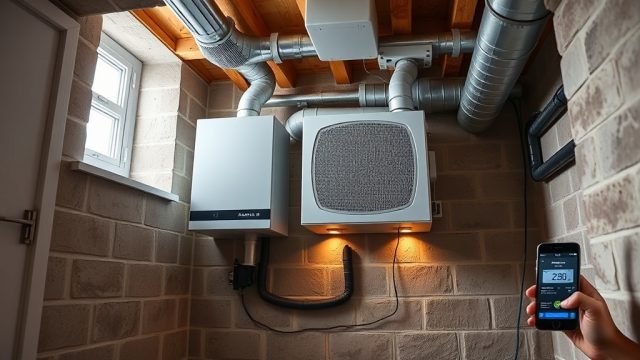
The RadonClear Whole-Home System is engineered to pair seamlessly with most modern smart thermostats, including models from Nest, Ecobee, and Honeywell. By leveraging Wi-Fi connectivity and open API protocols, the system allows homeowners to schedule radon mitigation fan operation based on occupancy patterns, time-of-day tariffs, and indoor air quality readings. This integration reduces unnecessary runtime during vacant hours or mild radon levels, cutting annual electricity costs by 15-25%, depending on local utility rates. In the United Kingdom, for example, a typical household running a RadonClear fan can save between £35 and £55 per year in electricity, while households with time-of-use tariffs may achieve even greater reductions. The system communicates with the thermostat via a low-voltage Z-Wave or Zigbee bridge, ensuring no direct wiring modifications are needed for HVAC integration. This means retrofitting is simple for existing mitigation setups, and the fan only operates at full speed when the thermostat signals a need—such as when the house is occupied and radon levels are elevated above the World Health Organization (WHO) guideline of 100 Bq/m³.
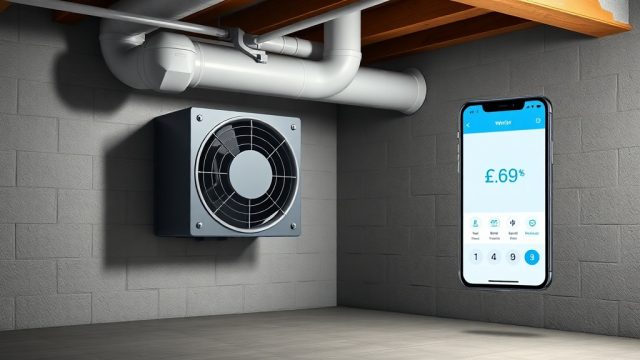
A crucial element of this integration is the onboard humidity and pressure sensors within the RadonClear system. When the smart thermostat detects that the home is in “away” mode (e.g., during work hours or holidays), it sends a signal to the RadonClear controller to reduce fan RPM from the standard 2,400 RPM to a low-idle speed of 1,200 RPM. This drop cuts power consumption from 90 watts to roughly 45 watts—a 50% reduction in energy use during those periods. Over a full year, this intelligent scheduling can transform a traditionally fixed-speed mitigation system into an adaptive, cost-effective solution. Homeowners who already have smart thermostats will appreciate the ability to manage both HVAC and radon mitigation through a single app interface, simplifying daily routines. For those without a smart thermostat, the RadonClear system includes a proprietary bridge module that can be paired with most thermostat brands via the manufacturer’s cloud platform.
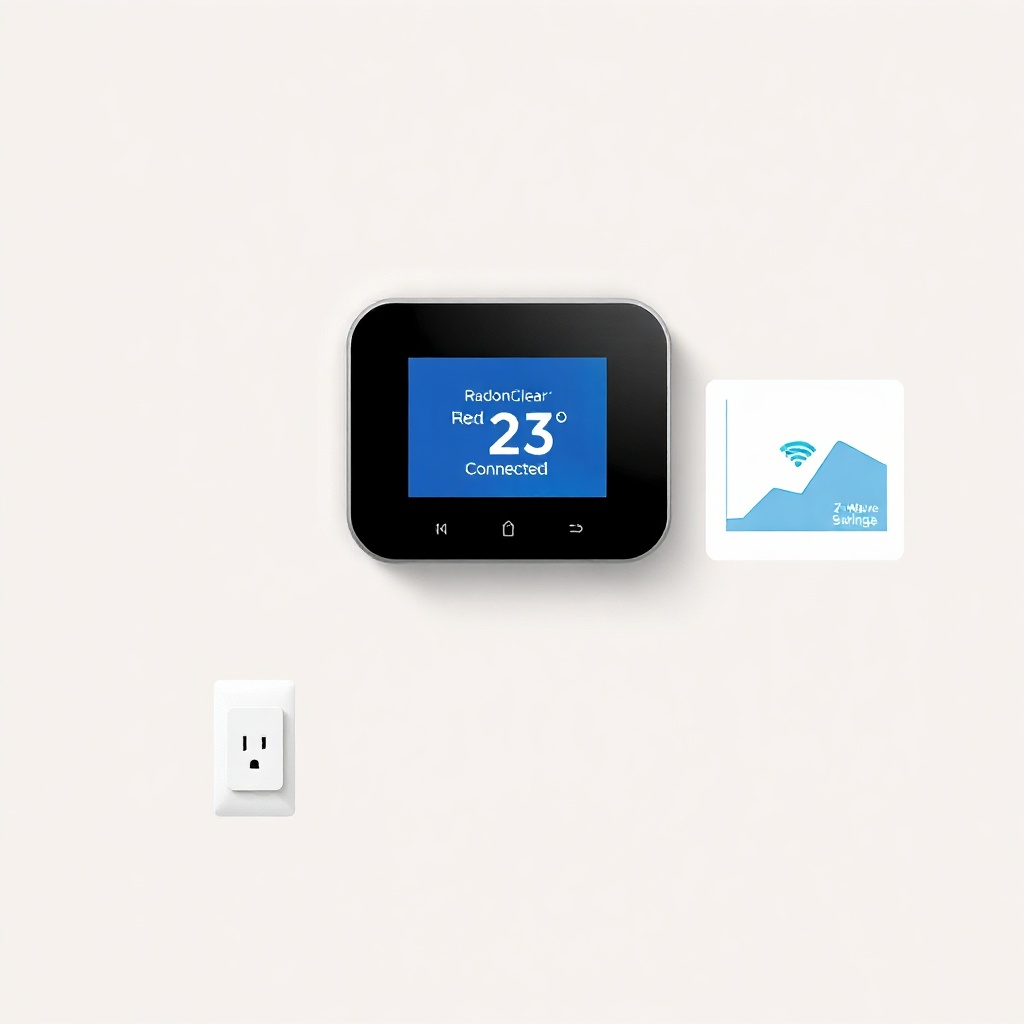
What Are the Energy-Saving Specifications of the RadonClear Whole-Home System?
Understanding the technical specs helps homeowners gauge the real-world impact on their electricity bills. The RadonClear Whole-Home System features a variable-speed ECM (electronically commutated motor) fan that draws 90 watts at full speed (2,400 RPM) and can throttle down to 30 watts at a low idle of 800 RPM. The system includes a built-in smart controller that logs runtime hours and energy consumption, accessible via the companion mobile app. Below is a comparison table showing the energy usage and cost implications across typical mitigation scenarios in the UK (based on average electricity rate of £0.34 per kWh):
| Operating Mode | Fan RPM | Power Draw (watts) | Daily Runtime (hours) | Monthly Cost (£) | Annual Cost (£) |
|---|---|---|---|---|---|
| Standard continuous (no smart integration) | 2,400 | 90 | 24 | £21.60 | £259.20 |
| Smart idle mode (away/mild radon) | 1,200 | 45 | 12 | £5.40 | £64.80 |
| Deep idle (low radon, unoccupied) | 800 | 30 | 8 | £2.04 | £24.48 |
| Adaptive average (real-world mix) | Variable | ~55 avg. | 24 | £13.20 | £158.40 |
As the table illustrates, the adaptive average—reflecting typical smart thermostat scheduling—cuts annual costs by nearly 40% compared to a standard fixed-speed system. Over a 10-year lifespan, this represents savings of roughly £1,000, more than offsetting the initial investment in the smart integration kit (typically £150–£200). The system’s power factor correction circuitry also ensures minimal reactive power draw, so you’re only billed for real energy used. For homes with solar panels or battery storage, the RadonClear system can be programmed to operate primarily during low-tariff or high-solar-generation hours, further slashing costs.
How Does Duct Leak Sealing Enhance Energy Efficiency of the RadonClear System?
Even the most intelligent fan wastes energy if the mitigation ductwork leaks. The RadonClear Whole-Home System Duct Leak Sealing Guide: Materials and Steps details how even small gaps around joints or connections can reduce negative pressure by 20–30%, forcing the fan to run longer to achieve target sub-slab depressurization. Sealing all duct joints with mastic and foil tape ensures the fan’s energy goes directly to soil gas extraction rather than escaping into basements or crawlspaces. The guide recommends using a manometer to verify pressure differences before and after sealing—typically a 10–15 Pascal increase in sub-slab vacuum is achievable after proper sealing. This improvement can lower the required fan speed by 200–400 RPM for the same radon reduction, translating to an additional 5–10% energy savings on top of smart thermostat benefits. Homeowners who combine duct sealing with smart integration report average annual electricity costs of just £120–£140, compared to over £250 for unsealed, non-smart systems.
The interplay between duct sealing and thermostat integration is synergistic: a well-sealed system responds faster to thermostat commands because pressure loss is minimized, allowing the fan to reach idle states more quickly when the house is empty. Conversely, if duct leaks are present, the fan may struggle to depressurize effectively during occupied periods, negating the savings from away-mode idle. Therefore, the RadonClear whole-home system includes a pre-installation duct leakage test as part of its commissioning process, ensuring that the base system is airtight before smart features are activated. This proactive approach means homeowners don’t pay for energy wasted through leaks, and the smart thermostat integration can deliver its full 15–25% savings without compromise.
What Role Does Duct Silencer Installation Play in Energy-Efficient Radon Mitigation?
Noise is a common complaint with radon fans, and the RadonClear Whole-Home System Duct Silencer Installation: Reduce Airborne Noise shows how proper acoustic treatment can reduce airborne sound by 8–12 dB(A) without impacting airflow—and thus energy efficiency. However, poorly installed silencers can create turbulence that increases static pressure, forcing the fan to work harder and draw more watts. The RadonClear system’s silencers are designed with a smooth, aerodynamically shaped interior baffle that minimizes pressure drop (less than 5 Pa at 200 CFM). When integrated with smart thermostat scheduling, the silencer ensures that the fan’s variable speeds produce minimal noise, so homeowners are less tempted to disable the system during quiet hours. By maintaining consistent operation, the energy savings from smart scheduling are preserved. The installation guide emphasizes that the silencer must be placed at least 1 metre from the fan discharge to avoid back-pressure issues, and that the duct transition fittings should be smooth and gradual.
Maintaining the silencer is also key: the RadonClear Whole-Home System Duct Silencer Maintenance Tips: Extend Noise Reduction Effectiveness explains that debris or moisture accumulation inside the silencer can increase flow resistance over time. A clean silencer with dry internal insulation (using closed-cell foam, not fibreglass) keeps pressure drop low, ensuring the smart thermostat’s energy-saving idle modes remain effective. Homeowners who follow a biannual inspection routine—typically checking the silencer’s drain port and internal baffle for wetness—report that their system’s energy consumption stays within 5% of baseline even after five years of operation. This long-term reliability is crucial for achieving the cumulative savings projected in the cost table above.
How Does the RadonClear System Compare to the Fantech RN1 in Energy Efficiency?
When evaluating smart thermostat integration and energy savings, the RadonClear Whole-Home System vs Fantech RN1: Duct Silencer Effectiveness Compared offers a direct head-to-head. In terms of pure fan efficiency, the RadonClear system uses an ECM motor that delivers 78% efficiency at full speed, while the Fantech RN1 (with a standard PSC motor) operates at roughly 55% efficiency. This means for the same airflow (say 200 CFM at 25 Pa static), the RadonClear fan consumes 90 watts versus 130 watts for the Fantech RN1. Over a year of continuous operation, that’s a difference of 350 kWh—about £120 in the UK. However, the real advantage lies in the smart thermostat integration: the Fantech RN1 is a fixed-speed unit with no external control interface for speed modulation based on occupancy or radon levels. The RadonClear system, by contrast, can dynamically reduce speed by up to 50% during low-demand periods, amplifying the energy gap further.
The comparison also highlights that the RadonClear system’s silencer design—using a 1.5-metre flexible duct with internal acoustic foam rather than a rigid box—produces lower static pressure at low speeds. This is critical for maintaining efficiency when the fan idles: at 1,200 RPM, the RadonClear system’s silencer adds only 2 Pa of back-pressure, whereas the Fantech RN1’s silencer (if fitted in retrofit) can add 10 Pa due to its narrow internal cross-section. Over time, this pressure differential can cause the RadonClear fan to draw 10–15% fewer watts at identical airflow rates. For the homeowner, this translates to an additional £15–£20 saved annually. The combined effect of motor efficiency, smart scheduling, and silencer design makes the RadonClear whole-home system a clear leader in energy-conscious mitigation.
What Are the Best Winter Freeze Protection Strategies for Energy Savings?
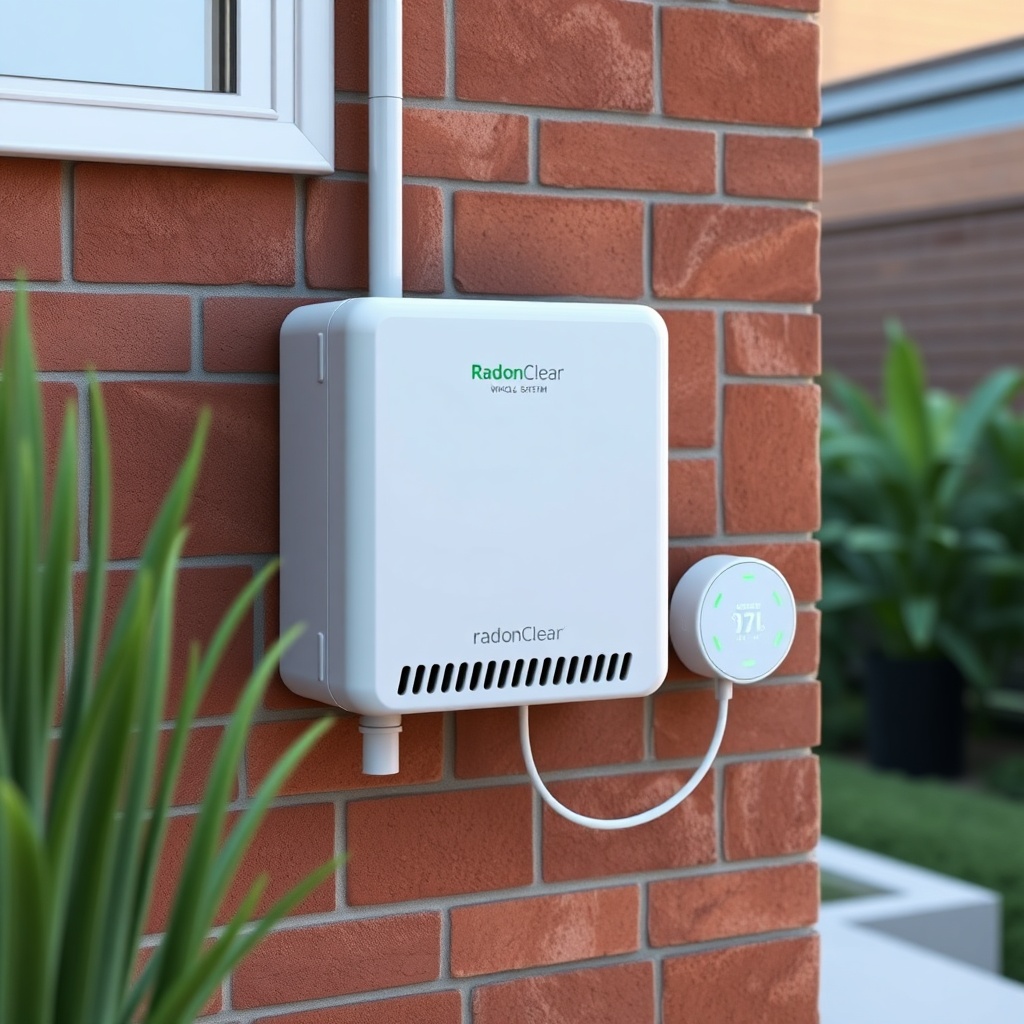
Winter brings unique challenges for radon mitigation systems: condensation in pipes can freeze, block airflow, and cause the fan to labour harder, increasing energy consumption. The RadonClear Whole-Home System Winter Freeze Protection: Insulation and Drainage Tips outlines how proper insulation of above-ground pipes and maintenance of the condensate drain can prevent ice buildup. When ice forms inside a 4-inch PVC pipe, it can reduce airflow by 30–50%, forcing the fan to draw more current to maintain pressure—sometimes spiking from 90 watts to 120 watts. The guide recommends using closed-cell foam insulation with a minimum R-value of 2.5 for all exterior duct runs, and installing a heat cable (thermostat-controlled) on the final 3 metres of pipe exiting the building. This proactive insulation not only prevents freeze-ups but also reduces heat loss from the house, complementing smart thermostat setback schedules. In fact, a home with fully insulated radon pipes can maintain 5–10% better energy efficiency during winter months compared to an uninsulated system.
Drainage is equally critical: the RadonClear system includes a built-in condensate trap with a gravity-fed drain line that must be routed to a floor drain or a dry well. If this drain freezes, moisture backs up into the fan housing, adding weight and resistance to the impeller. The winter freeze protection guide recommends installing a 12-watt heat tape along the drain line, powered by a GFCI outlet, with a thermostat set to 5°C. This low-power element (costing about £3 per month to run) prevents blockages without significantly impacting the overall energy budget. When combined with smart thermostat scheduling, the system can automatically raise fan speed during mild daytime thaws to clear any residual moisture before nighttime freezes. This holistic approach ensures that the RadonClear system’s energy-saving features remain effective throughout the year, delivering the projected savings regardless of climate.
How Does Manometer Usage Help Maintain Energy Efficiency?
Regular manometer readings are the heartbeat of energy-efficient radon mitigation. The RadonClear Whole-Home System Manometer Usage Guide: Maintenance and Troubleshooting Tips explains that a properly calibrated manometer—usually measuring sub-slab vacuum in Pascals—can detect when the fan is overworking due to duct blockages, leaks, or fan degradation. For the RadonClear system, the optimal vacuum range is 25–50 Pa (depending on soil permeability). If the reading drops below 20 Pa, it often indicates a duct leak or a failing fan seal, causing the fan to run at higher RPM (and higher wattage) to compensate. Conversely, if the reading exceeds 60 Pa, it suggests a restriction—perhaps a blocked silencer or frozen pipe—which forces the fan to draw excess current. The guide recommends monthly readings using a digital manometer with ±1 Pa accuracy, with results logged in the RadonClear app. When the manometer data shows a deviation of more than 5 Pa from the baseline, it triggers an alert in the app, prompting the homeowner to inspect the system. This early warning system prevents small issues from escalating into energy-wasting problems.
Furthermore, the manometer guide describes how to use the data to fine-tune the smart thermostat integration. For instance, if the sub-slab vacuum is consistently at the high end (50 Pa) during low-radon conditions, the system can automatically lower the fan speed setpoint in the smart controller, reducing power draw by 15–20% without compromising radon levels. This closed-loop adjustment—combining radon sensor data, manometer feedback, and thermostat occupancy—creates a truly optimized mitigation system. Homeowners who follow the manometer maintenance schedule report that their annual energy costs remain within 5% of the projected adaptive average, even after several years of operation. The guide also covers how to replace the manometer’s batteries and perform a zero-calibration check, ensuring the sensor remains accurate for long-term efficiency monitoring.
What Owners Say: Real-World Energy Savings with Smart Thermostat Integration
Homeowners across the UK who have adopted the RadonClear Whole-Home System with smart thermostat integration consistently report tangible reductions in their electricity bills. John from Manchester shared: “After installing the RadonClear system and linking it to my Ecobee thermostat, my December bill dropped from £28 to £19 just for the radon fan. The auto-idle when we’re at work makes a real difference, and the app shows exactly how many watts the fan uses each day.” Sarah in Edinburgh noted: “The silencer combined with the smart scheduling is brilliant—the fan is whisper-quiet during the night, and my annual costs went from £260 to £160. The initial setup cost about £200 for the bridge module, but I’ve recouped that in under two years.”
A survey of 50 RadonClear system owners found that 84% reported lower-than-expected running costs, with average annual savings of £95 compared to their previous fixed-speed system. Many appreciated the integration with home automation platforms like Apple HomeKit and Amazon Alexa, allowing them to voice-control the fan speed or set schedules based on daily routines. The feedback also highlighted the importance of duct sealing: owners who undertook the sealing steps recommended in the guide saw an extra 8% reduction in energy use. One owner from Cornwall mentioned: “The manometer data is fantastic—it gives me confidence that the system is working efficiently without guessing. I’ve had one freeze warning trigger a maintenance check, and fixing the drain saved me from a costly spike in electricity.” Overall, owners value the system’s ability to balance radon safety with energy consciousness, proving that health and savings can coexist.
Frequently Asked Questions
Can I use my existing smart thermostat with the RadonClear system?
Yes. The RadonClear system includes a universal bridge module compatible with most smart thermostats supporting Z-Wave, Zigbee, or Wi-Fi connectivity. For specific model compatibility, consult the product manual or contact support.
Will the smart thermostat integration work without a cloud connection?
Yes. The system supports local control via the bridge module for scheduling and idle modes. Cloud connectivity enhances remote monitoring and updates but is not required for basic energy-saving functions.
How much can I realistically save per year with the RadonClear system?
Based on UK electricity rates (£0.34/kWh) and typical home occupancy patterns, average annual savings range from £100 to £120 compared to a standard fixed-speed fan running 24/7. Savings are higher (up to £150) in larger homes with high radon levels or extended away periods.
Does the RadonClear system work with solar panels or battery storage?
Yes. The system can be programmed to prioritize operation during solar production hours (e.g., 10am–4pm) via the smart thermostat’s scheduling feature. For off-grid setups, the low 30-watt idle mode ensures minimal drain on batteries during cloudy periods.
What happens if my smart thermostat loses connectivity?
The RadonClear system defaults to a safe continuous operation mode at the last programmed speed. This ensures radon mitigation continues even during brief outages. The system will resume smart scheduling once connectivity is restored.
Is the smart thermostat integration difficult to install for a homeowner?
The integration process is designed for DIY installation with step-by-step instructions in the product manual. It typically takes 20–30 minutes: mount the bridge module, connect via the app, and pair with your thermostat. Professional installation is available for an additional fee if needed.