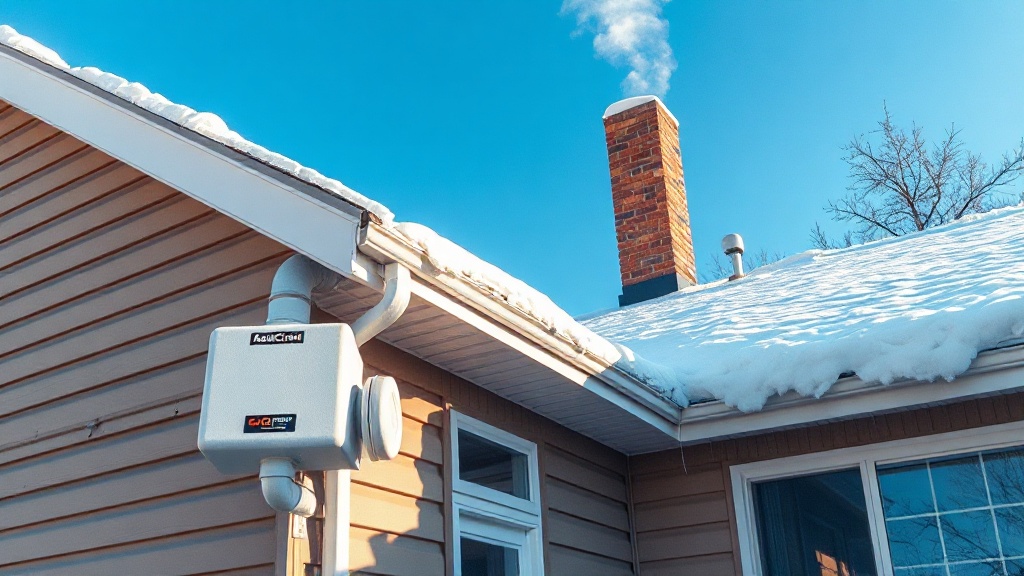
Why Winter Freeze Protection Matters for Your RadonClear Whole-Home System
When temperatures drop below freezing, even a well-designed radon mitigation system can face serious challenges. The RadonClear Whole-Home System, while robust, relies on proper insulation and drainage to prevent ice blockages, fan damage, and structural stress. In regions where winter temperatures regularly fall to -10°C or lower, neglecting freeze protection can lead to costly repairs, system shutdowns, and increased radon levels inside the home.
This guide covers essential maintenance steps—focusing on insulation materials, drainage strategies, and seasonal checks—to keep your RadonClear system running smoothly all winter long. For broader system upkeep, see our RadonClear Whole-Home System Duct Silencer Maintenance Tips: Extend Noise Reduction Effectiveness.
What Components Are Most Vulnerable to Freezing?
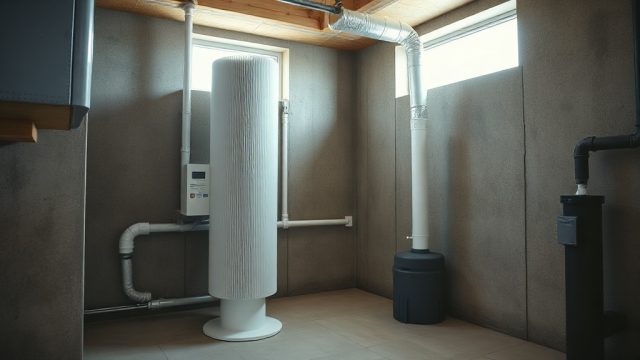
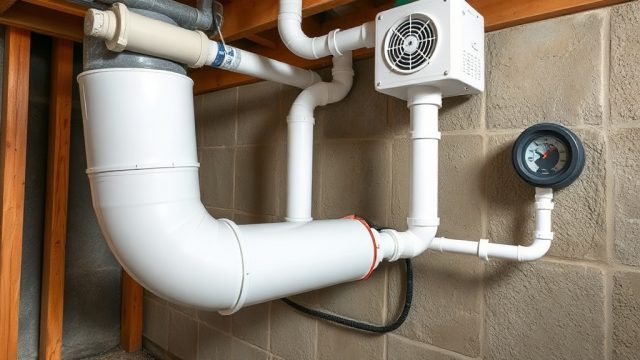
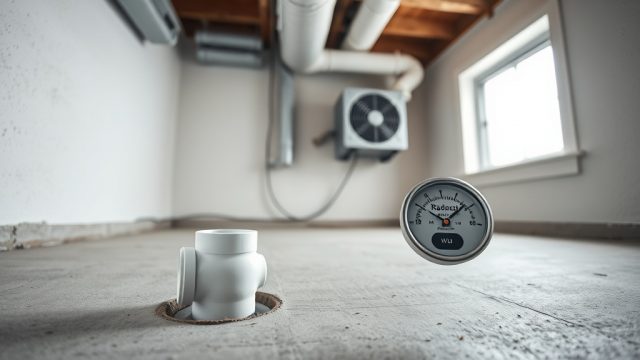
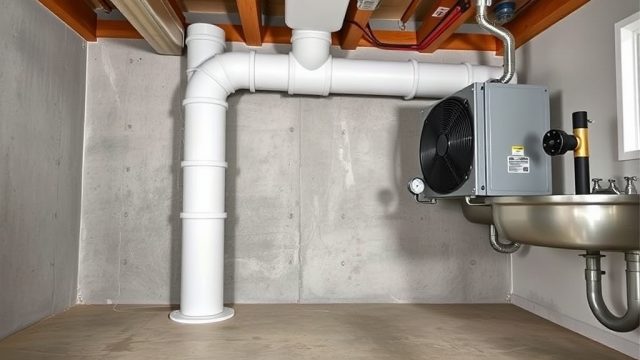
The RadonClear Whole-Home System includes a sub-slab collection pipe, a fan unit (typically installed in an attic or outdoors), and exhaust piping leading above the roofline. Each component has different freeze risks:
- Exhaust piping (above grade, outside the building envelope) is most exposed to ambient cold and wind chill
- Fan housing can accumulate condensation that freezes, damaging the impeller or motor bearings
- Drainage tees (if present) can clog with ice, preventing proper condensate removal
- Sub-slab collection points are generally safe below frost line, but shallow runs near foundations may freeze
In practice, the exhaust pipe and fan are the primary concerns. A frozen pipe can create a back-pressure that forces the fan to work harder, increasing energy consumption and wear. In severe cases, ice expansion can crack PVC joints or the fan housing itself.
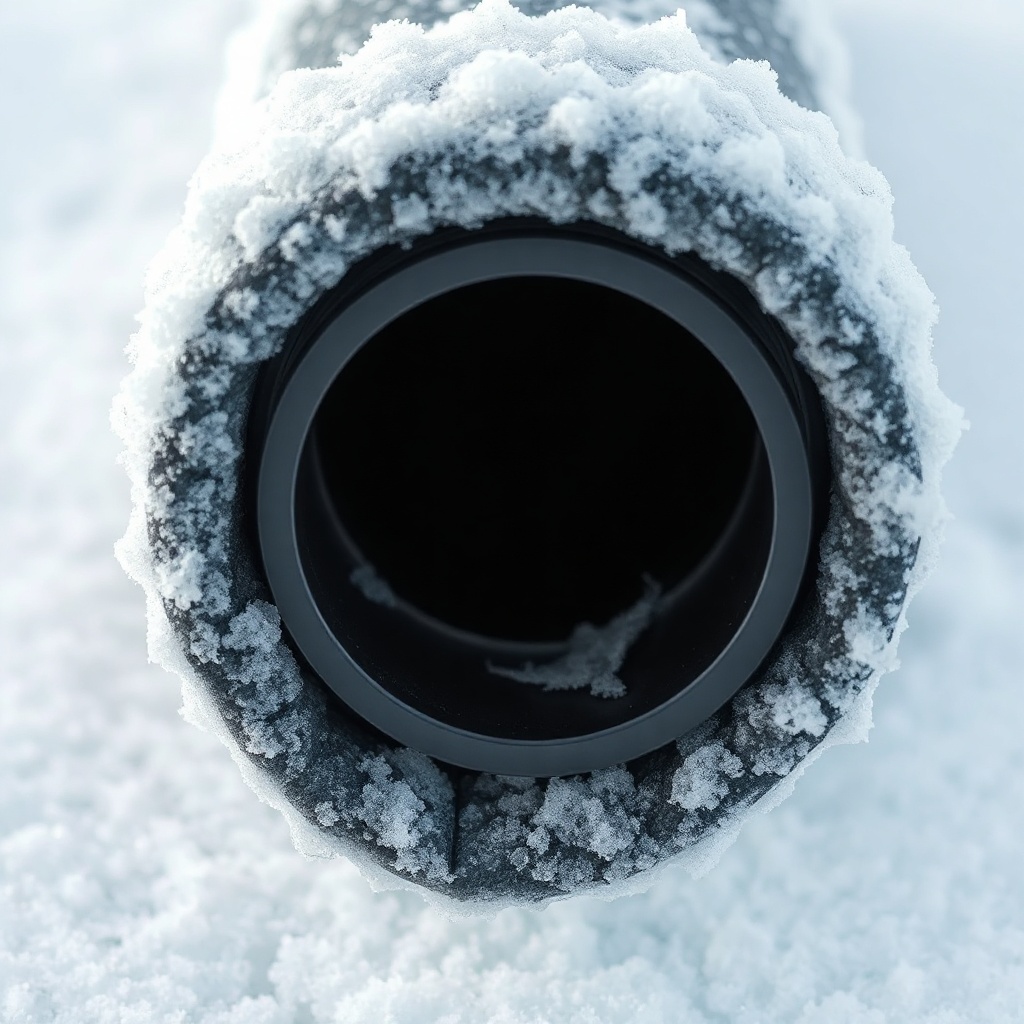
How Do I Insulate Exhaust Pipes Properly?
Insulation for the RadonClear exhaust pipe must balance thermal resistance (R-value) with moisture protection. Standard foam pipe insulation (R-2 to R-4 per inch) is often insufficient in sustained sub-zero temperatures. Instead, use closed-cell elastomeric foam insulation, at least 2 inches thick, with an R-value of at least 8. Materials should meet ASTM C534 for outdoor use.
Installation steps:
- Clean pipe surface of dirt and moisture
- Cut insulation to length with a sharp utility knife
- Apply a sealing adhesive at seams (e.g., 3M 5200) to prevent air infiltration
- Cover with UV-resistant tape or a PVC jacket if pipe is exposed to direct sunlight
- Extend insulation 12 inches below the frost line (typically 1.2 meters in northern climates)
For piping that passes through unconditioned spaces like attics or crawl spaces, use insulation rated for -30°C. The RadonClear system’s standard piping is Schedule 40 PVC; ensure insulation does not compress or crush the pipe at bends. A RadonClear Whole-Home System Duct Leak Sealing Guide: Materials and Steps offers complementary sealing advice for joints that may leak cold air.
What Drainage Modifications Prevent Ice Blockages?
Condensate drainage is a critical but often overlooked aspect of winter performance. The RadonClear system produces condensate when warm, humid sub-slab air cools in the exhaust pipe. If that condensate freezes, it forms a plug that can block the pipe entirely. Solutions include:
- Installing a condensate drain tee at the lowest point of the pipe run, with a U-trap filled with propylene glycol (antifreeze)
- Using heated drain lines for exposed sections: electric trace heaters rated for PVC (max 15W per meter) can be wrapped around the pipe and then insulated
- Running the drain line into a heated interior space (basement or garage) instead of discharging outside
If you already have a condensation issue, inspect the drain tee for ice each month during winter. If ice is present, thaw with a hair dryer (low heat) or apply a heated wrap. Never use open flame—PVC is flammable and can release toxic fumes.
| Drainage Solution | Effectiveness (rated 1–5) | Installation Cost (CAD) | Maintenance Frequency |
|---|---|---|---|
| Propylene glycol U-trap | 4 | $50–$120 | Annual fluid replacement |
| Electric trace heater | 5 | $250–$450 | Check electrical connections monthly |
| Interior drain routing | 5 | $150–$300 | None after installation |
The table above compares three approaches. For most homeowners in severe climates, combining a heated trace with an interior drain yields the best reliability.
How Can I Protect the Fan Unit From Freeze Damage?
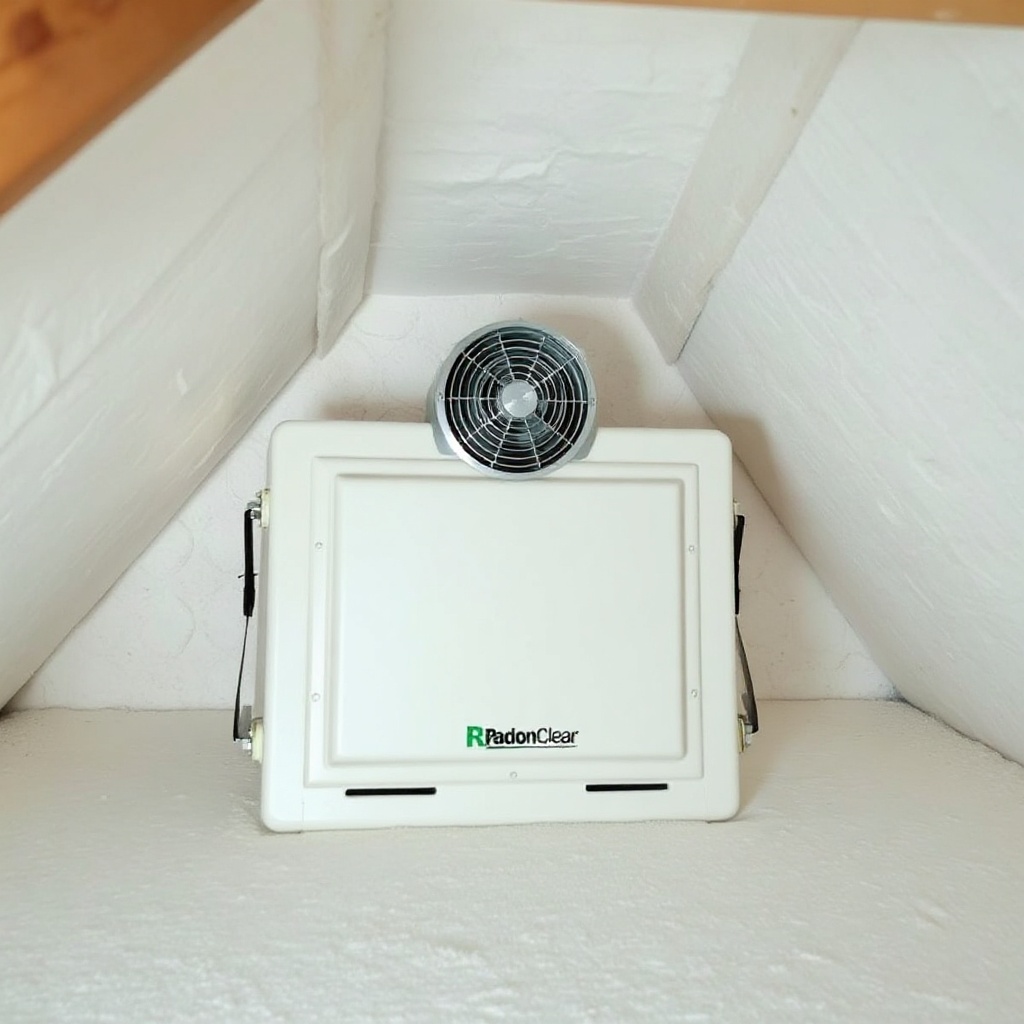
The RadonClear fan assembly is typically mounted in an attic or on an exterior wall. Attic installations are preferred because the residual heat from the building helps keep the fan above freezing. However, if your attic is unheated, consider:
- Fan enclosure: Build a sealed box around the fan using rigid insulation (R-10 minimum) with a small vent for air circulation
- Thermostat-controlled fan operation: Some RadonClear models allow a low-speed setting or intermittent operation to generate enough heat to prevent condensation freeze-up. Check your fan manual—if not available, retrofit with a thermostatic switch that activates the fan when ambient temperatures drop below 2°C
- Condensate removal from fan housing: Ensure the drain opening in the fan housing (if present) is clear and slopes downward. A plugged drain can let water pool and freeze inside the impeller chamber
If you notice the fan making scraping or grinding noises in cold weather, shut off the system immediately and inspect for ice. Replace any damaged components with RadonClear-approved parts. For step-by-step replacement guidance, see RadonClear Whole-Home System Fan Replacement: Step-by-Step Guide and Compatibility Tips.
What Are the Signs of Freeze Damage to Look For?
Freeze damage can be subtle at first. Watch for these indicators:
- Reduced airflow: Measured at the exhaust vent; if flow drops 30% or more below normal, an ice blockage is likely
- Fan motor cycling on and off: Thermal overload protection may trip if ice restricts the impeller
- Visible condensation or frost on the exhaust pipe near the fan inlet
- Audible gurgling during freeze-thaw cycles—indicating liquid water that later refreezes
- Increased radon levels on your home monitor (above 200 Bq/m³) because the system is underperforming
Perform a monthly visual inspection during winter. Use a thermal camera (rentable for about $40/day) to spot cold patches in the pipe insulation. If you suspect a blockage, check pressure differential across the fan with a manometer—normal range is 0.5–1.5 inches of water column.
What Owners Say
Homeowners in northern Canadian and Scandinavian climates report that proactive freeze protection made the difference between a system that faltered each winter and one that operated flawlessly. For example, Laurent from Whitehorse, Yukon, shared: “After adding trace heating to my RadonClear exhaust pipe, I haven’t had a single freeze-up in three winters. The system even handled -40°C without issue.” Another owner in Finland noted that insulating the fan box with 100mm rockwool saved her from a $700 fan replacement.
However, some owners caution against over-insulating: “I used foam spray on the entire pipe, but it trapped moisture against the PVC and caused pitting. Stick with closed-cell elastomeric wrap.” Overall, the consensus is that proper insulation and active heating are worth the investment, especially if your area sees sustained sub-zero temperatures.
Frequently Asked Questions
1. Can I use standard pipe insulation from a hardware store?
Yes, but only if rated for outdoor use and minimum -20°C. Most hardware-store foam is R-2 per inch, which may not be sufficient above grade. For extreme climates, use closed-cell elastomeric insulation with R-5 or higher.
2. How often should I check the drainage tee in winter?
At least once a month when temperatures stay below -10°C. If you notice ice, inspect weekly until conditions improve.
3. Does the RadonClear fan have built-in freeze protection?
Some newer models include a thermal cutoff switch, but not all. Check your unit’s manual or contact RadonClear support. Adding an external thermostatic controller is a reliable retrofit.
4. What should I do if I hear ice cracking inside the exhaust pipe?
Shut down the system immediately to prevent fan damage. Use a hair dryer or heat gun (low setting) to gently thaw the pipe from the outside. Do not pour hot water into the pipe—thermal shock can crack PVC.
5. Will freeze damage void my RadonClear warranty?
Generally, yes, if the damage results from lack of proper insulation or maintenance. The standard warranty covers manufacturing defects, not weather-related issues. Always follow installation guidelines.
6. Can I install heated tape myself?
Yes, but only if you follow local electrical codes and use tape rated for PVC and wet conditions. Many homeowners hire a licensed electrician (cost: $300–$600 CAD) for peace of mind.