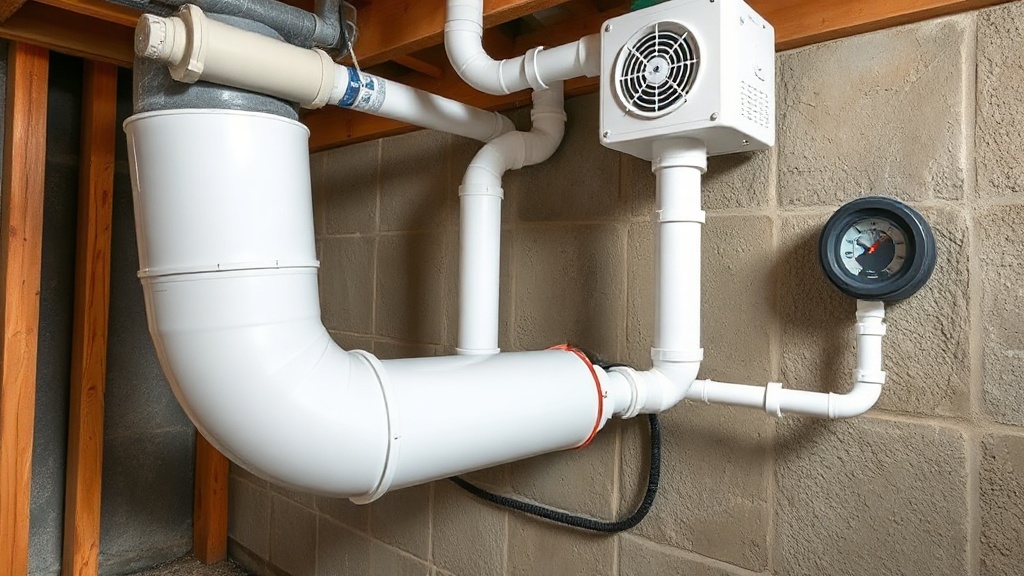
RadonClear Whole-Home System Duct Insulation: Condensation Prevention Tips
Condensation on radon mitigation ductwork can lead to moisture damage, mold growth, and reduced system efficiency. For RadonClear Whole-Home System owners, understanding where and why condensation forms is essential for maintaining peak performance. This guide offers practical insulation strategies and troubleshooting steps to keep your system dry and reliable year-round.
Why Does Condensation Form on My RadonClear Ducts?
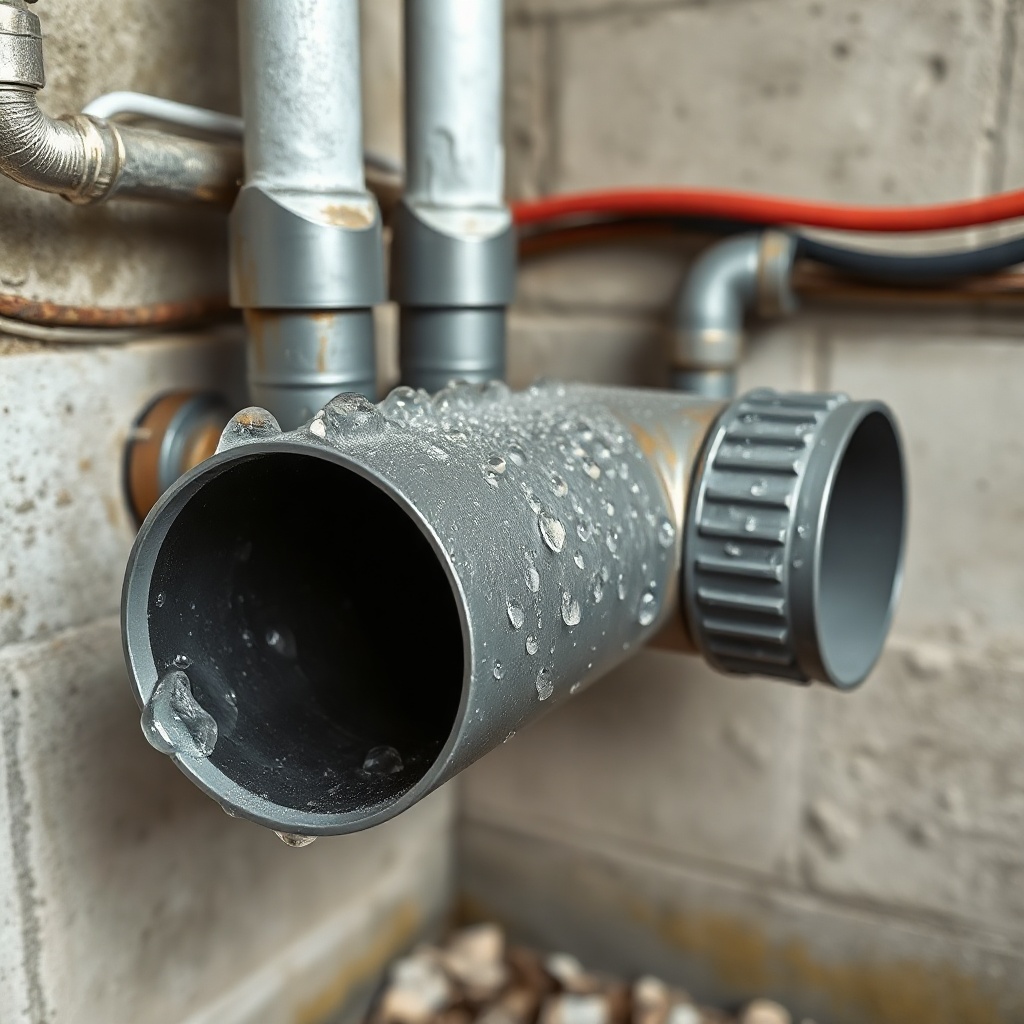
Condensation occurs when warm, humid air contacts a cold surface—typically the exterior of PVC or metal radon vent pipes. During winter or in unconditioned spaces like attics and crawlspaces, the air inside the duct (drawn from beneath the slab) can be cooler than the surrounding air. When the duct surface temperature falls below the dew point, moisture collects as water droplets.
Several factors make this more likely with the RadonClear Whole-Home System:
- Temperature differential: If the duct runs through a heated basement but the air inside is near 50°F (10°C), condensation can form on uninsulated sections.
- High humidity: Basements with relative humidity above 60% exacerbate condensation risk along duct runs.
- Poorly sealed joints: Leaks in the duct system allow warm, moist air to enter and condense on cold pipe surfaces.
- Insufficient ventilation: Without proper airflow from a heat recovery ventilator, stale humid air can linger around the ductwork.
What Insulation Thickness Does RadonClear Recommend?
The RadonClear Whole-Home System is typically installed with 3-inch or 4-inch Schedule 40 PVC. For condensation prevention, insulation thickness should match the duct diameter and local climate. In most Canadian regions (with winter temperatures below −20°C / −4°F), a minimum of 1-inch closed-cell foam pipe insulation is recommended. For attics or unconditioned spaces, 2-inch thickness is safer.
Table 1 below outlines recommended insulation thickness based on duct diameter and typical winter conditions.
| Duct Diameter (inches) | Insulation Thickness (inches) | Recommended R-Value | Climate Zones |
|---|---|---|---|
| 3″ | 1″ | R-4.2 to R-6.0 | Mild winters (above −10°C / 14°F) |
| 3″ | 2″ | R-8.0 to R-10.0 | Cold winters (below −20°C / −4°F) |
| 4″ | 1.5″ | R-6.0 to R-8.0 | Moderate winters (to −15°C / 5°F) |
| 4″ | 2″ | R-10.0 to R-12.0 | Severe winters (below −30°C / −22°F) |
Note: R-values are approximate for closed-cell polyethylene foam. Always verify with your local building code and supplier.
How Should I Install Insulation on My RadonClear System?
Proper installation is as critical as thickness. Follow these steps for the RadonClear Whole-Home System ductwork:
- Clean the duct surface: Remove dust, grease, and moisture before applying insulation. A clean surface ensures adhesive bonds properly.
- Use closed-cell foam pipe insulation: Pre-slit foam tubes (also called “pipe wrap”) work well. Ensure they are specifically rated for radon vent applications—standard foam may degrade under UV exposure if used outdoors.
- Seal all joints: Use foil tape (not duct tape) at all seams and connections. Apply the tape in a spiral pattern to prevent unrolling.
- Protect outdoor sections: For exterior runs, add a UV-resistant jacket or paint the insulation with a UV-blocking coating. Exposed foam can become brittle within a season.
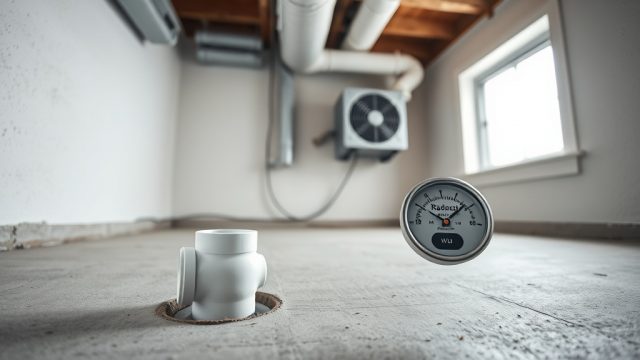
- Check the manometer: After insulating, verify the system pressure using a manometer. Insulation should not alter the pressure reading significantly—if it does, inspect for accidental compression of the duct.
Can I Use Spray Foam Insulation Instead of Pipe Wrap?
Spray foam (e.g., closed-cell polyurethane) is an option but carries risks. While it provides excellent R-value per inch, it can be difficult to apply evenly on vertical pipe runs. Over-application can cause the pipe to expand or crack, especially on PVC. For the RadonClear Whole-Home System, pipe wrap is preferred because:
- It is removable for future inspections or repairs.
- It avoids thermal stress on the PVC material.
- It is easier to achieve uniform coverage.
If you choose spray foam, limit thickness to 2 inches and allow proper curing time. Always test the system pressure afterward with a manometer to ensure no damage occurred.
What About Condensation on the Radon Fan Unit?
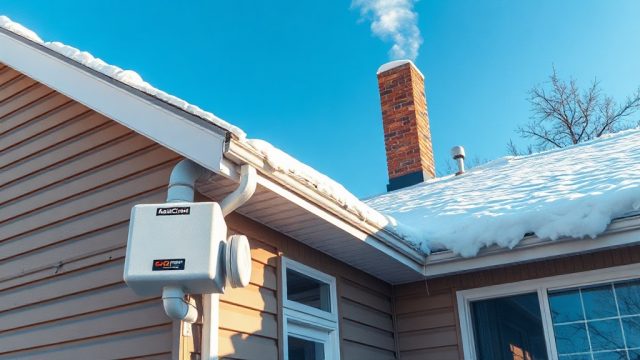
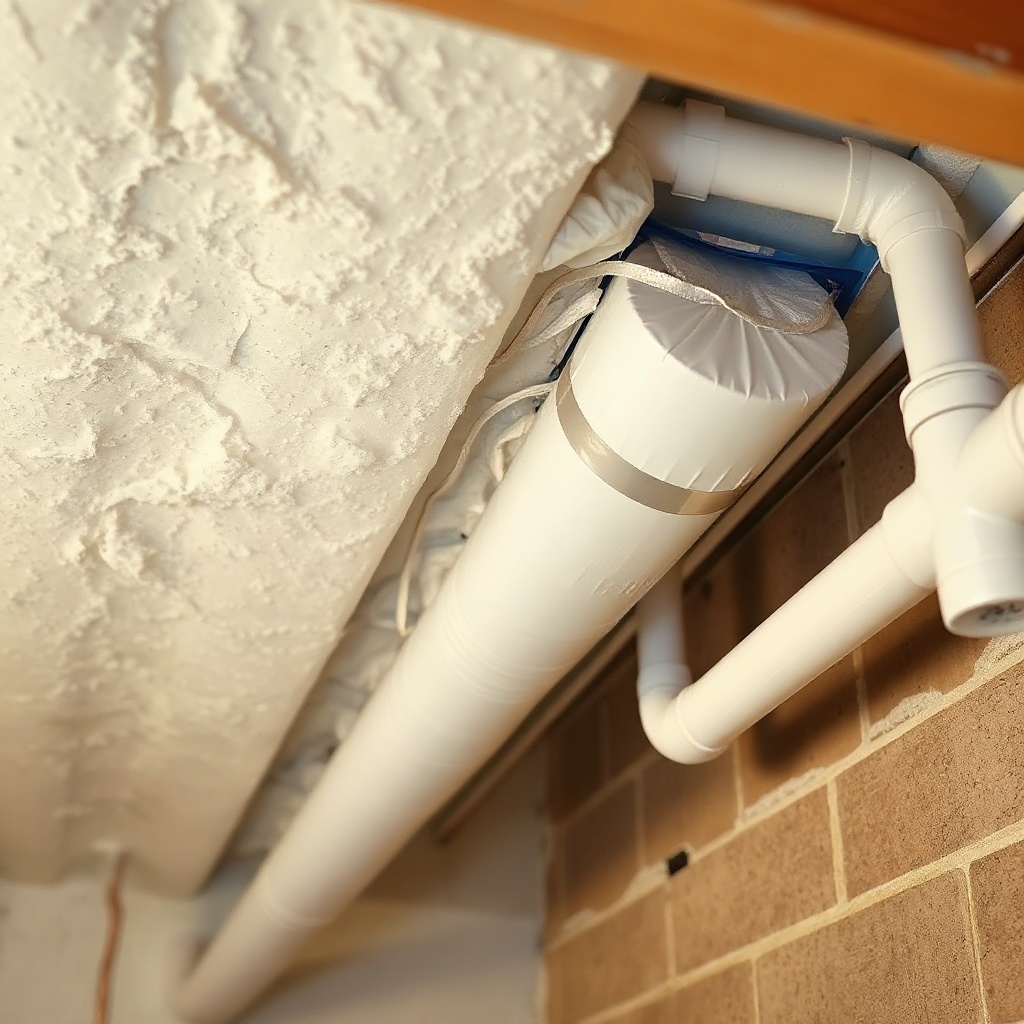
The fan unit itself (typically mounted in an attic or on an exterior wall) can also accumulate condensation, especially if the system operates continuously through cold snaps. The RadonClear fan housing is sealed, but moisture can collect on the outer casing if the temperature differential is extreme.
Tips for fan area condensation:
- Install a drip tray under the fan unit to catch any condensation runoff.
- Ensure the fan discharge pipe is insulated for the first 3 feet after the fan outlet.
- If the fan is in an unconditioned attic, consider adding a small smart thermostat to monitor temperature and humidity around the fan. Some homeowners integrate this with energy monitoring to optimize run times.
- In severe climates, a heat tape (with thermostat) can be applied sparingly around the fan housing—but only if the manufacturer allows it. Check your RadonClear system warranty first.
What Owners Say
Homeowners who have addressed condensation on their RadonClear Whole-Home System commonly report a few outcomes. “After I insulated the attic run with 2-inch foam and sealed the joints with foil tape, the dripping stopped completely,” says Mark T. from Edmonton, Alberta. “It was a simple fix, but I wish I had done it before winter hit.”
Another owner, Sarah L. from Toronto, notes: “I had condensation on the fan housing every January. Adding a small drip tray and insulating the first few feet of discharge pipe solved it. Now I use a smart plug to track the fan runtime—integration with smart home energy monitoring helps me spot changes in efficiency early.”
Several owners caution against using standard fiberglass insulation, which can absorb moisture and lose R-value. “Stick with closed-cell foam—it doesn’t get soggy,” advises Dave K. from Calgary. He also recommends checking the winter freeze protection tips for drainage, as blocked condensate drains can create back pressure and worsen moisture issues.
Frequently Asked Questions
Q1: What type of insulation should I use for radon ducts?
Closed-cell polyethylene foam pipe insulation is best. It resists moisture, has a good R-value per inch, and is easy to install on RadonClear PVC pipes. Avoid fiberglass or open-cell foam that can absorb moisture.
Q2: Will insulation affect my radon fan performance?
No, if installed correctly without compressing the duct. Insulation only changes the duct surface temperature—it doesn’t alter the internal airflow or fan pressure. Always verify with a manometer after installation.
Q3: How much does insulating radon ducts typically cost in Canada?
For a typical 3-inch PVC run of 20 feet (6 metres), materials (foam insulation and foil tape) cost between CAD $30 and $60. Professional installation adds CAD $100 to $200. Costs vary by region and accessibility.
Q4: Can condensation damage my radon fan?
While the fan housing is sealed, persistent condensation can lead to corrosion on electrical connections or the fan motor, especially if water drips onto the unit. Insulating and using a drip tray prevents this.
Q5: Why is there condensation only in the winter?
Cold outdoor temperatures cool the duct surface below the dew point. In summer, the duct is warmer than the surrounding air, so condensation rarely occurs. Winter is the primary season for moisture problems.
Q6: Should I insulate the radon pipe inside the living space?
Yes, if the pipe runs through an unconditioned area like a crawlspace or attic. In a conditioned basement, condensation is less likely, but if humidity is high, insulating can still help. Focus on sections where temperature differences are greatest.