How Does the RadonClear Whole-Home System Manometer Work and Why Is It Critical?
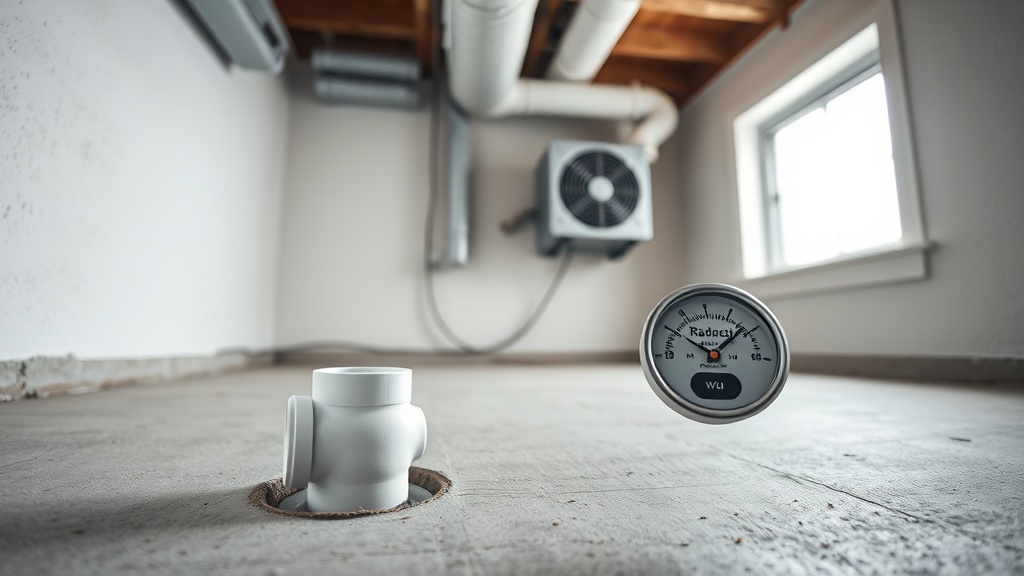
The manometer in your RadonClear Whole-Home System functions as the primary diagnostic window into system performance. This U-tube device, typically filled with a colored fluid, measures static pressure differences between the suction side of the fan and the ambient air. When the system operates correctly, the fluid column shows a differential typically between 0.5 and 2.0 inches of water column (in. WC), indicating the fan is pulling sufficient vacuum to draw radon-laden soil gas through the suction pit and out through the vent stack. A reading outside this range suggests airflow obstruction, fan wear, or duct leaks, making the manometer the first indicator a homeowner should check during routine maintenance.
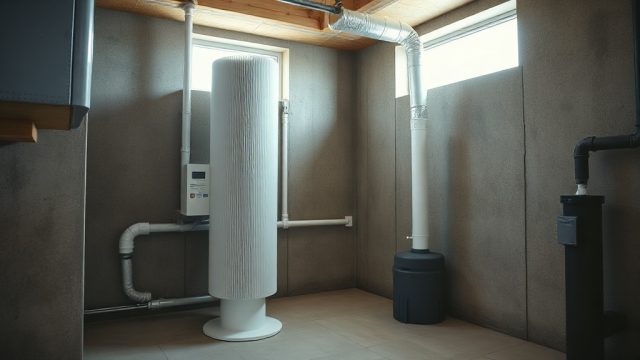
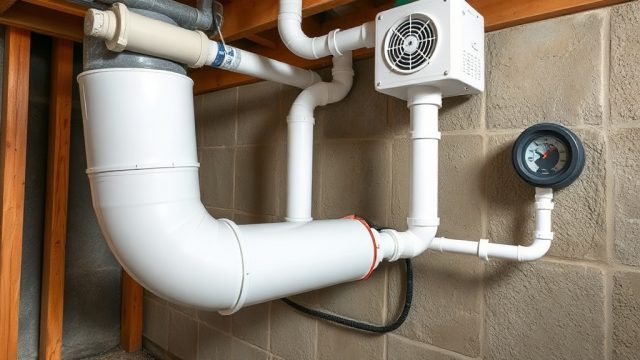
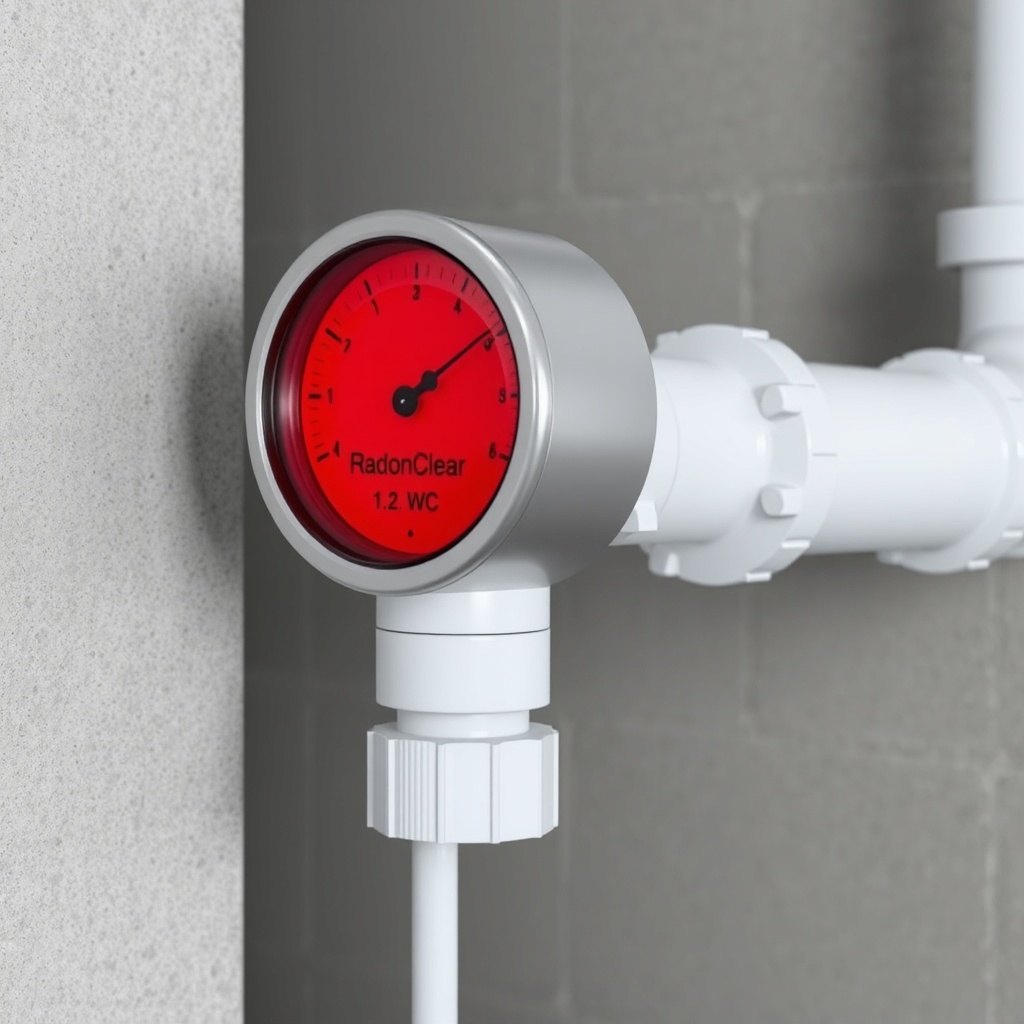
The manometer is factory-installed on the vertical vent pipe downstream of the fan unit, usually within easy view for monthly visual inspection. In the RadonClear design, the device uses non-toxic red fluid in a clear plastic tube with marked increments. When the system is off, fluid levels equalize; when operational, the higher side indicates the vacuum level. A sudden drop in differential, for instance from 1.2 to 0.3 in. WC, often signals a partial block such as ice formation in the exterior vent, a crushed pipe section, or even a fan motor slowing due to bearing wear. Raising awareness of these readings not only extends system life but also ensures continuous reduction of indoor radon concentrations, typically below the EPA action level of 4 pCi/L.
Owners should understand that the manometer is the single most reliable diagnostic tool short of a professional troubleshooting visit. Building a habit of reading it weekly takes less than 30 seconds and can prevent costly emergency repairs. For a deeper understanding of how fan deterioration affects manometer readings, see our RadonClear Whole-Home System Fan Replacement: Step-by-Step Guide and Compatibility Tips.
What Does a Normal Manometer Reading Look Like for a RadonClear Whole-Home System?
A properly balanced RadonClear system typically presents a steady reading between 0.8 and 1.6 in. WC. The exact number depends on soil characteristics, length of vent pipe, number of elbows, and fan model (the standard RadonClear fan is rated for up to 4 in. WC but operates most efficiently at 1.0–1.5 in. WC). However, what matters more than the raw number is consistency. If the fluid level remains stable week over week, the system is functioning correctly. Fluctuations of more than ±0.3 in. WC over a 24-hour period, particularly after storms or during freezing weather, should prompt investigation.
Seasonal changes can cause minor drift. In winter, when the ground freezes and soil gases become denser, some systems see a slight increase in vacuum (0.1–0.2 in. WC). Conversely, during heavy rain that saturates soil, the vacuum may drop 0.1–0.2 in. WC. These are normal and not cause for alarm. However, if the reading falls below 0.3 in. WC, the fan may be failing, or there could be a major leak in the suction pit. If the reading exceeds 2.2 in. WC, there is likely a restriction downstream of the fan, such as a frozen vent stack, debris in the pipe, or a collapsed duct section.
To help owners interpret readings quickly, we have compiled a severity table based on common RadonClear installations in single-family homes. Use this as a guideline; always confirm with a calibrated digital manometer if you suspect a problem.
| Manometer Reading (in. WC) | Likely Cause | Severity | Recommended Action |
|---|---|---|---|
| 0.0–0.2 | System off, fan not running, or major leak | Critical | Check power to fan; inspect suction pit for disconnection |
| 0.3–0.7 | Fan underperforming, partial blockage, or duct leak | Moderate | Inspect vent pipe for cracks; check fan noise for unusual sounds |
| 0.8–1.6 | Normal operation for RadonClear system | Good | No action needed; continue monthly monitoring |
| 1.7–2.2 | Restriction in vent stack or frozen vent cap | Moderate | Check vent pipe exterior (especially cap); inspect for ice buildup |
| 2.3–3.0+ | Severe blockage (partial or full) or fan rated too high for soil | Critical | Shut off system; call professional for duct inspection |
Even a reading in the “Good” range can hide issues like small leaks that lower efficiency. To rule out duct leakage, refer to our RadonClear Whole-Home System Duct Leak Sealing Guide: Materials and Steps for sealing techniques that restore proper vacuum.
How Often Should I Check the Manometer and Perform Maintenance?
RadonClear recommends a monthly visual inspection of the manometer, but weekly checks during the first 90 days after installation or after any system modification are wise. During each inspection, note the reading, observe fluid levels (should be even when system is off, and a steady differential when on), and look for any condensation inside the tube that could blur the reading. An annual deep maintenance involves cleaning the manometer tube with distilled water and a soft brush to remove dust or mineral deposits, and verifying the U-tube is perfectly vertical (spirit level check) to ensure accurate readings.
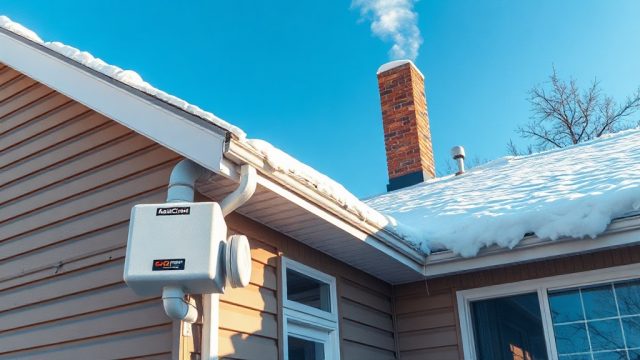
Beyond the manometer, the entire system requires seasonal attention. In autumn, clear leaves and debris from the outdoor vent cap and inspect the pipe’s rubber couplings for cracks. In winter, every cold snap warrants checking the exterior vent for ice formation; if ice is present, the manometer reading will usually climb above 1.8 in. WC. Spring is the time to inspect the suction pit for water accumulation—if standing water is present, the manometer reading may drop below 0.5 in. WC, indicating that the water is blocking airflow. For comprehensive winter care, read our RadonClear Whole-Home System Winter Freeze Protection: Insulation and Drainage Tips.
Owners who keep a log of manometer readings—date, reading, and notes—will detect trends that precede failures. For example, a reading that slowly declines from 1.3 to 0.9 in. WC over three months could signal fan bearing wear long before the fan stalls. Early detection saves the cost of an emergency service call, typically £150–£250 for after-hours response in the UK, versus a planned replacement part costing £80–£120.

What Are the Common Manometer Troubleshooting Issues and How Do I Fix Them?
Even with regular monitoring, issues can arise. The most frequent problem is a zero reading when the system is on. This usually indicates the fan has lost power—check the circuit breaker, GFCI outlet (test/reset), or a tripped overcurrent protector on the fan itself. If the fan hums but the manometer shows zero, the internal impeller may have seized, or the suction line is completely blocked before the manometer. In that case, turn off the system and check the vent pipe between the suction pit and fan for obstruction.
Another common issue is a reading that remains high (above 2.0 in. WC) even after clearing obvious blockages. This can occur when the outdoor vent cap has frozen shut. In temperatures below freezing, ice can form inside the cap, restricting airflow. A simple fix is to pour warm (not boiling) water on the cap to melt the ice. Never use a heat gun on PVC—it can warp the pipe and create permanent damage. If ice recurrs repeatedly, consider installing a heated vent cap designed for radon systems, available from RadonClear for approximately £45–£60.
A third scenario: the manometer fluid has migrated entirely to one side or has become discolored. This is often due to condensation inside the tube causing the fluid to evaporate or separate. RadonClear manometers come with a fill kit that includes fluid and a syringe. To recondition, disconnect the manometer from the system using the included shutoff valves, drain and rinse the tube with distilled water, refill to the midpoint mark, and reconnect. If the tube is permanently stained, replacement manometers are available for around £12–£15 from RadonClear distributors. For clamps or fittings that leak, tightening with a small hex wrench to 2 Nm usually resolves the issue.
Should you still experience erratic readings after these steps, the problem may lie with the fan itself. For guidance on identifying a failing fan and replacing it, see our RadonClear Whole-Home System Fan Replacement: Step-by-Step Guide and Compatibility Tips.
How Do Duct Silencers Affect Manometer Readings and Maintenance?
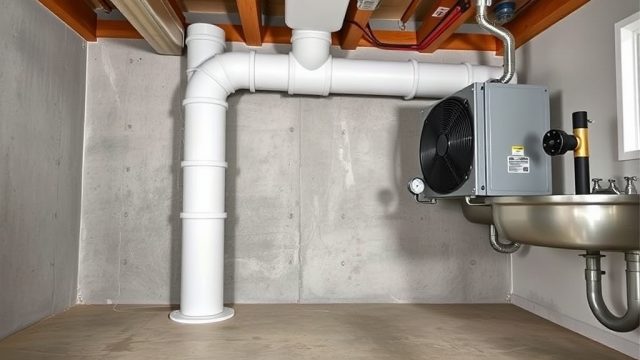
Duct silencers, commonly installed to reduce airborne noise from the fan, are passive devices that affect airflow and therefore manometer readings. A properly installed RadonClear-compatible silencer will add approximately 0.1–0.3 in. WC to the system’s vacuum due to the slight flow resistance through its fiberglass-lined interior. This is normal and doesn’t indicate a problem. However, if you notice that manometer readings have risen by more than 0.4 in. WC after a silencer installation, there may be a blockage inside the silencer itself, such as loose fiberglass or debris lodged in the core.
Silencer maintenance is critical for accurate manometer readings. Over time, the internal fiberglass baffles can deteriorate or become saturated with moisture, causing them to sag and restrict airflow. This will manifest as a gradual increase in manometer differential. During annual maintenance, inspect the silencer by shining a bright light into the inlet and outlet ports—if you see visible gaps or debris, it’s time for a cleaning or replacement. For best practices on maintaining your silencer, see our RadonClear Whole-Home System Duct Silencer Maintenance Tips: Extend Noise Reduction Effectiveness.
Owners who compare silencer models often ask about the difference in backpressure between the RadonClear silencer and other brands. To help with that decision, our RadonClear Whole-Home System vs Fantech RN1: Duct Silencer Effectiveness Compared article details performance metrics. In general, any change to the vent path—such as adding a silencer, a bypass damper, or extra elbows—will be reflected in the manometer reading. Always record baseline readings before and after modifications to verify that the system remains within safe operating parameters.
What Owners Say About Manometer Monitoring and Maintenance
Owners of the RadonClear Whole-Home System consistently emphasize that the manometer is the most underutilized feature in their setup. Many report that after the first month of daily checks, they learned to trust the system’s stability. Peter from Devon explains: “I ignored the manometer for six months, then noticed the reading had dropped to 0.4 in. WC. A quick phone call to RadonClear support confirmed a small crack in the suction pipe at the T-joint. A £2 tube of PVC cement fixed it, and the reading went back to 1.1. That manometer saved me from a high radon reading during the winter.”
Another owner, Maria from Glasgow, shares her experience with condensation issues: “Every winter, the manometer fluid would turn cloudy. I assumed it was broken, but after reading the online guide, I drained and refilled it with the kit. Now I do it every November as part of my routine. Costs me 15 minutes and keeps the system accurate.” Her reading stays between 1.0 and 1.2 in. WC year-round. Many owners also note that after they added a duct silencer, they saw a minor increase of about 0.2 in. WC, but the noise reduction from 52 dBA to 38 dBA was worth it. For installation instructions, see our RadonClear Whole-Home System Duct Silencer Installation: Reduce Airborne Noise.
Owners unanimously advise new buyers to keep a spare manometer or fluid kit on hand—especially if they live in areas with hard water, which can accelerate mineral buildup. The consensus is that the manometer is the cheapest insurance policy for the system, costing about £12 to replace versus £200–£300 for an emergency service call. Regularly logging readings and keeping the manometer clean ensures the system performs at its peak, keeping indoor radon concentrations down to safer levels consistently.
Frequently Asked Questions
1. Can I use a digital manometer instead of the analog U-tube that came with my RadonClear system?
Yes, you can upgrade to a digital manometer (such as the RadonClear Digital Pressure Gauge, available for £35–£50). Digital devices offer higher precision (±0.1 in. WC) and can log data for trend analysis. However, the analog manometer is more reliable in freezing conditions since it doesn’t rely on batteries or electronics. If you switch, keep the analog unit as a backup.
2. The manometer reading is still zero after I reset the GFCI. What should I do?
Check the fan power cable for damage; a rodent can chew through the insulation, shorting the circuit. If the GFCI trips immediately after resetting, the fan motor may be shorted. Turn off the breaker and call a professional. If the GFCI holds but the manometer remains zero, use a multimeter to verify 230 V AC at the fan terminal—if voltage is present, the fan motor has failed and needs replacement.
3. How do I remove air bubbles from the manometer fluid?
Air bubbles usually occur after a fluid refill or if the manometer was tilted. To remove them, gently tap the tube with a pencil eraser while the system is off. If bubbles persist, disconnect the manometer from the shutoff valves, fill the tube with distilled water and a few drops of dish soap, shake gently, then drain and refill with fresh fluid. This will dislodge stubborn bubbles.
4. Is it normal for the manometer reading to fluctuate when the wind blows outside?
Slight fluctuations (0.1–0.2 in. WC) are normal in high winds due to pressure changes at the vent cap. If the reading swings more than 0.4 in. WC, inspect the vent cap for damage (cracks, missing screens). A damaged cap can allow direct wind entry, which causes erratic manometer behavior and reduces system efficiency.
5. How do I know if my manometer needs replacement vs. just cleaning?
If the fluid turns cloudy or brown, or if the tube has permanent scratches that obscure the fluid line, replace the manometer. If the fluid is clear but the reading seems off (e.g., indicates 0.8 in. WC when a digital gauge says 1.3), first clean the tube and ensure it’s vertical. If the discrepancy exceeds 0.3 in. WC after cleaning, replace the manometer—it may have plastic creep that alters the tube’s internal diameter.
6. Can I install a manometer in a location that’s easier to read than the original spot?
Yes, but you must use pressure-rated tubing (typically 5/16-inch diameter) and avoid over-elongating the run—keep the total distance under 15 feet to prevent pressure drops. Use the provided shutoff valves at the new location, and ensure the manometer is mounted vertically on a wall or bracket. If you relocate the manometer, recalculate the baseline reading after installation, as the added tubing adds a small resistance (around 0.05 in. WC per 10 feet). Check local building codes before altering the vent stack.