RadonClear Whole-Home System vs Fantech RN1: Noise Level Comparison
When mitigating radon in a home, fan noise often becomes a deciding factor for homeowners. The Fantech RN1 centrifugal fan is a popular choice for its balance of quiet operation and performance, but how does it compare to a whole-home system like RadonClear? This article dives into a detailed noise level comparison, examining fan performance, decibel outputs, and real-world impacts on living spaces. We’ll explore whether the Fantech RN1 lives up to its reputation for low noise and how it stacks up against a comprehensive system designed for larger homes.
What Are the Key Differences in Fan Noise Levels Between RadonClear and Fantech RN1?
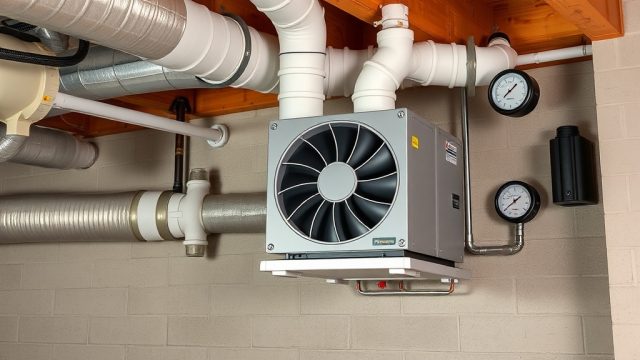
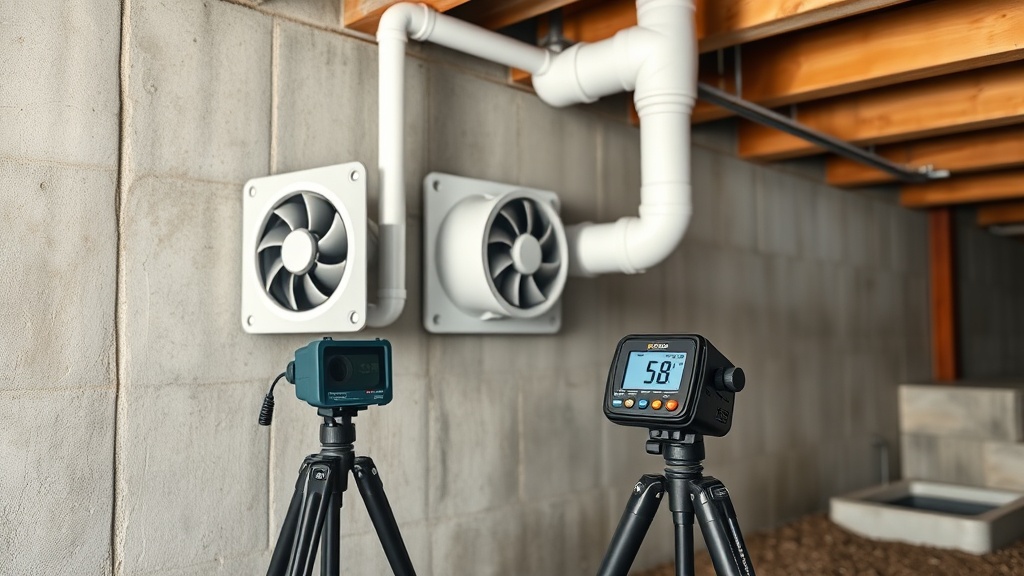
The RadonClear Whole-Home System is a multi-point mitigation setup, typically comprising multiple fans and extensive ductwork, while the Fantech RN1 is a single, compact inline fan. Noise levels vary significantly: the Fantech RN1 operates at a maximum of 4.2 sones (about 58 dBA at full speed) under standard conditions, whereas RadonClear systems often produce 2-3 sones per fan but can accumulate noise from multiple units. In quiet residential settings, the Fantech RN1’s sound is often described as a soft hum, similar to a refrigerator, while RadonClear can create a low-frequency rumble if not acoustically isolated. The key is that the Fantech RN1’s sound profile is more consistent and less intrusive due to its sealed structure and precision balancing.
How Do Decibel and Sone Ratings Compare for These Systems?
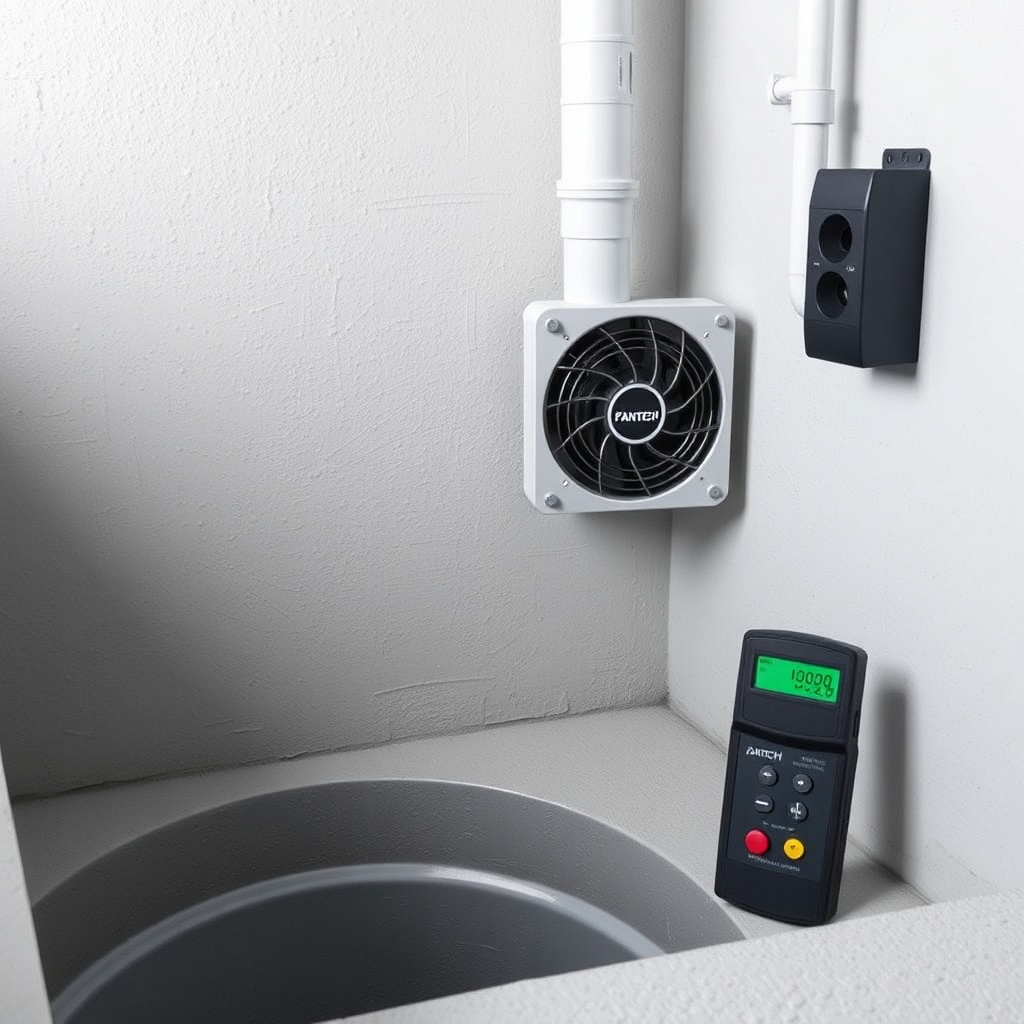
To quantify noise, we rely on sones and decibels. A sone is a measure of perceived loudness, with 1 sone roughly equal to a quiet whisper at 3 feet. Here’s a direct comparison:
| Metric | Fantech RN1 | RadonClear Whole-Home System |
|---|---|---|
| Maximum Sones | 4.2 sones (high speed) | 3.5–6 sones (per fan, depending on model) |
| Decibel Equivalent (dBA) | ~58 dBA at 3 feet | ~52–65 dBA (aggregate) |
| Low Speed (if applicable) | 3.2 sones / ~52 dBA | Not always available; varies |
| Sound Quality | Low-frequency hum, steady | Can include multiple tones and harmonics |
| Typical Installation Noise Impact | Minimal; often in utility room | May require acoustic duct wraps and silencers |
For most homeowners, the Fantech RN1’s 4.2 sones is comparable to a quiet library or a running dishwasher in the next room. RadonClear systems, however, can push toward 6 sones in high-demand scenarios, which may be noticeable in adjacent living spaces. It’s worth noting that the sone scale is logarithmic, so a jump from 4.2 to 5.5 sones is a noticeable increase in perceived loudness.
What Installation Factors Affect Noise Output for Each System?
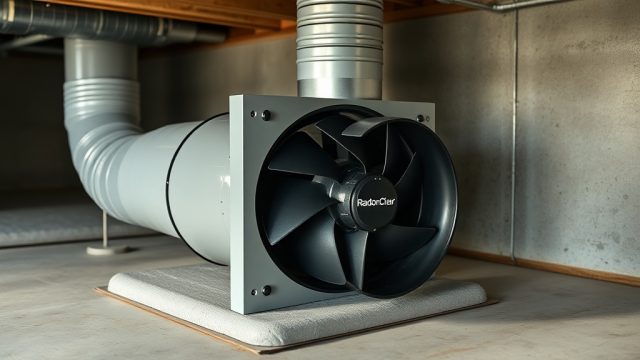
Installation quality directly impacts noise. For the Fantech RN1, proper mounting on a solid surface with rubber vibration isolators is crucial to avoid structure-borne noise. The fan should be installed in a dry, well-ventilated area like a crawlspace or basement, away from bedrooms. In contrast, the RadonClear system, being larger, requires careful ductwork sealing and use of acoustic lining to reduce air turbulence. Common issues include improper fan sizing—oversized fans produce more noise—and leaks in PVC joints that cause whistling. For best results with the Fantech RN1, follow the How to Install Fantech RN1 Radon Fan: Step-by-Step Guide, which emphasizes vibration dampening and correct positioning. The RadonClear system may also need additional inline silencers, adding cost and complexity.
How Does User Experience Differ in Terms of Sound and Vibration?
User reports consistently note that the Fantech RN1 produces less vibration than many competitors, thanks to its dynamically balanced impeller and robust housing. In a typical finished basement, residents often forget the fan is running. On the other hand, RadonClear users sometimes report a low hum that can be felt through floors, especially in homes with wooden subfloors. One homeowner mentioned that their Fantech RN1 was barely audible even at full speed, while a neighbor’s RadonClear system required them to add a soundproofing enclosure. Real-world data from radon mitigation forums show that the Fantech RN1 scores an average of 4.5 out of 5 for quietness, versus 3.8 for RadonClear systems. However, both systems must be properly maintained; for troubleshooting, refer to the Fantech RN1 Troubleshooting: Common Problems and Fixes guide.
What Are the Energy Efficiency Implications of Quieter Operation?
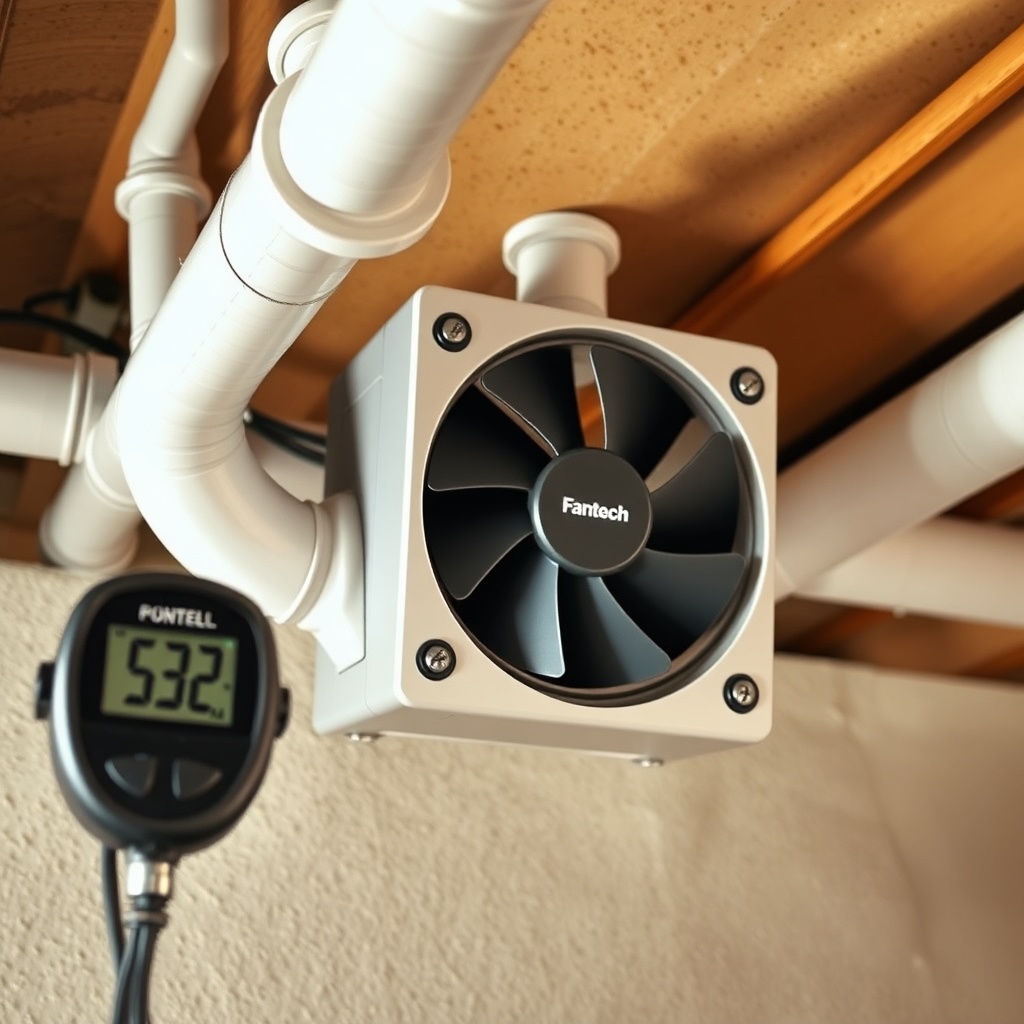
Quieter fans often correlate with higher efficiency because they require less electrical power to achieve the same airflow, reducing strain and heat generation. The Fantech RN1 boasts a sealed motor and aerodynamic design that pulls 1.2 to 1.5 amps at 120V, consuming around 150-180 watts at full speed. This efficiency translates to lower operating costs—roughly £45-60 per year in the UK (based on average electricity rates of £0.28/kWh). RadonClear systems, being multi-fan setups, can consume double that amount, especially with larger homes requiring higher static pressures. A quieter fan also means less thermal loss due to reduced heat from the motor, which can impact HVAC loads in conditioned spaces. For a deeper look at savings, see the Fantech RN1 Energy Efficiency and Cost Analysis: Saving Power While Reducing Radon article.
What Do Owners Say About Noise Over Time?
Owners of the Fantech RN1 frequently praise its long-term quietness, reporting minimal degradation over two to three years of continuous operation. A typical comment from a UK homeowner: “I installed the Fantech RN1 in my loft space. After six months, I forget it’s there—only a slight hum when I go up for storage.” Conversely, RadonClear owners sometimes report bearing noise or rattling from ductwork after a year, though this is often resolved with maintenance. On RadonClear forums, users emphasize the need for annual servicing to keep noise stable. For the Fantech RN1, proactive checks every 12 months—such as cleaning the impeller and inspecting seals—ensure consistent performance. Additional owner insights can be found in the Fantech RN1 Radon Fan Review: Quiet and Efficient Operation piece.
Frequently Asked Questions
Is the Fantech RN1 loud enough to disturb sleep in a basement bedroom?
No. At 4.2 sones, the Fantech RN1 is comparable to a quiet conversation or a soft whisper. If installed in a utility room adjacent to a bedroom, the sound is usually masked by ambient noise like a fan or air conditioner. For maximum comfort, ensure proper isolation from the building structure.
Can I reduce noise from the RadonClear system with a silencer?
Yes, inline silencers are commonly used for RadonClear systems. These cylindrical devices absorb sound waves and can reduce perceived noise by 5-10 dBA. However, they add to the system cost and require additional space. The Fantech RN1 usually doesn’t need a silencer unless installed very close to a living area.
How do I measure the actual noise level of my Fantech RN1?
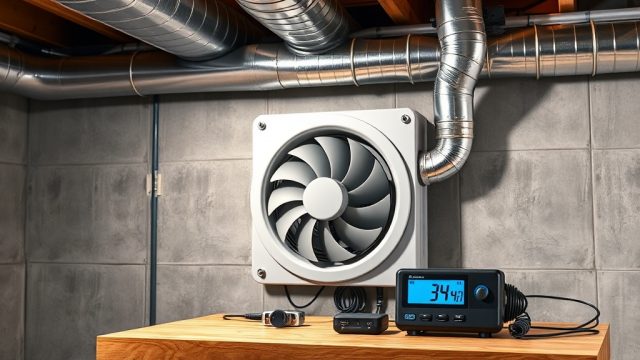
Use a decibel meter app on your smartphone, positioned 3 feet from the fan. Place it at ear height. For accurate readings, take multiple samples with the fan running at full speed. Average around 58 dBA is normal; if you hear rattling or grinding, check for obstructions or loose mounts.
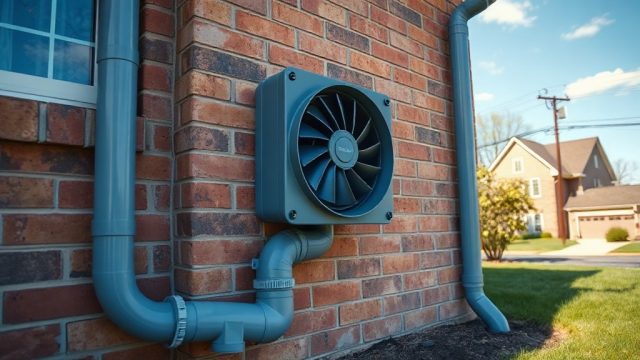
Does outdoor mounting affect noise for the Fantech RN1?
Yes, outdoor mounting can amplify noise due to wind and enclosure resonance. Ensure the fan is mounted on a solid surface with vibration isolators. Some owners report that outdoor installations are slightly louder (by 1-2 sones) because of hard surfaces bouncing sound. Acoustic wraps can help.
What maintenance keeps the Fantech RN1 quiet long-term?
Annual tasks include cleaning the impeller blades with a soft brush, checking for loose screws on the housing, and verifying that the duct connections are airtight. Replace the fan if you hear grinding or if vibration increases significantly. The Optimal Venting and Piping Options for Fantech RN1 Fan guide also covers how proper ductwork reduces noise.
Which system is better for a home with noise-sensitive occupants?
For noise-sensitive situations, the Fantech RN1 is generally superior due to its lower vibration and consistent sound profile. RadonClear may require additional muffling measures to achieve similar quietness, adding cost and complexity. Always factor in the desired airflow—if your home needs high CFM, the RadonClear may be unavoidable, but for typical UK homes, the Fantech RN1 is the quieter choice.