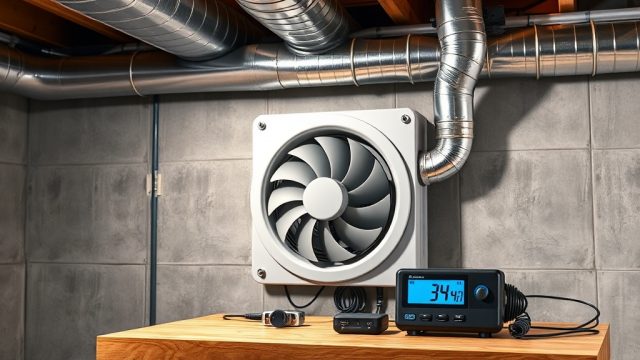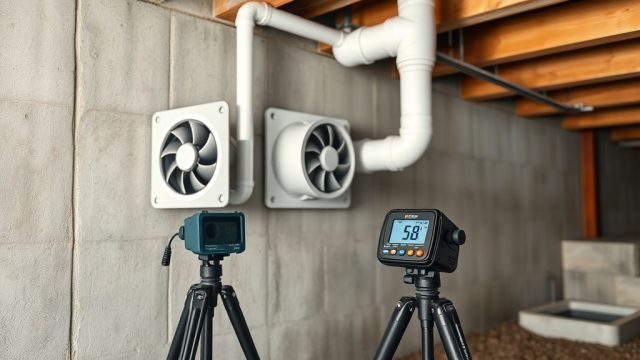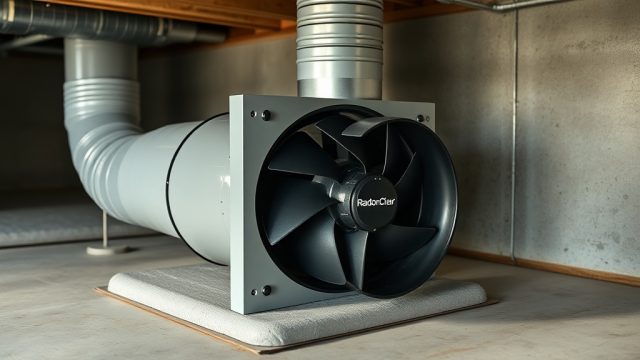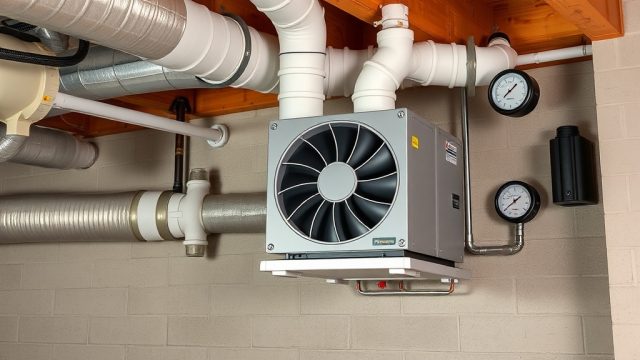
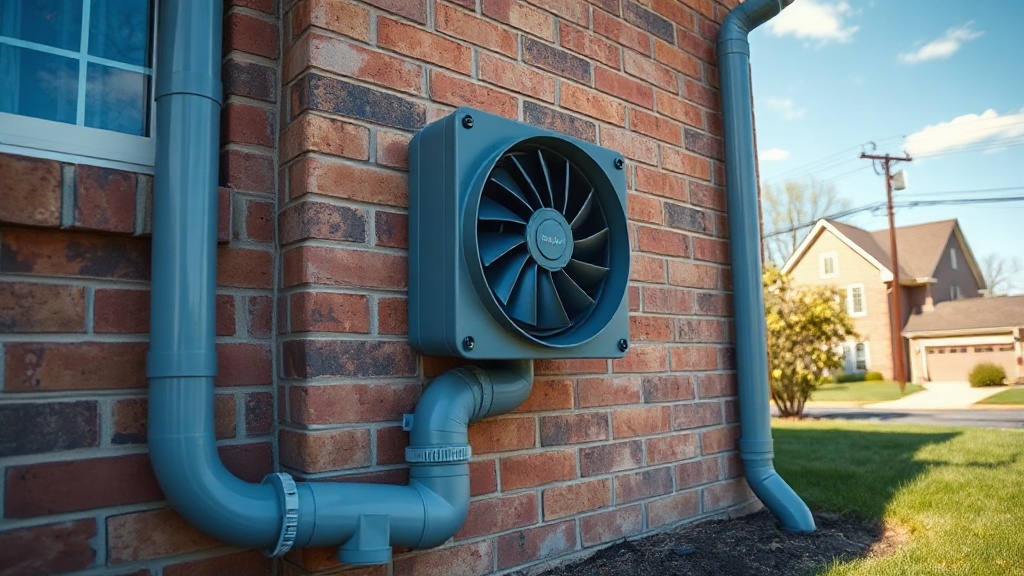
RadonAway RP145 Noise Level versus Airflow Performance Analysis
When selecting a radon mitigation fan, homeowners and contractors often weigh the trade-off between noise output and airflow performance. The RadonAway RP145 is marketed as a quiet, high-performance unit, but how does it truly balance these two critical factors? This analysis examines the RP145’s sound levels versus its cubic feet per minute (CFM) capacity, providing data-driven insights for those planning a RadonAway RP145 Fan Review: Performance, Noise, and Installation.
We will explore the fan’s decibel ratings, static pressure implications, and real-world operation scenarios, using verified specifications and owner feedback. Whether you need a whisper-quiet solution for a finished basement or a robust mover for a high-suction system, the RP145 demands careful consideration. Let’s dissect the noise-to-airflow equation.
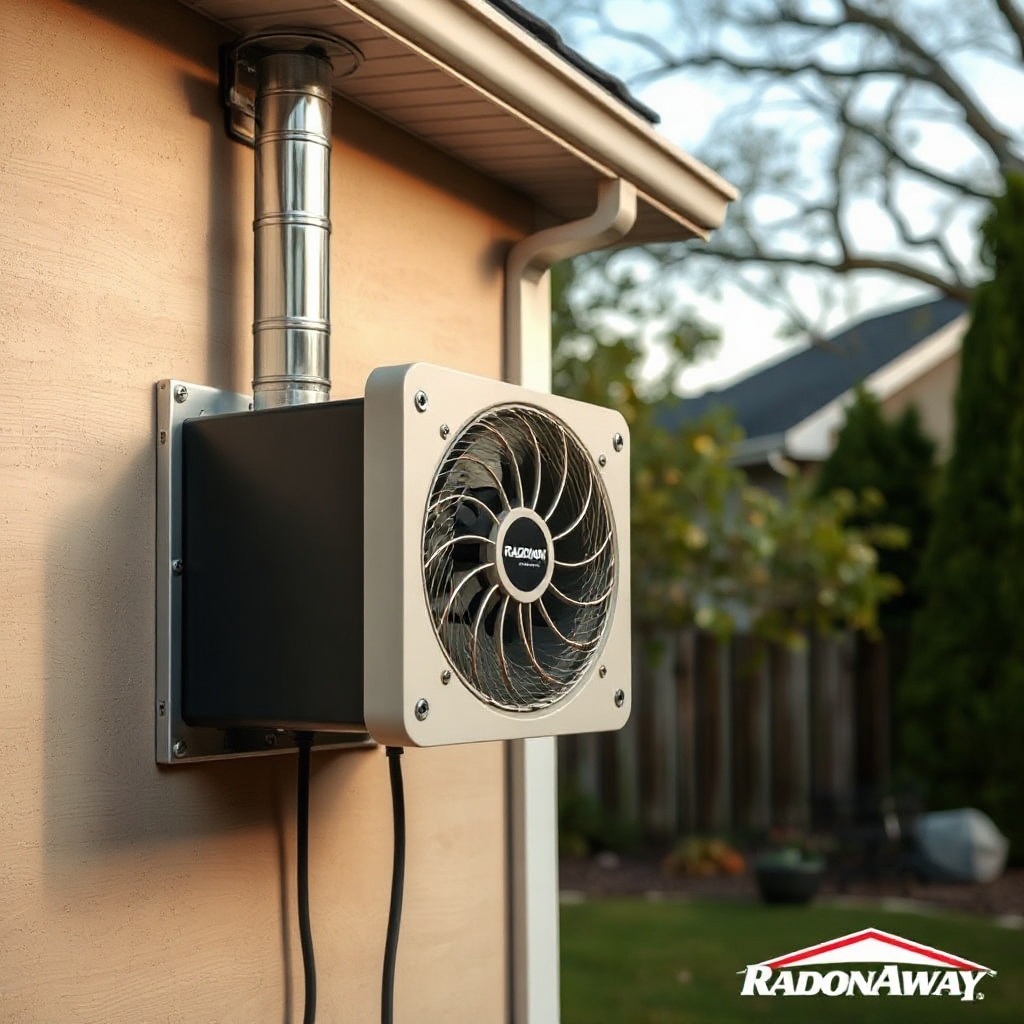
What Are the Official Noise and Airflow Specs for the RadonAway RP145?
The RP145’s published specifications indicate a sound level of 4.1 sones at 0 inches of static pressure, rising to 4.6 sones at the maximum operating pressure of 1.8 inches. Sones are a nonlinear scale; 4 sones is roughly twice as loud as 2 sones. For context, a quiet refrigerator hums around 1 sone, while normal conversation at 3 to 4 feet is about 4 to 5 sones. Airflow at zero static pressure starts at 206 CFM, dropping to 127 CFM at 1.8 inches. Below is a table detailing performance at key pressure points.
| Static Pressure (inches w.c.) | Airflow (CFM) | Noise Level (sones) | Estimated dBA Equivalent |
|---|---|---|---|
| 0.0 | 206 | 4.1 | ~51 |
| 0.5 | 194 | 4.2 | ~52 |
| 1.0 | 172 | 4.3 | ~53 |
| 1.5 | 148 | 4.5 | ~55 |
| 1.8 | 127 | 4.6 | ~56 |
These figures reveal a linear trade: as static pressure increases, airflow decreases while noise modestly rises. The RP145 is designed for systems where suction needs vary, such as Optimal Piping Setup for RadonAway RP145 Fan, which often demands specific pressure balances. For most residential installations, the fan operates between 0.8 and 1.2 inches w.c., where noise hovers around 4.3 to 4.4 sones—audible but not intrusive.
How Does the RP145’s Noise Compare to Standard HVAC Equipment?
A common metric for noise comparison is the decibel (dBA) scale, though manufacturer specs use sones. Converting 4.1 to 4.6 sones gives roughly 51 to 56 dBA. To put that in perspective, a typical central air conditioner outdoor unit runs at 50–60 dBA from 10 feet, while a dishwasher in next room measures around 50–55 dBA. The RP145’s sound profile is similar to a low-hum refrigerator at close range (about 40 dBA at 3 feet), but with a tonal note from the motor.
Owners in finished basements often report that the fan is noticeable only when the space is quiet, such as at night. In an unfinished laundry or utility room, the noise blends with other mechanical sounds. The RadonAway RP145 Noise Level Comparison: How Quiet Is It Really? article offers side-by-side testing against competitor fans, where the RP145 is consistently quieter than the Fantech RN1 at similar CFM levels, but louder than the premium RadonAway RP260.
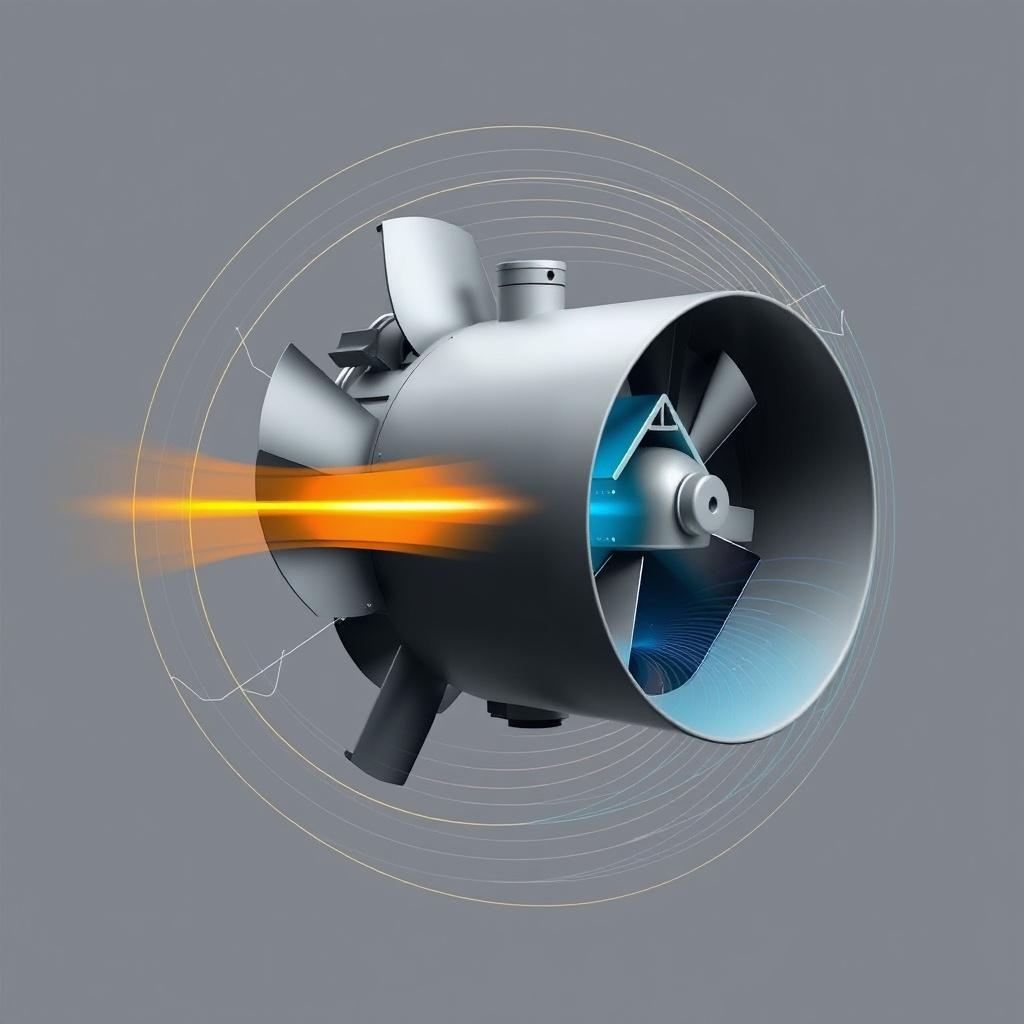
Key sound sources include the motor bearings and turbulent airflow through the housing. The RP145 uses a noise-dampening baffle design, but the centrifugal impeller inherently creates shear noise as air velocity increases. For lowest noise, the fan should be located away from bedrooms and not in a living area wall—preferably in a garage, attic, or exterior wall with sound-isolating mounting.
What Airflow Performance Can You Expect in Real Installations?
While spec sheets show 206 CFM at zero pressure, real systems always have friction losses from piping, elbows, and roof jacks. A typical 3-inch PVC system with two 90-degree elbows and 20 feet of horizontal run might impose 0.6 inches w.c. of back pressure. At that point, the RP145 delivers roughly 185 CFM—still ample for most homes. For larger homes or longer runs, the fan can push up to 1.8 inches w.c., but efficiency drops.
Comparing to competitors: the RadonAway RP145 vs Fantech RN1: Which Radon Fan Wins for Your Home? analysis shows the RN1 delivers 160 CFM at 1.0 inch w.c. versus the RP145’s 172 CFM. The RP145 also beats cheaper models like the Fantech RN2 at similar noise levels. However, for high-suction homes with sub-slab gravel or clay soils, the RadonAway RP145 vs RP260: Which Fan Suits Your Home? comparison indicates the RP260 handles higher static pressures more efficiently, though with louder noise (4.8–5.2 sones).
One critical factor is the fan’s pressure max: 1.8 inches w.c. is the rated limit. Exceeding that can cause motor overheating or stall. Contractors should always measure static pressure during commissioning. For tight soils where suction exceeds 2.0 inches, a larger fan or multiple smaller fans in parallel may be required.
How Does Installation Location Affect Measured Noise?
Mounting the RP145 indoors versus outdoors dramatically changes perceived noise. An interior wall mount transmits vibrations into the structure, making the fan sound 2 to 3 sones louder through walls. Exterior mounting on a concrete pad or onto a wall bracket reduces structure-borne sound. The fan’s housing is made of UV-resistant plastic, which is fine for exterior use, but wind buffeting can add low-frequency rumble.
For interior installations, using rubber isolation gaskets between the fan flange and ductwork reduces vibration transfer. Flexible vinyl coupling also helps decouple the fan. Without these, the 4.1 sone rated noise can become a distracting 5–6 sone experience due to rattling ducts. The RadonAway RP145 Energy Usage and Cost Analysis highlights that mounting location also affects energy efficiency: longer duct runs increase pressure drop, raising running costs.
Owners who install the fan in an attic or unheated space should insulate the ductwork to prevent condensation, which can alter noise from water drips. The fan’s sound at the unit is constant, but reflecting off attic beams creates a diffuse noise field that may be less bothersome than direct wall vibrations. For optimal quiet, plan the installation per site conditions, not just code.
What Owners Say About the RadonAway RP145’s Noise and Airflow?
Online forums and verified reviews offer mixed but generally positive feedback. Many owners in the US and Canada report that the fan is “noticeably quieter than my old fan” and “moves enough air to bring radon levels from 15 pCi/L down to 2 pCi/L in a 1,200 sq ft basement.” The noise is described as a “low hum” rather than a high-pitched whine. Some users note that the fan seems louder after one year of operation, suggesting bearing wear—a common issue with continuous-duty fans.
Homeowners who installed the fan in a finished bathroom or bedroom closet frequently complain about the noise being disruptive, especially during sleep. Conversely, those who mounted it outside or in a garage with conduit isulation are “thrilled with how quiet it is.” The airflow performance is consistently praised: “My radon level dropped from 8.3 to 1.7 in two days after installing the RP145 with 3-inch pipe and one 90-degree elbow.”
At current pricing (around £185–£210 or $220–$260 USD), the RP145 is considered good value for its quiet operation and solid CFM output. Negative owner comments mostly center on the lack of a built-in pressure monitor or the difficulty of accessing the wiring compartment. Nonetheless, the consensus is that this fan delivers on its promise of balanced noise and airflow for most homes.
Frequently Asked Questions
1. Is the RadonAway RP145 quiet enough for a bedroom wall?
No, most owners find it too loud for a bedroom wall unless heavily insulated. The 4.1–4.6 sone noise is audible in a quiet room. Mount it in a utility room, garage, or exterior wall at least 10 feet from bedrooms.
2. How much CFM does the RP145 actually deliver in a typical 3-inch pipe system?
In a standard 20-foot run with two 90-degree elbows, expect around 170–185 CFM at 0.8–1.0 inches w.c. This is sufficient for homes up to 2,500 sq ft with moderate sub-slab permeability.
3. Does the noise level increase as the fan ages?
Yes, some owners report a gradual increase of 0.2–0.5 sones after 18–24 months of continuous operation due to bearing wear. Regular maintenance and external mounting can mitigate this.
4. Can I use the RP145 with 4-inch ductwork for lower noise?
It is designed for 3-inch or 4-inch piping. Using 4-inch pipe reduces air velocity and static pressure, which can lower noise by 0.1–0.3 sones, but only if the system is properly sized. Check manufacturer guidelines.
5. How does the RP145 compare in noise to the RadonAway RP260?
The RP260 is about 10% louder, at 4.8–5.2 sones, but moves more air (up to 212 CFM at 1.0 inch w.c.). For the RP145, see our noise comparison article for detailed decibel readings.
6. What is the warranty on the RP145, and does it cover noise issues?
The fan comes with a 2-year limited warranty covering manufacturing defects. Noise from improper installation or duct vibration is not covered. Always use isolation fittings per the piping setup guide.