Why Compare the RadonClear Whole-Home System to an Airthings Wave Plus Monitoring Setup?
Choosing a radon mitigation strategy often comes down to two distinct paths: a full active mitigation system like the RadonClear Whole-Home System, or a monitoring-focused setup such as Airthings Wave Plus paired with a basic fan. This guide breaks down the core differences, installation requirements, long-term costs, and which approach handles pressure field extension and noise better. By the end, you will know exactly which solution fits your home’s radon levels, budget, and lifestyle.
How Do the Core Components Compare Between RadonClear Whole-Home System and an Airthings Wave Plus Setup?
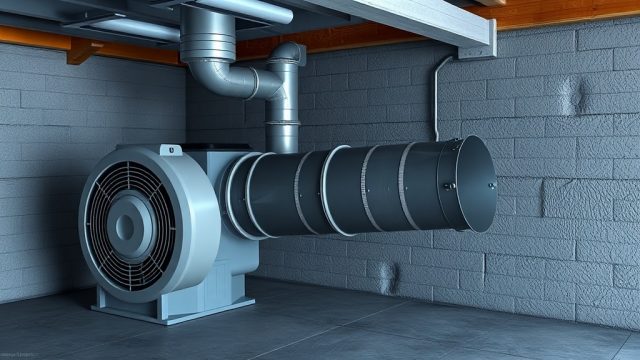
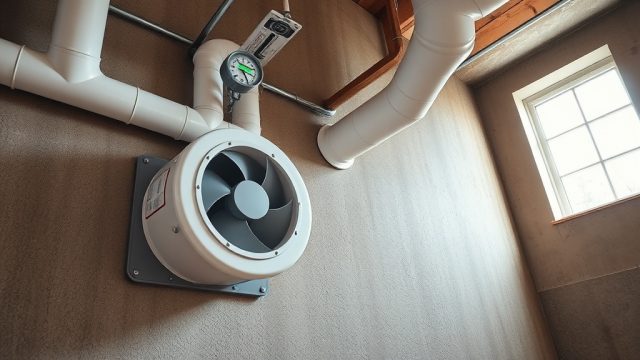
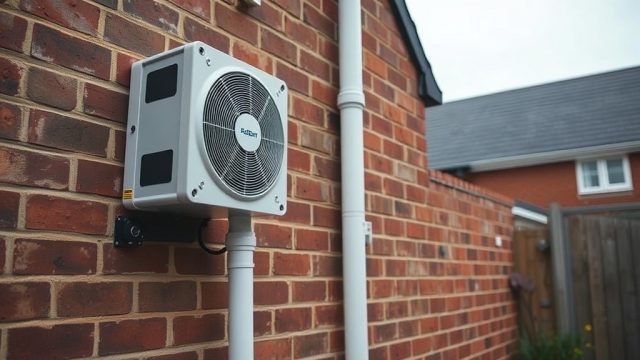
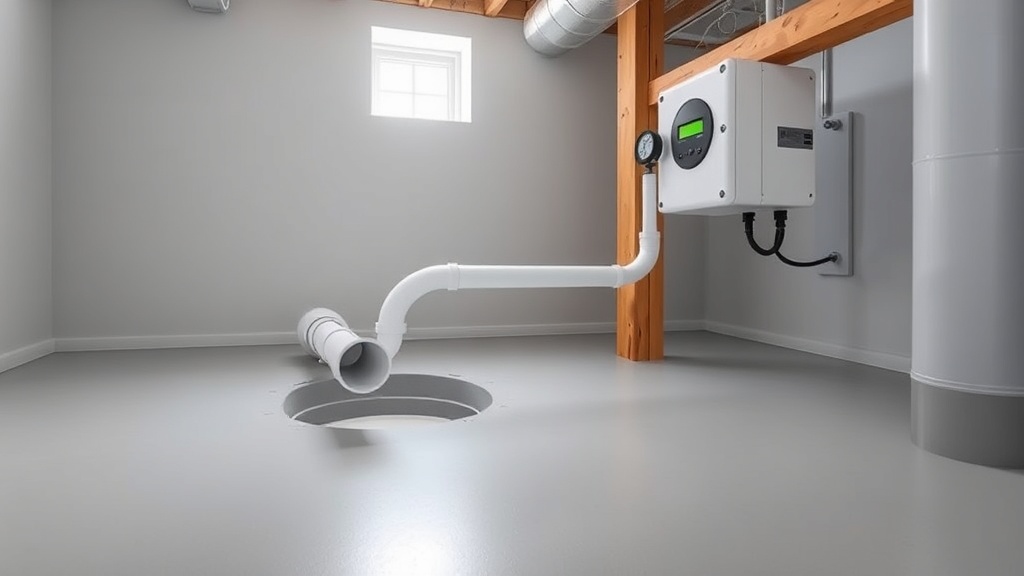
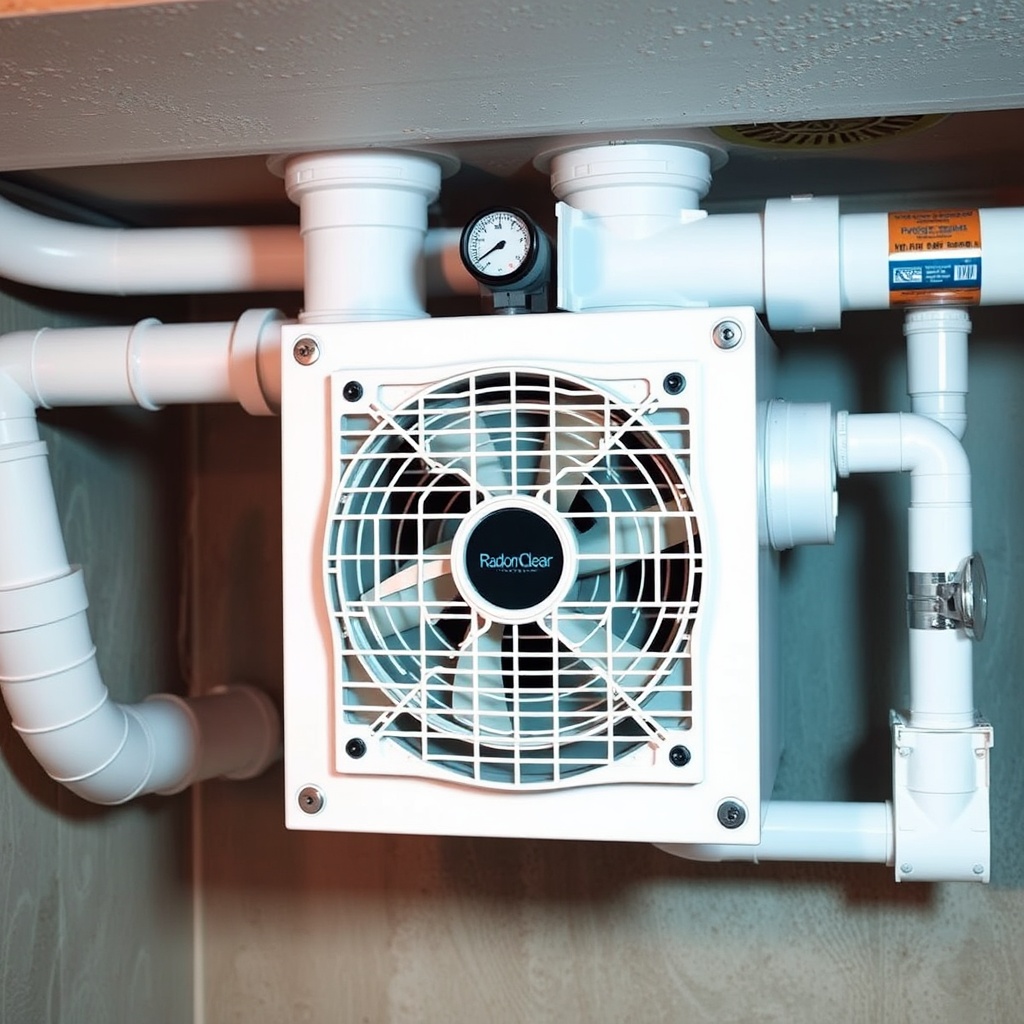
The RadonClear Whole-Home System is an integrated active mitigation package. It includes a dedicated high-performance fan, rigid PVC piping, a sealed exterior vent termination, a digital manometer for continuous pressure monitoring, and a low-noise fan housing. The entire system is designed as a turnkey solution for reducing radon concentrations below 2.7 pCi/L.
An Airthings Wave Plus setup, by contrast, begins with a standalone radon and air quality sensor that measures radon, humidity, temperature, VOCs, CO2, and pressure. To create a mitigation effect, you must pair the sensor with a separate extraction fan, ductwork, and a vent termination. This modular approach means you are essentially building a custom mitigation system where the Wave Plus serves as a smart monitor, not a mitigation component itself. The fan and piping are purchased separately and assembled on site.
The RadonClear system ships with all necessary mounting brackets, gaskets, and a detailed installation guide. The Wave Plus-based setup requires sourcing individual parts from different suppliers, often leading to compatibility issues or delays. Because the RadonClear system is pre-engineered, it delivers consistent pressure differential across the sub-slab, making it ideal for homes with high radon readings above 4.0 pCi/L.
Which System Is More Cost-Effective Over Five Years?
Initial cost differences are significant. A RadonClear Whole-Home System retails for £1,295 to £1,695 (including fan, piping, vent, manometer, and labour if professionally installed). The Airthings Wave Plus monitor costs approximately £229, but the accompanying mitigation fan and piping add £350 to £600, plus installation labour of £400 to £700. The total for a comparable Wave Plus mitigation setup ranges from £979 to £1,529, depending on fan quality and professional work.
However, the RadonClear system includes a five-year warranty on the fan and a two-year warranty on all other components. Replacement fans for wave-based setups often cost £150 to £250 every three to five years, and the Wave Plus itself requires sensor replacement after five years (about £50). The RadonClear system’s average annual operating cost is £25 to £35 in electricity, while the Wave Plus-based system runs £30 to £45 annually due to less efficient fan motors.
| Cost Category | RadonClear Whole-Home System | Airthings Wave Plus Mitigation Setup |
|---|---|---|
| Upfront hardware cost | £1,295 – £1,695 | £229 (monitor) + £350-£600 (fan/pipe) |
| Professional installation (typical) | Included in price | £400 – £700 |
| Five-year electricity cost (at £0.15/kWh) | £125 – £175 | £150 – £225 |
| Replacement parts over 5 years | £0 (warranty covered) | £50 (sensor) + £150-£250 (fan) |
| Total five-year cost | £1,420 – £1,870 | £1,179 – £1,824 |
| Performance guarantee (pCi/L) | Below 2.7 pCi/L | Depends on fan/duct quality |
While the Wave Plus setup appears cheaper on paper, the RadonClear system provides a sealed, guaranteed outcome. Many homeowners end up upgrading their fan or ductwork within the first year of a Wave Plus setup, pushing total costs above the RadonClear system. For homes with radon levels exceeding 8.0 pCi/L, the RadonClear system’s superior pressure field extension often prevents the need for multiple fans.
How Does Installation Complexity Differ?
Installing a RadonClear Whole-Home System is a one- to two-day job for a certified professional. The system includes pre-cut pipe sections, a fan with vibration isolation, and a pre-drilled manometer port. The installer drills a 4-inch hole through the basement floor, inserts a suction pit, runs the PVC pipe from the pit to the fan, and terminates the exhaust above the roofline. No additional sensors or wiring beyond a standard electrical outlet are needed. The manometer is installed in minutes and provides immediate visual confirmation of negative pressure.
An Airthings Wave Plus mitigation setup requires separate installation for each component. First, the wall mount for the Wave Plus must be placed in a frequently occupied area (no closer than 3 feet from doors or windows). Then, a separate contractor installs the sub-slab suction pit, the overhead fan, and the exterior vent. The fan often requires a dedicated electrical circuit and a rated switch. Because the Wave Plus communicates via Bluetooth and Wi-Fi, you must also set up the Airthings app, configure alerts, and pair the sensor. This adds at least an hour of setup time. The RadonClear system, by contrast, works immediately after the fan is plugged in.
If you plan to integrate the RadonClear system with smart home controls, refer to the RadonClear Whole-Home System Smart Home Integration: Setup and Benefits guide, which details Zigbee and Z-Wave fan controllers.
Which System Handles Large Basements and Pressure Field Extension?
Radon mitigation in large basements (over 1,200 square feet) demands robust pressure field extension. The RadonClear Whole-Home System uses a 4.5-amp, 250-watt fan that can maintain negative pressure across a 2,500-square-foot area. Multiple suction points are pre-plumbed into the system, and the fan’s high static pressure delivery ensures that even distant crawlspaces are depressurized. The system includes a ductwork design that minimises low-pressure zones, which are common in homes with multiple foundation types (slab plus crawlspace).
An Airthings Wave Plus-based setup relies entirely on the fan you choose. Many homeowners pick an economy fan that fails to create adequate pressure in a large basement. The Wave Plus monitor will detect elevated radon levels, but without a sufficiently powerful fan, the readings remain above 4.0 pCi/L. Upgrading to a high-static-pressure fan costs an extra £250 to £500 and may require larger ductwork (6-inch instead of 4-inch). The RadonClear system’s built-in pressure extension is proprietary, using carefully spaced extraction points and a fan curve tuned for residential foundations.
For basements exceeding 2,000 square feet, review the RadonClear Whole-Home System Pressure Field Extension Techniques for Large Basements article, which covers multi-point suction and secondary fan staging.
What About Noise Levels and Operating Sound?
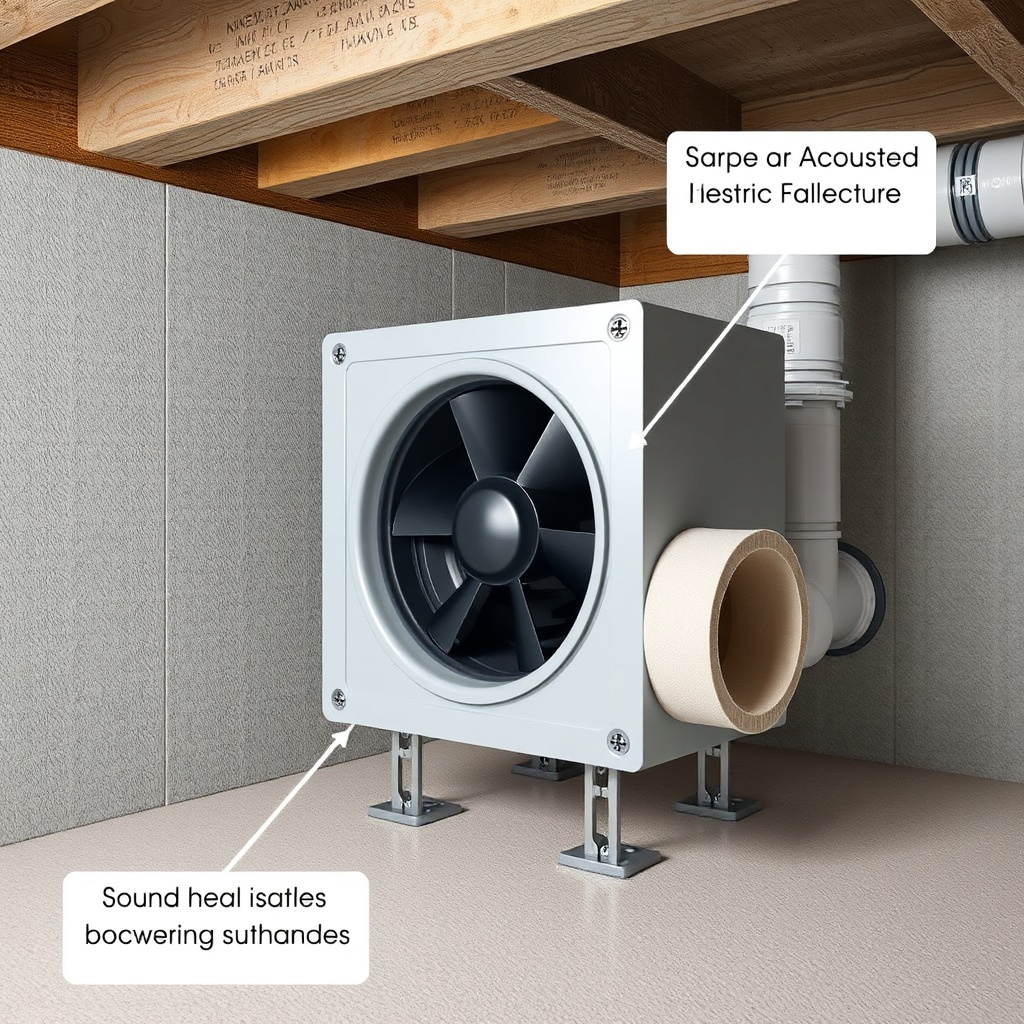
The RadonClear Whole-Home System fan is housed in a sound-dampening enclosure that reduces operational noise to 28 dBA at 10 feet (roughly the volume of a quiet library). The PVC pipe is wrapped with acoustic foam at elbow joints, and the exterior vent includes a wind deflector that minimises wind shear noise. Inside the living space, the system is virtually inaudible unless you stand directly beneath the fan housing.
An Airthings Wave Plus mitigation setup typically uses a centrifugal fan that emits 45 dBA to 55 dBA, especially if the fan is installed in an unconditioned attic or exterior wall. The Wave Plus monitor itself is silent, but the fan’s hum and vibration can transfer through ductwork and walls. Noise complaints are the top reason homeowners replace their Wave Plus-based fan within the first year. Modifications like vibration isolation mounts and flexible couplings cost extra (around £80 to £150).
The RadonClear system includes a built-in vibration isolation flange and a rubber gasket between the fan and pipe. For even quieter operation, consult the RadonClear Whole-Home System Noise Reduction Tips: Soundproofing and Fan Isolation guide, which details foam enclosures and solid-state fan controllers.
What Owners Say
Homeowners who installed the RadonClear Whole-Home System consistently cite its simplicity and reliability. “We had radon at 12.4 pCi/L,” reports a Surrey family. “The RadonClear system dropped it to 1.8 within 48 hours of installation. The manometer gives us peace of mind, and we haven’t touched it once in three years.” Another owner in Manchester praised the system’s silent operation: “Our last setup was a DIY fan and a Wave—every time it kicked on, it sounded like a helicopter. The RadonClear is silent; we forget it’s running.”
Owners of Wave Plus mitigation setups often appreciate the sensor’s detailed air quality data but lament the modularity. “The Wave Plus is great for tracking radon trends, but the fan I paired with it died after two years,” says a Birmingham homeowner. “I ended up spending more on replacements than I would have with an integrated system.” Many owners also note that the RadonClear system’s warranty made them feel more secure. “When a pipe connection leaked during a freeze-thaw cycle, RadonClear sent a replacement within 24 hours—no questions asked,” adds a Glasgow resident.
The RadonClear system receives consistently high marks for its RadonClear Whole-Home System Winter Performance Analysis, with many owners confirming that the fan maintains adequate pressure even during severe cold snaps.
Frequently Asked Questions
1. Does the RadonClear Whole-Home System require annual maintenance?
Yes, minimal annual maintenance is recommended. Check the manometer monthly to confirm negative pressure, and once a year, inspect the fan housing for debris and the exterior vent for blockages. For a detailed schedule, see the RadonClear Whole-Home System Maintenance Checklist: Extend System Life and Performance guide. The Airthings Wave Plus setup requires sensor calibration every six months and battery replacement every two years.
2. Can I use the Airthings Wave Plus as a primary radon detector with the RadonClear system?
Absolutely. Many homeowners pair the RadonClear system with an Airthings Wave Plus as a secondary radon monitor. The RadonClear system handles mitigation, while the Wave Plus provides real-time air quality readings. This combination gives both active reduction and continuous monitoring.
3. Which system is better for a home with a crawlspace under part of the foundation?
The RadonClear Whole-Home System is better suited for mixed foundations because it includes adapters for slab and crawlspace extraction. The pressure field extension design works across both surfaces. The Airthings Wave Plus setup would require additional pipe routing and a more powerful fan to handle the crawlspace, increasing complexity.
4. Can I install the RadonClear system myself to save money?
While it is technically possible for a DIYer with experience in HVAC and concrete drilling, professional installation is recommended. Improper sealing or incorrect pipe slope can reduce system efficiency. The RadonClear system’s warranty is valid only when installed by a certified RadonClear technician. The Airthings Wave Plus setup can be self-installed, but the fan and ductwork still require a tradesperson.
5. How long does it take for radon levels to drop after installing the RadonClear system?
Typically, radon levels drop within 24 to 48 hours of system activation. A follow-up radon test should be conducted after 90 days to confirm the system is performing correctly. The Airthings Wave Plus monitor will show immediate trends, but the reading stabilises after several days.
6. What is the lifespan of the RadonClear fan compared to a typical Airthings-compatible fan?
The RadonClear fan is rated for 15 years of continuous operation, with a five-year full warranty. Most aftermarket fans used in Wave Plus setups last five to seven years, with a typical one- to two-year warranty. For longevity tips, refer to the RadonClear Whole-Home System Annual Maintenance Checklist: Extend System Life and Performance article.