RadonClear Whole-Home System: Sub-Slab vs Crawl Space Installation — Which Is Right for Your Property?
Choosing the optimal placement for a RadonClear Whole-Home System is the single most important decision for long-term radon reduction. Sub-slab depressurization (SSD) and crawl space depressurization (CSD) differ fundamentally in cost, complexity, and performance. This guide compares both methods across real-world metrics, helping homeowners across the UK and Ireland decide the best route for their foundation type.
What Makes Sub-Slab Installation the Default Choice for Most Homes?
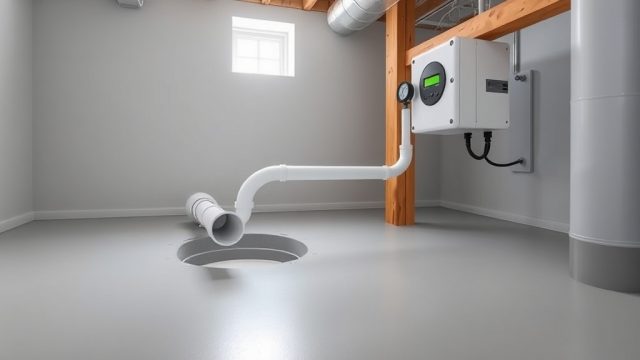
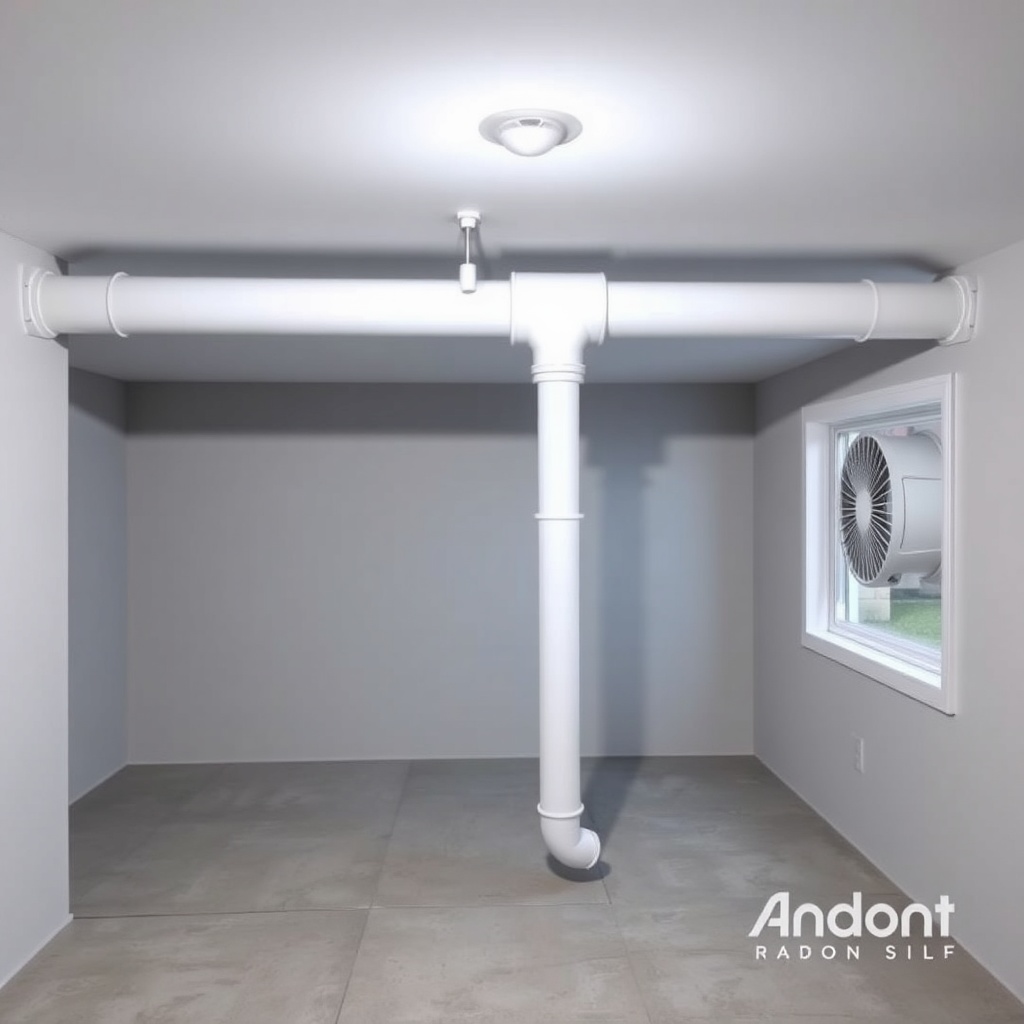
Sub-slab installation involves drilling one or more suction points through a concrete floor slab into the gravel or soil beneath. A RadonClear fan creates negative pressure under the slab, drawing radon-laden soil gas away before it can enter the living space. This method is widely considered the gold standard for homes with a full basement or slab-on-grade foundation.
Key advantages include:
- Consistent negative pressure field extension: With proper sealing of cracks and joints, a single suction point can cover up to 150–200 m² of slab area, depending on soil permeability.
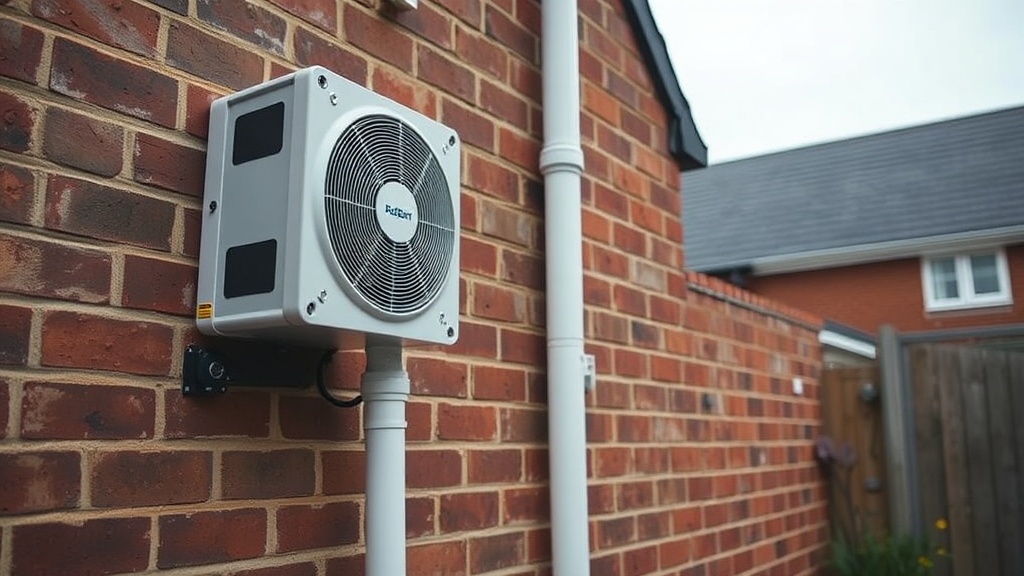
- Minimal visual impact: The fan unit and vent pipe are typically routed externally or through an attached garage, keeping the interior untouched.
- Proven high reduction rates: RadonClear systems achieve a 95–99% reduction in indoor radon levels when installed on a well-sealed slab, often dropping from 400 Bq/m³ to below the UK action level of 200 Bq/m³.
- Durability: Below-grade piping and sealed penetrations resist moisture and frost heave better than crawl space alternatives.
However, sub-slab installations require a competent concrete core drill, access to the slab perimeter, and potentially multiple suction points for large or irregularly shaped foundations. The average installation cost in London and the Home Counties ranges from £1,200 to £2,500, including the RadonClear fan unit, piping, and electrical work.
Disadvantages to consider:
- Higher upfront material cost: Drilling through reinforced concrete may require diamond core bits; patching the slab adds another £100–£200.
- Not feasible on unsealed slabs: If the floor has major cracks or missing vapor barriers, the system may pull air from above rather than from the soil, reducing efficiency.
- Potential for water intrusion: In high water table areas, a sub-slab suction point can inadvertently draw groundwater if not properly installed with a sump or drainage provision.
How Does Crawl Space Installation Compare in Terms of Performance and Cost?
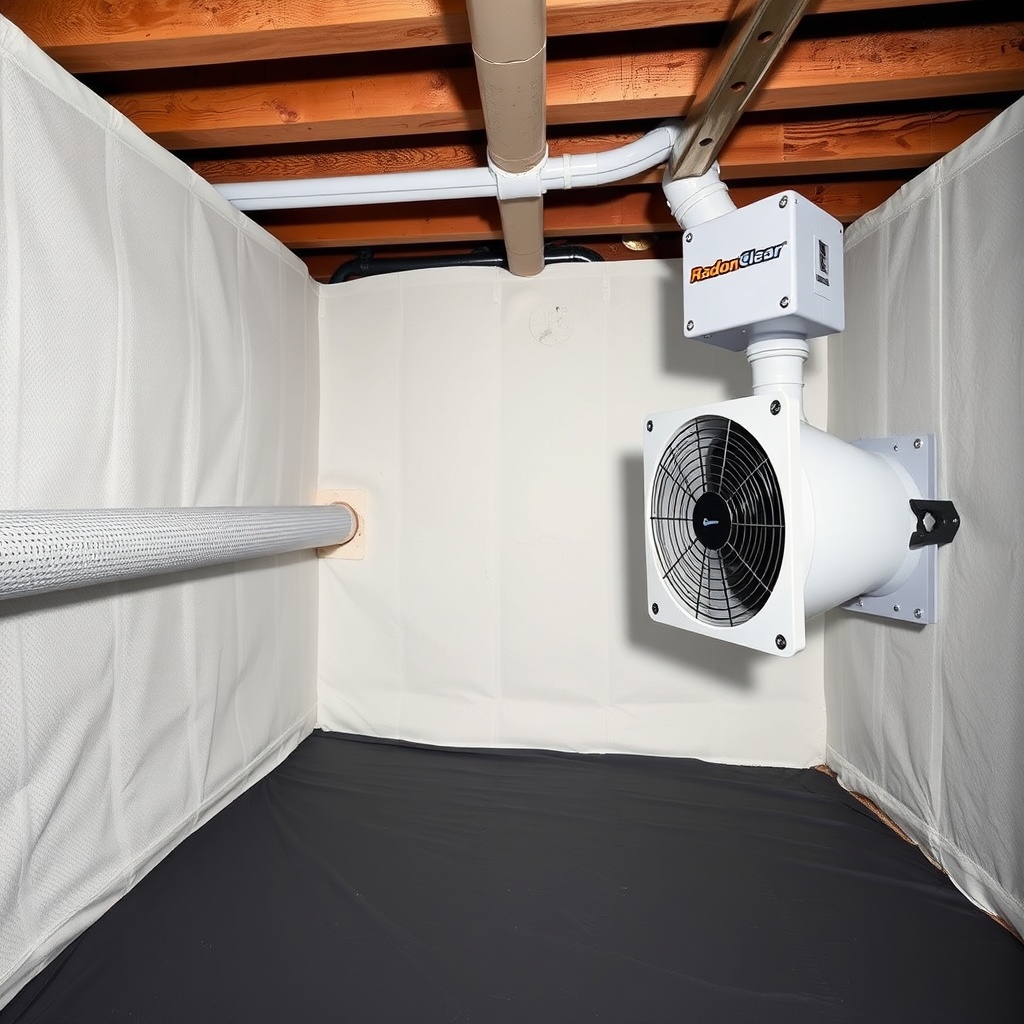
Crawl space depressurization (CSD) targets the air volume within the crawl space rather than the soil directly beneath. A RadonClear fan is connected to a sealed liner on the crawl space floor, or to a network of perforated pipes laid on a vapor barrier. The fan evacuates air from the crawl space, creating a negative pressure that draws soil gas out of the ground and away from the building.
This approach is essential for homes built on crawl spaces—common in older UK properties and some new-builds in the Midlands and Scotland. It accommodates irregular foundation shapes, plumbing, and ductwork that would make sub-slab access difficult.
Advantages of crawl space installation:
- Accessibility: No concrete drilling needed. Pipes and fans can be installed without heavy tools or structural modifications.
- Lower material barriers: A roll of 6-mil polyethylene vapour barrier and a few lengths of 4-inch perforated pipe cost less than £300.
- Flexibility for retrofits: Existing vapour barriers can be patched or replaced without disturbing the main floor.
- Enhanced overall IAQ: CSD also reduces crawl space humidity, mould, and musty odours, benefiting the entire home.
Drawbacks of CSD:
- Less consistent vacuum distribution: A single fan may struggle to pull an even negative pressure across a large crawl space with multiple compartments or obstructions.
- Higher fan power requirement: To compensate for leaks through vents and gaps, the RadonClear fan may need to run at a higher speed—potentially raising energy consumption by 10–15% compared to SSD.
- Visual and access issues: The fan unit must be installed outdoors or in a ventilated area, often at ground level, where it can be exposed to weather or accidental damage.
Crawl space installations typically cost £800–£1,800, making them more affordable for homes without a concrete slab. However, ongoing operating costs can be slightly higher due to increased fan runtime.
What Do the Technical Specifications Reveal About Each Approach?
The following table compares critical performance metrics for the RadonClear Whole-Home System when configured for sub-slab versus crawl space installation under standard UK residential conditions.
| Metric | Sub-Slab (SSD) | Crawl Space (CSD) |
|---|---|---|
| Typical radon reduction (initial) | 95–99% | 85–95% |
| Max coverage area per suction point | 150–200 m² (slab) | 50–100 m² (crawl space) |
| Fan static pressure (average) | 1.0–1.5 inches w.c. | 1.5–2.5 inches w.c. |
| Annual energy cost (fan + monitoring) | £35–£55 | £45–£70 |
| Installation complexity (1–5, 5=hardest) | 4 | 3 |
| Average installation cost (UK, 2025) | £1,200–£2,500 | £800–£1,800 |
| Typical setup time (hours, DIY) | 8–12 | 6–10 |
| Vapour barrier requirement | Not required (slab acts as barrier) | Required (≥6-mil polyethylene) |
| Best suited for | Concrete slab, full basement | Crawl space, pier-and-beam |
What Practical Factors Should a Homeowner Consider Before Deciding?
Beyond raw performance data, a few site-specific conditions often tip the balance. For sub-slab installations, the single most critical factor is the presence of a competent vapour barrier or sealing layer above the soil. Many older UK homes have a concrete slab poured directly onto earth with no vapour barrier. In such cases, the system may pull more air from inside the home than from the soil, creating a chimney effect that actually worsens radon levels. A sub-slab system on an unsealed slab can result in negative indoor pressure, pulling in more radon from other pathways.
Conversely, crawl space installations are more forgiving of initial moisture issues. A RadonClear fan running continuously in a sealed crawl space will depressurize the cavity, but care must be taken to ensure the vapour barrier is continuous and sealed at all edges. In the UK, RadonClear Whole-Home System Soundproofing: Fan Isolation Techniques for Quiet Operation explains how to mount the fan on vibration isolation brackets to prevent noise transfer through wooden floor joists—especially important when the fan is located near a bedroom or living area.
Another practical factor is winter performance. Cold outdoor air can cause condensation in the vent pipe if the fan is not insulated, especially in sub-slab systems where the pipe exits the heated envelope. For detailed guidance, read RadonClear Whole-Home System Winter Performance Analysis, which covers insulated risers, condensate drains, and fan speed adjustments for freezing conditions.
How Does the RadonClear System Integrate with Monitoring and Ventilation for Maximum Protection?
Regardless of whether you choose sub-slab or crawl space, the RadonClear Whole-Home System pairs naturally with continuous radon monitoring and mechanical ventilation. RadonClear Whole-Home System vs Airthings Wave Plus Monitoring Setup Guide provides a step-by-step comparison of the built-in sensor versus third-party monitors. For homeowners who also wish to improve air exchange without losing conditioned air, RadonClear Whole-Home System Heat Recovery Ventilator Integration: Benefits and Setup Tips explains how to connect an HRV to the main radon fan exhaust—a strategy that reduces energy waste while maintaining negative pressure.
In basements where airflow is restricted by partitions or stairs, RadonClear Whole-Home System Airflow Optimization for Basements: Boost Efficiency details methods such as installing a secondary suction point or using a balancing damper to ensure even vacuum across all zones.
What Owners Say About RadonClear Sub-Slab and Crawl Space Installations
Homeowners consistently highlight three themes. First, sub-slab users appreciate the near-invisible installation—the pipe tucks neatly behind a cupboard or runs along an exterior wall, and interior radon readings drop from 380–450 Bq/m³ to below 50 Bq/m³ within 48 hours. Second, crawl space owners note that while the radon reduction percentage is slightly lower, the added benefit of reduced humidity and fresher-smelling rooms makes the system worthwhile. Third, both groups emphasise the importance of professional commissioning; a poorly sealed crawl space liner can cause the fan to run continuously without achieving target levels.
Frequently Asked Questions
1. Can I switch from a crawl space installation to sub-slab later?
Yes, but it requires abandoning the crawl space liner and drilling through the slab, which adds another £600–£1,200 in labour. It’s more cost-effective to choose the correct method initially.
2. Does the RadonClear Whole-Home System require ongoing maintenance for either installation type?
Minimal. Both types need an annual visual check of the fan unit and pipe seals. Crawl space liners should be inspected for tears or rodent damage every six months. The fan bearings are sealed and rated for 10+ years.
3. Which installation is more energy efficient: sub-slab or crawl space?
Sub-slab systems are typically 10–20% more energy efficient because they operate at lower static pressure and the fan runs less time to achieve target vacuum. Crawl space systems may use a larger fan or higher speed, increasing annual energy cost to £45–£70.
4. Will either installation method void my home’s structural warranty?
Not if performed by a RadonClear certified installer. Sub-slab core drilling may require structural engineer approval for post-tension slabs. Crawl space work rarely affects structural elements. Always check your warranty terms first.
5. How long does a typical RadonClear sub-slab installation take?
A professional team completes a sub-slab installation in 4–8 hours, including drilling, pipe routing, fan mounting, and system testing. Crawl space installations take 6–10 hours, primarily due to vapour barrier fitting and sealing.
6. Can I install the system myself to save money?
The RadonClear Whole-Home System is DIY-friendly for experienced homeowners. However, improper slab sealing or liner placement can reduce effectiveness. Many homeowners opt for professional installation to guarantee a warranty and radon reduction certificate for property resale.