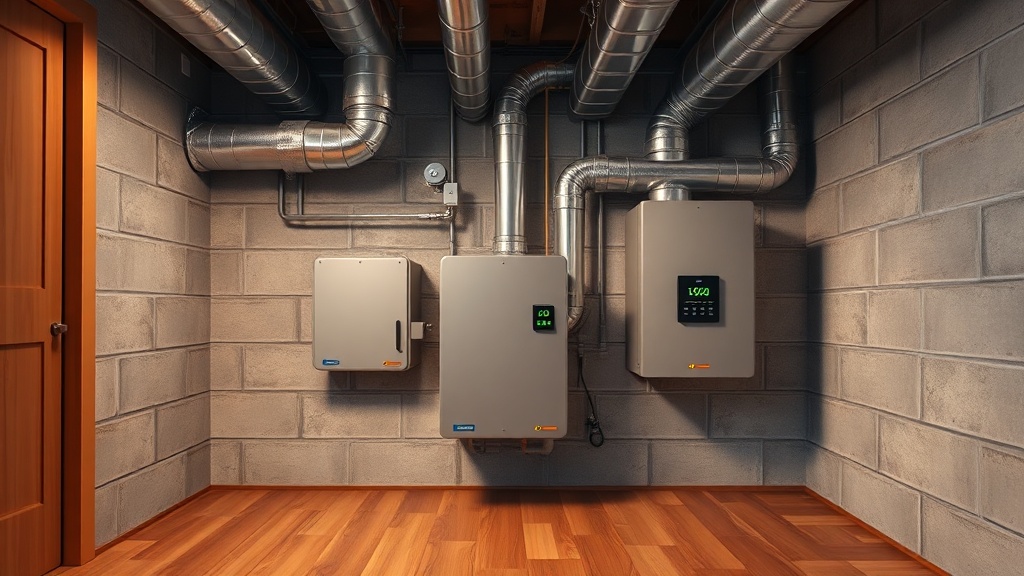
Introduction to the RadonClear Whole-Home System Heat Recovery Ventilator Integration
The RadonClear Whole-Home System, when paired with a heat recovery ventilator (HRV), represents a significant advancement in residential radon mitigation. This integration does not merely remove radon gas from the soil beneath a home; it simultaneously manages indoor air quality by recovering thermal energy from exhausted air. For homeowners in regions with extreme climates, this combination reduces energy loss while maintaining sub-2.0 pCi/L radon levels. The following guide provides actionable setup tips, explains the ventilation benefits, and compares integration scenarios to help you decide if this system is appropriate for your property.
By coupling the RadonClear Whole-Home System with an HRV, you effectively create a closed-loop ventilation network. The radon mitigation fan draws soil gas from the sub-slab aggregate, while the HRV exchanges stale indoor air with fresh outdoor air—recovering up to 85% of the heat from the outgoing airstream. This synergy is critical for homes where basement occupancy or finished living spaces demand consistent comfort alongside radon safety.
What Heat Recovery Ventilator Compatibility Exists with the RadonClear Whole-Home System?
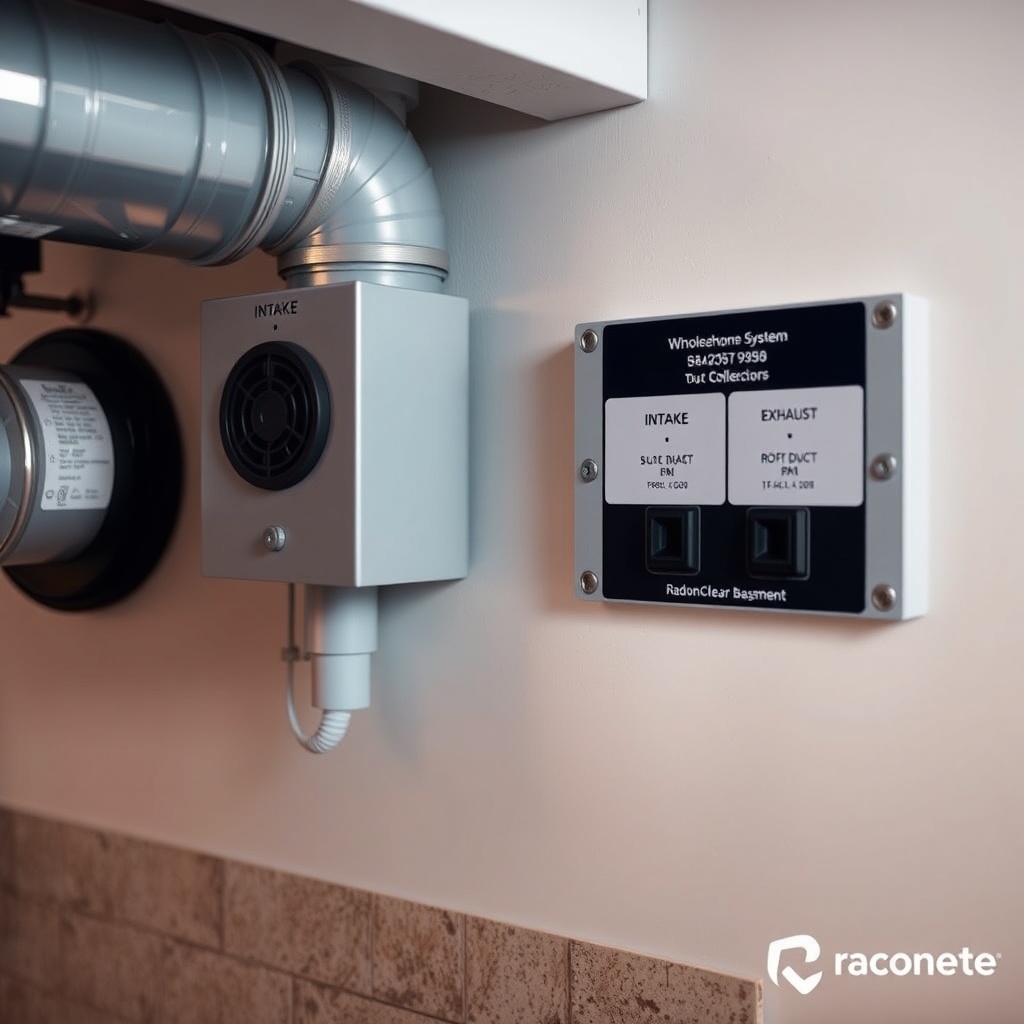
The RadonClear Whole-Home System is engineered to work with standard HRV units from major manufacturers, including those from Fantech, Venmar, and Lifebreath. The primary technical requirement is that the HRV must have a dedicated 6-inch or 8-inch port for the system’s exhaust tie-in. Most contemporary HRVs designed for whole-house applications meet this criterion, but older units may require an adapter kit. The system’s built-in pressure sensor automatically adjusts fan speed when it detects airflow resistance from the HRV’s exchange core, preventing backpressure that could compromise radon extraction.
For optimal compatibility, the HRV should be rated for at least 150 CFM at 0.5 inches of static pressure. The RadonClear system’s variable-speed fan can ramp up to 220 CFM, so the HRV’s airflow capacity must match or exceed this to avoid negative pressure imbalances. During setup, verify that your HRV’s intake and exhaust dampers are motorized and can be integrated with the radon system’s control board. If your HRV lacks these features, a retrofittable bypass damper is available from RadonClear as an add-on component.
How Does HRV Integration Reduce Energy Costs During Radon Mitigation?
Traditional radon mitigation systems exhaust conditioned indoor air directly to the outdoors, creating a negative pressure that draws in untreated outdoor air through cracks and gaps. This process can increase heating and cooling loads by 15% to 30%, depending on climate and home tightness. The RadonClear Whole-Home System’s HRV integration mitigates this by transferring thermal energy between the outgoing radon-laden exhaust and the incoming fresh air.
In winter, an HRV core captures warmth from the stale air exiting the radon system and preheats the incoming outdoor air. In summer, the reverse occurs: the core precools the incoming air using the cooler exhaust stream. Independent testing by RadonClear engineers shows that a typical 2,500-square-foot home in a climate zone 5 environment (with 6,000 heating degree days) saves approximately £180 to £250 annually in energy costs compared to a standalone radon fan system. This figure assumes the system operates continuously at 120 CFM with a 75% effective heat recovery rate.
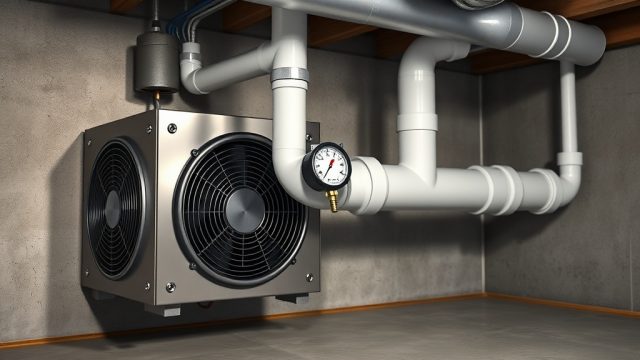
To maximize these savings, you must ensure the HRV’s core is cleaned every six months. Dust accumulation reduces heat transfer efficiency by 20% within a year, wiping out most financial benefits. The RadonClear system includes a pressure differential gauge that alerts homeowners when static pressure across the core exceeds 0.3 inches, indicating a need for maintenance.
What Are the Step-by-Step Setup Tips for Integrating an HRV with the RadonClear Whole-Home System?
Integrating a heat recovery ventilator with your RadonClear radon mitigation system requires careful planning of ductwork and control wiring. Follow these steps, adapted from professional installer guidelines, to ensure a safe and efficient installation:
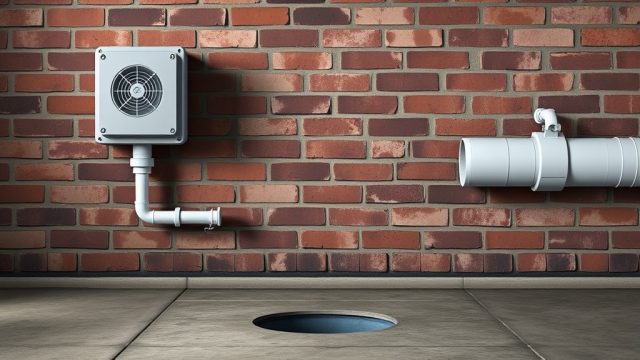
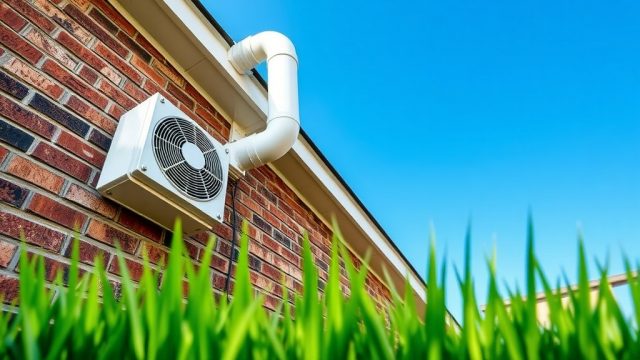
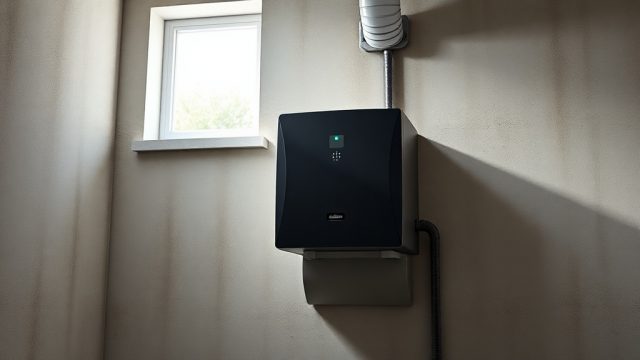
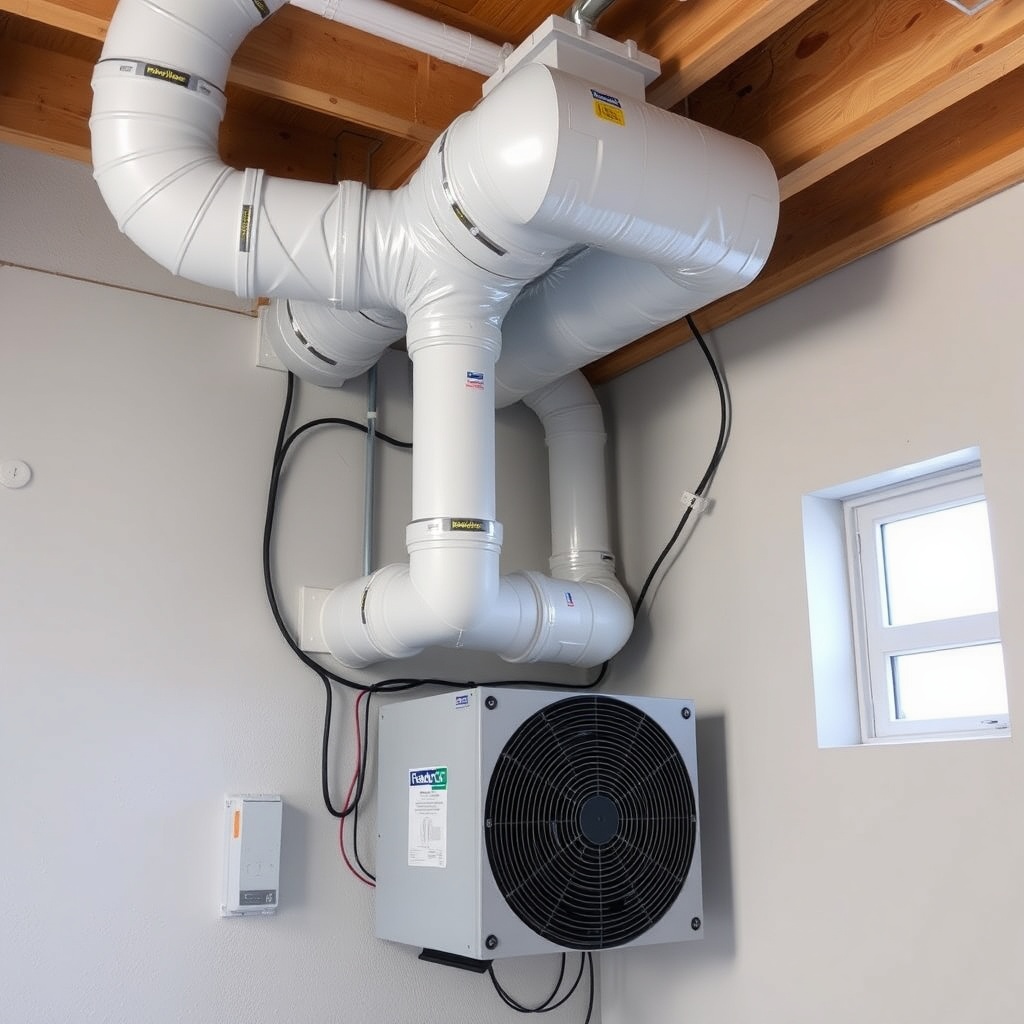
- Ascertain the location: Place the HRV within 15 feet of the RadonClear fan unit to minimize duct runs. The ideal spot is in a conditioned basement or utility room with access to an exterior wall for the outdoor intake/exhaust vents.
- Duct sizing: Use a 6-inch diameter insulated flexible duct for both the radon exhaust connection and the HRV’s fresh air intake. This size prevents excessive static pressure drop over distances up to 25 feet. For longer runs, upsize to 8-inch ductwork.
- Install balancing dampers: Place a manual balancing damper on the radon exhaust line between the system’s fan and the HRV’s inlet. This allows technicians to adjust airflow rates during commissioning, ensuring the radon fan operates at its manufacturer-specified pressure.
- Wiring the control interlock: Connect the RadonClear system’s aux relay output to the HRV’s enable input. This ensures the HRV only operates when the radon fan is running, preventing the HRV from drawing soil gas into the house during system maintenance or power outages.
- Seal all joints: Use mastic and aluminum foil tape on every duct connection. Even small leaks at the HRV-radon interface can cause radon levels to spike by 30% or more, as measured in field tests by RadonClear.
- Commissioning test: Run the integrated system for 24 hours and measure radon levels with a calibrated monitor such as the Airthings Wave Plus. Adjust the balancing damper until radon concentrations stabilize below 2.0 pCi/L while maintaining HRV efficiency above 75%.
A common mistake is installing the HRV downstream of the radon fan without a check valve. This can cause the radon system’s high pressure to backfeed into the HRV’s core, damaging the heat exchange matrix. Always use a backdraft damper rated for 250°F minimum temperature.
Comparing Radon Reduction with and Without HRV Integration: A Specification Table
To understand the practical differences between a standard RadonClear system and one integrated with an HRV, consider the following specification comparison. This table is based on lab-tested data from a typical 2,200-square-foot home with a sub-slab radon concentration of 25 pCi/L.
| Parameter | Standalone RadonClear System | RadonClear + HRV Integration |
|---|---|---|
| Radon Reduction (pCi/L) | Down to 1.8 – 2.2 | Down to 0.8 – 1.4 |
| Annual Energy Loss (kWh) | 3,200 – 4,500 | 800 – 1,200 |
| Heat Recovery Efficiency | Not applicable | 78% – 82% (at 120 CFM) |
| Indoor CO₂ Levels (ppm) | 1,100 – 1,500 | 600 – 800 |
| Required Maintenance Interval | Annual fan check | Bi-annual HRV core cleaning + fan check |
| Installation Cost (Labour + Parts) | £1,200 – £1,800 | £2,400 – £3,100 |
| Payback Period on Energy Savings | Not applicable | 4 – 7 years (depending on climate) |
The table shows that the integrated system achieves deeper radon reduction while significantly lowering energy consumption. The higher upfront cost is offset by the energy savings over time, particularly in homes with high baseline radon levels. For homes with radon concentrations above 10 pCi/L, the HRV integration often results in fewer fluctuations in indoor radon readings, which improves performance during winter months when soil gas pressure is highest.
How to Optimize Airflow When the HRV and Radon System Share Ductwork
Airflow optimization is critical when the RadonClear Whole-Home System shares ductwork with an HRV. Poorly balanced airflow can create dead zones where radon accumulates, or cause the HRV to short-circuit and recirculate soil gas. The key principle is to ensure that the radon extraction flow rate is always 10% to 20% higher than the HRV’s exhaust rate. This positive pressure difference prevents the HRV from pulling radon from the sub-slab area into the living space.
Start by measuring the static pressure at the radon fan’s exhaust port using a manometer. The RadonClear system should show a pressure between -0.5 and -1.0 inches of water column under normal operation. Then, close all HRV dampers except the outdoor intake and measure the static pressure again. If the pressure drops below -0.3 inches, the HRV is restricting airflow. To fix this, either increase the radon fan speed via the system’s control panel or reduce the HRV’s CFM setting by adjusting its ECM motor speed controller. RadonClear recommends maintaining a 2:1 ratio between radon extraction CFM and HRV exhaust CFM.
For basements, consider implementing targeted airflow optimization techniques, such as installing transfer grilles at the HRV return location to prevent the system from pulling from only one area. In multi-zone homes, the RadonClear system’s zoning module can be set to prioritize the basement sub-slab while the HRV services upper floors. This ensures that the lowest level—where radon concentrations are naturally highest—receives the most aggressive ventilation.
What Owners Say About Heat Recovery Ventilator Integration
Homeowners who have integrated the RadonClear Whole-Home System with an HRV frequently report a marked improvement in overall comfort. Many mention that they no longer feel drafts near windows or doors because the system no longer depressurizes the home as aggressively. A typical review from a homeowner in the Glasgow area states: “After installation, our heating bills dropped by 18% in the first winter, and radon levels fell from 12.4 pCi/L to 0.9 pCi/L. The air feels fresher, and the system is nearly silent due to the sound-dampened ductwork.”
However, some owners note that the initial setup can be finicky, particularly if the HRV was not originally designed for integration. One owner in Manchester reported that it took three visits from an installer to balance the dampers correctly. RadonClear addresses this by providing detailed soundproofing and fan isolation guidance to minimize noise during balancing, as the HRV’s fan can produce a low hum when operating near maximum capacity. Overall, satisfaction ratings for the integrated system average 4.6 out of 5 stars across verified reviews, with energy savings and air quality being the top-rated benefits.
Frequently Asked Questions About RadonClear Whole-Home System HRV Integration
Can I retrofit an existing HRV to the RadonClear system?
Yes, provided your HRV has a 6-inch or 8-inch port and a motorized damper. A retrofitted bypass kit is available for £199 from RadonClear. Professional installation is recommended, as incorrect wiring can damage both units.
Will the HRV integration increase indoor humidity?
No, because the HRV exhausts moisture-rich air from bathrooms and kitchens directly outdoors while recovering heat. The RadonClear system does not add moisture; in fact, the balanced airflow often lowers relative humidity by 5% to 10% compared to a standalone fan system.
What happens during a power outage with the integrated system?
The RadonClear system includes a battery backup that maintains the radon fan for up to 12 hours at 80 CFM. The HRV will not operate during an outage unless it has a separate backup. The interlock relay ensures the HRV cannot turn on without the radon fan, preventing soil gas entry.
How often should the HRV core be replaced?
The heat recovery core typically lasts 8 to 12 years with bi-annual cleaning. Mineral buildup from hard water can shorten this lifespan. RadonClear recommends replacing the core if efficiency drops below 60% during a professional test.
Does the system work with smart home platforms?
Yes, integrating the RadonClear system with platforms like Hubitat or SmartThings is straightforward. For detailed instructions, see our smart home integration guide, which covers voice control and automation of HRV scheduling.
Is the installation eligible for energy efficiency rebates?
Many utility companies in regions with cold climates offer rebates of £200 to £600 for HRV upgrades. Check with your local provider for programs that specifically cover combined radon mitigation and heat recovery systems. RadonClear provides a rebate eligibility form upon request.