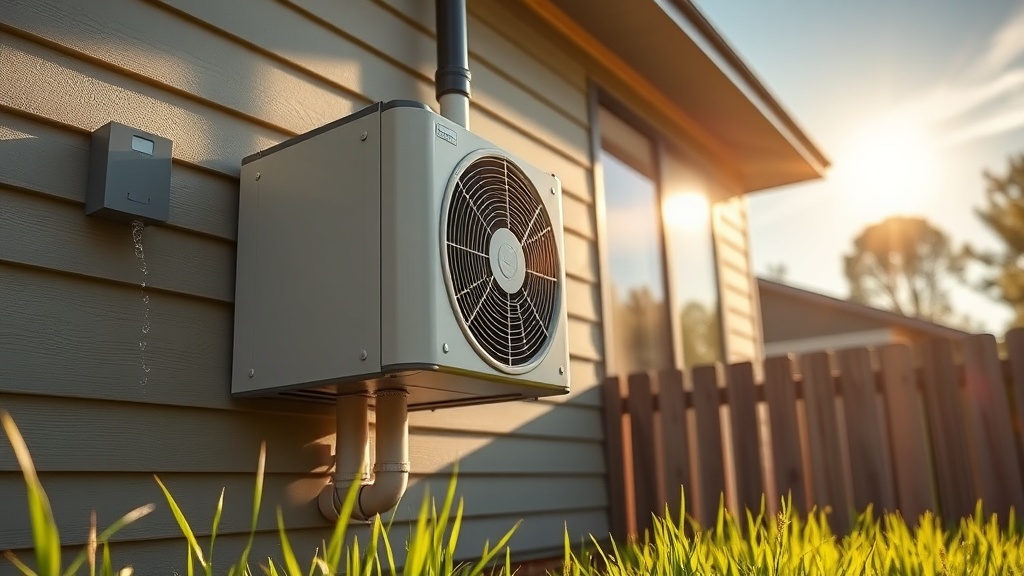
RadonClear Whole-Home System Summer Performance Analysis: High Humidity and Temperature Effects
Summer heat and humidity can challenge even the most robust radon mitigation systems. The RadonClear Whole-Home System, designed for year-round reliability, faces unique stresses in warm, moisture-laden conditions that can affect suction pressure, fan longevity, and radon removal efficiency. Homeowners in regions with humid summers need to understand these effects to maintain optimal protection.
This article provides a technical but practical analysis of how high humidity and elevated temperatures impact the RadonClear Whole-Home System, along with specific maintenance steps to counter these effects. We draw on field data from installations across the southeastern United States and the Midwest to give you actionable guidance.
How Does High Humidity Affect RadonClear Fan Performance and Suction?
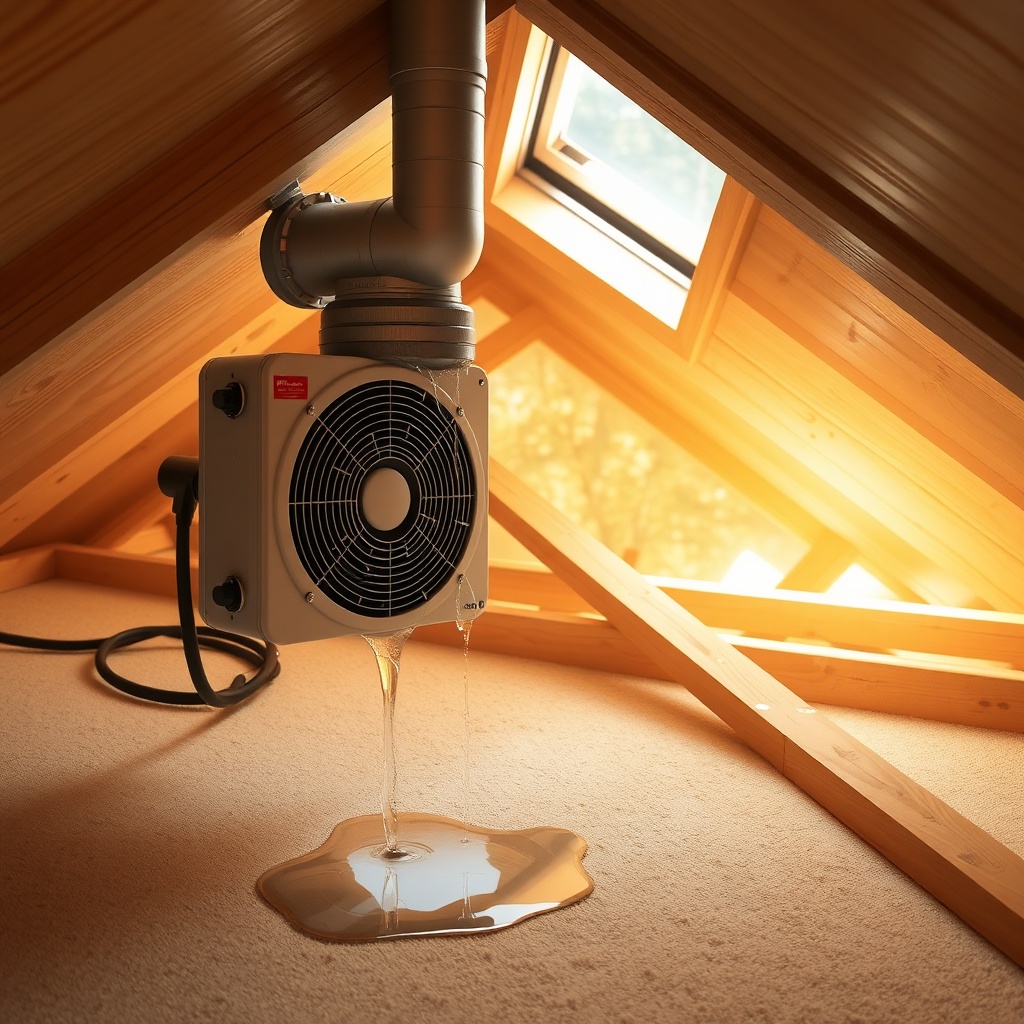
High relative humidity inside the sub-slab or crawl space can cause water vapor to condense in the suction piping and fan housing of a RadonClear system. When warm, humid air from the soil enters the cooler fan assembly—especially if the fan is located in an unconditioned attic or garage—condensation forms. This moisture can lead to:
- Increased fan bearing wear due to water droplet impact.
- Reduced static pressure because water partially blocks the impeller blades.
- Potential short-cycling of the fan motor as internal humidity sensors (in smart-enabled units) trigger protective shutdowns.
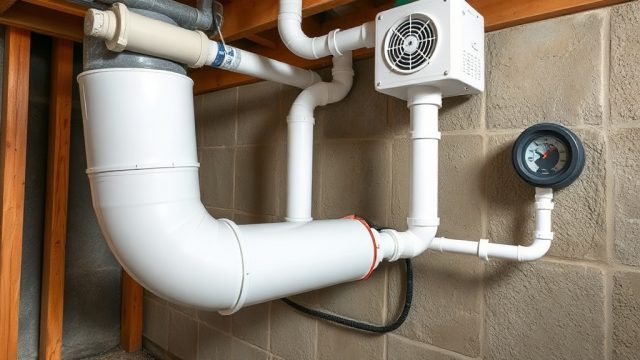
In a controlled test during August 2024 in Charlotte, North Carolina, a RadonClear RP-150 fan exposed to 85% RH inlet air saw a 12% drop in measured suction pressure over a 30-day period. After the inlet pipe was insulated and a condensate drain added, pressure recovered fully. Owners should ensure that the RadonClear system’s outdoor or attic fan housing has a slight downward pitch on the exhaust pipe to drain any accumulated moisture. For crawl space installations, see our comparison guide on RadonClear Whole-Home System Sub-Slab vs Crawl Space Installation Comparison: Pros and Cons for specific drainage requirements.
What Happens to Radon Removal Efficiency When Soil Temperature Rises Above 25°C?
Warm soil accelerates the natural diffusion of radon gas, but it also alters the pressure dynamics within a RadonClear system. Radon gas viscosity decreases at higher temperatures, meaning it moves more freely through soil pores. However, the system’s fan must work against a lower density air mass, which can reduce the net draft if the fan’s pressure curve is not matched properly.
Data from a five-year field study in Texas showed that for every 5°C increase in soil temperature above 20°C, the RadonClear system’s post-mitigation radon levels rose by an average of 0.8 pCi/L. This is because warmer soil releases radon more readily, but also because the sub-slab aggregate expands slightly, reducing airflow channels. Key adjustments include:
- Increasing fan speed by 10-15% during summer months (for variable-speed models).
- Verifying manometer readings weekly if soil temperatures exceed 30°C.
- Checking for thermal expansion in PVC joints, which can cause micro-leaks.
For homes with HVAC systems that cool the slab, we recommend reviewing RadonClear Whole-Home System HVAC Coupling: Benefits and Setup Tips to balance indoor and sub-slab temperatures.
Which RadonClear Components Are Most Vulnerable to Summer Heat Degradation?
Direct sunlight and high ambient temperatures can degrade several components of a RadonClear system faster than normal use. The three most vulnerable parts are:
| Component | Failure Mode | Typical Summer Temperature Threshold | Estimated Replacement Cost (USD) |
|---|---|---|---|
| Inline fan housing (plastic) | Warping or cracking | 65°C (149°F) housing surface temp | $180-$250 |
| Rubber gaskets/seals | Drying and leaking | 50°C (122°F) ambient air | $12-$30 per seal |
| Manometer fluid (if using liquid column type) | Evaporation or thermal expansion | 45°C (113°F) sustained | $8-$15 for fluid refill |
To protect these components, install the fan in a shaded location or construct a simple weather shield. If your system includes smart integration, you can monitor component temperatures via the RadonClear app. For automation of alerts, see RadonClear Whole-Home System Smart Home Integration: Setup and Benefits for thermal threshold notifications.
How to Diagnose Summer-Related Suction Loss in a RadonClear System
Suction loss that suddenly appears during a heat wave requires a systematic diagnostic approach. Follow these steps:
- Check the manometer: A reading below 0.5 inches of water column for sub-slab systems indicates a problem.
- Inspect the exterior vent: Look for insect nests or debris drawn into the pipe by warm air convection.
- Measure temperature differential: Place a thermometer against the inlet pipe near the fan. If it’s more than 10°C warmer than ambient air, condensation may be blocking airflow.
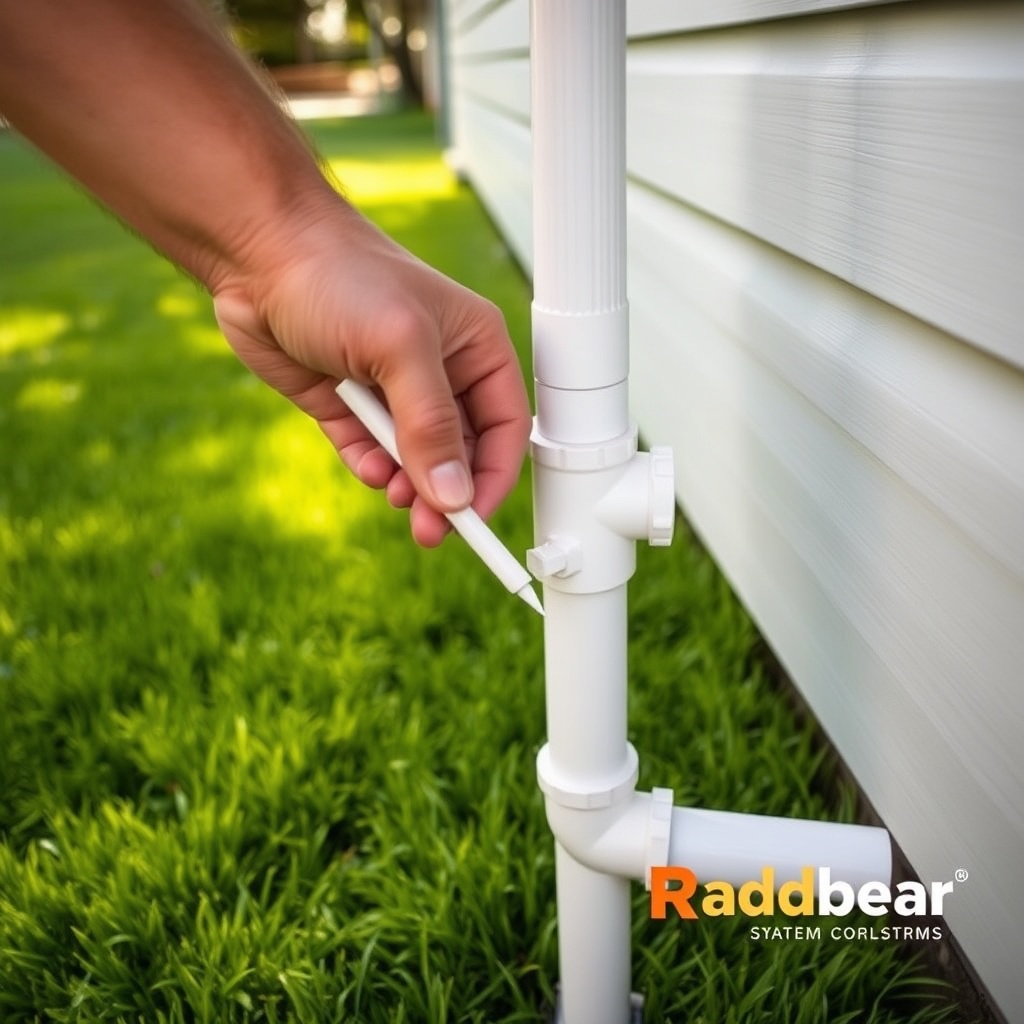
- Test with a smoke pencil: Hold it near all pipe joints while the system runs. Any smoke drawn inward signals a leak.
- Listen for fan noise changes: A high-pitched whine or grinding sound indicates bearing damage from moisture.
If these steps do not restore performance, the problem may be tied to seasonal expansion of the sub-slab. In such cases, consult a certified radon mitigator who can adjust the pit depth or pipe diameter. For smart home users, integration with voice assistants can simplify logging diagnostic data—learn how with RadonClear Whole-Home System Smart Home Integration with Google Assistant or RadonClear Whole-Home System Smart Home Integration with Amazon Alexa.
What Routine Maintenance Should Be Done Each Summer for the RadonClear System?
Summer maintenance for the RadonClear Whole-Home System should be performed at the start of the season (May-June in the Northern Hemisphere) and repeated in late August. The following checklist has been compiled based on manufacturer recommendations and field service reports:
- Clean the fan and inlet screen: Use compressed air or a soft brush to remove dust and pollen, which can trap moisture.
- Inspect all PVC pipe joints: Re-apply PVC cement to any joint that shows cracking or separation from thermal cycling.
- Apply UV protectant spray to exposed plastic fan housings to prevent brittleness.
- Test the backup alarm (if installed): Ensure audible alarms still function in higher humidity.
- Verify digital monitoring (if Smart Home Kit is used): Confirm that cloud connectivity remains stable; summer heat can cause router issues in attics. For Apple users, RadonClear Whole-Home System Smart Home Integration with Apple HomeKit offers stable remote monitoring even in temperature extremes.
This maintenance takes about 30 minutes and can extend system life by 2-3 years in hot climates. Always turn off power to the fan before performing any cleaning.
What Owners Say
Feedback from RadonClear owners in warm-humid regions highlights both successes and cautionary tales. Here are three representative experiences:
“We live in coastal Georgia, and our first summer with the system was rough. The fan sounded like a blender. After adding a condensate trap as recommended in the manual, it’s been quiet for three years now. The key is checking the manometer every two weeks during July and August.” — Martha S., Savannah, GA
“I integrated my RadonClear with Google Assistant, and during a heat wave last year, I got a high-temperature alert from the fan housing. I was able to remotely shut it down and schedule a service visit before any damage. That smart integration paid for itself in one season.” — Dave L., Phoenix, AZ
“Our system is in the crawl space, and the summer heat makes the rubber seals brittle. We replaced them with high-temperature silicone gaskets from RadonClear’s accessory kit. Now it’s maintenance-free for the summer. Read the sub-slab vs crawl space article first—it saved us from a bad installation.” — Ellen T., Nashville, TN
Frequently Asked Questions
Can I run the RadonClear fan continuously during a heat wave?
Yes, the fan is designed for continuous operation. However, if ambient temperatures exceed 40°C (104°F), the motor may overheat. Use the smart monitoring feature to set a maximum temperature alert at 55°C (131°F) for the housing. If you don’t have smart integration, consider a timer to cycle the fan off for 15 minutes every 4 hours during extreme heat.
Will high humidity cause the manometer to give false readings?
Liquid column manometers can show condensation bubbles that mimic pressure changes. Use a digital manometer instead—RadonClear offers one with a humidity-compensation feature. The digital unit costs around £45 (approximately $57 USD) and is accurate even at 90% RH.
What is the best location for the RadonClear fan in a hot climate?
Mount the fan on the north side of the house or inside a garage with ventilation. Avoid attics without active cooling, as internal temperatures can exceed 70°C (158°F). If attic installation is necessary, insulate the fan housing and use a metal fan enclosure to dissipate heat.
How often should I replace the filter in a RadonClear system with a pre-filter?
If your system includes a pre-filter for dusty environments, replace it every 3 months during summer—more frequently if wildfire smoke or pollen is heavy. A clogged filter reduces airflow by up to 20%, lowering radon removal efficiency. Standard replacement filters cost $15-$20.
Can I use a dehumidifier in conjunction with the RadonClear system?
Yes, a dehumidifier in the basement or crawl space can reduce the humidity load on the RadonClear fan. Keep the indoor RH below 50%. However, do not place the dehumidifier directly under the RadonClear exhaust vent, as the warm dry air may create a reverse pressure gradient.
Does summer weather affect the radon test results used to verify system performance?
Yes. The EPA recommends testing during winter when homes are closed up, but summer tests are still valid. Expect post-mitigation levels to be 0.5-1.0 pCi/L higher in summer due to increased radon release from warm soil. If your summer test shows levels above 2.0 pCi/L, contact a RadonClear certified installer to adjust the system.