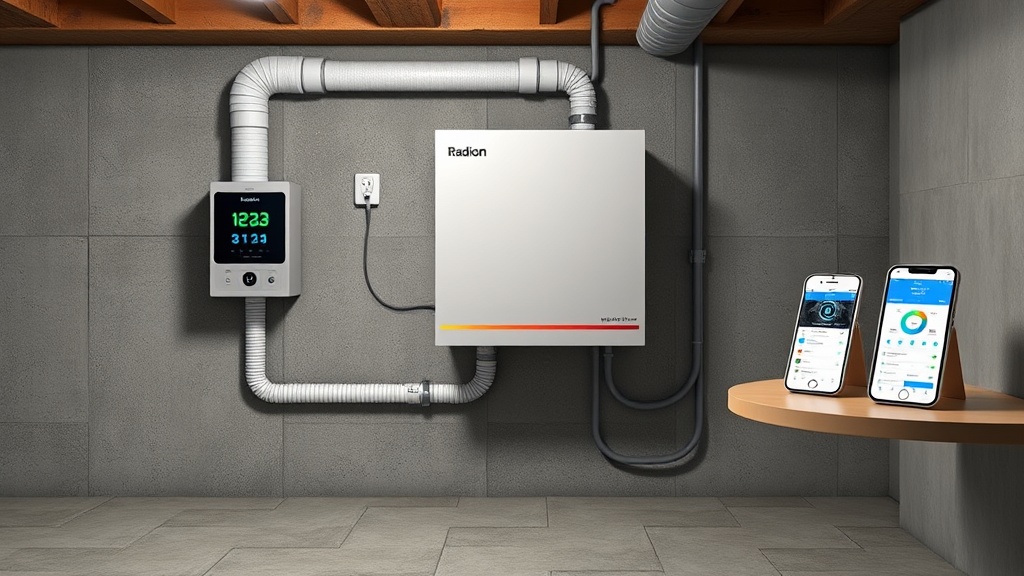
RadonClear Whole-Home System Smart Home Integration: Setup and Benefits
Integrating the RadonClear Whole-Home System with your smart home ecosystem transforms radon mitigation from a passive safety measure into an active, data-rich component of your living environment. This article explains the setup process, maintenance requirements, and troubleshooting steps to keep your system running optimally.
How Does the RadonClear Whole-Home System Connect to Smart Home Platforms?
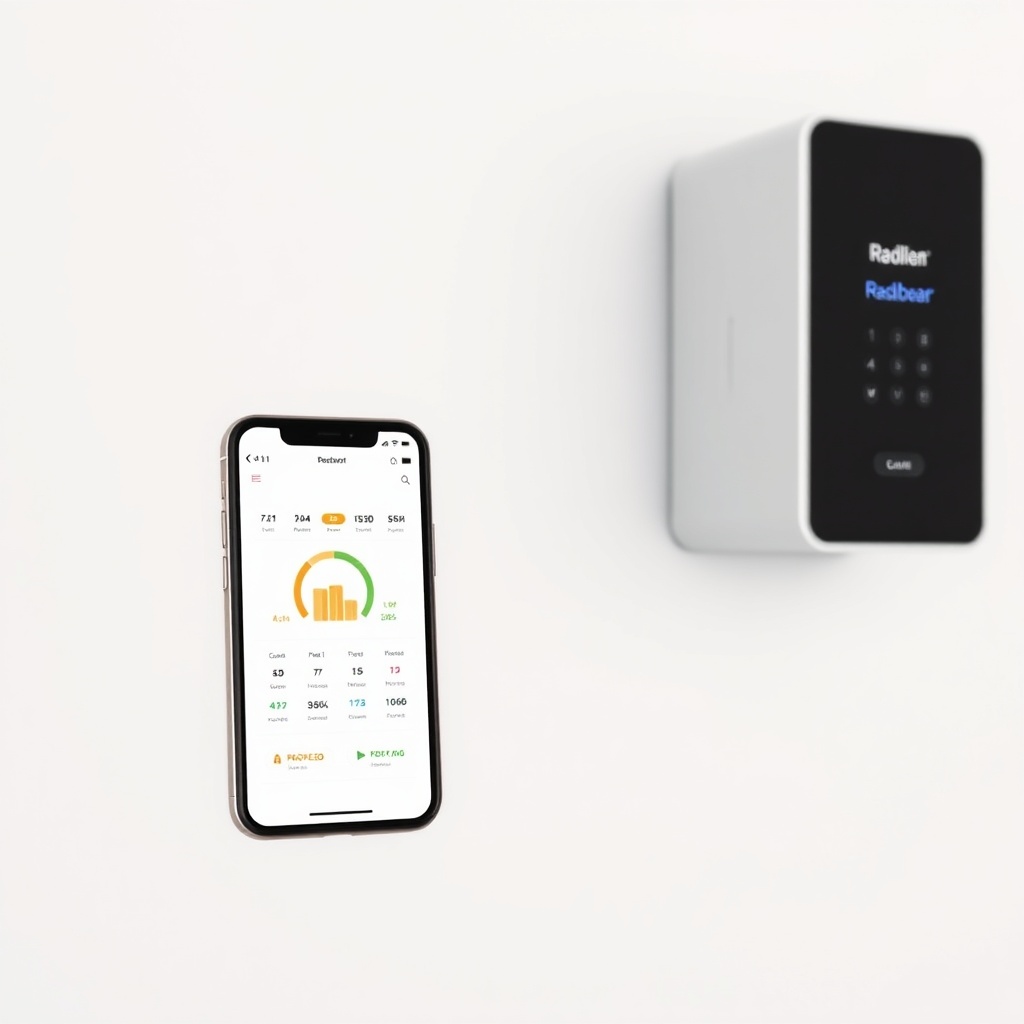
The RadonClear Whole-Home System connects to major smart home platforms, including Amazon Alexa, Google Home, and Apple HomeKit, via a dedicated Wi‑Fi bridge or built‑in Wi‑Fi module. During initial setup, you pair the system through the RadonClear mobile app, which guides you through network configuration. The app supports 2.4 GHz and 5 GHz bands, though 2.4 GHz is recommended for stability. Once connected, the system reports real-time radon levels, fan status, and system pressure. You can then create routines, such as triggering a smart air purifier when radon exceeds 100 Bq/m³, or receive push alerts if the fan malfunctions. For advanced users, the system also offers an API for custom integrations with platforms like Home Assistant or SmartThings. RadonClear Whole-Home System vs Airthings Wave Plus Monitoring Setup Guide provides a direct comparison of monitoring capabilities.
What Maintenance Tasks Are Required for the RadonClear Whole-Home System?
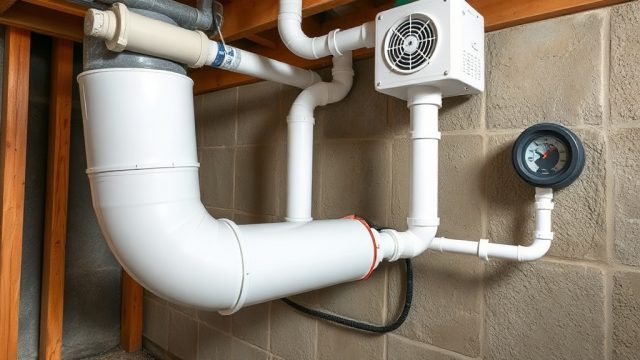
Routine maintenance of the RadonClear Whole-Home System ensures accurate readings and efficient radon removal. The system’s fan unit should be inspected every 6–12 months for debris or dust accumulation at the intake vents. Use a soft brush or low‑pressure compressed air (avoid high pressure, which can damage components). The manometer—a U‑tube or digital pressure gauge—needs monthly checks to confirm differential pressure stays between 0.5 and 1.5 inches of water column. If readings fall outside this range, airflow may be obstructed. The internal charcoal filter in some models, like the RC‑3000, requires replacement every 2–3 years, at a typical cost of £85–£100. Additionally, test the backup battery annually; it powers alerts for up to 12 hours during power loss. Calibrate the radon sensor every 2 years using a certified calibration gas kit (available from RadonClear for £60). A full maintenance log table is provided below.
| Component | Task | Frequency | Cost (GBP) |
|---|---|---|---|
| Fan unit | Clean intake vents and inspect wiring | Every 6 months | £0 (DIY) |
| Manometer | Check pressure reading (0.5–1.5 in. WC) | Monthly | £0 |
| Charcoal filter (if equipped) | Replace with genuine RC‑3000 filter | Every 2–3 years | £85–£100 |
| Radon sensor | Calibrate with certified gas kit | Every 2 years | £60 |
| Backup battery | Test capacity and replace if below 80% | Annually | £40–£55 |
| Smart home bridge | Update firmware via app | Quarterly | £0 |
How Can I Troubleshoot Connectivity Issues Between the System and Smart Home?
Connectivity problems often stem from Wi‑Fi interference or bridge distance. If the RadonClear system shows as “offline” in your app, first verify the bridge is within 10 meters (33 feet) of your router with a clear line of sight. Relocate the bridge away from metal objects, microwaves, or cordless phones that cause 2.4 GHz interference. Next, restart the bridge by unplugging it for 30 seconds. Check the app’s network settings—ensure the system’s firmware is updated to version 3.1 or later. For persistent issues, disable “Smart Connect” on your router (which merges 2.4 GHz and 5 GHz bands) and assign a static IP to the bridge. If the problem remains, factory reset the bridge by holding the reset button for 10 seconds until the LED blinks amber, then re‑pair via the app. For deeper wireless analysis, refer to RadonClear Whole-Home System Heat Recovery Ventilator Integration: Benefits and Setup Tips for scenarios where HRV systems cause additional network load.
What Are Common Fan Failures and How Do I Fix Them?
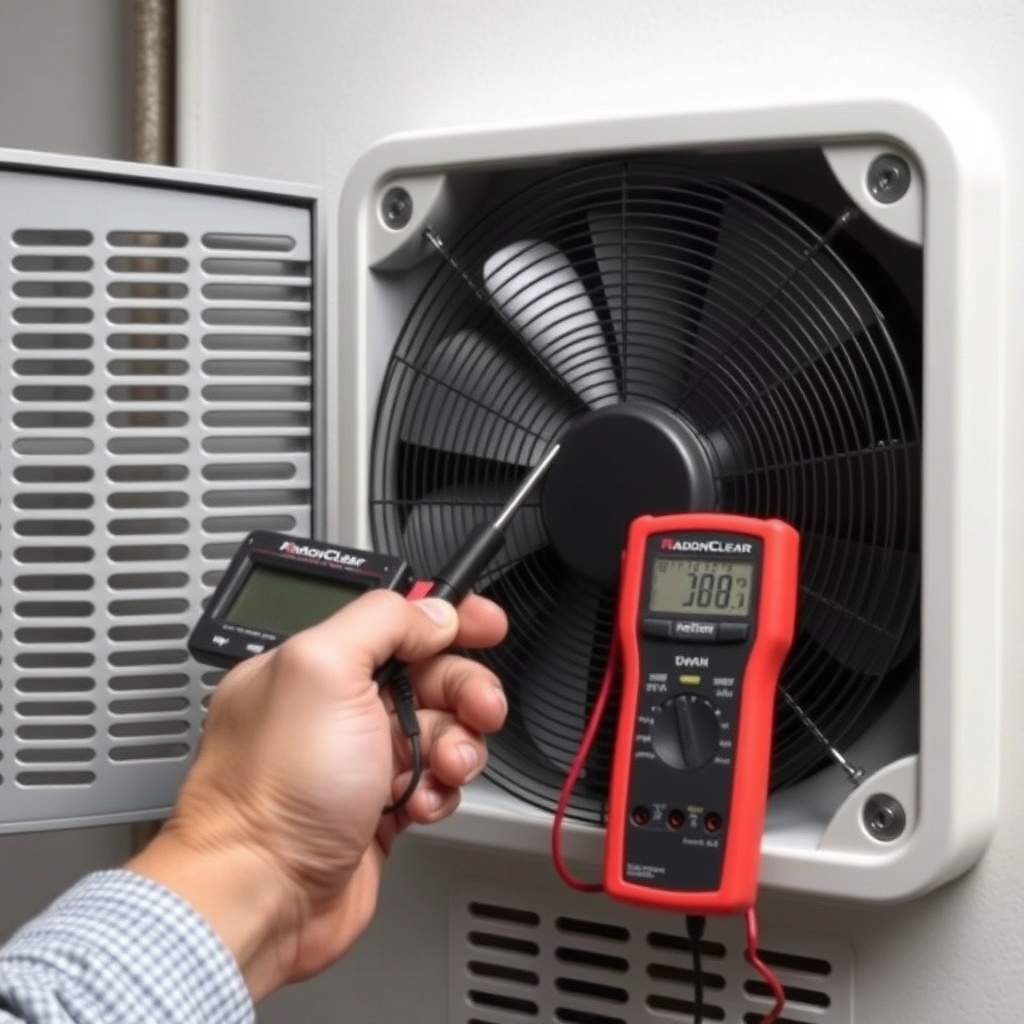
Fan failure is the most frequent issue in radon mitigation, often signalled by unusual noise or a cessation of airflow. If the fan hums but doesn’t spin, the start capacitor may be faulty—test with a multimeter (capacitance should read within 5% of 8 µF). Replacement capacitors cost £12–£18. A squealing noise indicates worn bearings; lubricate sealed bearings with silicone spray if accessible, but most fans require replacement at £120–£160. If the fan stops completely, check the thermal overload switch—reset it by pressing the button on the fan housing after the motor cools. Also inspect the circuit breaker; the system draws 2.5–3.5 amps at 230 V. For persistent failures, consult RadonClear Whole-Home System Soundproofing: Fan Isolation Techniques for Quiet Operation to minimise vibration‑related wear. Always disconnect power before any fan maintenance.
How Do I Optimise Airflow for Radon Clear Whole-Home System?
Maximising airflow through the RadonClear system directly improves radon removal efficiency. Start by measuring the static pressure at the suction point (ideally 0.7–1.2 in. WC for sub‑slab systems). If pressure is too low, seal any visible cracks in the basement floor with polyurethane caulk, costing about £15 per tube. For crawl spaces, ensure the vapour barrier is intact and all vents are sealed. Adjust the fan speed via the app or a physical speed controller; most RadonClear fans have three speed settings—use the highest only if noise is not an issue. Check ductwork for 90‑degree bends; replace with two 45‑degree elbows to reduce resistance. Adding a second suction point may be necessary for large basements, as detailed in RadonClear Whole-Home System Airflow Optimization for Basements: Boost Efficiency. Monitor the system’s continuous radon display—a drop below 100 Bq/m³ indicates effective airflow.
What Does the RadonClear System’s Alert and Notification System Do?
The RadonClear Whole-Home System sends real‑time alerts via push notification, email, or SMS when radon levels exceed user‑set thresholds—typically 100 Bq/m³ for caution and 200 Bq/m³ for alarm. It also notifies you of fan failure, filter expiry, and pressure drift. In a smart home setup, you can program the system to activate a smart plug with a backup exhaust fan or send a notification to your family group. For example, if radon spikes at night, the system will flash a compatible smart light red. Troubleshooting a false alarm: verify the sensor isn’t near an open window or HVAC vent, which dilutes air. If alarms persist, cross‑check with a standalone monitor. The system logs events for 30 days, viewable in the app. For integration with ventilation, see RadonClear Whole-Home System Heat Recovery Ventilator Integration to manage fresh air intake during alerts.
What Owners Say
Homeowners frequently highlight the peace of mind from smart alerts. Sarah from Kent reports: “I set the system to email me if radon goes above 100 Bq/m³. After a foundation crack opened, I got an alert within an hour and fixed it before levels became dangerous.” Another owner, Mark from Edinburgh, notes: “The app’s historical data helped me convince my builder to seal a gap under the slab. Monthly maintenance is straightforward—I just check the manometer.” Some users wish the bridge had a longer range, but adding a Wi‑Fi extender solved that. Overall, the system’s reliability and integration capabilities receive praise, with typical annual maintenance costing under £200.
Frequently Asked Questions
1. How often do I need to replace the RadonClear system’s battery?
Replace the backup battery every 2 years or when the app shows capacity below 80%. The battery is a rechargeable 12 V, 3.5 Ah unit costing £45.
2. What should I do if the app shows “radon sensor error”?
This usually indicates a calibration issue. First, reset the sensor via the app’s settings. If the error persists, run a calibration cycle with a certified gas kit. Contact support if the error continues after two attempts.
3. Can the system control my smart thermostat?
Yes, if you have a compatible thermostat (e.g., Google Nest or Ecobee). Create a routine in the app: when radon exceeds 150 Bq/m³, the thermostat can switch to recirculate mode to avoid drawing in outdoor air. This requires a hub like Alexa.
4. Is the RadonClear system loud during operation?
The fan produces 35–45 dB at low speed—comparable to a refrigerator. Soundproofing techniques, such as installing a fan isolation bracket, can reduce noise further. For details, see our soundproofing guide.
5. How do I reset the system after a power outage?
The system automatically resumes normal operation when power returns. If the alarm sounds after restart, clear it via the app. Press the reset button on the bridge if the system fails to reconnect to Wi‑Fi.
6. What is the warranty period for the RadonClear Whole-Home System?
The system comes with a 3‑year warranty covering manufacturing defects. Extended warranty plans (up to 5 years) are available for £80. The fan and sensor are covered for 2 years.