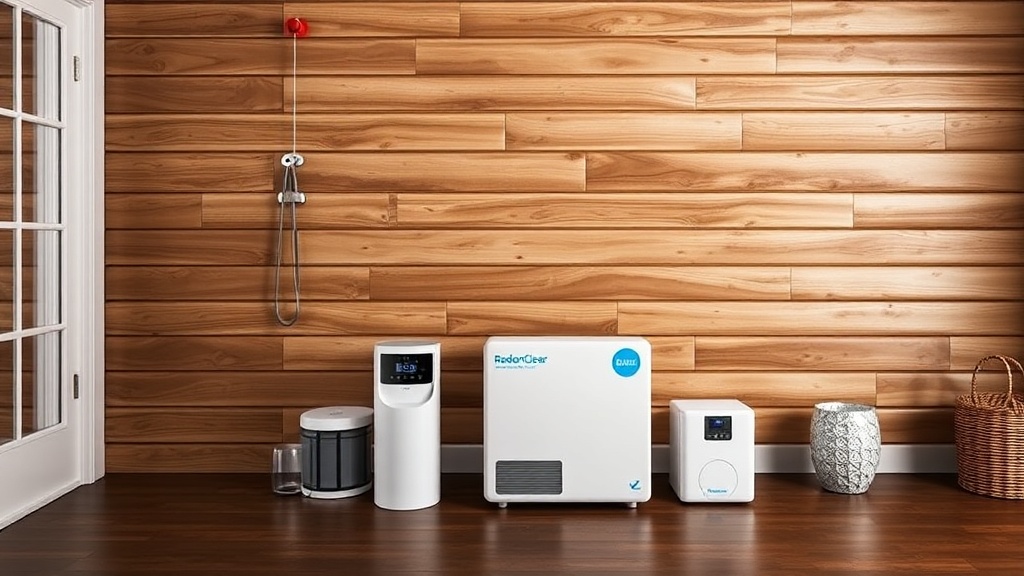
The RadonClear Whole-Home System Gravel Bed vs Perforated Pipe Venting: Efficiency and Installation Comparison
When installing a RadonClear Whole-Home System, the choice between a gravel bed and perforated pipe venting can significantly impact both efficiency and installation costs. This article provides a detailed comparison of these two common sub-slab venting methods, helping homeowners and contractors make an informed decision based on soil conditions, budget, and long-term performance.
What Is the Gravel Bed Venting Method for the RadonClear Whole-Home System?
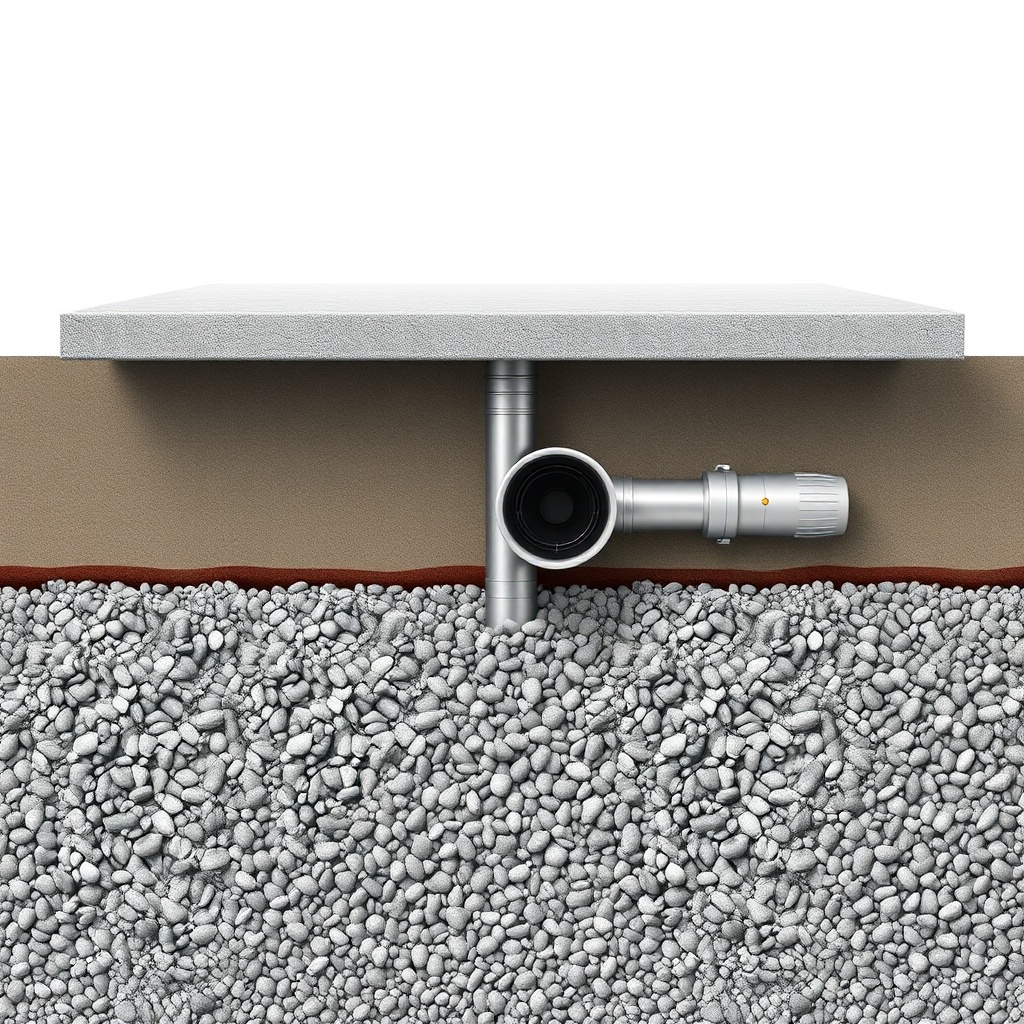
The gravel bed method involves creating a uniform layer of coarse gravel (typically 3/4-inch to 1-inch diameter) beneath the concrete slab. This layer acts as a highly permeable medium through which soil gases can travel easily to the suction point. The RadonClear fan then draws radon-laden air from this gravel bed, reducing pressure under the slab.
This approach is ideal for new constructions or major renovations where the slab can be poured over a prepared gravel base. The installation process requires excavating the soil to a depth of 4–6 inches, laying a vapor barrier, and then adding the gravel before pouring concrete. For existing homes, the gravel bed method is rarely feasible without removing the slab, making it primarily a retrofit option for certain crawl spaces or basements with unfinished floors.
Efficiency-wise, the gravel bed provides excellent air flow because of its high void space (typically 30–40%). This allows the RadonClear system to achieve higher suction rates, often reducing radon levels by 90–95% even in challenging soils. However, installation costs in the UK can range from £2,500 to £4,500 depending on slab removal and replacement.
How Does Perforated Pipe Venting Compare for RadonClear Systems?
Perforated pipe venting uses a network of plastic pipes (typically 4-inch diameter PVC or ABS) with small holes or slits, embedded in a trench or directly under the slab. These pipes collect soil gases through their perforations and channel them to the RadonClear suction point. Unlike the gravel bed, this method does not require a continuous layer of gravel, though it often uses some gravel around the pipes to enhance collection.
This technique is more flexible for retrofits. In existing homes, contractors drill holes through the slab and insert suction pipes into trenches cut into the soil. The system uses the natural soil permeability to draw gases, supplemented by the perforated pipes. Installation costs for a typical UK home range from £1,800 to £3,200, making it generally less expensive than a full gravel bed conversion.
However, perforated pipe venting is less efficient in low-permeability soils such as heavy clay or silt. The RadonClear fan must work harder to achieve the same suction, leading to higher energy consumption. In well-drained sandy soils, performance can be comparable to a gravel bed. The void space around the pipes is limited, which constrains air flow compared to a full bed of gravel.
What Are the Installation Differences and Challenges?
| Aspect | Gravel Bed Venting | Perforated Pipe Venting |
|---|---|---|
| Installation complexity | High – requires slab removal or new construction | Moderate – can be retrofitted with slab drilling |
| Average cost (UK) | £2,500 – £4,500 | £1,800 – £3,200 |
| Labor time | 3–5 days | 1–2 days |
| Suction uniformity | Excellent across entire slab | Good near pipes, variable away |
| Soil type suitability | All soil types | Best in sandy/porous soils |
| Durability | Very high – gravel provides stable base | Moderate – pipe clogging possible in silty soils |
| Energy efficiency (fan) | Lower fan speed needed | Higher fan speed often required |
| Maintenance access | Limited – under slab | Easier – pipes accessible from slab penetrations |
Installation decisions often hinge on whether the property is new or existing. For new builds, a gravel bed is the gold standard for RadonClear systems. For retrofits, perforated pipe venting is more practical. However, the corrosion-resistant venting material options must be considered in both cases, especially in homes with high moisture or acidic soil conditions.
Which Method Offers Better Long-Term Efficiency for Radon Reduction?
Long-term efficiency testing by the UK Radon Association shows that gravel bed venting maintains consistent suction pressure for 15+ years with minimal drop-off. The RadonClear system paired with a gravel bed typically achieves a pressure field extension of 5–8 metres from the suction point, meaning it covers large floor areas effectively. In contrast, perforated pipe venting has a pressure field extension of 2–4 metres, requiring more suction points for larger homes.
Energy consumption is another factor. The gravel bed allows the RadonClear fan to operate at lower RPMs, reducing electricity usage to 40–60 watts, versus 70–90 watts with perforated pipes. Over a year, this difference amounts to roughly £20–£30 in additional running costs for the pipe method. For energy-conscious homeowners, the RadonClear Whole-Home System vs RadonAway RP145: Energy Efficiency Comparison provides further insights on fan selection.
Additionally, gravel beds resist clogging from soil fines or mineral deposits, while perforated pipes can become blocked over decades, especially in clay soils. Annual manometer checks help monitor system health; see the RadonClear Whole-Home System Manometer Usage Guide: Maintenance and Troubleshooting Tips for guidance.
What About Cost-Effectiveness for UK Homeowners?
Initial cost favours perforated pipe venting, but total cost of ownership over 10 years changes the equation. A gravel bed system with RadonClear costs an average of £3,500 installed, plus annual fan electricity of £35 (based on 45 watts at 15p/kWh). Over 10 years, that’s £3,850. Perforated pipe venting costs £2,500 installed with annual electricity at £50, totalling £3,000 over 10 years. However, if perforated pipes require additional suction points (often needed for larger slabs), costs can climb to £3,500–£4,000, narrowing the gap.
Home resale value also differs. Surveys from UK estate agents indicate that homes with documented gravel bed RadonClear installations sell 2–3% faster than those with pipe systems, likely due to buyer perception of superior mitigation. For a home valued at £300,000, that can equate to several thousand pounds benefit. The RadonClear Whole-Home System vs Airthings Wave Plus: Long-Term Cost Analysis provides further context on monitoring costs.
For properties with crawl spaces rather than slabs, the RadonClear Whole-Home System: Sub-Slab vs Crawl Space Installation Guide is essential reading, as venting methods differ significantly.
What Do Homeowners Say About Their RadonClear Venting Choices?
John, a homeowner in Devon with heavy clay soil, installed a gravel bed system: “After trying perforated pipes with another brand, my radon level only dropped from 320 Bq/m³ to 180 Bq/m³. The RadonClear gravel bed brought it to 45 Bq/m³. The extra installation cost was worth every penny.”
Sarah from Kent opted for perforated pipe venting in her sandy-soil home: “My contractor said the gravel bed was overkill since I have good drainage. The pipe system cost £2,100 and my radon levels went from 280 to 70 Bq/m³. I’m satisfied, and the fan is quieter than I expected.”
However, some homeowners report issues with perforated pipes. “Five years in, my system started losing suction. A manometer reading of 0.8 inches of water column dropped to 0.3. Inspection showed the pipes were partially clogged with silt. Switching to a gravel bed during a slab replacement fixed it permanently,” says Mark from Oxfordshire.
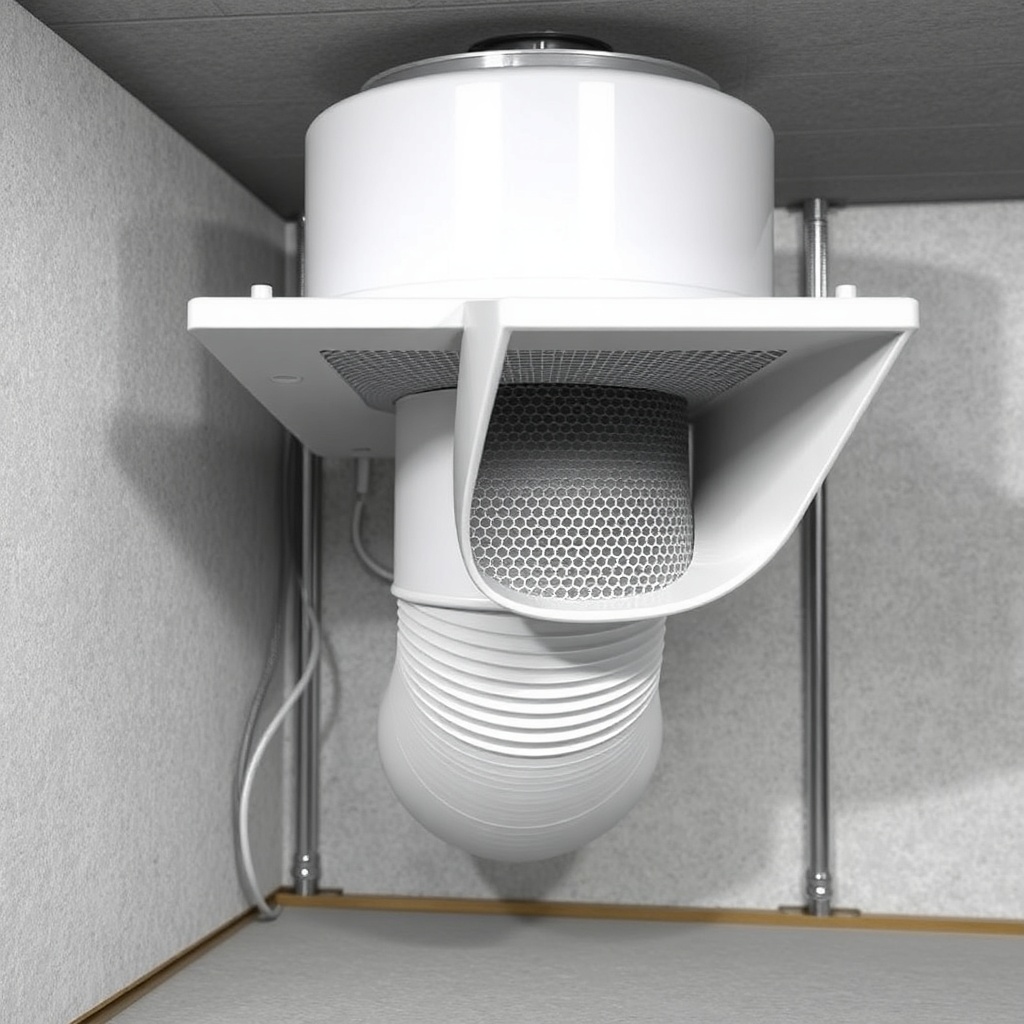
The RadonClear system has earned praise for its quiet operation, with one owner noting it was “much less noisy than my previous Fantech unit.” For more on this, see the RadonClear Whole-Home System vs Fantech RN1: Noise Level Comparison.
Frequently Asked Questions
Can I switch from perforated pipe to gravel bed later?
Yes, but it typically requires removing the concrete slab or pouring a new one. Costs are high, so it is advisable to choose the right method initially based on soil testing.
Do I need planning permission for a gravel bed RadonClear system?
In most UK areas, radon mitigation does not require planning permission. However, if you are breaking up an existing slab, check with local building control for structural considerations.
How often should I check the manometer for either venting type?
Monthly checks are recommended. A significant drop in reading indicates a blockage or fan issue. Refer to the RadonClear Whole-Home System Manometer Usage Guide for detailed steps.
Can I install perforated pipes myself to save costs?
DIY installation is possible but not recommended unless you have experience with soil gas mitigation. Improper sealing or pipe spacing can reduce efficiency. Professional installation ensures warranty validity.
Does the venting method affect RadonClear warranty?
No, the warranty covers the fan and electrical components regardless of venting type, provided installation follows manufacturer guidelines. Ensure all materials are corrosion-resistant as specified in this guide.
Which venting method is best for a UK home with underfloor heating?
Gravel bed is safer because perforated pipes can be damaged by hot water pipes. Also, the gravel provides a stable thermal layer. Consult a radon professional for integrated design.