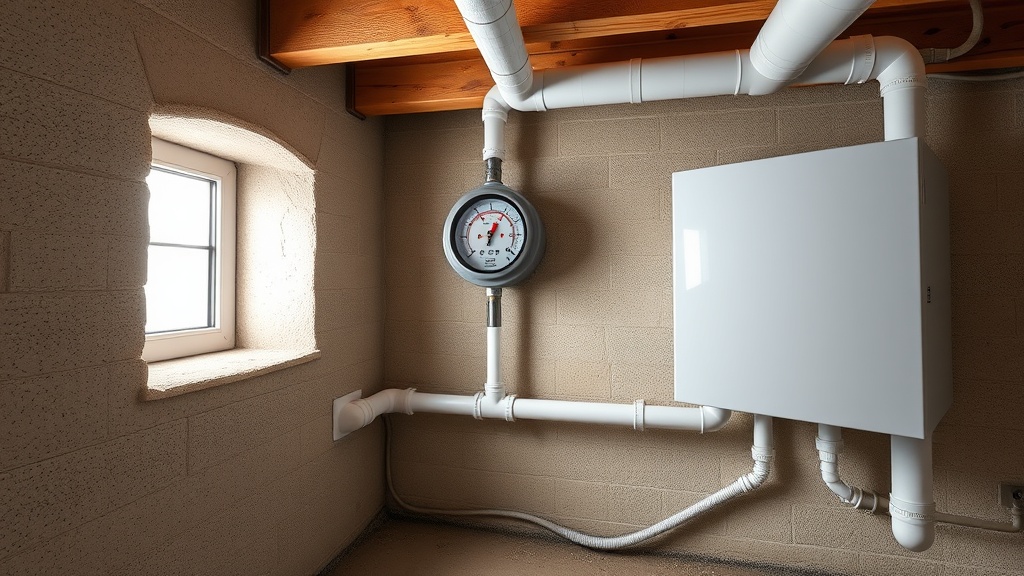
Introduction to the RadonClear Whole-Home System Manometer
The RadonClear Whole-Home System is a cornerstone of residential radon mitigation across the United Kingdom, designed to reduce radon gas levels to below the UK Action Level of 200 Bq/m³. A critical component of this system is the manometer, a U-tube gauge that provides real-time visual feedback on system pressure. Proper manometer maintenance and troubleshooting are essential for ensuring continuous radon reduction and system longevity. This guide covers every aspect of manometer care, from reading to replacement, so homeowners can maintain peak performance and avoid costly service calls.
Whether you are a new RadonClear owner or have used the system for years, understanding the manometer’s behaviour helps diagnose issues early. For deeper insights on system integration, refer to our guide on smart home integration with Amazon Alexa.
How Do I Properly Read the RadonClear Manometer?
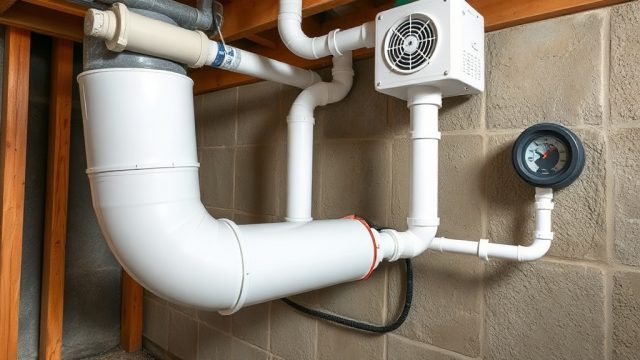
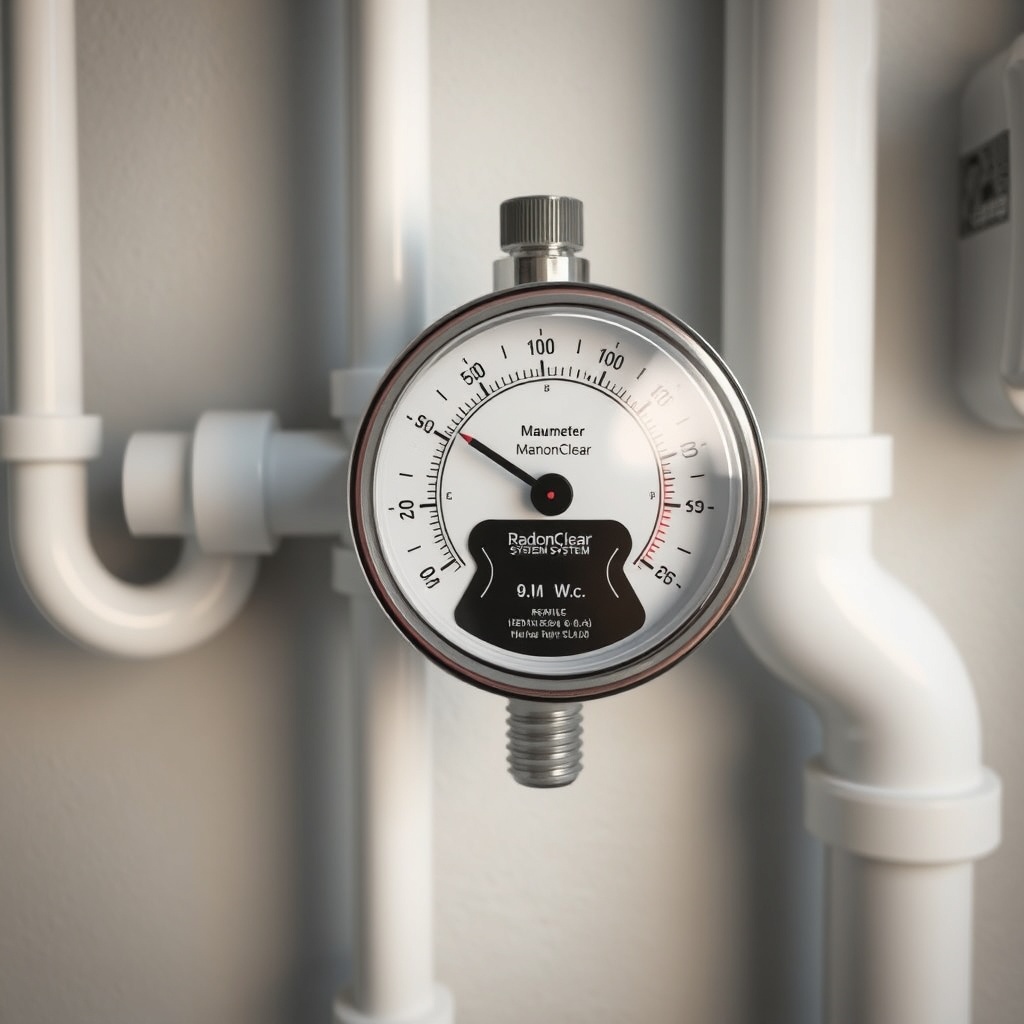
The RadonClear Whole-Home System manometer consists of a clear plastic tube with a coloured fluid—usually red or blue—that moves in response to pressure differences. The gauge is divided into two columns: the left side shows the system’s negative pressure (suction) relative to the atmosphere, while the right side indicates total pressure drop across the mitigation system. A typical reading for a properly installed RadonClear system is between 0.5 and 1.5 inches of water column (in. w.c.).
To read the manometer accurately, stand at eye level with the gauge and note where the fluid line sits on both columns. The difference between the two fluid heights is the system pressure. For instance, if the left column reads 0.8 in. w.c. and the right reads 1.3 in. w.c., the pressure drop is 0.5 in. w.c. A stable reading indicates that the system’s fan and ductwork are functioning without obstruction. If the fluid is fluctuating rapidly, there may be an air leak or fan imbalance. For a noise-related diagnosis, read our comparison with the Fantech RN1.
Why Is My Manometer Showing Zero or Negative Pressure?
A zero or negative reading on the RadonClear Whole-Home System manometer is a serious indicator that the mitigation system is not operating correctly. This can occur for several reasons. The most common cause is a power failure to the fan—either a tripped circuit breaker, a faulty power supply, or a disconnected plug. Check the electrical panel and the fan’s power cord. If power is present, the fan may have seized due to bearing failure or debris accumulation.
Another cause is a major duct leak after the fan, which allows the system to lose negative pressure. Inspect all joints and connections for cracks or separations. The RadonClear system’s ductwork is typically PVC or ABS; look for visible gaps or loose couplings. If the manometer reads zero and the fan is running, the fluid may have evaporated—rare but possible in very dry, warm conditions. To address duct integrity issues, see our duct leak repair tips.
What Does an Erratic Manometer Reading Indicate?
An erratic manometer reading—where the fluid bounces, jumps, or oscillates—points to transient pressure changes within the RadonClear Whole-Home System. This is often caused by air entering the system through a crack in the suction pit or a loose vacuum connection at the slab. The RadonClear system requires a sealed sump or suction point to maintain steady vacuum. If the fluid fluctuates more than 0.2 in. w.c. every few seconds, inspect the suction pit cover for gaps and reseal with silicone or mastic.
Another culprit is a partially blocked fan or duct. Debris such as dirt, leaves, or small animals can accumulate in the suction pipe. Also, high winds outside can cause pressure variations in the discharge pipe. The RadonClear system includes a gooseneck weather cap to minimise this, but if the discharge is too close to a wall or roofline, turbulence can affect the manometer. For summer-specific performance issues, read the outdoor high-humidity analysis.
If the erratic reading continues after sealing and clearing obstructions, the manometer itself may be faulty. The internal tubing can kink or the fluid can degrade over time (typically after 5–7 years). Replace the manometer if necessary—cost around £15–£30 from UK radon suppliers.
How Often Should I Check and Maintain the Manometer?
Regular visual inspection of the RadonClear Whole-Home System manometer is recommended at least once a month. This simple check takes less than 30 seconds and can prevent major system failures. Look for consistent fluid levels—a drop of more than 30% from baseline indicates a problem. Also, examine the manometer tube for discoloration, cloudiness, or fluid separation. Over time, the fluid may separate into water and dye; if it becomes pale or sticky, replace the manometer.
Seasonal maintenance should include cleaning the manometer with a soft, dry cloth. Never use water or cleaners inside the tube. In winter, freezing temperatures can cause the fluid to thicken; the RadonClear manometer uses a propylene glycol-based fluid that resists freezing down to -20°C, but in unheated spaces, consider insulating the manometer. For a deeper dive into seasonal performance, see our summer performance analysis.
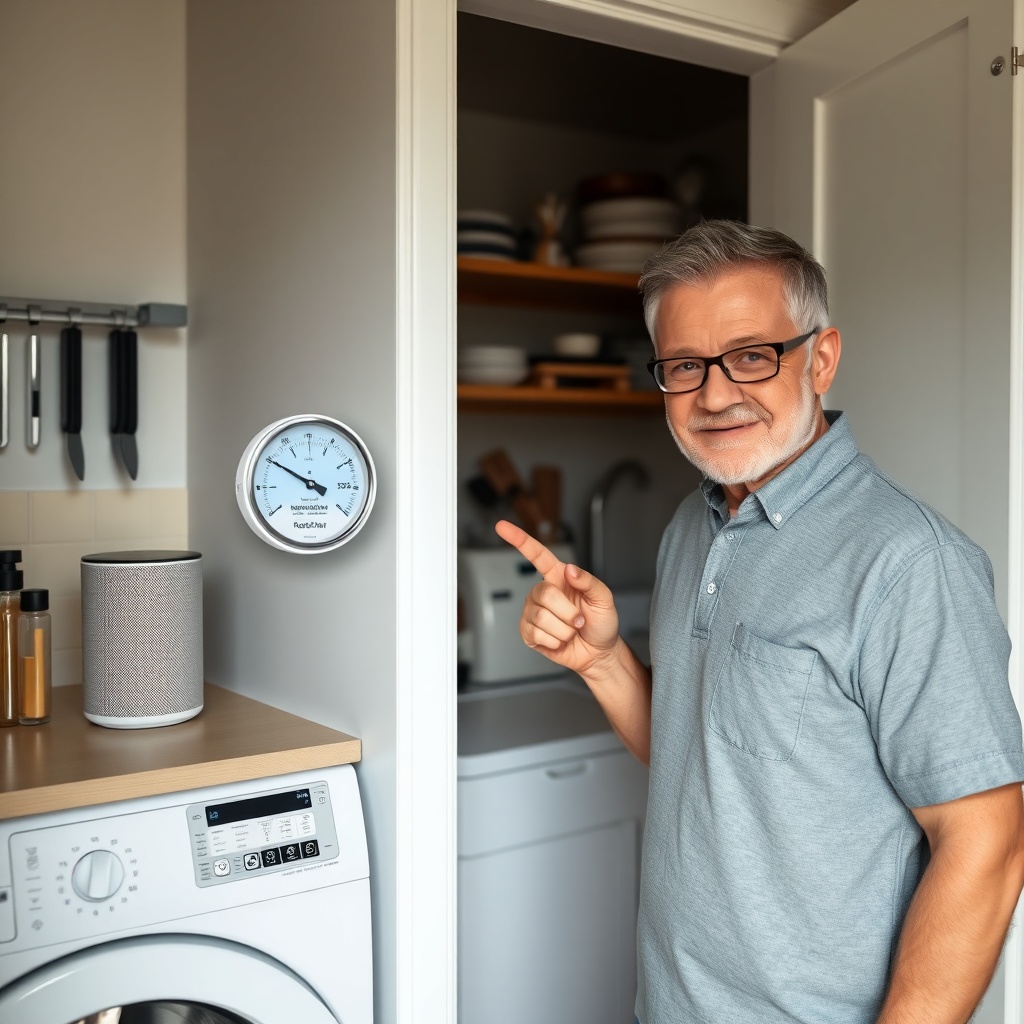
If you have integrated the RadonClear system with smart home controls, the manometer reading can be monitored remotely. Check out Alexa integration for automated alerts. For Apple users, the HomeKit setup offers similar monitoring.
When Should I Replace the Manometer Fluid or the Entire Unit?
The manometer fluid in the RadonClear Whole-Home System typically lasts 3–5 years before evaporation or contamination occurs. If the fluid level drops below the zero mark or becomes cloudy, it is time to replace either the fluid or the entire gauge. Replacement fluid kits cost around £8–£12 and include 100 mL of pre-dyed propylene glycol. To refill, disconnect the manometer from the system, open the top cap, and add fluid until both columns reach the zero line. Then reinstall carefully, ensuring no air bubbles are trapped.
However, if the manometer tube is scratched, hazed, or has cracks, replacing the entire unit is more reliable. A new RadonClear-compatible manometer costs £20–£40. Symptoms of a failed manometer include permanent fluid discoloration (dark brown or black), stickiness, or fluid leakage onto the wall. Replacing the unit is straightforward: cut the tubing near the gauge, remove old fittings, and push on new ones. Always test the system after replacement using a power consumption check to verify fan operation.
| Symptom | Severity | Action Required | Estimated Cost (GBP) |
|---|---|---|---|
| Fluid level slightly low (within 0.2 in. w.c. of baseline) | Low | Check for leaks, top up fluid | £0–£12 |
| Fluid level 30% below baseline | Medium | Inspect ductwork, seal cracks, replace fluid | £10–£30 |
| Zero reading (no fluid movement) | High | Check power to fan, inspect circuit breaker | £0–£100 |
| Erratic fluctuation (>0.3 in. w.c. variation) | High | Seal suction pit, clear debris, replace manometer | £15–£50 |
| Fluid discolored or sticky | Medium | Replace manometer unit | £20–£40 |
| Manometer tube cracked or leaking | Critical | Replace manometer immediately | £25–£50 |
What Owners Say About Their RadonClear Manometer Experience
Homeowners across the UK consistently praise the simplicity of the RadonClear Whole-Home System manometer. Sarah from Cornwall notes, “After my installation, the manometer reading was exactly 1.0 in. w.c. as promised. When it started dropping to 0.6, I checked ducts and found a small crack. Fixed it with sealant, and now it’s steady again. The gauge saved me a service visit.” Mark from Bristol shares, “We had a weird fluctuation issue after a windy storm. I followed the RadonClear troubleshooting and found the manometer tube had kinked. Straightened it out, and it’s been perfect for six months.”
Several owners mention the manometer’s durability. “I’ve had the same gauge for four years in a cold garage—no discoloration, just a minor fluid top-up once,” says David from Scotland. Others appreciate the integration features: “I linked my system to Alexa via the Alexa guide and now get voice alerts if the manometer goes outside normal range. It’s peace of mind.” Some users report the manometer is too sensitive for rough handling during cleaning, but overall satisfaction remains high. Negative feedback is rare and usually involves installation errors—easily corrected by referencing this guide or professional help.
Frequently Asked Questions
What is the normal manometer reading for a RadonClear Whole-Home System?
A normal reading is between 0.5 and 1.5 inches of water column (in. w.c.). Most installations target 0.8–1.2 in. w.c. If your reading is outside this range, consult troubleshooting steps.
Can the manometer freeze in winter?
The RadonClear manometer uses propylene glycol fluid rated to -20°C. In extremely cold attics or unheated basements, temporary thickening can occur but typically does not damage the gauge. Insulate the manometer if temperatures drop below -10°C for extended periods.
How do I know if the manometer is broken versus the system failing?
If the fan is running and you hear airflow, but the manometer reads zero, the gauge may be broken. Test by gently tapping the tube—if the fluid doesn’t move, replace it. If the fan is off, check power first.
Is it safe to clean the manometer with water?
No. Never introduce water into the manometer tube. Clean the exterior with a dry cloth. For internal contamination, replace the fluid or the entire unit.
Can I read the manometer from a distance using a smart system?
Yes. With the Amazon Alexa or Apple HomeKit integration, you can see manometer data via a pressure sensor add-on that connects to the RadonClear controller. This provides remote monitoring and alerts.
How much does it cost to replace a RadonClear manometer?
A replacement manometer costs between £20 and £40 in the UK. Replacement fluid kits are £8–£12. DIY installation is simple and typically takes 15 minutes.